
Wall Art Guide, Wall Art Tutoriels
Bathroom Wall Art and Decor: Waterproof Design Solutions

Apr
So I’ve been testing waterproof bathroom art for like three years now because honestly, regular prints just die in there and it’s such a waste of money. Let me walk you through what actually works.
The Materials That Actually Survive Steam and Splashes
Okay so the biggest thing nobody tells you is that “waterproof” means different things depending on where you’re putting it. Like, above the toilet? Pretty much anything works. Right next to the shower? You need the serious stuff.
Acrylic prints are gonna be your best friend here. I switched to these in my guest bathroom after a framed print got all moldy behind the glass and it was disgusting. Acrylic is literally just your image printed directly onto plexiglass, so there’s nothing to seep behind. The colors pop like crazy too, almost too much sometimes? I had to return one because it looked weirdly neon in person.
The thing with acrylic though, it shows every fingerprint and water spot. You gotta wipe it down with microfiber cloths, not paper towels because those scratch it. Found that out the hard way when my nephew decided to “help clean” and used a Clorox wipe directly on it. Learned that lesson.
Metal Prints Are Surprisingly Good
I wasn’t expecting to love metal prints but here we are. They’re aluminum sheets with the image dyed right into the coating, so water just beads off. I’ve had one hanging like six inches from my shower for two years and it still looks brand new. The finish is slightly reflective which sounds annoying but actually makes small bathrooms feel bigger.
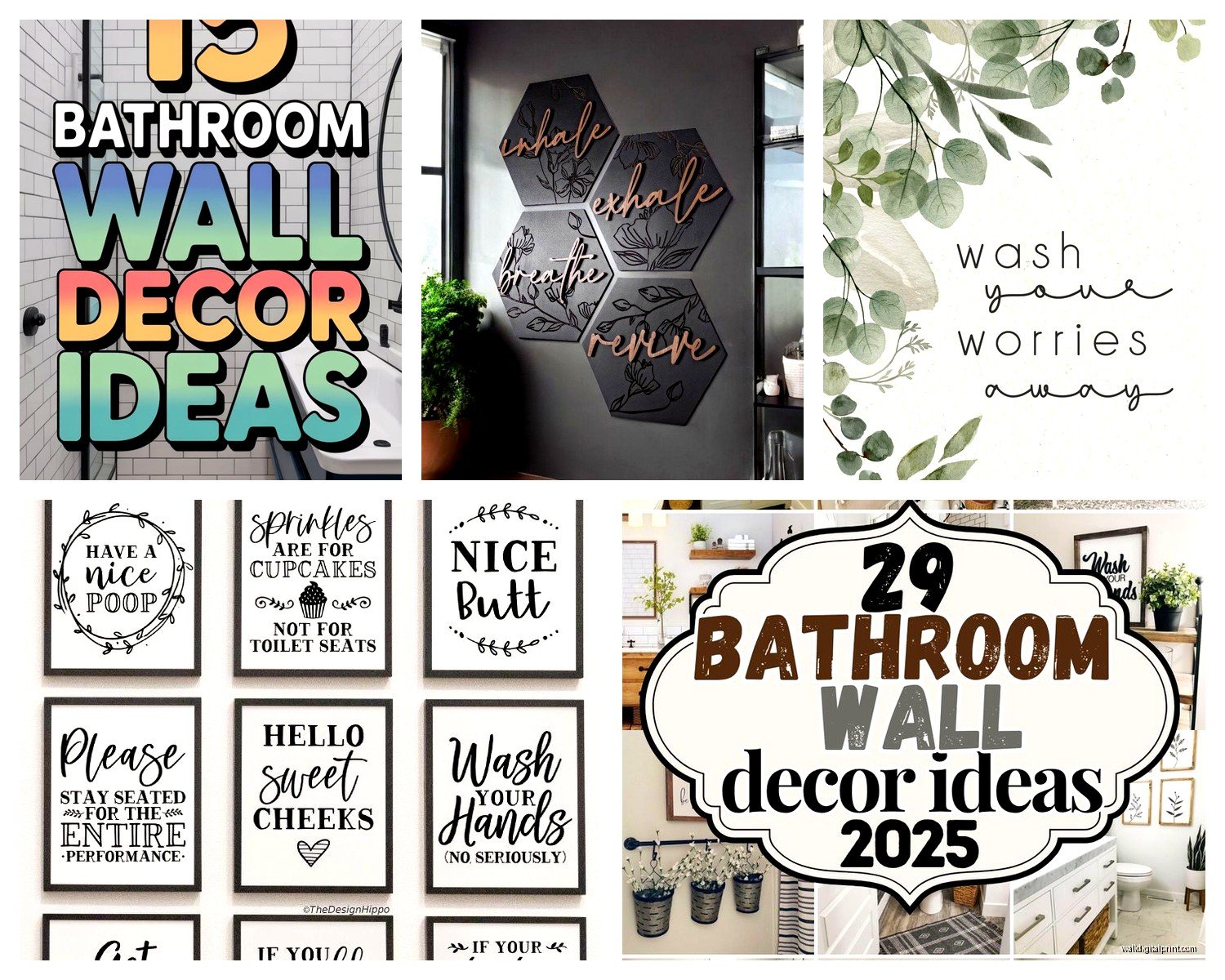
They’re lighter than you‘d think too, which matters because bathroom walls are sometimes just drywall over studs and you don’t wanna be drilling into pipes or whatever. I use the float mount hangers that come with them usually, creates this cool shadow effect.
What About Regular Prints If You Seal Them
Okay so funny story, I tried sealing regular prints with that Krylon waterproof spray and it…kinda works? But you need like 6-7 coats and you gotta do it outside because the fumes are intense. My cat kept trying to walk across them while they dried and I had little paw prints on two of them.
The better option is lamination but not the cheap kind. You need the heat-activated lamination that’s at least 10mil thick. I use this service on Etsy where they’ll laminate prints for you with archival quality materials. Costs like $15 extra per print but it actually holds up. Just make sure they seal ALL the edges because if water gets in through even a tiny gap, the whole thing bubbles.
Framing Options That Don’t Get Gross
Regular wood frames are a hard no unless they’re sealed properly. I learned this when a beautiful driftwood frame I paid way too much for started warping after three months. Now I only use:
- Powder-coated aluminum frames – these are completely rust-proof and come in actually nice finishes now, not just that builder-grade silver
- Sealed wood with marine varnish – if you’re set on wood, it needs to be treated like boat wood basically
- Plastic frames that don’t look like plastic – there are some good ones from Framebridge that have a matte finish
Oh and another thing, the backing matters more than people think. That cardboard backing that comes with cheap frames? It’s gonna absorb moisture and get moldy. You want plastic or sealed MDF at minimum. I actually remove the cardboard and replace it with foam board from the craft store, works perfectly.
The Glass Situation
So regular glass is fine if it’s sealed properly, but here’s what nobody mentions – the condensation runs DOWN the glass and pools at the bottom of the frame. That’s where mold starts. You need either:
- UV-protective acrylic instead of glass – lighter and doesn’t shatter if it falls
- Glass with a completely sealed back that has small weep holes at the bottom to let moisture escape
- No glass at all if you’re doing the lamination route
I stopped using glass entirely in my master bathroom because I got tired of wiping it down constantly. The acrylic prints just need a quick wipe like once a month and they’re good.

Canvas Prints Are Tricky
Okay so everyone wants canvas because it looks expensive and gallery-like, but in bathrooms it’s complicated. Regular canvas absorbs moisture and can develop mildew on the back where you can’t see it. BUT there are waterproof canvas options now that have a coating.
I tested three different ones last year when my client insisted on canvas in her kids’ bathroom. The Shutterfly waterproof canvas held up the best, but the colors weren’t as vibrant. The CanvasPop one looked amazing but started showing water spots after about eight months. The best one was actually from a small shop on Etsy called WaterproofCanvas or something like that, they use some kind of marine-grade coating that’s legit waterproof.
You Still Need to Prep Canvas Right Though
Even with waterproof canvas, you gotta spray the back with anti-mold spray before hanging it. I use Concrobium because it doesn’t smell like chemicals. Just spray the whole back side and let it dry completely. Also, don’t hang canvas directly against the wall – use those foam mounting squares to create like a quarter inch gap for air circulation. This was a game changer for me, seriously.
Tile and Ceramic Options
Wait I forgot to mention tile art, which is actually perfect for bathrooms because duh, it’s already made for wet environments. You can get custom ceramic tiles printed with pretty much any image now. They’re expensive though, like $80-150 per tile depending on size.
I did a set of four vintage botanical tiles in my powder room and they’re gorgeous. Completely waterproof obviously, easy to clean, and they have this cool handmade quality even though they’re digitally printed. The company I used was called StoneImpressions? Something like that. They take forever to ship though, like 4-6 weeks.
You can also do mosaic tiles to create artwork which is more involved but looks amazing. I helped a friend do a wave pattern in blue and white tiles behind her freestanding tub and it only cost like $200 in materials but took us an entire weekend. Your grout needs to be sealed properly though or it’ll get moldy and gross.
The Vinyl Decal Route
This is gonna sound weird but vinyl decals are actually one of the most practical options for bathrooms, especially if you rent. The marine-grade vinyl that boat people use is completely waterproof and you can cut it into any design.
I’ve been using Oracal 651 vinyl for bathroom projects and it sticks to anything – tiles, glass, painted walls, whatever. It comes in a million colors and you can layer them to create pretty complex designs. The catch is you need a cutting machine like a Cricut or Silhouette, or you gotta buy pre-cut designs which limits your options.
My sister has a big palm leaf design in vinyl on her bathroom wall that’s been there for three years and still looks perfect. She just wipes it down with the rest of the wall. Cost her like $15 in materials.
What About Actual Paint and Murals
If you’re artistic or know someone who is, waterproof paint is totally a thing. You need to use either:
- Exterior acrylic paint – yeah the stuff for outside, it’s made to handle moisture
- Pool paint – literally the paint they use in swimming pools, comes in limited colors but indestructible
- Regular acrylic paint sealed with marine varnish – more color options but extra steps
I painted a simple geometric design in my half bath using exterior paint and it’s held up for two years with zero issues. The key is prepping the wall properly – you need a mold-resistant primer first, then your design, then at least two coats of water-based polyurethane on top. It’s a weekend project but worth it if you want something totally custom.
Hanging Systems That Won’t Fail
Okay so this is important – regular picture hanging strips don’t work in humid bathrooms. The adhesive fails after a few months and your art crashes down at 3am and scares the crap out of you. Ask me how I know.
What works:
- Outdoor Command strips – they make a heavy-duty outdoor version that handles moisture way better
- French cleats for heavier pieces – these are foolproof and the humidity doesn’t affect them
- Actual screws into studs with wall anchors – old school but reliable
- Museum putty for small lightweight stuff – that sticky putty that museums use, works great on tile
I stopped trusting adhesive strips entirely after losing a $200 metal print. Now I just drill into studs like a normal person. Use a stud finder, mark your spot, predrill the hole so you don’t crack anything. Takes five extra minutes but your art stays put.
Size and Placement Strategy
Something I’ve figured out through trial and error – smaller pieces work better in bathrooms than one giant statement piece. The humidity affects larger pieces more because there’s more surface area for moisture to seep into edges and seams.
I usually do galleries of 4-6 smaller pieces (like 8×10 or 11×14) instead of one big piece. Plus it’s easier to replace one if something goes wrong. And if you’re doing a gallery wall, leave more space between pieces than you would in other rooms – like 4-5 inches instead of 2-3. Lets air circulate better.
Keep everything at least 2 feet away from direct shower spray. Above the toilet is the safest zone, then the wall opposite the shower, then adjacent to the shower. Directly next to or behind the showerhead? Just don’t unless you’re using tile or metal prints.
Maintenance Nobody Talks About
Even waterproof art needs maintenance in bathrooms, which surprised me at first. You gotta:
- Wipe down weekly with a dry microfiber cloth to prevent water spot buildup
- Check the edges and backs monthly for any signs of moisture or mold
- Run your bathroom fan for at least 30 minutes after showers – this matters more than anything else honestly
- Deep clean with appropriate cleaners quarterly – glass cleaner for acrylic, damp cloth for metal, etc.
I set a reminder on my phone because otherwise I forget and then suddenly there’s a weird smell and I realize something’s growing behind a frame. Gross but true.
Budget-Friendly Options That Actually Work
If you don’t wanna spend a fortune, here’s what I recommend: Get regular prints you love, have them laminated at a print shop (costs like $10-15), then mount them directly to foam board with spray adhesive. No frame needed, totally waterproof, and you can replace them whenever you want for cheap.
I did this in my kids’ bathroom with vintage sea creature illustrations from an old book I scanned. Total cost was maybe $40 for six prints and they’ve been up for over a year looking great. When my daughter inevitably decides she hates them, I’m out forty bucks instead of four hundred.
Another cheap option is engineering prints – those giant black and white prints architects use. They’re printed on water-resistant paper and cost like $3 for a huge 24×36 print. Have them laminated and you’ve got massive affordable art. The quality isn’t amazing up close but from normal viewing distance they look fine.
What Definitely Doesn’t Work
Let me save you some money and heartbreak. These things failed for me:
- Watercolor paintings, even framed – the paper just absorbs humidity through the frame somehow
- Fabric wall hangings – they get musty even with antimicrobial treatment
- Cork boards – mold city, learned that fast
- Regular paper prints in cheap frames – warped within weeks
- Anything with exposed wood edges – swells and looks terrible
- Mirrors without sealed backs – moisture gets behind them and creates black spots
Also those peel-and-stick wallpaper panels? They bubble and peel in bathrooms unless you get the specifically bathroom-rated ones which are way more expensive. Regular wallpaper is just asking for problems.
Oh and one more thing – scented items like those wooden signs with essential oils or whatever? The moisture amplifies the smell in a weird way and my bathroom smelled like eucalyptus had a fight with mildew. Not pleasant.
Honestly the key to bathroom art is just accepting that it’s a high-moisture environment and planning accordingly. Spend a bit more upfront on proper materials or spend time doing the DIY waterproofing, and your art will actually last. Otherwise you’re just gonna be replacing stuff every year and that gets expensive fast. I’ve probably wasted $500 learning all this the hard way so hopefully you can skip that part.
