Wall Art Guide, Wall Art Tutoriels
Metal Wall Art for Living Room: Modern Sculptures
Apr
So I’ve been completely obsessed with metal wall art lately and honestly it started because I hung this geometric brass piece in my living room last month and now every client wants something similar. Let me just dump everything I know about choosing and working with metal sculptures for your walls because I’ve made some expensive mistakes you can totally avoid.
The Different Metal Types and What They Actually Mean
Okay so first thing – not all metal art is created equal and the material matters way more than I initially thought. Steel is probably what you’ll see most often, especially powder-coated steel which is basically steel with this baked-on finish that protects it. I have a matte black steel piece above my couch that’s been there two years and still looks perfect, no rust or anything. But raw steel? That’s gonna oxidize unless you’re into that industrial rusty look, which some people are.
Brass and copper are where things get interesting because they develop this patina over time. I hung a copper sunburst in my entryway and it’s slowly turning this gorgeous greenish color. My mom hates it but I think it adds character? You gotta be okay with change though. If you want it to stay shiny you’ll be polishing it like every month.
Aluminum is super lightweight which sounds boring but wait – if you’re renting or have plaster walls, this is your friend. I installed this massive 4-foot aluminum abstract piece in a client’s apartment and we only needed basic drywall anchors. With steel we would’ve needed to find studs or use serious hardware.
Stainless steel is the fancy option, doesn’t tarnish or rust at all. I curated a show last year with these mirror-finish stainless pieces and they were stunning but honestly showed every fingerprint and smudge. High maintenance.
Sizing is Weird and Everyone Gets it Wrong
Here’s where I messed up initially – I bought this delicate little metal tree sculpture thinking it would look elegant above my media console. It looked like a postage stamp. The general rule I follow now is your wall art should take up about two-thirds to three-quarters of the furniture width below it. So if your couch is 90 inches, you’re looking at 60-70 inches of art width minimum.
But with metal sculptures you can cheat this a bit because they have more visual weight than like a watercolor painting. The negative space and shadows count toward the overall impact. I have a piece that’s technically only 48 inches wide but the shadows it casts make it feel much larger.
Height-wise, the center of your sculpture should be at eye level, which is usually 57-60 inches from the floor. But in living rooms where people are sitting a lot, I actually go slightly lower, maybe 54-56 inches. Makes it more visible when you’re on the couch.
Styles That Actually Work in Real Living Rooms
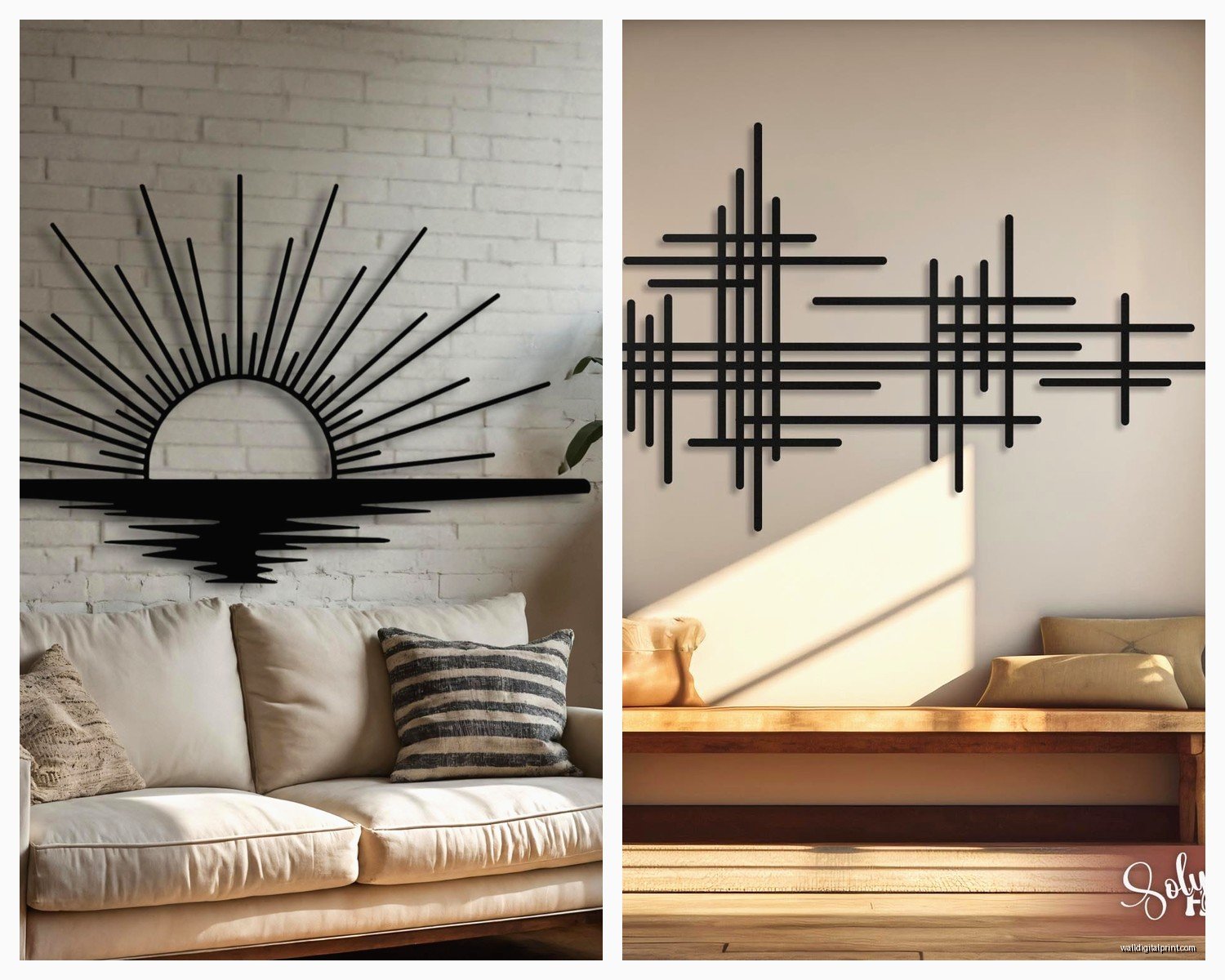
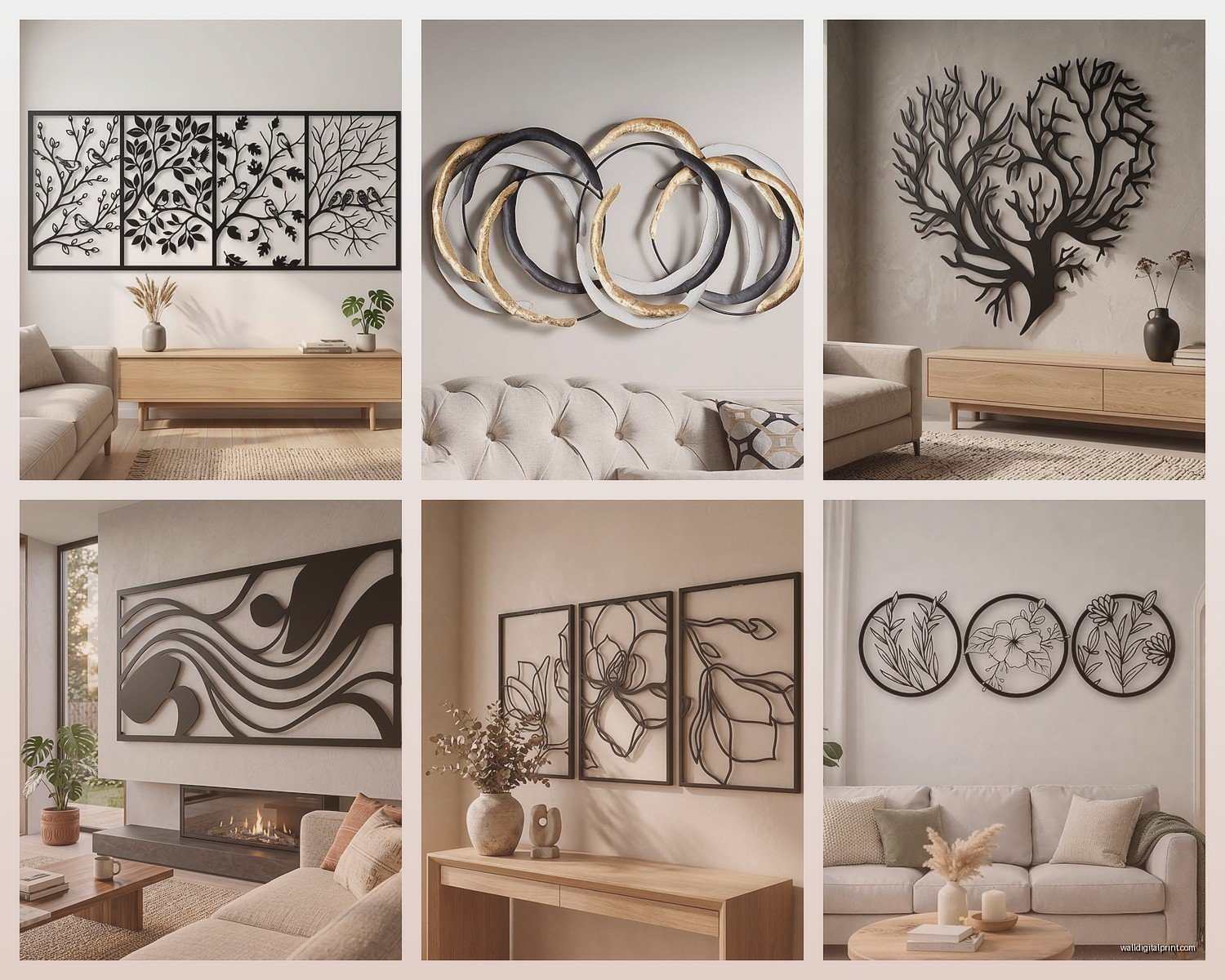
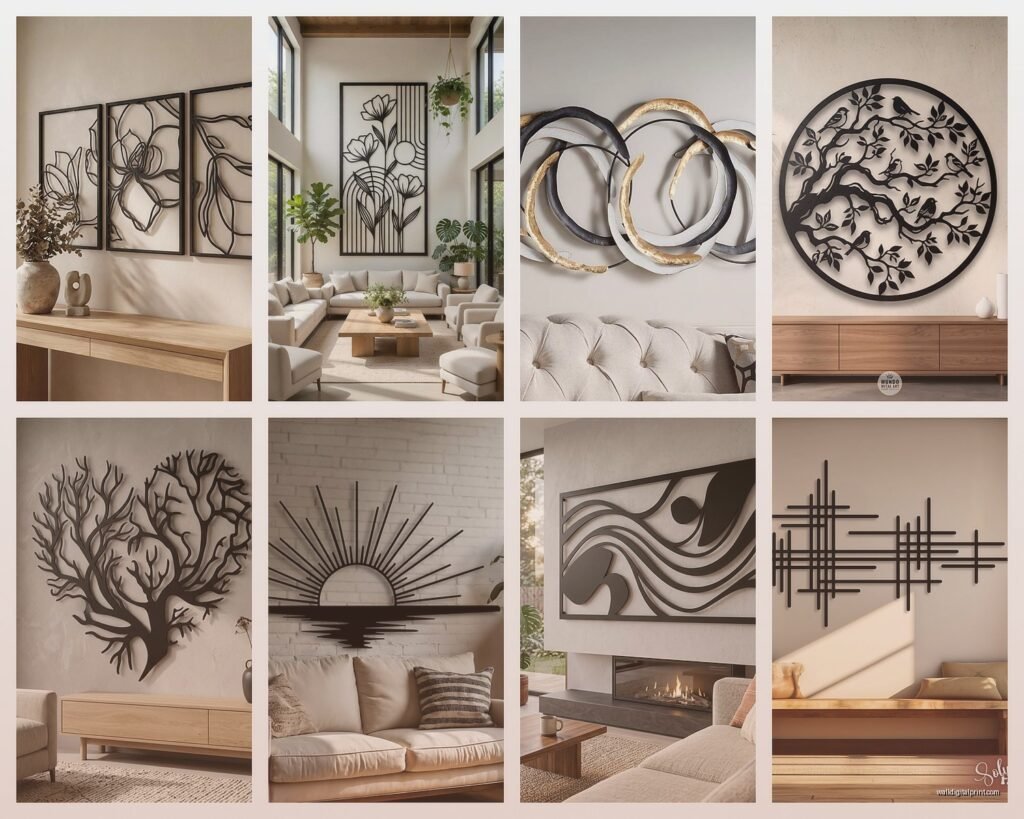
Geometric and abstract pieces are having a huge moment right now. I’m talking overlapping circles, angular lines, that whole mid-century modern revival thing. These work really well if your space is minimalist or contemporary. I installed three separate geometric panels in a client’s living room last week – they were meant to be a set but we spaced them out across the wall and it looked way better than hanging them together.
Nature-inspired metal art is another big category. Trees, leaves, birds, all that. I was skeptical about these because they can read really dated, like 2008 Pier 1 vibes, but the modern versions are more stylized and abstract. There’s this metal branch sculpture I keep seeing that’s just clean lines suggesting a tree rather than trying to be realistic. That’s the key – abstraction over literal representation.
Oh and another thing – the whole “metal world map” trend. I have mixed feelings. They’re cool if you travel a lot and it means something to you, but I’ve seen them in so many living rooms now that they’re losing impact. If you go this route, at least get one with an interesting finish or unusual projection.
Dimensional pieces that pop off the wall are where metal really shines compared to canvas art. The shadows change throughout the day as light shifts and it’s like having different art at different times. I have this layered metal abstract above my fireplace and in morning light it looks completely different than evening.
Finishes and Colors You’ll Actually Find
Matte black is everywhere and for good reason – it works with literally any color scheme. Doesn’t compete with your other decor. I probably spec matte black metal art for 60% of my projects because it’s foolproof.
Metallic finishes like gold, brass, copper, bronze are trickier. They need to coordinate with your hardware and light fixtures otherwise it looks confused. If you have brushed nickel door handles, a brass wall sculpture might clash. I learned this the hard way in my dining room – had to swap out all my cabinet pulls because I fell in love with a copper piece.
Painted metal opens up all the color options but make sure it’s powder-coated or properly sealed. I bought this turquoise painted steel piece from an Etsy seller once and the paint started chipping after like six months. Powder coating is baked on so it’s much more durable.
Raw metal with clear coat is having a moment in industrial and rustic spaces. That natural steel gray color with visible welding marks. Very “I live in a converted warehouse” energy even if you don’t.
Where to Actually Buy This Stuff
So I’ve bought metal wall art from probably two dozen different sources at this point. West Elm and CB2 have decent modern options, usually in the $200-500 range for medium-sized pieces. Quality is pretty consistent and you can return stuff easily which matters a lot with wall art since seeing it in person is so different from online photos.
Etsy is a goldmine but you gotta be careful. I’ve gotten custom pieces from small metal artists that are absolutely stunning and completely unique. But I’ve also received stuff that looked nothing like the photos. Always read reviews thoroughly and message the seller with questions about dimensions and finish. A lot of these artists will do custom sizes which is amazing if you have a weird wall space.
Local art fairs and galleries – this is actually where I find the most interesting pieces now. Yeah it’s more expensive but you’re getting actual art, not mass-produced decor. I bought this abstract steel piece from an artist at an outdoor market last summer and every single person who comes to my house asks about it.
Wayfair and Overstock have huge selections and cheap prices but it’s really hit or miss on quality. I’d say 1 out of every 3 pieces I’ve ordered from these sites has gone back. The photos make everything look substantial but sometimes you get it and it’s flimsy or the finish is cheap-looking.
Target actually has some surprisingly good metal wall art in their Threshold and Project 62 lines. Nothing groundbreaking but solid basics if you’re on a budget. I furnished an entire rental property living room with their stuff and it looks totally fine.
The Installation Part Nobody Warns You About
Okay so funny story – I nearly dropped a 30-pound steel sculpture on my foot because I underestimated how heavy these things are. Metal art is HEAVY. You cannot use those little picture hanging strips. I mean you can for tiny pieces but anything substantial needs real hardware.
For pieces under 10 pounds on drywall, regular picture hangers with nails work fine. Between 10-25 pounds you want to use drywall anchors, the plastic ones that expand behind the wall. Over 25 pounds you really should find a stud or use toggle bolts. I use a stud finder religiously now after having a piece fall at 2am and nearly giving me a heart attack.
Most metal wall sculptures come with D-rings or sawtooth hangers on the back. D-rings are way more secure in my experience. Sawtooth hangers are fine for lightweight stuff but they can slide around and aren’t great for heavy pieces.
The other thing is weight distribution – some metal art is heavier on one side because of the design. You might need two hanging points to keep it level. I have this asymmetrical piece that kept tilting no matter what I did until I added a second anchor point.
Wire hanging systems are actually pretty great for heavy metal art. You install a rail at the top of your wall and hang pieces from adjustable wires. Makes it super easy to reposition things and the weight capacity is much higher. I installed these in my own living room after getting tired of filling nail holes every time I wanted to change things up.
Mixing Metal Art with Your Existing Stuff
So you probably already have some art on your walls and you’re wondering if metal sculptures will look weird next to your canvas paintings or framed prints. Short answer is it usually works fine if you’re thoughtful about it.
I like doing gallery walls that mix metal pieces with framed art. The dimensional quality of the metal adds interest to an otherwise flat wall. Just make sure there’s some visual connection – similar colors, complementary styles, or a unifying theme. I did a gallery wall in my hallway with black and white photos mixed with matte black metal geometric pieces and it looks cohesive because of the limited color palette.
Metal art can also balance out a lot of soft textures in a room. If you have a very cozy living room with plush furniture, throws, pillows, all that soft stuff – a metal sculpture adds some edge and keeps it from feeling too precious. My living room is full of velvet and linen and the metal art prevents it from looking like a bed and breakfast.
One thing to avoid is mixing too many different metal finishes in the same room. Like if you have brass metal art, copper candle holders, and silver picture frames all visible at once… it’s a lot. Stick to one or two metal tones per room.
Maintenance is Actually Pretty Easy
Most metal wall art requires almost zero maintenance which is honestly one of the best things about it. I dust mine maybe once a month with a microfiber cloth. That’s it.
If you have a piece that’s developing patina and you want to slow it down, you can apply Renaissance Wax which is what museums use. I do this on my brass pieces that I want to keep shiny. Takes like five minutes every few months.
For painted or powder-coated pieces, just don’t use harsh chemicals on them. Soap and water if they get dirty, which rarely happens since they’re on your wall not in high-traffic areas.
The one maintenance issue I’ve encountered is with pieces that have small protruding parts – they can catch dust and cobwebs. I have a tree sculpture with lots of tiny branches and I have to get in there with a duster more often than my other pieces. Just something to consider if you hate dusting.
Lighting Makes or Breaks Metal Art
This is gonna sound extra but lighting is honestly the most important factor in how your metal wall art looks. The whole point of dimensional metal work is the shadows and highlights, and without good lighting it just falls flat.
I always use picture lights or track lighting aimed at metal sculptures if possible. Even a nearby floor lamp angled toward the piece makes a huge difference. Natural light is great too – I have a metal abstract near a window and the changing light throughout the day is mesmerizing.
Backlighting can be really cool with certain pieces, especially ones with cutouts or openings. I’ve seen metal art mounted on a small standoff from the wall with LED strips behind it and the effect is dramatic. Maybe too dramatic for some people but I love it.
Avoid mounting metal art where it’ll get harsh direct sunlight all day because some finishes can fade or heat up. I made this mistake with a painted piece and the color dulled noticeably after a year.
Custom vs Mass Produced
I go back and forth on this constantly. Custom metal art from local artists or Etsy makers usually costs 2-3 times more than mass-produced stuff but it’s actually art, you know? It’s unique and often better quality.
That said I have plenty of mass-produced metal wall art in my house and my client projects. If you find something you love from West Elm and it fits your budget and style, there’s absolutely nothing wrong with that. Not everything has to be precious and one-of-a-kind.
The middle ground is semi-custom where you work with a seller who makes pieces to order but from their existing designs. You might be able to choose size, finish, or minor design elements. This is actually my sweet spot – you get some personalization without full custom pricing.
Wait I forgot to mention – if you’re buying custom, get really specific about dimensions and finish in writing before they start making it. I’ve had miscommunications where I thought I was getting brushed steel and got shiny polished steel instead. Clarify everything upfront.
Trends I’m Seeing Right Now
Oversized single statement pieces rather than gallery walls of smaller items. People want that one dramatic focal point. I’m doing this more and more in my projects.
Mixed materials like metal combined with wood, acrylic, or stone. There’s this cool metal and wood mountain range piece I keep seeing variations of.
Textured metal rather than flat cut-outs. Hammered finishes, corrugated surfaces, layered pieces with depth. The texture catches light in interesting ways.
Minimalist line drawings in metal – like continuous line art but made from bent metal wire or rod. Very modern and graphic.
Honestly the biggest thing is just that people are getting bolder with scale and installation. I’m mounting pieces in unexpected places, going bigger than feels comfortable, mixing styles. Metal wall art has moved beyond being just safe decorative filler and that’s pretty exciting.
Okay I think that’s everything swimming around in my head about metal wall art. My dog is giving me looks because I’ve been typing instead of taking her out so I should probably go deal with that.