
Wall Art Guide, Wall Art Tutoriels
Wall Art for Living Room Nearby: Local Shopping Guide

May
So I’ve been helping people find wall art locally for years now and honestly the whole “nearby” shopping thing is actually way better than ordering online for this stuff, and here’s why – you can see the actual colors, the texture matters SO much more than you think, and also you’re not gonna end up with something that looks totally different than the screen showed you.
Start With Your Actual Furniture Colors
Okay so before you even leave your house, take pics of your living room in different lighting. Like morning light, afternoon, evening with lamps on. I cannot stress this enough because I once bought this gorgeous teal abstract piece and got it home and it clashed horribly with my couch which I thought was gray but is actually greige with blue undertones and the whole thing was a disaster.
Bring fabric swatches if you have them. I keep samples from my couch pillows in my purse which sounds extra but it’s saved me multiple times. Paint chips too if you recently painted.
Where to Actually Look Locally
The obvious places aren’t always the best ones, just gonna say that upfront.
Local Art Galleries and Co-ops
These are goldmines but you gotta approach them differently. The smaller galleries usually have emerging artists whose prices are actually reasonable – like $200-$800 range instead of thousands. I found this amazing landscape piece at a co-op gallery for $350 that looks like it should cost way more.
Here’s the thing though – don’t be intimidated by gallery people. Some of them have that vibe where you feel like you’re not supposed to touch anything or breathe too loud, but most artists actually want to sell their work and are super normal if you just ask questions. I literally ask “what’s your price range” right away now because wasting time is worse than being direct.
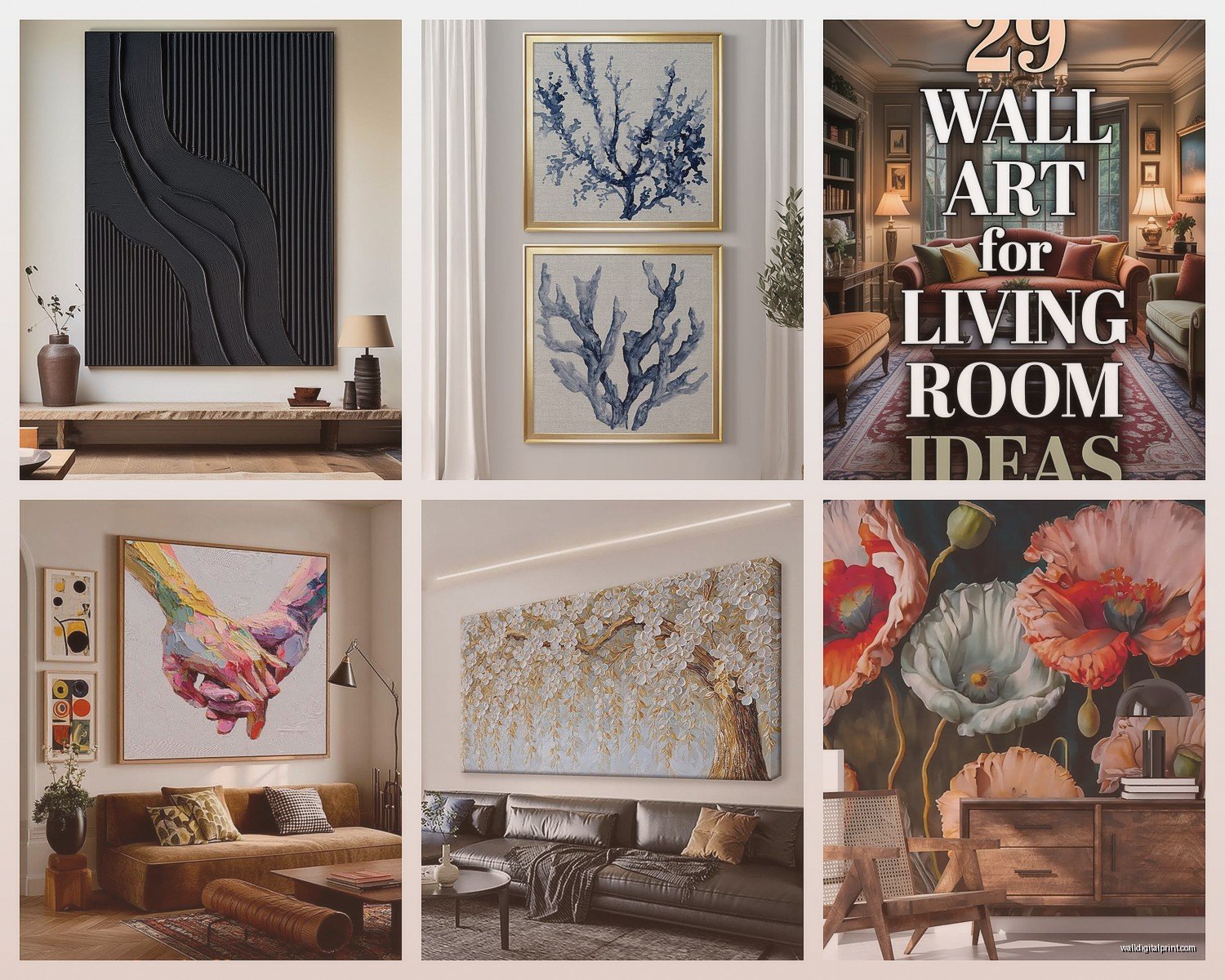
Oh and another thing, galleries often do rotating shows monthly, so if you don’t see anything you love, ask when the next opening is. I’ve gotten on mailing lists for like five galleries in my area and just pop in when new stuff arrives.
Antique Stores and Vintage Markets
This is gonna sound weird but antique stores have become one of my favorite spots for affordable art. Not the fancy antique galleries, I mean the cluttered ones with stuff everywhere. You can find original paintings from unknown artists for like $40-$150, and vintage prints that have actual character.
I found a set of three botanical prints from the 1960s for $75 total at this dusty antique mall, got them professionally framed for another $200, and they look incredible. Everyone thinks they’re expensive.
Pro tip: look in the back corners and ask if they have more art in storage. Dealers don’t always put everything out.
Home Decor Stores
Okay so places like HomeGoods, TJ Maxx, Marshalls – their art selection is hit or miss but when it hits, it HITS. You gotta go frequently though because the good stuff moves fast. I stop by every two weeks basically and probably only find something worth considering once every couple months.
The frames are usually decent quality at these places which is a huge plus. West Elm and Crate & Barrel have art too but it’s pricier, though they do sales pretty regularly. I got a massive abstract canvas from West Elm for 40% off during a summer sale.
Anthropologie has interesting art but it’s expensive for what it is. Sometimes worth it for a statement piece though.
Local Artists’ Studios
If your area has studio buildings or art districts, this is where you can get original work at better prices than galleries. Artists usually sell direct for less because there’s no gallery commission. Plus you can sometimes commission custom sizes which is amazing for weird wall spaces.
I worked with a local artist to get a piece that was the exact dimensions I needed for above my client’s sectional – couldn’t have done that with mass-produced stuff. Cost about the same as buying something ready-made from a gallery.
Craft Fairs and Art Walks
These happen seasonally but they’re worth checking out. Quality varies wildly – you’ll see a lot of the same vendors doing the circuit with mediocre stuff, but then you’ll find someone amazing who’s just starting out.

I’ve noticed photographers often sell prints at these events for reasonable prices. Got a black and white cityscape print for $85 including the frame at an outdoor market last spring.
What to Actually Look For
Size is the thing everyone gets wrong. People buy art that’s too small like 90% of the time. Your sofa is probably 7-8 feet long, so you want art that’s at least 2/3 that width. So like 4-5 feet wide minimum, or a gallery wall arrangement that fills that space.
Or you can do the three-panel thing where each piece is smaller but together they create a large statement. I actually prefer this sometimes because it’s easier to transport and you can rearrange them if you get bored.
Color Matching vs Complementing
You don’t want art that exactly matches your room – this is a trap everyone falls into. If your living room is gray and white, don’t get gray and white art. It’ll disappear into the space. You want something that pulls in accent colors or introduces a new color that works with what you have.
Like my living room is mostly neutrals with rust-colored pillows, so I got art with rust tones but also navy and cream which weren’t in the room before. Now the whole space feels more layered.
Bring those fabric swatches I mentioned and hold them up against potential art pieces. The lighting in stores is weird – usually either too bright or too dim – so this helps you see if colors actually work together.
Frame Quality Matters More Than You Think
A cheap print in an expensive frame looks better than expensive art in a cheap frame, I’ve learned this the hard way. If you find art you love but the frame is terrible, ask if they’ll sell it without the frame or price it lower.
Then take it to a local frame shop. Yes it costs more upfront but it’s worth it. Michael’s and Hobby Lobby do framing too and they always have 50% off coupons which makes it more affordable. Wait I forgot to mention – never pay full price at those stores, literally just Google “[store name] coupon” before you go.
The Actual Shopping Process
So when I’m shopping for wall art locally, I usually block out like 3-4 hours and hit multiple places in one trip. Bring a measuring tape because eyeballing sizes is impossible. I measure the wall space, write it on my phone, and then measure every piece I’m considering.
Take photos of everything you like with the price tag visible. Then you can compare later at home with your actual space. I use this trick where I AirDrop the photos to my laptop and literally hold my laptop up to the wall to see how the art might look – sounds ridiculous but it works better than trying to visualize it.
Negotiating Prices
This is gonna sound intimidating but you can negotiate at a lot of places. Not big chain stores obviously, but galleries, antique shops, and directly with artists. I usually ask “is this your best price?” or “any flexibility on this?” Super casual.
At galleries, they might not budge on newer artists but older inventory they’re more willing to discount. End of month is a good time because dealers have quotas sometimes.
Buying multiple pieces helps too. I got 15% off when I bought two paintings from the same artist at a gallery because they wanted to move inventory.
What I Avoid
Those “live laugh love” type pieces and the generic inspirational quotes. Just no. Also be careful with super trendy stuff – like a few years ago everyone had that dandelion canvas and now it’s dated.
Really cheap canvas prints where you can see the pixelation or the canvas texture is weird. They look okay in stores but terrible on your wall.
Art that’s too literal for the space – like beach scenes in a living room can work but not if it’s like a super photographic sunset with palm trees unless your whole house has that coastal vibe. Abstract or semi-abstract tends to be more versatile.
The Transportation Thing
This is practical but important – measure your car before you shop. I cannot tell you how many times I’ve found perfect art and then couldn’t fit it in my SUV. Most places will hold items for 24 hours if you need to come back with a bigger vehicle or borrow someone’s truck.
Some local galleries deliver for a fee which might be worth it for large pieces. Usually like $50-$100 depending on distance.
My Favorite Combination Strategy
What I do now after years of trial and error is mix sources. Like I’ll get one large original or high-quality print from a gallery as the statement piece – this is where I spend real money, like $400-$800. Then I fill in around it with more affordable pieces from vintage shops, artist studios, or even nice prints from home decor stores.
The variety in sources actually makes the overall look more interesting. Everything matching too perfectly feels staged and boring.
Oh and I layer art sometimes – like a large piece with a smaller piece leaning in front of it on a console table. Adds depth and you can change it up easily.
Seasonal Shopping Timing
January and July are the best times to find deals because stores are clearing out inventory. Art galleries often have sales in summer when fewer people are shopping. Antique stores are pretty consistent year-round but you might find better prices at outdoor markets in fall when vendors are trying to sell out before winter.
Estate sales are another option I forgot to mention earlier – you can find original art for nothing sometimes. My cat knocked over a vase while I was writing this sorry, where was I… right, estate sales. Check local listings on weekends.
Questions to Ask
When you’re looking at art locally, actually talk to the seller or gallery person. Ask about the artist, the medium, how it was created. This helps you understand what you’re paying for and also whether you actually connect with the piece.
Ask about return policies too because some places let you do trial periods where you can take it home and return it if it doesn’t work. Galleries sometimes do this for serious buyers.
And ask about care instructions especially for original paintings. Some need special cleaning or shouldn’t be in direct sunlight.
The Final Decision
If you’re torn between pieces, sit with the decision overnight. I’ve found that the art I’m still thinking about the next day is usually the right choice. The stuff that seemed okay in the store but you forget about immediately probably isn’t worth it.
Also trust your gut on whether something feels too expensive. If you’re gonna resent the price every time you look at it, that’s not the right piece regardless of how beautiful it is. There’s always more art out there.
Sometimes I take a month or two to find the right piece and that’s totally fine. Better than rushing and ending up with something you don’t love. Your walls can be empty for a bit while you search – I know everyone wants their space finished immediately but living with it helps you figure out what you actually want anyway.
