Wall Art Guide, Wall Art Tutoriels
Etsy Wood Wall Art: Handmade Carved Natural Marketplace
May
So I’ve been down this Etsy wood wall art rabbit hole for like three months now and honestly it started because a client wanted something “natural but not basic” for their living room and I was like okay, challenge accepted. But then I got obsessed because there’s SO much stuff on there and some of it is genuinely gorgeous and some is… well, you’ll see what I mean.
What You’re Actually Looking At
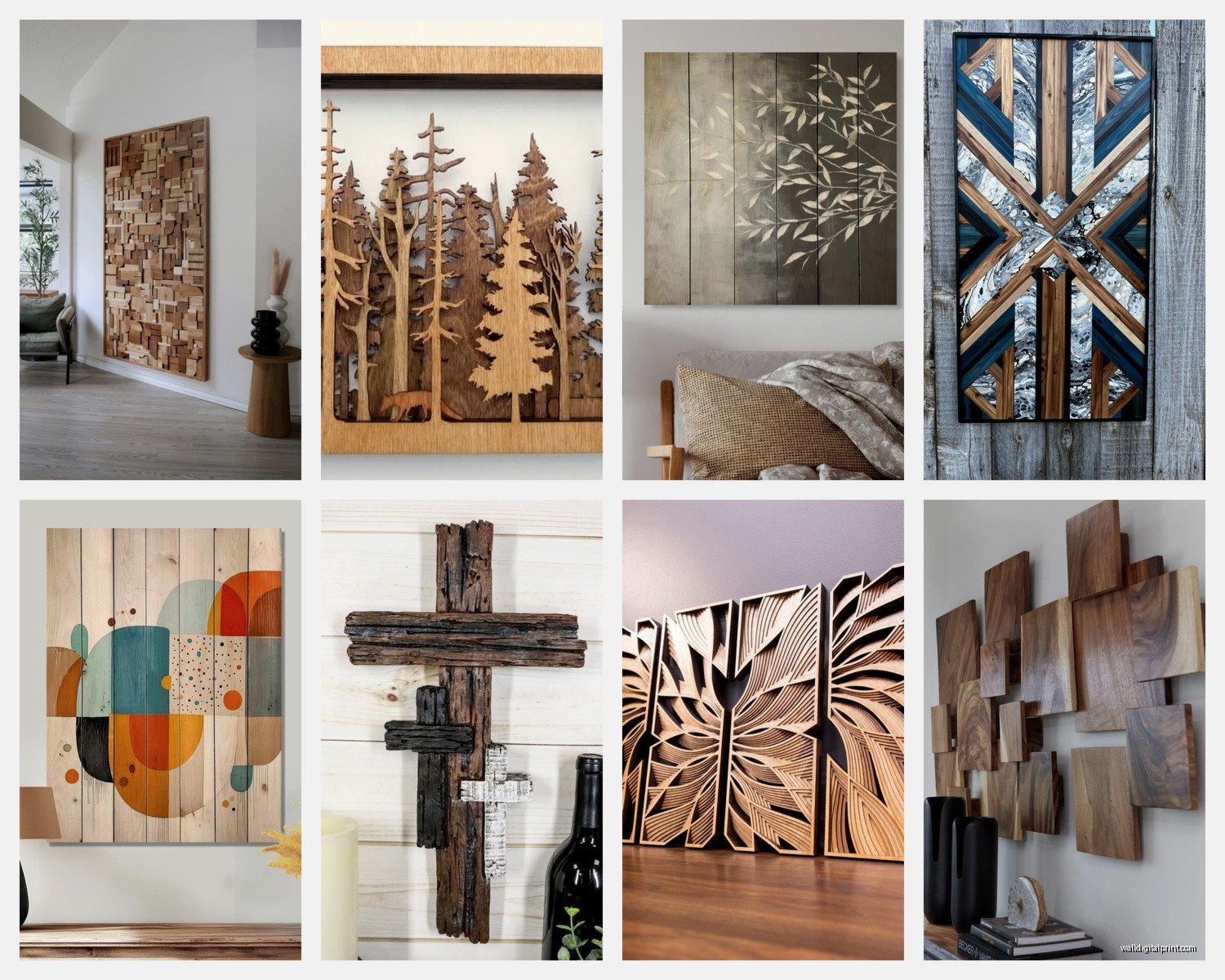
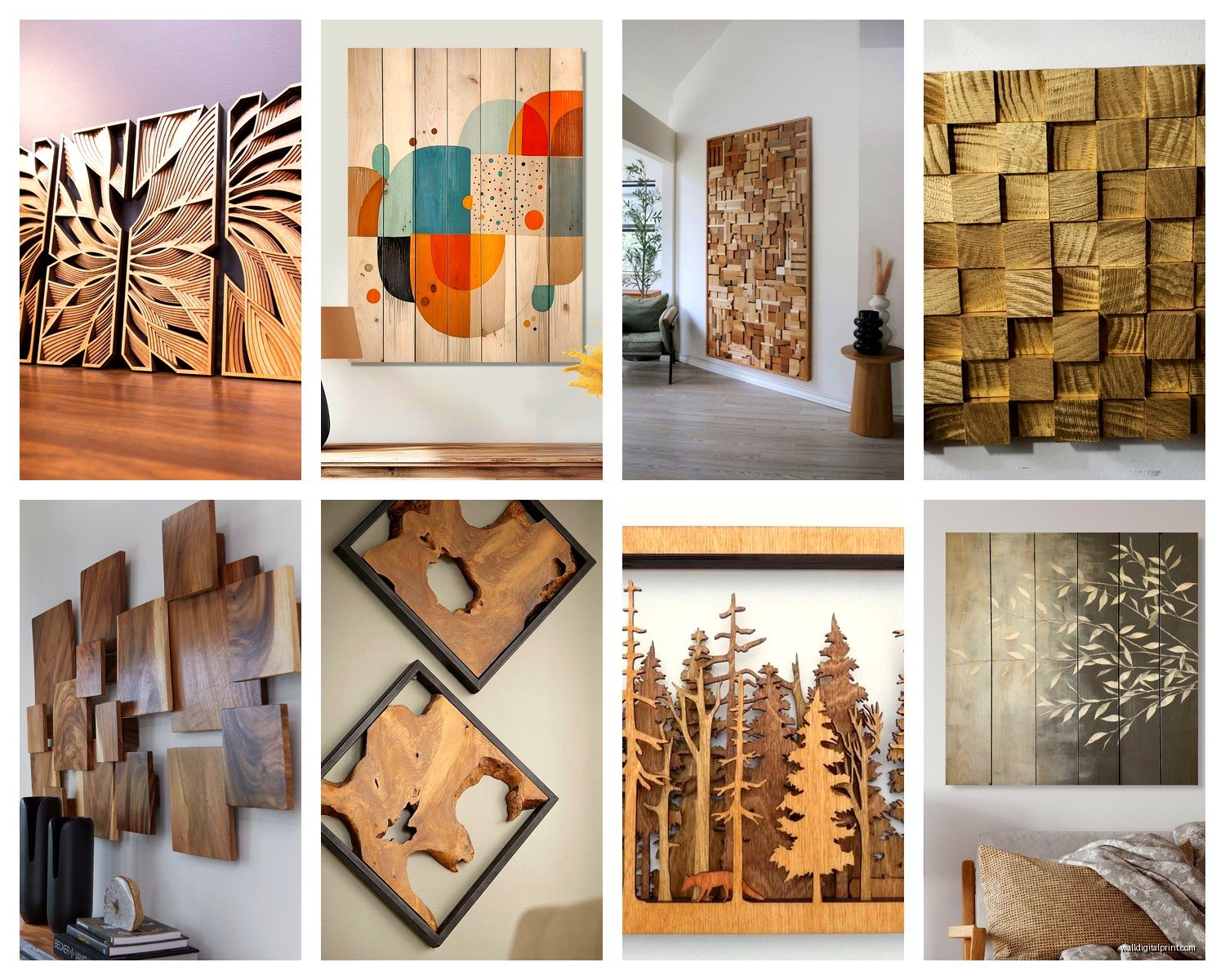
The thing about Etsy wood art is it’s not just like, one style. You’ve got your geometric mountain ranges (very 2019 but still popular), your mandala circles that look intricate as hell, abstract waves that honestly remind me of those topographic maps, and then the really wild sculptural pieces that are basically 3D art. The carved stuff especially – that’s where you see the handmade quality really shine through because machine-cut pieces have this perfect uniformness that’s honestly kinda boring once you know what to look for.
I spent way too long one night comparing shops – my dog was giving me judgmental looks at like 11pm – and realized the price ranges are ALL over the place. You can find something for $45 or drop $800 on a massive statement piece. The difference is usually size, wood type, and how much actual hand-carving versus CNC routing was involved.
Woods That Actually Matter
Okay so this is gonna sound weird but the wood type changes everything about how a piece looks in your space. Walnut is dark and moody, great for modern spaces but it can make a small room feel smaller. I learned this the hard way in a client’s apartment. Maple and birch are lighter, more Scandi-vibes, and they reflect light better so they work in darker rooms.
Then there’s reclaimed wood which everyone loves to mention in their listings but like… sometimes it’s actually just old barn wood and sometimes it’s “reclaimed” from Home Depot last week, you know? The real reclaimed stuff has character marks, nail holes, weathering that makes each piece totally unique. I got this one piece from a shop called something like WoodWorkersStudio or similar and you could see where hinges used to be attached and it was just *chefs kiss*.
Pine is cheaper and honestly fine for budget pieces but it dents easier. Oak is sturdy but can look traditional-stuffy if the design isn’t modern enough. Cherry darkens over time which is cool if you want that patina effect but annoying if you’re trying to match existing furniture.
Reading Between The Listing Lines
Here’s what I look for in descriptions because sellers won’t always spell it out clearly:
- Does it say “hand-carved” or just “carved” – CNC machines carve too
- Finish type matters – polyurethane is durable but can look plasticky, natural oils let the wood breathe and age better
- Hanging hardware included or nah because buying keyhole hangers separately is annoying
- Made to order versus in stock – MTO usually means 2-4 weeks wait minimum
- Customization options which are great but add time and cost
Also check if they show the BACK of the piece in photos. Good shops do this because it shows build quality and how it’ll actually mount on your wall.
Size Is Where Everyone Messes Up
I cannot tell you how many times people order something thinking it’ll be a statement piece and it shows up and it’s like… a large placemat. The photos on Etsy are deceiving because there’s no scale reference half the time.
My rule: for over a sofa or bed, you want something that’s at least 2/3 the width of the furniture. So a queen bed is 60 inches wide, your wall art should be 40+ inches minimum. Otherwise it looks like it’s floating in space trying to be significant but failing.
For smaller walls like a bathroom or entryway, you can go smaller obviously but I’d still aim for 24 inches minimum in one direction. Those tiny 12×12 pieces get lost unless you’re doing a gallery wall situation.
Oh and another thing – measure your ceiling height. Standard 8-foot ceilings can handle most pieces but if you’ve got 10+ foot ceilings like some older homes, you need something with vertical presence or it’ll look dinky. I saw this amazing 5-foot tall geometric piece once that would’ve been perfect for a high-ceiling space but totally overwhelming in a standard room.
Styles That Actually Work In Real Rooms
The mountain range silhouettes are still everywhere and honestly they’re safe choices. They work in living rooms, bedrooms, offices. Pretty neutral. But they’re also kinda played out? Like everyone and their brother has one now.
What I’m seeing work better lately are the abstract geometric patterns – hexagons, triangles, layered shapes that create depth. These look expensive even when they’re not and they work with multiple decor styles. I put one in a client’s mid-century modern living room and another in someone’s farmhouse bedroom and both worked.
Mandala designs are tricky because they can read very bohemian-spiritual and if that’s not your vibe it’ll feel off. But in the right space – like a meditation corner or a bedroom with lots of natural textures – they’re stunning.
The wave/topographic style pieces are having a moment. They’re made from layered wood strips that create this 3D ripple effect. Super cool in person, photographs don’t do them justice. Great for coastal themes obviously but also just modern organic spaces.
What To Skip
Those live edge slabs with just resin poured in the cracks – I’m over it. It was cool in like 2017. Now it feels dated unless it’s done in a really unique way.
Also the super rustic stuff with metal accents trying to be industrial farmhouse… that trend is dying. Unless you’re fully committed to that aesthetic everywhere else in your room, it’ll look weird in three years.
Word art. Just no. “Gather” and “Blessed” and whatever – it’s too specific and limiting. You’re gonna get sick of reading the same word every day.
Actually Buying The Thing
Okay so when you find something you like, don’t just add to cart immediately. Check the shop’s other listings first because sometimes they have similar pieces in different sizes or finishes and you might find something you like even better.
Read recent reviews with photos if possible. Etsy reviews are usually honest because people paid real money. Look for comments about:
- Packaging quality – damaged pieces are the worst
- Color accuracy – wood looks different in photos versus real life
- Size accuracy – does it match the dimensions listed
- Communication with seller if there were issues
Message the seller if you have ANY questions. Good sellers respond within a day. If they take forever to respond to a simple question, that’s a red flag for how they’ll handle issues later.
Custom Orders Are Dicey
I’ve done a few custom orders and it’s hit or miss. You gotta be really specific about what you want – send reference images, exact dimensions, finish preferences. And expect to pay 30-50% more than ready-made pieces.
The benefit is you get exactly what you want for your space. The risk is it might not match what you pictured in your head and since it’s custom you usually can’t return it. I had one client who ordered a custom mountain scene and when it arrived the proportions were just… off. The seller had interpreted “dramatic peaks” differently than we meant. We worked it out but it was stressful.
Installation Stuff Nobody Tells You
Most pieces come with sawtooth hangers or D-rings on the back. Sawtooth hangers are fine for smaller pieces under 10 pounds but anything bigger needs proper D-rings and you should use two hanging points for stability.
For heavier pieces – like over 20 pounds – you gotta find studs or use proper drywall anchors. Those plastic anchors that come in the package are usually garbage. Get the metal toggle bolt ones or the screw-in anchors rated for the weight.
Leveling is harder than you think with wood art because sometimes the pieces themselves aren’t perfectly straight due to wood warping slightly. I use those little felt bumper pads on the bottom corners to make micro-adjustments after hanging.
If you’re hanging multiple pieces together, lay them out on the floor first and take measurements. I use painter’s tape on the wall to map where each piece goes before putting holes in anything. Saves so much frustration.
Living With It
Wood art is pretty low maintenance but it’s not zero maintenance. Dust it regularly with a soft cloth – I use those microfiber ones. Don’t use furniture polish or anything wet because it can mess with the finish over time.
Direct sunlight will fade some woods and finishes. If your piece is in a sunny spot, expect some color change over months or years. Some people like that aged look, some people don’t. There’s UV protective sprays you can apply but honestly I’ve never bothered.
The wood might crack slightly as it adjusts to your home’s humidity. This is normal and usually not noticeable unless you’re looking close. If you live somewhere super dry or humid, this is more likely. You can’t really prevent it – wood is a natural material that moves.
Price Reality Check
Small pieces (12-20 inches): expect $40-$120
Medium (20-36 inches): $100-$300
Large (36-48 inches): $250-$600
Statement pieces (48+ inches): $500-$1500+
Hand-carved will cost more than CNC cut. Domestic shipping is usually $15-$30. International shipping gets expensive fast – like $50-$100+.
Sales happen around major holidays and sometimes randomly. I’ve seen shops do 15-20% off which is decent. Black Friday is obviously big. But don’t wait forever for a sale if you love something because popular items sell out, especially custom size options.
wait I forgot to mention – shipping times right now are kinda all over. Etsy shows estimated delivery but it’s not always accurate. If you need something by a specific date, order at LEAST 3-4 weeks ahead and message the seller to confirm they can meet that timeline.
Shops I Actually Like
I’m not gonna name specific shops because they change and also I don’t want this to sound like an ad, but when you’re browsing look for shops that have:
- Hundreds of sales minimum – shows they’re established
- 5-star ratings with lots of reviews
- Clear photos from multiple angles
- Detailed descriptions about materials and process
- Reasonable processing times listed
- A cohesive aesthetic across their listings
Some sellers are actual woodworking artists and some are basically dropshippers who don’t make anything themselves. You can usually tell by looking at their shop – does everything look like it came from the same workshop or does it look like a random collection from different sources?
The best pieces I’ve gotten have been from smaller shops where you can tell one person or a small team is actually making everything. They tend to have better quality control and they actually care about their work versus just pumping out volume.
Honestly the whole process is kinda addictive once you start looking because there’s infinite options and you start imagining pieces in every room of your house and your friends’ houses. My partner was watching some show the other night and I was just scrolling through Etsy wood art instead of paying attention because I was trying to find something for this awkward wall space in our hallway that’s been empty for like a year. Still haven’t decided but I’ve narrowed it down to like seven favorites which is progress I guess.