Wall Art Guide, Wall Art Tutoriels
Tribal Wall Art: Indigenous Ethnic Cultural Designs
Jul
So I’ve been diving deep into tribal wall art lately because honestly, my living room was looking sad and I kept seeing these gorgeous indigenous designs everywhere. Let me tell you what I’ve actually learned from hanging like fifteen different pieces in various spaces over the past year.
Understanding What You’re Actually Getting
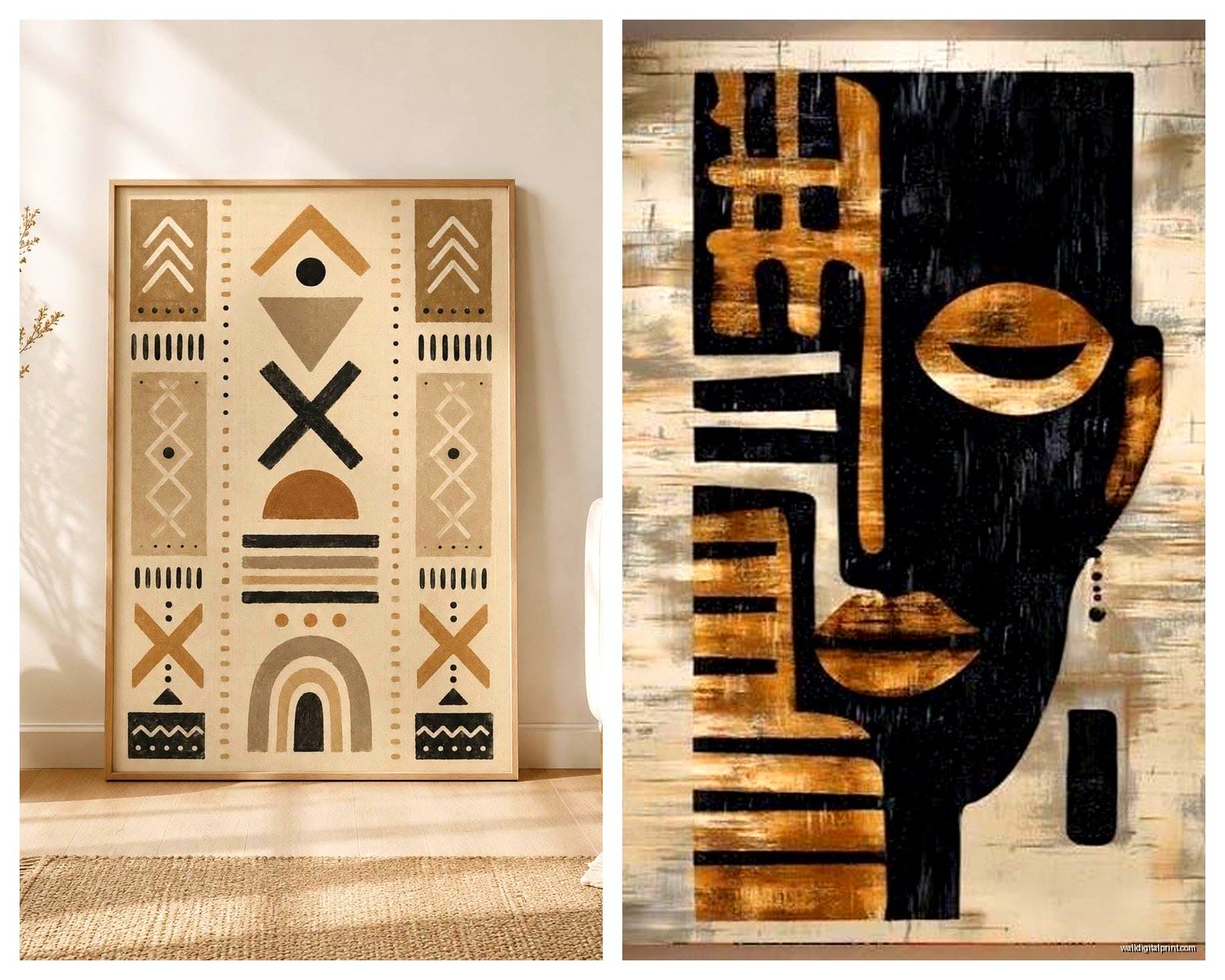
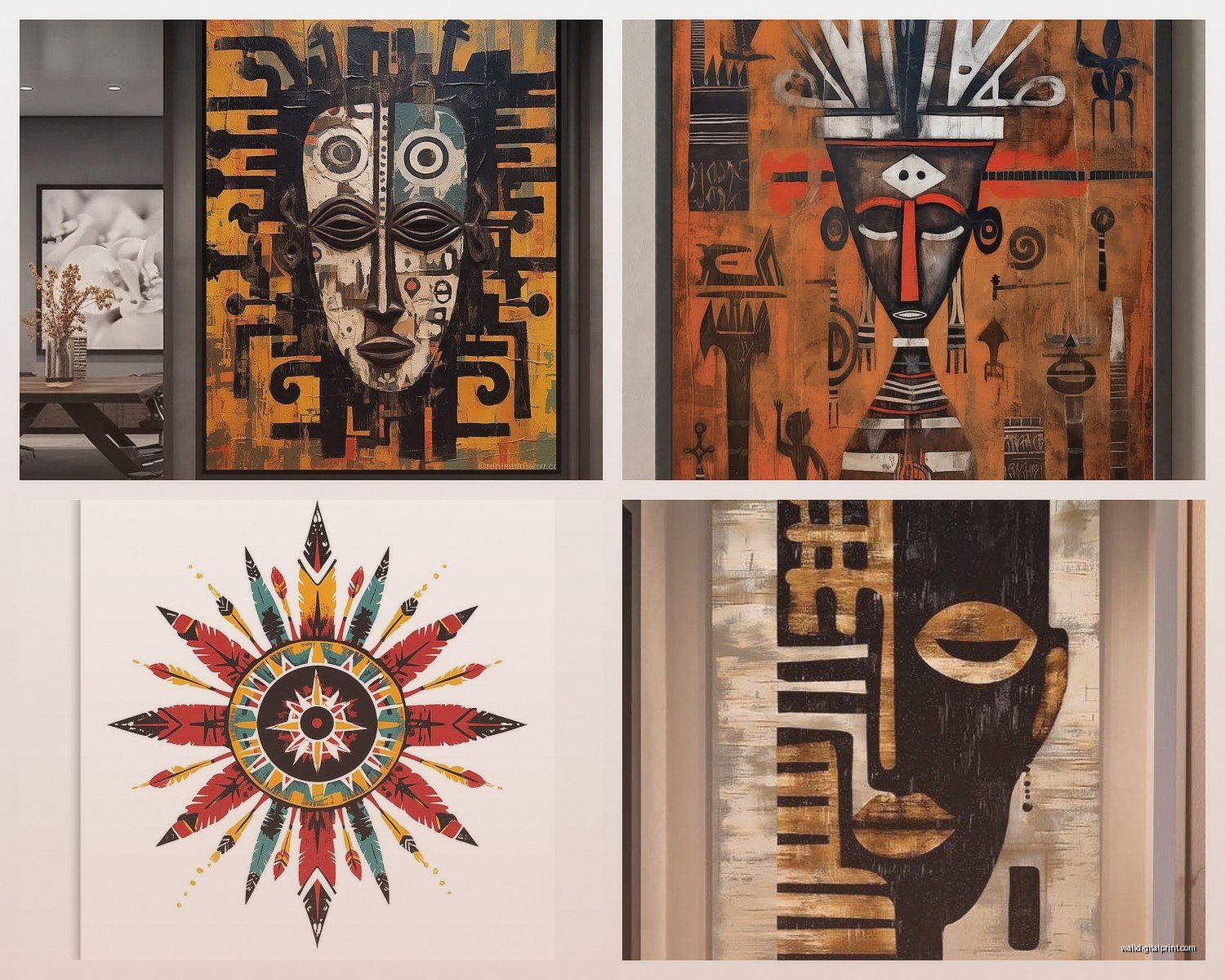
Okay first thing – tribal art isn’t just one style. It’s like saying “European food” when you mean Italian versus Swedish, you know? I made this mistake initially and bought a bunch of stuff that didn’t work together at all. You’ve got African mudcloth patterns, Native American geometric designs, Aboriginal dot paintings, Polynesian tapa cloth motifs, and like a million other traditions. Each one has its own vibe and story.
The authentic pieces versus reproductions thing is gonna come up immediately. I’m not gonna lie and say only buy authentic because that’s not realistic for most budgets – a real handwoven Navajo textile can run thousands. But what I do recommend is knowing the difference and respecting it. When I use reproduction pieces, I make sure they’re from companies that actually credit the cultural origin and ideally work with indigenous artists or communities.
Materials and Quality Stuff to Look For
Canvas prints are the most common and honestly they’re fine for most situations. I have several in my own place. Look for gallery-wrapped edges though – that’s where the design continues around the sides so you don’t need a frame. The cheap ones have white edges and it looks unfinished.
Wood panels are surprisingly cool for tribal designs. I found this Maasai-inspired piece on wood last month and the texture adds something that canvas can’t. They’re heavier though, so make sure your wall can handle it.
Metal prints with tribal patterns look super modern… which sounds contradictory but trust me. I did a whole client’s office with Aboriginal-inspired designs on brushed aluminum and it was stunning. Very contemporary but still honored the traditional patterns.
oh and another thing – textiles. Actual fabric pieces like tapestries or wall hangings. These are probably closest to how many of these designs were originally displayed. I have a Kuba cloth-inspired piece in my bedroom and the texture is just *chef’s kiss*. They can be a pain to hang though, you’ll need a rod or clips.
Size Matters More Than You Think
This is where I screwed up initially. I bought these beautiful small prints thinking I’d make a gallery wall, but tribal patterns often need space to breathe. A tiny 8×10 Aztec design just looks busy and cluttered. These patterns have power and they need room to show it.
For over a couch, you want something that’s at least 2/3 the width of the furniture. I learned this the hard way when I hung a 24-inch piece over my friend’s 7-foot sectional and it looked like a postage stamp. We ended up doing a triptych instead – three 24×36 panels with coordinating designs.
Single statement pieces work amazing in entryways. Like that first impression when you walk in? A bold 40×60 piece with Ndebele patterns or Haida formline designs immediately sets a tone.
Color Schemes That Actually Work
Traditional tribal art often uses earth tones – ochre, terracotta, deep browns, ivory. These are super easy to work with because they’re neutral enough to not clash but interesting enough to not be boring.
But then you’ve got the vibrant stuff. Maasai beadwork colors, those bright geometric patterns from various African traditions, the bold reds and blacks from Pacific Northwest designs. My cat knocked over my coffee when I was working on a mood board with these colors and honestly it was a sign to be more careful but anyway – these bold pieces need different treatment.
If you go vibrant, keep everything else fairly simple. I did a client’s dining room with this incredible Kente-inspired print that had like eight colors, and we kept the walls white, furniture neutral wood tones, minimal accessories. The art was the whole show.
Wait I forgot to mention – black and white tribal designs are having a moment and they’re super versatile. Mudcloth patterns in black on white linen? Works with literally everything. I’ve used these in modern spaces, traditional spaces, even in a bathroom once.
Mixing Patterns Without Looking Like a Hot Mess
This is gonna sound weird but the key is finding a common element. Maybe it’s all geometric patterns from different cultures. Maybe it’s all earth-toned even if the patterns vary wildly. Maybe it’s all linear designs versus curved.
I mixed Navajo-inspired geometric prints with Aboriginal dot paintings in my hallway and it works because they’re all warm-toned and all have this meditative repetitive quality. They’re from completely different traditions but there’s a visual conversation happening.
What doesn’t work – trust me on this – is randomly throwing together tribal pieces just because they’re all “ethnic.” I saw someone try to combine Pacific Island tapa designs with West African Adinkra symbols and Incan patterns all in one room and it was just… chaos. No common thread, no intentionality.
The Frame Situation
Natural wood frames are your friend with most tribal art. I usually go for light oak or walnut depending on the colors in the piece. The wood ties back to the organic, traditional nature of the designs.
Black frames can work for more graphic, bold pieces. I framed a series of Aztec calendar-inspired prints in matte black and they look super contemporary and museum-like.
Honestly though? A lot of tribal designs look best without frames at all. Canvas wraps, wood panels, textile hangings – let the art be the art. Frames can sometimes make it feel too precious or disconnected from its roots.
Where to Actually Buy This Stuff
Society6 and Redbubble have tons of options but you gotta be careful about cultural appropriation issues. Look for artists who are actually from the cultures they’re representing or who clearly cite their inspirations respectfully.
Etsy is hit or miss. I’ve found amazing indigenous artists selling their work there, but also plenty of mass-produced stuff that’s just… taking designs without credit. Read the shop descriptions, see if they talk about the cultural significance, check if they’re indigenous-owned.
For authentic pieces, look for indigenous art cooperatives and galleries. Yes they’re more expensive, but you’re getting the real deal and supporting actual communities. I save up for one authentic piece per year and fill in with respectful reproductions the rest of the time.
Local museums sometimes have gift shops with licensed reproductions. The Heard Museum in Phoenix has amazing Native American-inspired pieces where proceeds support indigenous artists.
Hanging Tips Nobody Tells You
Command strips work for lightweight canvas prints but not for anything substantial. I learned this when a piece crashed down at 3am and scared me half to death. My dog didn’t leave my side for like an hour.
For heavier pieces, just use proper wall anchors. The holes are worth it. I use those self-drilling drywall anchors and they’ve never failed me.
Textiles need special consideration. You can use a curtain rod and clips, or there are these cool magnetic hanging systems now. I’ve also seen people use decorative branches or driftwood pieces which actually looks really cool with tribal textiles.
Height matters – center of the artwork should be at eye level, which is usually 57-60 inches from the floor. But in a room where you’re mostly sitting, like a living room, you can go a bit lower.
Lighting Makes or Breaks It
This is something I didn’t appreciate until I started doing client work. The same piece of tribal art can look completely different depending on lighting.
Natural light is obviously gorgeous but can fade pieces over time, especially textiles. I use UV-protective glass for anything valuable in sunny spots.
Picture lights – those little lights that mount above artwork – are great for dramatic pieces. I installed one over a Haida-style print in a client’s study and it completely transformed the room’s ambiance.
Spotlights work well too if you have track lighting or recessed lights. Just angle them to avoid glare on glass or reflective surfaces.
Common Mistakes I’ve Made So You Don’t Have To
Buying pieces just because they’re “tribal” without considering if they actually work in your space. I have three pieces in my storage unit that I bought impulsively and they’ve literally never been hung anywhere successfully.
Not researching the cultural significance. I almost bought this piece with symbols I later learned were sacred and not meant for casual display. That would’ve been super disrespectful.
Thinking bigger is always better. Sometimes a smaller, perfectly placed piece has more impact than a huge one that overwhelms the space.
Mixing too many cultures in one room without a unifying element. I mentioned this before but it bears repeating because it’s such a common mistake.
Going too matchy-matchy. If you have tribal patterns in your art, you probably don’t also need them in your pillows, rug, and curtains. Pick one place for the pattern to shine.
Styling Around Tribal Wall Art
Keep furniture relatively simple. Let the art be the statement piece. I usually go for clean-lined furniture in solid colors or natural materials like leather and wood.
Texture is your friend though. Even with simple furniture, add texture through natural fiber rugs, woven baskets, ceramic vessels. These materials complement the organic nature of tribal designs without competing visually.
Plants work amazing with tribal art. There’s something about the combination of geometric or symbolic patterns with organic plant forms that just clicks. I have a huge fiddle leaf fig next to my mudcloth-inspired piece and they’re perfect together.
Metallic accents can work – brass, copper, bronze. These metals appear in various indigenous traditions and add warmth. Silver and chrome feel too cold usually.
Room-Specific Ideas
Living rooms can handle bold, large pieces. This is where you make a statement. I love a big piece over the sofa or creating a gallery wall on a large blank wall.
Bedrooms benefit from calming patterns. Dot paintings, subtle geometric designs, earth-toned pieces. You want something interesting but not so energetic it keeps you awake. Been there, had to move a really intense Aztec-inspired piece out of my bedroom because it was too much.
Home offices are great for symbolic pieces. Adinkra symbols, which have specific meanings, can be really cool in a workspace. I have one that represents creativity and innovation above my desk.
Dining rooms… honestly this is where I go bold. People aren’t spending hours staring at the walls here usually, so you can get away with more intense patterns and colors.
okay so funny story – I tried putting tribal art in a bathroom once and it actually worked great. A small piece with water-related symbolism from Pacific Island traditions. Just make sure it’s properly sealed if it’s gonna get humid.
Caring For Your Pieces
Dust regularly with a soft cloth. Sounds obvious but textiles especially collect dust and it dulls the colors over time.
Keep out of direct sunlight if possible, or use UV-protective measures. I’ve seen beautiful pieces get completely washed out from sun exposure.
For textiles, occasional gentle vacuuming with the upholstery attachment helps. Don’t use cleaning products unless you know exactly what the material is.
Canvas prints are pretty low maintenance – just dust and maybe very gently wipe with a barely damp cloth if needed.
The investment pieces, the authentic stuff – honestly consider professional cleaning if they need it. Don’t risk damaging something culturally and monetarily valuable.
I’m probably forgetting stuff but this is basically everything I wish someone had told me when I started collecting tribal wall art. The main thing is to be respectful, do your research, and choose pieces that actually speak to you rather than just following trends. These designs have centuries of meaning behind them and that deserves acknowledgment even as we incorporate them into modern spaces.