
Wall Art Guide, Wall Art Tutoriels
Arhaus Wall Art: Designer Furniture Store Collection
Feb
Okay so I just spent like three weeks obsessing over Arhaus wall art for a client’s living room and then ended up getting two pieces for my own place because apparently I have zero self-control, but here’s everything I learned about their collection.
What Makes Arhaus Wall Art Different From Other Furniture Store Art
First thing you gotta know is that Arhaus isn’t like your typical furniture store where the art feels like an afterthought. They actually curate pieces that feel more like gallery finds than mass-produced stuff. I’ve been in this industry for almost two decades and the quality here is legit different. The frames alone are substantial, like you can feel the weight when you’re hanging them which my arms definitely reminded me about the next day.
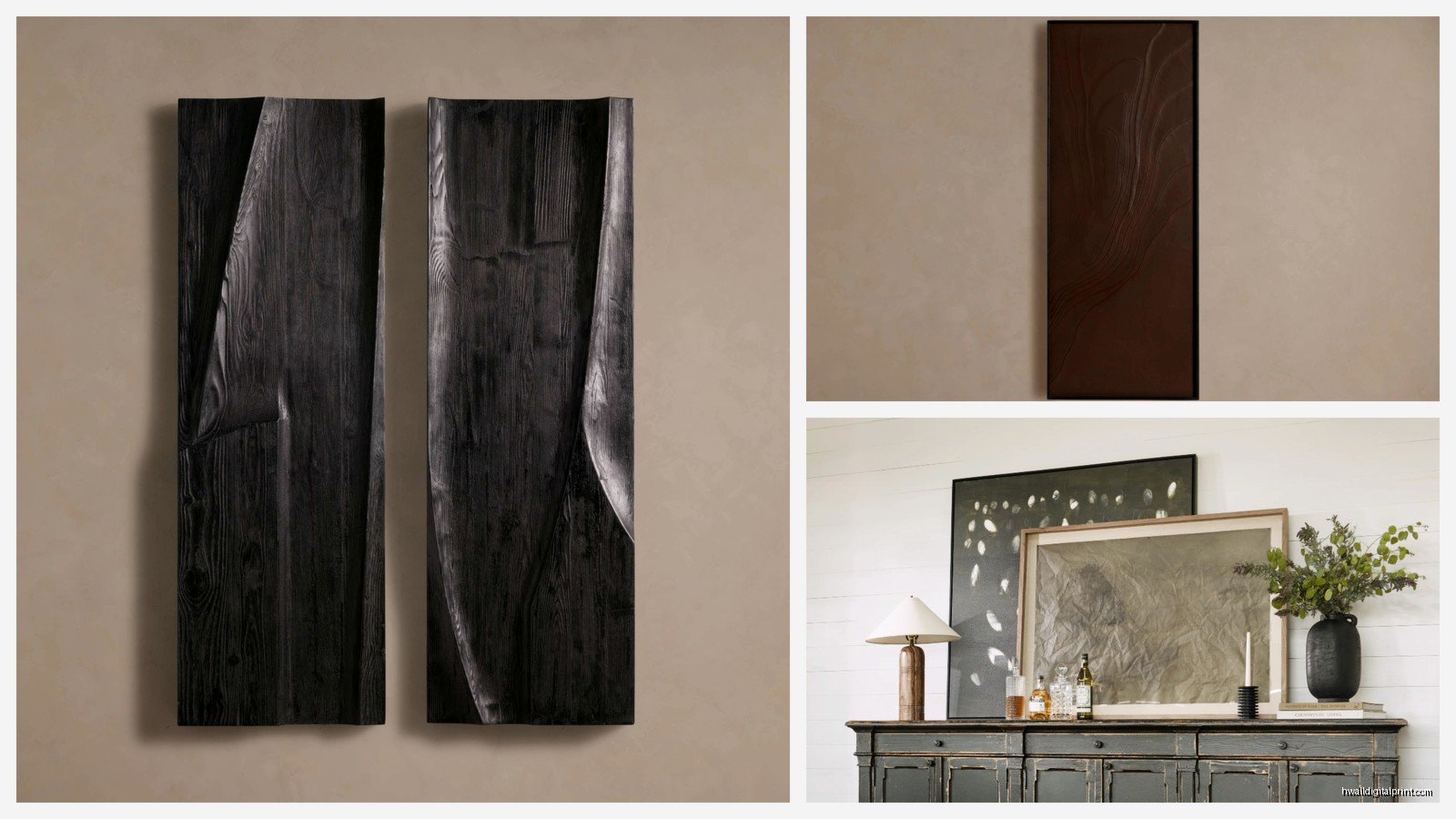
Their collection skews towards organic textures, abstract pieces, and a lot of natural elements. If you’re into that super modern minimalist black and white photography vibe you might be disappointed. But if you want something that feels collected and has actual depth to it then yeah, this is your spot.
The Price Point Situation
Not gonna lie, it’s expensive. A medium-sized piece runs anywhere from $400 to $1200, and larger statement pieces can hit $2000+. But here’s the thing I tell my clients and honestly myself when I’m trying to justify a purchase…you’re paying for materials that last. I have an Arhaus piece from 2018 in my entryway that still looks exactly the same, no fading, frame is perfect. Compare that to something I got from a big box store that started looking sad after like six months.
Oh and another thing, they do have sales. Not often, but I’ve caught pieces at 25-30% off during their bigger events. Sign up for their email list even though you‘ll get approximately seven million emails because they announce sales there first.
My Actual Favorites From Their Current Collection
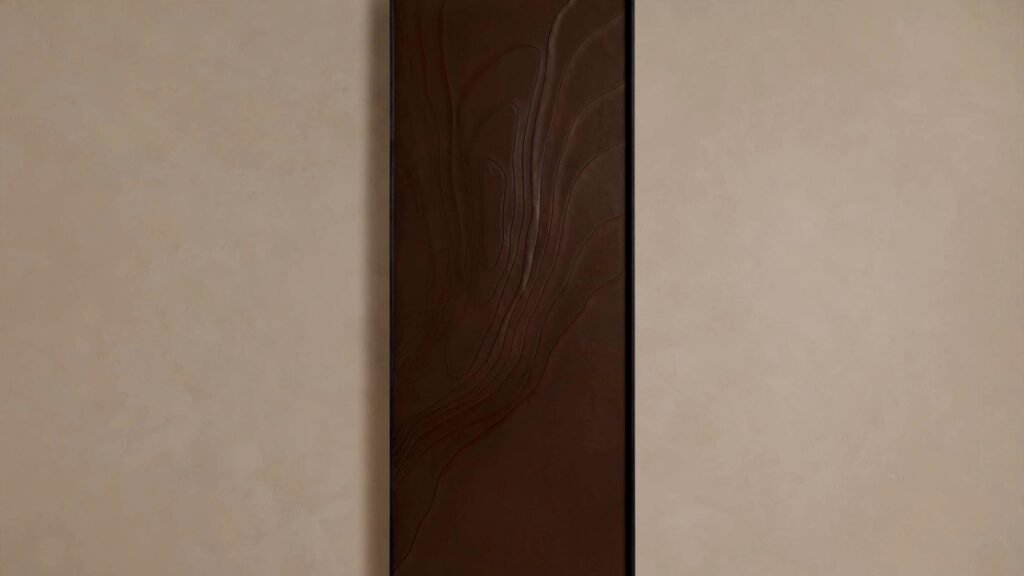
The Abstract Terrain series is absolutely gorgeous. It’s got these layers of texture that photograph terribly on their website but in person it’s stunning. I used one of these in a client’s bedroom last month and the way it catches light throughout the day is just…chef’s kiss. The texture is built up with actual material, not printed, which is why it costs what it costs.
Wait I forgot to mention their botanical prints. So they have this whole section of pressed botanicals and vintage-style plant illustrations that are perfect if you need something for a dining room or a smaller space. Less dramatic than the abstracts but they have this quiet sophistication. My dog knocked one off the wall once (long story, involves a tennis ball) and the glass didn’t even break so points for durability.
How To Actually Choose Pieces That Work
This is gonna sound weird but, don’t start with the art. I know that’s counterintuitive but hear me out. Look at what you already have in your space first. Arhaus has such a specific aesthetic that if your furniture is super modern and sleek, some of their pieces might feel out of place. Their art works best in spaces that have some organic elements, natural wood, maybe some texture in your textiles.
I made the mistake early in my career of falling in love with a piece and buying it without considering the room and it just sat in my closet for two years until I moved into a space where it actually fit. Learn from my expensive mistakes.
Size Matters More Than You Think
Everyone always goes too small with wall art. Like, always. The general rule I use is that your art should take up about two-thirds to three-quarters of the furniture width below it. So if you have a 90-inch sofa, you’re looking at 60 inches minimum of art width. You can do one large piece or a gallery wall situation.
Arhaus has really good options for both approaches. Their larger pieces are properly large, not furniture store large where it’s still somehow too small. And they have smaller pieces that actually work well grouped together.
The In-Store vs Online Experience
Okay so funny story, I ordered a piece online during the pandemic and when it arrived the colors were completely different than what I expected. Not bad different, just different. Returned it which was actually easy, they have a pretty decent return policy, but after that I always go in person when possible.
Their stores are set up so you can see pieces in room settings which is incredibly helpful. You can see how scale works, how different pieces look with various furniture styles. Plus the lighting in stores is usually pretty close to natural light so you’re getting a realistic view. My client canceled once so I spent an hour in there just photographing different combinations for future reference.
What To Look For In Person
- Check the frame corners up close – they should be clean and tight
- Look at the piece from different angles to see how light affects it
- If it’s textured, run your hand near it (don’t touch obviously) to see shadow depth
- Take a photo of it in the store setting and compare to your room photos
- Ask about the hanging hardware because some pieces are HEAVY
The Framing Quality Deep Dive
This is where Arhaus really differentiates itself. Most of their frames are hand-finished wood or have this aged metal quality that you can’t fake with plastic. The glass is usually actual glass, not acrylic, which matters for longevity and clarity but also means weight.
I have a piece in my office with this gorgeous weathered wood frame that has visible grain and texture. It’s been there for three years next to a window and hasn’t warped at all. The finish hasn’t degraded. That’s the kind of quality that justifies spending more upfront.
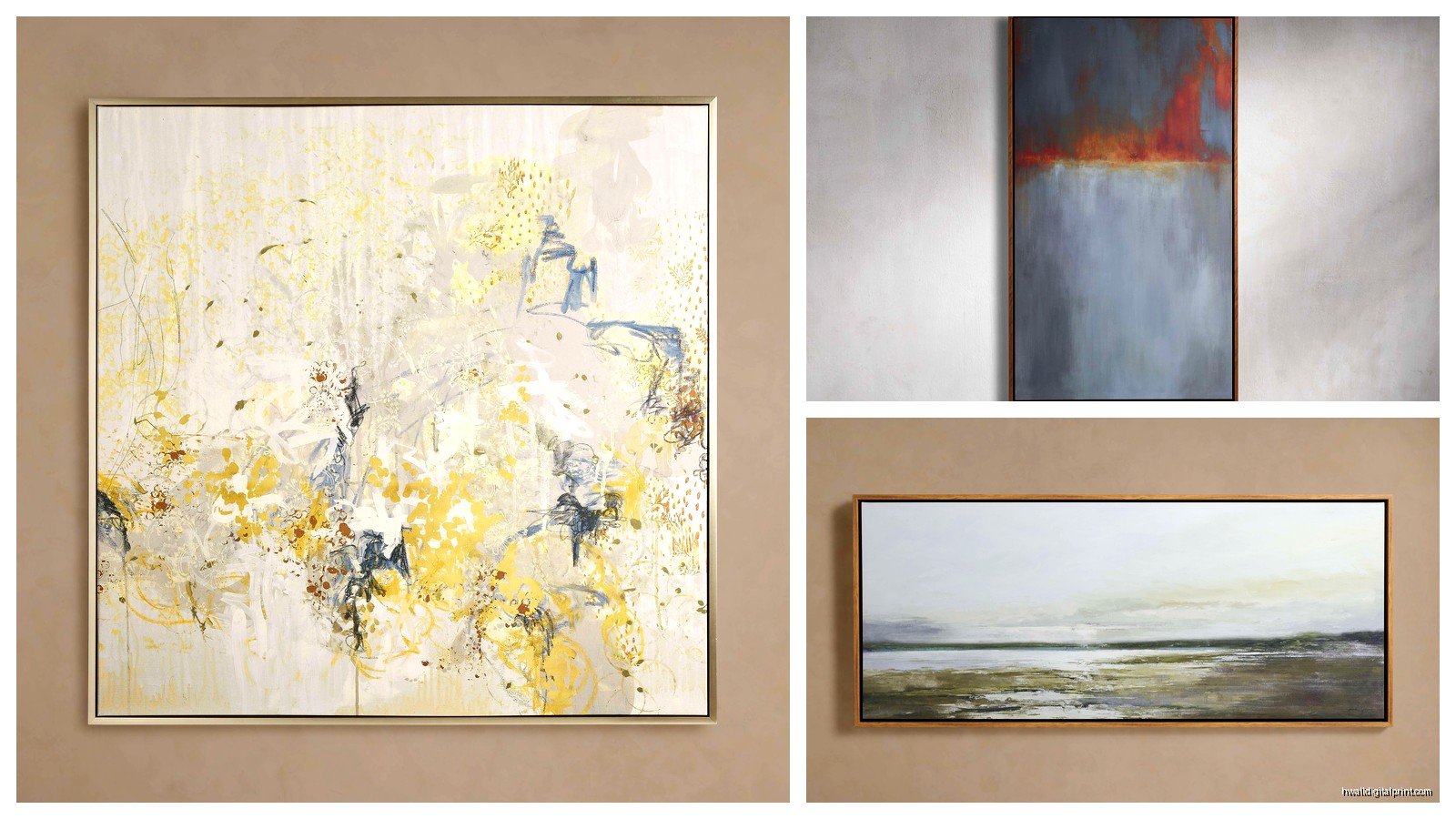
Their metal frames have this really nice weight to them too. Not flimsy like some contemporary frames. I used one of their large abstract pieces with a brass-toned frame in a client’s entryway and it legitimately looks like something from a high-end gallery.
Styling Tips That Actually Work
Don’t try to match your art exactly to your room colors. I see people do this constantly and it ends up looking very 2008. Instead, pull one or two accent colors from the piece and echo those in your accessories. The art should complement not coordinate perfectly.
Oh and another thing, consider the mood you’re going for. Arhaus has pieces that range from really serene and calming to more dynamic and energetic. I put one of their more abstract colorful pieces in my bedroom thinking it was beautiful (it is) but it was too visually stimulating for a sleep space. Moved it to the living room and it’s perfect there.
Mixing Arhaus Pieces With Other Art
You don’t have to go all Arhaus with your walls. In fact, mixing their pieces with other sources usually looks more collected and interesting. I have an Arhaus abstract next to some vintage botanical prints I found at an estate sale and they work really well together because they share a similar organic quality.
The key is finding a common thread. Maybe it’s the frame style, maybe it’s the color palette, maybe it’s the overall vibe. Their pieces are substantial enough that they can anchor a gallery wall with less expensive pieces around them.
Installation Real Talk
These pieces are heavy. I cannot stress this enough. You need proper hardware and wall anchors. I’ve installed probably fifty pieces of Arhaus art at this point and I’ve learned to always use heavy-duty picture hangers rated for way more weight than you think you need.
If you’re hanging on drywall, get those threaded drywall anchors that screw in. If you can hit a stud, even better. The D-rings on the back of Arhaus frames are usually really sturdy but they can’t help you if your wall anchor fails.
Also measure like seventeen times. These aren’t pieces you want to be putting multiple holes in your wall trying to get right. I use blue painter’s tape to mark where I want the piece, step back, live with it for a day, then commit to drilling.
The Collections Worth Paying Attention To
Their seasonal releases are hit or miss but when they hit, they really hit. I’ve noticed they tend to bring in new abstract pieces in spring and more moody, darker pieces in fall. Makes sense from a retail perspective but also means timing your purchase matters if you want the best selection.
The permanent collection is solid though. Those botanical pieces I mentioned earlier, the abstract terrain stuff, their black and white photography…that’s all pretty consistently available. If you fall in love with something from a seasonal collection though, don’t wait because once it’s gone it’s usually gone for good.
Custom Framing Options
Wait I forgot to mention they sometimes offer custom framing on select pieces. It’s not widely advertised but if you ask in store they can sometimes swap frame styles or finishes. Did this for a client who loved a piece but the frame didn’t work with her space. Took about six weeks but we got exactly what she needed.
Care and Maintenance Nobody Tells You About
Dust happens. On textured pieces especially, dust just loves to settle into all those crevices. I use a really soft brush attachment on my vacuum on the lowest setting, held a few inches away from the surface. For smooth pieces, a microfiber cloth works fine.
Don’t hang these in direct sunlight if you can avoid it. Even quality pieces will fade over time with constant sun exposure. I learned this the hard way with a piece in my old apartment. If you have to put it near a window, consider UV-protective glass or window film.
The frames need occasional attention too. Wood frames appreciate a light dusting and maybe once a year I’ll use a tiny bit of wood conditioner if they look dry. Metal frames just need dusting unless they’re in a bathroom or kitchen where humidity might affect them.
my cat has knocked against my wall art exactly twice and both times I had minor heart attacks but everything was fine because the installation was secure, so yeah invest in proper hanging hardware
