
Wall Art Guide, Wall Art Tutoriels
Phillips Collection Wall Art: Designer Furniture Store
Feb
Okay so I literally just finished staging a client’s living room with Phillips Collection pieces last month and I’m still obsessed with their wall art situation. Here’s what you actually need to know before you drop serious money at their designer furniture store.
The Real Deal About Their Wall Art Quality
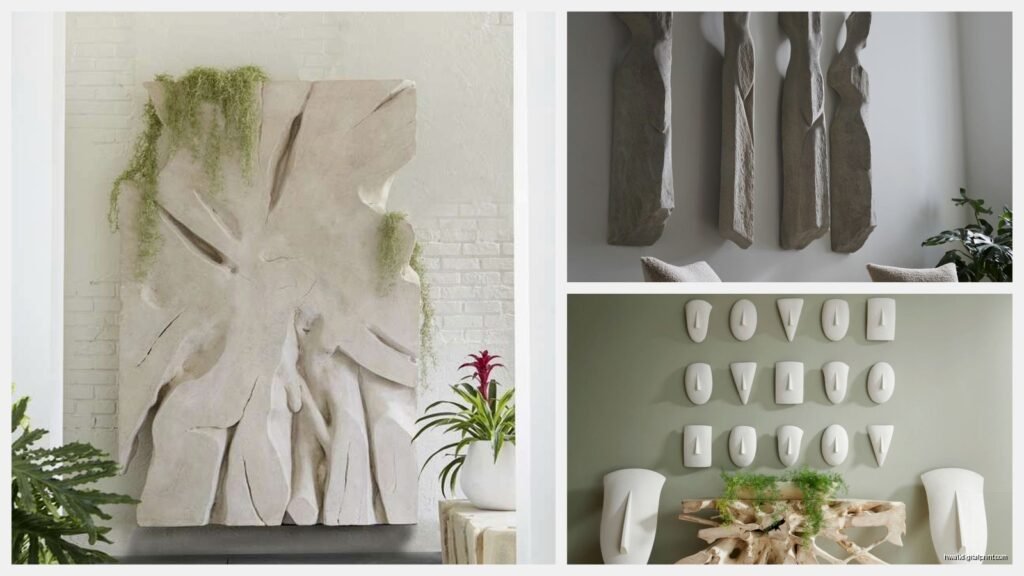
First thing – Phillips Collection isn’t your basic HomeGoods situation. Their wall art pieces are legitimately investment-level, and I mean that in both the annoying expensive way and the actually-worth-it way. The dimensional pieces especially, like their metal wall sculptures, are gonna run you anywhere from $400 to like $3000+ depending on size and complexity.
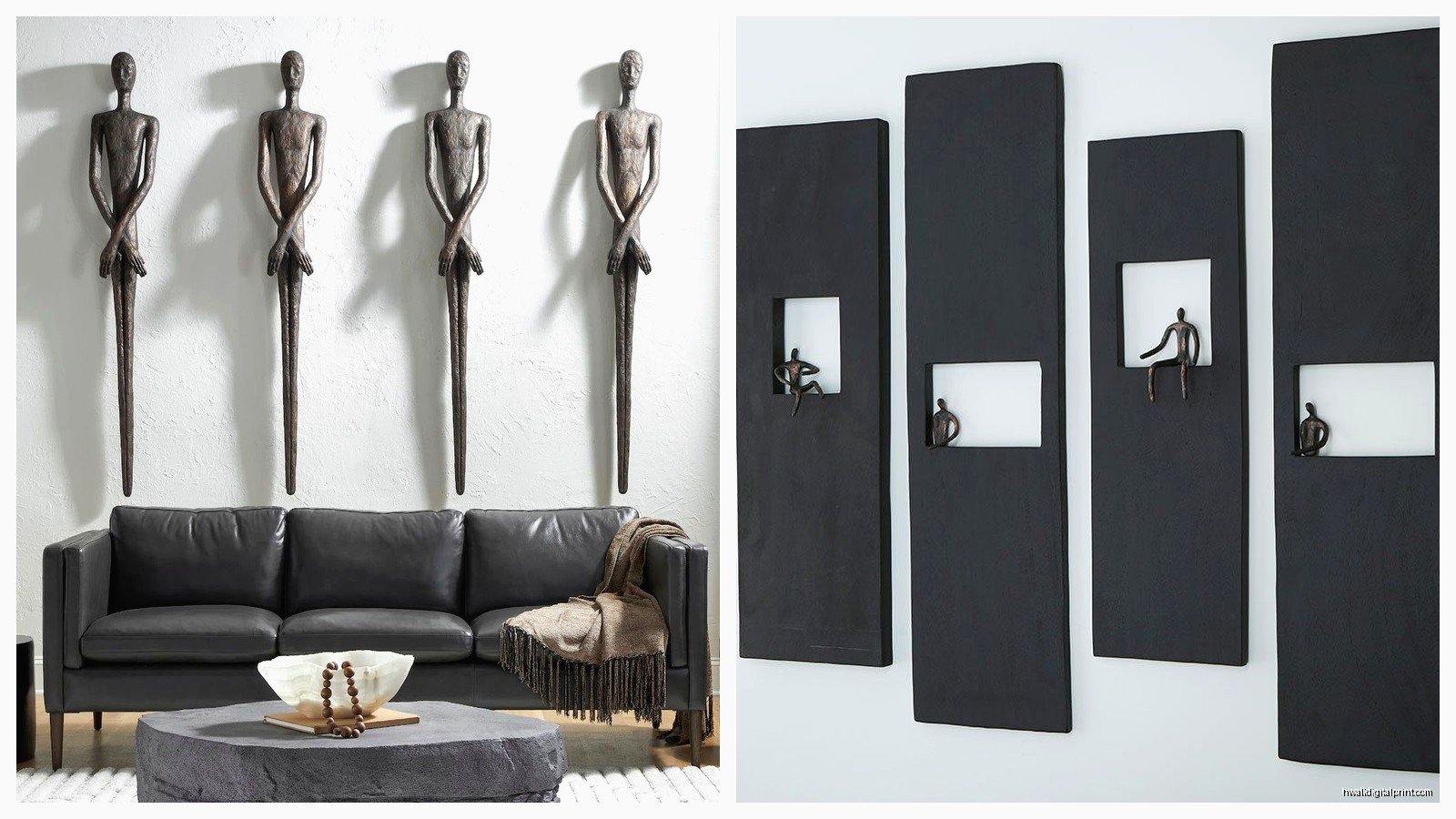
I tested their Trilogy wall art last week (the one with the three bronze-finish panels) and honestly the weight alone tells you everything. My assistant almost dropped it during install because she wasn’t expecting a wall piece to weigh that much. It’s real metal, real craftsmanship, not that hollow lightweight stuff you see everywhere.
What Makes Their Pieces Different
The dimensional aspect is huge. Most of their signature wall art isn’t flat – there’s actual depth and shadow play happening. The Amoeba collection pieces stick out like 4-6 inches from the wall, which sounds like a lot but creates this insane visual interest when your lighting hits it right. Oh and another thing, you gotta plan for proper mounting hardware because standard picture hooks aren’t gonna cut it.
Shopping at Their Actual Stores vs Online
So funny story – I drove two hours to their showroom in Atlanta thinking I’d just browse, and I ended up completely changing a client’s entire wall plan because seeing these pieces in person is SO different. The website photos don’t capture the texture and finish variations at all.
Their stores have this whole designer program thing where you can work with their in-house people, but honestly I’ve found them hit or miss. Some are super knowledgeable about installation and spacing, others are basically just processing your order. The guy at the Atlanta location though, Marcus I think, he actually knew his stuff about weight distribution for the larger metal pieces.
What to Actually Look For In-Store
- Check the backing and mounting hardware – some pieces come with french cleats, others just have basic D-rings
- Look at the finish in different lighting – their bronze patinas especially look completely different under warm vs cool light
- Touch everything (they let you) – the texture is part of the art with their pieces
- Ask about the warranty situation because it varies by collection
- See if they have floor models on clearance – I’ve scored deals this way
The Collections Worth Your Money
Okay so I’ve worked with maybe like fifteen different Phillips Collection wall art pieces over the past two years and here’s my actual hierarchy of what’s worth it.
Top Tier (Splurge-Worthy)
Their Tortola collection with the champagne silver finish is *chef’s kiss* for modern organic spaces. I put the large 48-inch circular piece in a client’s entryway and people literally stop and ask about it every time. It’s like $1800 but it’s a statement piece that does the work of an entire gallery wall.
The Freeform collection in oil-rubbed bronze – this one’s gonna sound weird but it reads differently depending on your wall color. I tested it against white, greige, and navy walls and the navy made it absolutely pop. Against white it was kinda meh honestly.
Mid-Tier (Good Value)
Their Onyx series with the black and gold leaf finish sits around $600-900 depending on size and gives you that high-end look without the absolutely insane price tag. The gold leaf catches light really nicely. My dog knocked into the corner of one during install and it didn’t even dent, which tells you about the construction quality.
Wait I forgot to mention – their Piper collection with the geometric cutouts works surprisingly well in transitional spaces. I was skeptical because geometric usually reads super modern, but the oil-rubbed finish warms it up enough that it worked in a client’s traditional colonial.
Pass Unless On Sale
The printed canvas pieces they carry aren’t really worth it imo. You’re paying for the Phillips name but the actual product is similar to what you’d find at West Elm or CB2 for less. Stick to their dimensional metal work and sculptural pieces where they actually shine.
Installation Real Talk
This is where people mess up constantly. These pieces need proper installation or you’re gonna have problems.
Weight Considerations
Anything over 25 pounds needs to go into studs, period. I don’t care what your drywall anchors claim they can hold. I’ve seen a $2000 piece come crashing down at 3am (client texted me the photo and I almost cried) because they used those toggle bolts instead of finding studs.
For the really heavy pieces – like their large Brutalist-style metal panels – I actually hire my regular installer because the liability isn’t worth it. Phillips Collection will sometimes include installation in major metros but you gotta ask specifically.
Spacing and Layout
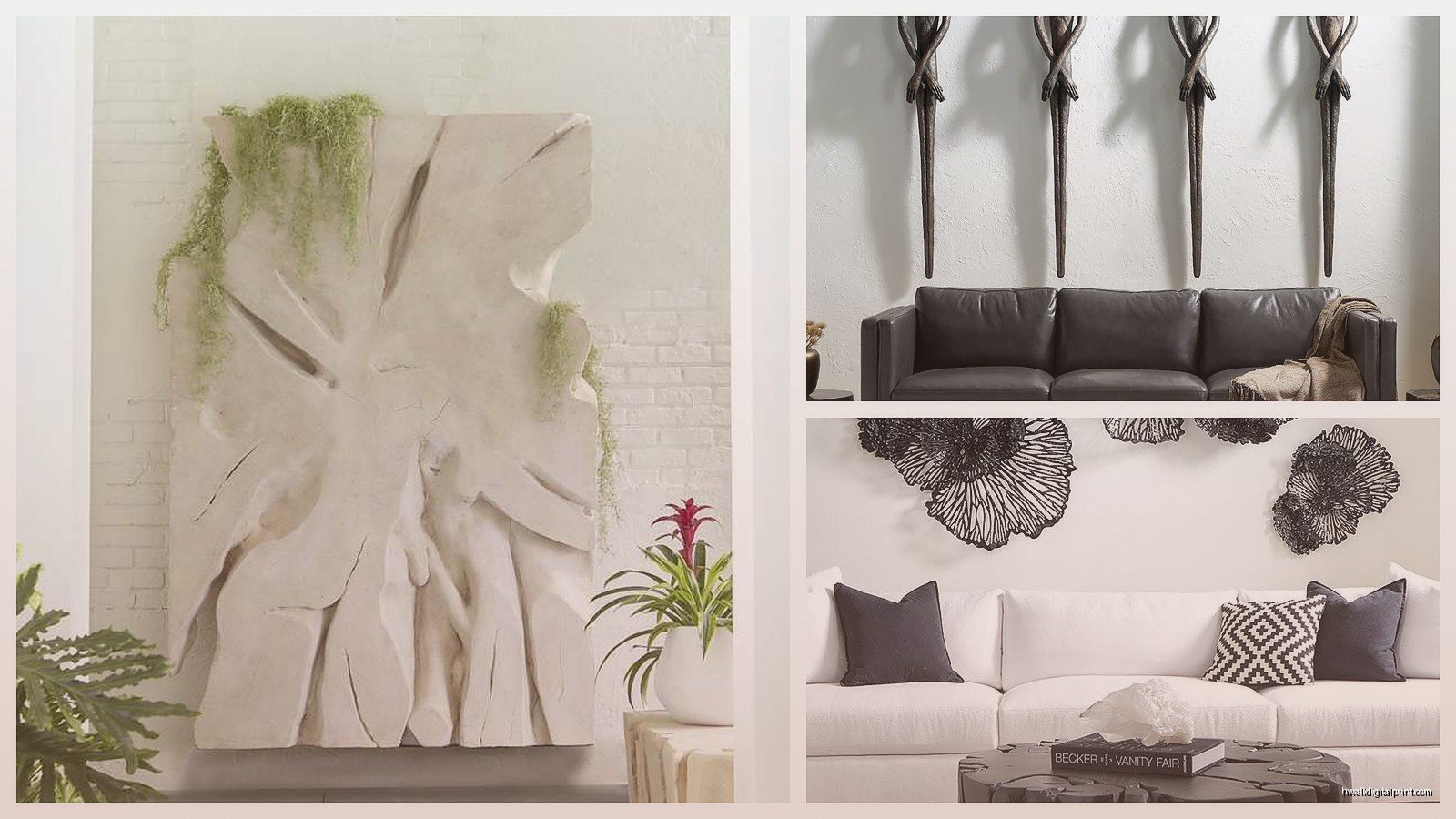
Okay so this is where my art curator background actually helps. Phillips pieces are bold enough that you don’t need to cluster them. In fact, clustering usually makes them look cheaper and more chaotic.
The rule I follow: if the piece is over 36 inches in any direction, give it at least 12-18 inches of breathing room on all sides. These aren’t gallery wall components – they’re standalone moments.
I was watching The Bear while planning a wall layout last month and it hit me that Phillips Collection pieces are like the concentrated dishes on that show – they don’t need a million components, they need space to be what they are.
Mixing Phillips with Other Pieces
You can absolutely mix their stuff with other brands but you gotta be strategic. Their finish quality is high enough that putting a cheap Amazon metal piece next to it will just make the Amazon thing look worse.
What works: mixing Phillips metal work with high-quality photography or original paintings. The different mediums play well together. I did a hallway with two Phillips bronze pieces flanking a large black and white photograph and the contrast was perfect.
What doesn’t: trying to create a gallery wall with Phillips pieces plus random stuff. It ends up looking disjointed because their pieces have such a strong design signature.
The Actual Buying Process
Their designer program gets you like 20% off if you’re trade, which is huge on their price points. If you’re not trade, ask about floor models or discontinued finishes – sometimes you can negotiate.
Online ordering is fine but know that shipping is expensive and they’re pretty firm on their return policy. You’ve got 30 days but you’re paying return shipping on these heavy pieces which can be like $200+.
Timing Your Purchase
They do two big sales a year – usually spring and fall. The discounts aren’t massive, maybe 15-20% off, but on a $2000 piece that’s real money. Sign up for their trade emails even if you’re not trade because sometimes those notifications come through.
Oh and another thing – if you’re working with an interior designer already, have them order through their account. You’ll likely get better pricing than going direct as a consumer.
Maintenance and Long-Term Reality
These pieces hold up really well. I’ve got clients who’ve had Phillips wall art for like five years and it still looks new. The metal finishes are pretty durable – dust them with a microfiber cloth every few weeks and you’re good.
The oil-rubbed bronze finish can show fingerprints if you touch it a lot, so maybe avoid that finish in high-traffic areas where people might lean against walls. The champagne silver and pewter finishes are more forgiving.
I spilled red wine near (okay, on) a client’s Freeform piece during a styling session and it wiped right off without staining or damaging the finish. Not recommending that as a testing method but it happened and the piece survived.
Specific Pieces I Keep Coming Back To
The Meteor collection in mixed metallics – around $1400 for the large – works in literally every style from modern to traditional. It’s my go-to when I can’t figure out what else to specify.
Their Archipelago series with the layered metal design creates amazing shadows on the wall when you get your lighting right. Put a picture light or wall washer above it and you’ve basically got two pieces of art – the sculpture itself plus the shadow pattern.
For smaller spaces or budget-conscious clients, the Piper pieces in the 24-inch size (around $500) give you that Phillips quality without the massive investment. They punch above their weight visually.
The Ones That Disappointed Me
Their Driftwood collection looked amazing in the showroom but in my client’s actual home it just read as brown and flat. The dimensional aspect didn’t translate well in residential ceiling heights – I think it needs like 12-foot ceilings to really work.
Some of their geometric pieces in bright finishes (the teal and orange ones) are trendy right now but I worry about longevity. Colors that specific usually date themselves within a few years.
Making the Final Decision
Visit in person if you possibly can. If there’s no showroom near you, order samples of the finishes – they’ll sometimes send small swatches if you call and ask nicely. The finish is everything with these pieces.
Measure your wall space twice and then actually cut paper templates to scale and tape them up. Live with the templates for a few days. Phillips pieces are big visual commitments and you don’t wanna realize it’s too large or too small after you’ve installed a 40-pound metal sculpture.
Consider your lighting situation before you buy – these pieces need proper lighting to show their dimension and texture. If you’ve got bad overhead lighting and no budget for picture lights, maybe hold off until you can address the lighting.
Think about the finish in relation to other metals in your space. If you’ve got brass hardware everywhere, the oil-rubbed bronze might clash. The champagne silver is pretty neutral and works with most metal finishes.
Budget for proper installation unless you’re really confident in your DIY skills. A professional install runs like $150-300 depending on your market but it’s worth it for expensive pieces.
