Wall Art Guide, Wall Art Tutoriels
Shutterfly Wall Art: Custom Photo Prints & Reviews
Feb
Okay so I just ordered like five different Shutterfly wall art pieces last month because honestly I was redesigning my living room and needed to test what actually works versus what just looks good on their website and here’s what I figured out.
The Upload Process Is Easier Than You Think
First thing, the photo upload situation on Shutterfly is pretty straightforward but you gotta make sure your images are high resolution. I made the mistake with my first order of using this gorgeous photo I took on my phone from like 2015 and when it arrived as a 16×20, it looked pixelated and weird. They do give you a warning though, like this little indicator that says your photo quality might not be great for that size, and you should actually listen to it because I didn’t and yeah.
The sweet spot I’ve found is using images that are at least 300 DPI if you’re going bigger than 11×14. My DSLR photos work perfectly but even newer iPhone pics are totally fine if you’re doing smaller prints or if the photo isn’t super detailed. That beach sunset I took last summer on my iPhone 13? Looked amazing as a 12×16 canvas.
Canvas Prints vs Photo Papers
So here’s where it gets interesting because I tested both and they’re totally different vibes. The canvas prints have this gallery wrapped edge thing where your image continues around the sides which looks really professional. I got one for my hallway and my neighbor literally asked if I bought it from that fancy art shop downtown.
The canvas texture though, it’s gonna soften your image a bit. Like if you have a super sharp architectural photo with lots of fine details, some of that crispness gets lost in the canvas weave. Not bad, just different. I actually prefer it for portraits and landscapes because it gives them this painterly quality.
Photo paper prints are way sharper obviously. Shutterfly uses this lustre finish that I’m obsessed with because it’s not too glossy but also not completely matte. Doesn’t show fingerprints as much either which matters if you have kids or if you’re like me and touch everything. I spilled coffee on one accidentally while unboxing and it actually wiped off clean which was a relief.
Framing Options That Don’t Suck
The pre-framed options are convenient but here’s the thing, they’re kinda basic. Black, white, or wood frames in standard profiles. They’re fine for a quick solution but if you’re trying to do something more custom or match existing decor, you might wanna order just the print and frame it yourself.
I ordered three prints unframed and took them to a local frame shop and spent about the same amount but got way better quality frames that actually matched my aesthetic. But also that took like two weeks and three trips to the framer so if you need something fast, their framed options work.
The Metal Prints Are Actually Really Cool
Wait I forgot to mention the metal prints because I tested one and honestly didn’t expect to love it as much as I do. They print directly onto aluminum and the colors are SO vibrant. Like almost too vibrant at first, I thought they oversaturated my image but after looking at it for a few days I realized it just has more pop than traditional prints.
Best for modern spaces and photos with bold colors. I used a photo from this art installation I curated last year with lots of reds and blues and it looks incredible. The metal has this slight sheen that catches light in an interesting way. My cat knocked it off the console table once and it didn’t shatter or dent which was impressive actually.
Sizing Strategy That Makes Sense
Okay so funny story, I ordered a 30×40 canvas for above my sofa without really measuring properly and it was absolutely massive. Had to return it which was actually pretty easy through their customer service but shipping it back was annoying.
Here’s what I learned about sizing: measure your wall space obviously but also consider the viewing distance. Big statement pieces like 24×36 or larger work great for walls you see from across the room. Smaller prints like 8×10 or 11×14 are better for gallery walls or spaces where you’re viewing up close.
The rule I use now is that your wall art should take up about two-thirds to three-quarters of the furniture width below it. So if your sofa is 90 inches, you want art that’s roughly 60-70 inches wide. You can do this with one large piece or a multi-panel setup.
Multi Panel and Split Image Prints
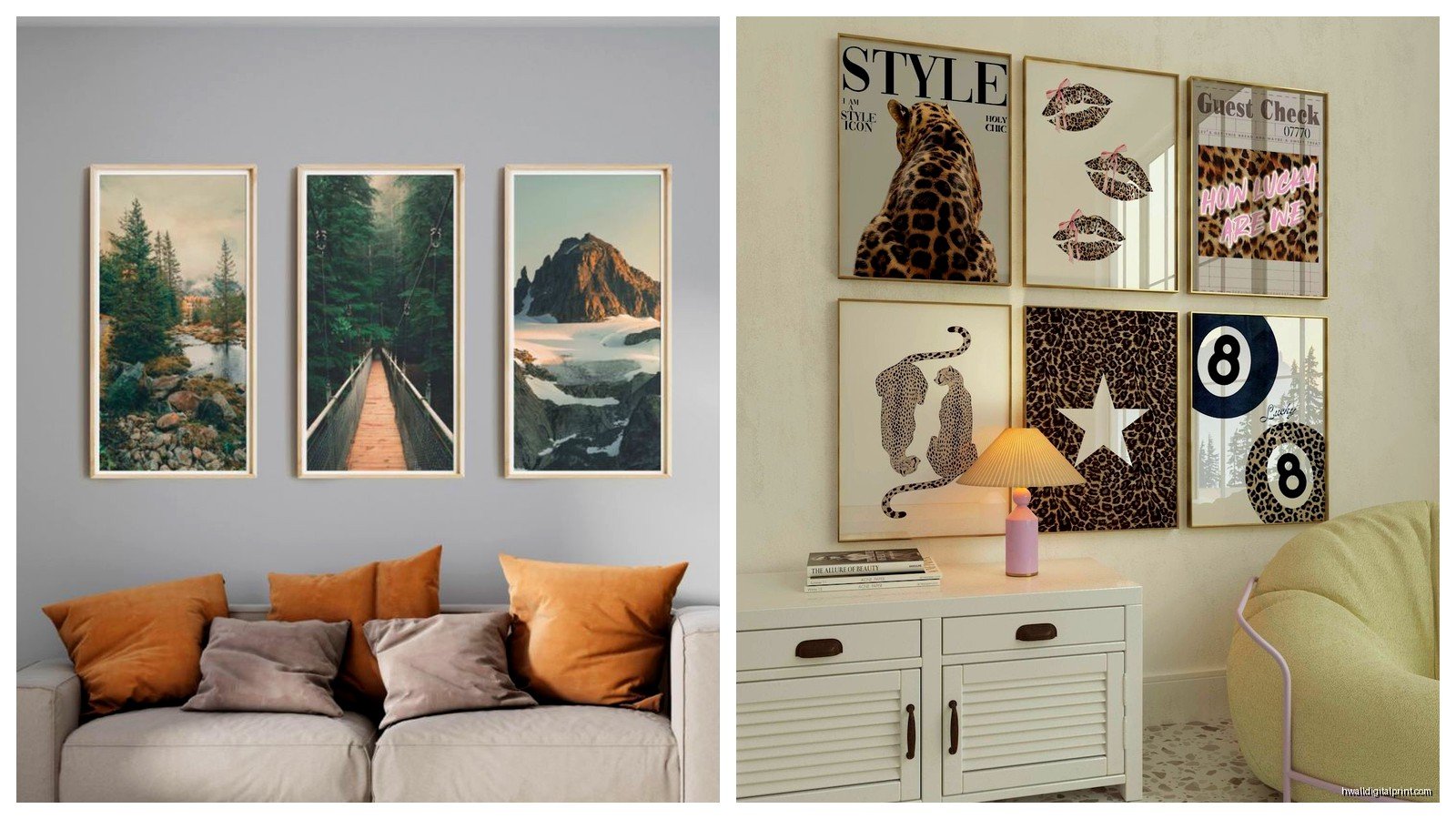
Shutterfly has these triptych options where they split one image across three canvases and honestly when done right they look so good. I did this with a panoramic landscape photo from Iceland and hung the three panels with about 2 inches between them.
The trick is making sure your image actually works split up. Faces are tricky because you don’t want someone’s face cut in half across two panels. Landscapes, cityscapes, abstract stuff, all great for this treatment.
They also have the split image option where you can create your own layout with multiple photos in one frame. Used this for a client who wanted a family photo collage and we fit like 12 different photos into one 20×30 print. Looked cohesive because we kept a consistent filter on all the images before uploading.
Color Accuracy and Editing
This is gonna sound weird but I’ve noticed Shutterfly prints tend to come out slightly warmer than what I see on my screen. Not a huge difference but enough that I’ve started adjusting my images slightly cooler before uploading if color accuracy really matters.
Their online editor is pretty basic honestly. You can crop, rotate, add text, apply filters. If you want more control I’d edit in Lightroom or even just your phone’s photo editor before uploading. I usually boost contrast by like 5-10% and sharpen just a bit because printing can soften things slightly.
Oh and another thing, make sure you’re editing on a properly calibrated screen or at least a decent one. I was editing on my old laptop once and everything looked fine but when the prints arrived they were way darker than expected. Switched to my desktop monitor and haven’t had that issue since.
Pricing and When to Order
Full price Shutterfly is honestly expensive but they run sales literally all the time. I’m talking like every week there’s some promotion. Sign up for their email list because they send 40-50% off codes constantly. I’ve never paid full price for anything from them.
The biggest sales happen around holidays, Black Friday obviously, but also random ones like Presidents Day or back to school. I stocked up during a summer sale and got like 60% off canvas prints which was insane.
Shipping takes about a week normally, maybe faster if you pay for rush which I did once when I needed something for a client meeting. Quality control seems pretty good, I’ve ordered probably 15 pieces total and only had one issue with a canvas that had a small scratch, and they reprinted it free.
What Actually Works on Different Walls
Lighter walls can handle pretty much anything but if you have dark or bold colored walls you gotta be more careful. I have this deep navy accent wall in my office and lighter images with good contrast work best there. That moody forest photo I tried just disappeared into the wall.
Textured walls are tricky with canvas prints because canvas already has texture so it can look weird. Smooth framed prints work better. Found this out in my dining room which has this subtle textured wallpaper.
Gallery walls are where Shutterfly really shines because you can order a bunch of different sizes and mix canvas with framed prints. I did this in my stairwell with family photos and travel shots, mixed 5x7s with 11x14s and one big 16×20 as the anchor piece.
The Mounting and Hanging Situation
Canvas prints come with hanging hardware already attached which is super convenient. Just a sawtooth hanger on the back. They’re pretty lightweight even the big ones so regular picture hanging hooks work fine.
Framed prints depend on the size but they usually include wire or brackets. The metal prints come with a float mount system that makes them stand off from the wall about half an inch which looks really modern and cool.
I always use a level though because nothing looks worse than crooked wall art. Learned that the hard way when I eyeballed it and my husband pointed out it was tilted like three days later and I couldn’t unsee it.
Durability Over Time
I’ve had some Shutterfly prints up for about three years now and they still look good. The canvas ones haven’t sagged or faded even though one is near a window. They say the inks are fade resistant and that seems accurate from my experience.
The photo paper prints are behind glass obviously so they’re protected. One thing though, if you’re hanging in a bathroom or kitchen where there’s humidity and temperature changes, go with canvas or metal over framed paper prints. Just better for those conditions.
My metal print still looks perfect and that’s been up for like two years in my studio where it gets direct afternoon sun. Colors haven’t shifted at all which is impressive because I’ve had other metal prints from different companies that started looking washed out after a year.
Oh wait, one more thing about their customer service because I had to contact them twice. Once for that scratched canvas and once because my order was delayed. Both times they were actually helpful and not annoying about it. Got a real person pretty quickly and they just sent replacements without making me jump through hoops which I appreciated because I was in the middle of watching The Bear and didn’t wanna deal with complicated return processes.
