
Wall Art Guide, Wall Art Tutoriels
Wall Art Room: Space-by-Space Decorating Complete Guide
Mar
So I’ve been spending way too much time thinking about color in wall art lately because honestly, I had this client who picked this gorgeous painting and then texted me at like 11pm saying it looked “totally wrong” in her living room and I had to figure out why. Turns out the whole thing comes down to understanding how colors actually work in different spaces, not just what looks pretty in the store.
Living Room Color Strategy
Okay so living rooms are tricky because they’re usually the biggest space and you’re gonna be staring at whatever you hang there for hours. What I’ve learned is you need to pick a “color temperature” first before you even think about specific pieces.
Here’s what I mean – if your couch is warm-toned (think rust, terracotta, warm browns), you absolutely need to either match that warmth OR go completely neutral with your art. I tried mixing warm furniture with cool-toned blue abstract art once and it looked like two different rooms fighting each other. Not cute.
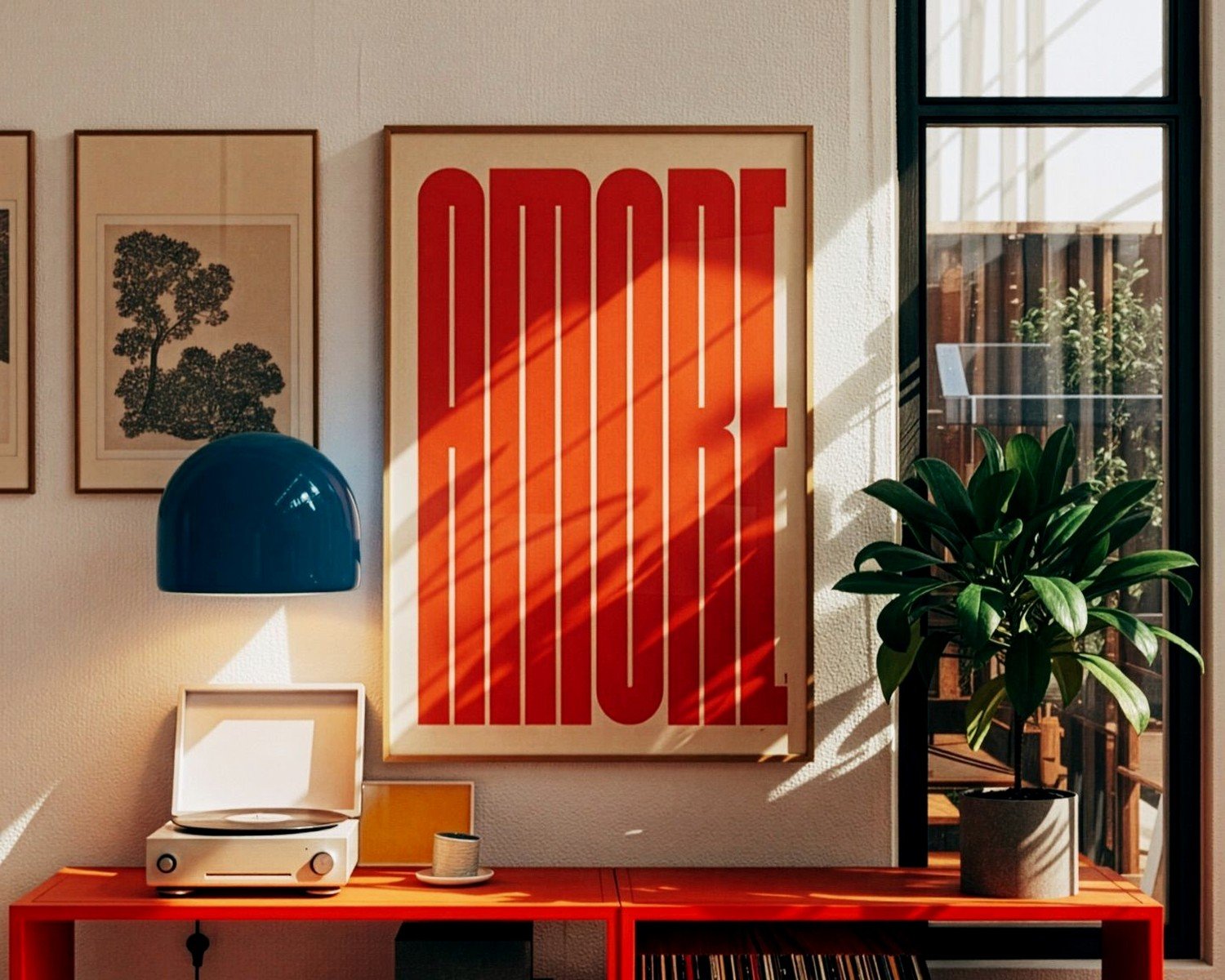
My go-to formula: Pick one dominant color from your existing room (could be from pillows, rug, whatever), then find art that has that color as maybe 20-30% of the piece. Not the main color in the art, just present enough to tie things together.
For neutrals – and I know everyone says “greige” walls are dead but like half my clients still have them – you want art with at least three distinct colors. One piece that’s just beige and cream on beige walls disappears completely. I learned this the hard way in my own apartment and had to return a $400 print because it literally vanished into the wall.
The Accent Color Trick
This is gonna sound weirdly specific but take a photo of your room on your phone, open it in any editing app, and crank up the saturation. Whatever colors pop out most? Those are your room’s actual dominant colors, not what you think they are. Use those to shop for art. I discovered my “neutral” living room was actually super yellow-toned doing this and suddenly all my art choices made sense.
Bedroom Wall Art Colors
Bedrooms are where I see people mess up the most because they forget they’re gonna see this art right before sleep and right when they wake up. High-contrast stuff or really intense colors can be jarring first thing in the morning – found this out when I hung a bright red abstract piece above my bed and literally woke up startled for like a week straight.
Cool colors work better here generally. Blues, soft greens, lavenders, even grey-toned pieces. But here’s the thing – they need to be complex cool colors, not flat. A flat navy blue print looks cheap and hotel-like. A navy with hints of teal and maybe some warm undertones? That’s got depth.
I tell everyone to use the “squint test” – stand back and squint at the art. If it all blurs into one muddy color, it’s not complex enough for a bedroom where you’ll be seeing it in different lighting all day.
Metallic Accents in Bedrooms
Oh and another thing – metallic touches in bedroom art are actually genius if your room feels too flat. Gold leafing, copper accents, even silver. They catch morning light in a way that makes the whole room feel more expensive. Just keep the metallics to like 10% of the piece max or it gets tacky fast.
Kitchen and Dining Area Colors
Kitchens are interesting because the lighting is usually terrible (sorry but it’s true), so you need colors that can handle both warm overhead lights and natural light without looking completely different.
Warm colors dominate here – think burnt orange, sage green, warm yellows, terracotta. I’ve tested this extensively because my kitchen faces north and gets basically no direct sun. Cool-toned art just dies in there, looks grey and sad.
Food-adjacent colors work psychologically too. Not like pictures of food necessarily, but colors you’d see in fresh ingredients. Deep eggplant purple, tomato red, herb greens. There’s actually research on this but also it just feels right when you’re in the space.
For dining rooms specifically, you want something with enough visual interest that dinner guests have something to talk about, but not so busy that it competes with the table setting. I use a 60-30-10 rule here: 60% neutral or muted tones, 30% your main color statement, 10% accent color that pops.
Home Office Color Psychology
Okay so funny story – I painted my office blue because everyone says blue is calming and good for focus, then I hung all this blue-toned art and I literally couldn’t get anything done because the room felt too cold and unwelcoming. Had to completely redo it.
What actually works: Warm neutrals as your base (think taupe, warm grey, soft tan) with pops of energizing colors in the art. Yellow is great for creativity but can be overwhelming as a wall color – better in art where you can look away from it. Green is genuinely good for reducing eye strain if you’re staring at screens all day.
The trick is layering different values of the same color family. So if you’re doing green, have some pieces with forest green, some with sage, maybe a pop of lime or olive. This creates visual rhythm without being chaotic.
Avoid These in Office Spaces
Red is tricky in offices – it increases heart rate which sounds good for productivity but actually just makes people feel rushed and stressed. I had it in my office for three months and my cat would like refuse to come in there which should’ve been a sign.
Pure white or black and white photography can work but tends to feel too corporate unless you’re specifically going for that vibe. Most people working from home want something that doesn’t remind them of a corporate office park, you know?
Bathroom Color Considerations
Bathrooms are actually the most forgiving space for experimenting with color because they’re small and you’re not in there for extended periods. This is where you can go bold.
Jewel tones work beautifully here – emerald, sapphire, ruby red, amethyst purple. The moisture in bathrooms can actually make colors appear more saturated, so lean into it. Just make sure you’re using properly sealed prints or canvas because humidity will destroy paper prints eventually.
I’ve noticed that colors that complement skin tones make bathrooms feel more flattering – peachy pinks, warm corals, soft golds. Sounds weird but you’re looking at yourself in the mirror with that art in your peripheral vision, so it matters.
Hallways and Transitional Spaces
Wait I forgot to mention hallways earlier – these are where you can create a “color journey” through your home. I like to use art that pulls colors from the rooms they connect.
So if your hallway connects a blue living room to a green bedroom, find art that has both blue and green in it for the hallway. Creates flow without being matchy-matchy.
Darker colors actually work well in hallways because they create drama and make the space feel intentional rather than just “that space between rooms.” Deep burgundy, forest green, navy – all good choices. Just balance with lighter elements so it doesn’t feel like a cave.
Kids Rooms and Play Spaces
This is gonna sound weird but don’t go too bright and primary in kids’ rooms. Yes, they like bright colors, but living with super saturated primary colors can actually be overstimulating.
What I do instead: Choose one or two brighter accent colors and keep the rest more muted. Like a bright yellow sun in an otherwise soft blue and green landscape print. Or a coral accent in an otherwise neutral animal illustration.
Pastels get a bad rap but they’re genuinely better for kids‘ spaces than people think. Dusty rose, soft mint, powder blue – these still feel youthful but won’t give everyone a headache. Plus they grow with the kid better than cartoon primary colors.
The Growth Factor
Think about whether the art will still work when your kid is 10, not just 3. Abstract patterns in fun colors age better than specific character stuff. I mean obviously if your kid is obsessed with something specific that’s fine, but for permanent wall art, lean more abstract.
Entryway First Impressions
Your entryway sets the color tone for the entire house, so this is where you establish your overall palette. I usually go one of two ways here:
Bold and immediate – a large piece with your home’s main accent color prominently featured, or a gallery wall that shows off your full color range. This tells guests “here’s what we’re working with.”
Alternatively, keep it neutral and sophisticated so every other room feels like a pleasant surprise. Blacks, whites, tans, maybe one subtle accent color.
The lighting in entryways is usually artificial since there’s not always windows, so test your art under the actual lights you have. I bought this gorgeous piece with subtle purple undertones and under my yellow-toned entryway light it looked brown. Had to return it.
Practical Color Testing Tips
Okay so here’s what I actually do before committing to art:
Take paint swatches in your exact wall color to the store or print them out if shopping online. Hold them next to art you’re considering. Your eye will immediately tell you if something’s off.
Use Pinterest but make a private board and only save art in rooms that look like YOUR room’s lighting and existing colors. Don’t save stuff from perfectly styled white-walled studios if you have tan walls, it won’t translate.
Most online art stores let you preview art on your wall using AR now – actually use this feature, it’s surprisingly accurate for color matching.
Buy samples if possible or shop somewhere with a good return policy first time around. I know it’s annoying but returning one wrong piece is better than living with it for years because you spent too much to justify returning it.
The 24-Hour Rule
This is my actual tried-and-true method: Hang the art, then live with it for at least 24 hours before deciding. Colors look completely different in morning vs. evening light, and your emotional reaction changes too. That piece that seemed perfect at noon might feel too intense by candlelight.
Oh and photograph it at different times of day. Sometimes your phone camera picks up color clashes your eye misses in the moment.
The main thing is colors in wall art aren’t just about what you like in theory – they’re about how they interact with your actual physical space, your lighting, your existing stuff, and how you feel in that room at different times. It’s way more practical than people make it out to be, just gotta test things in real conditions before committing.
