Wall Art Guide, Wall Art Tutoriels
Metal Turtle Wall Art: Sculptural Ocean Creature Design
Aug
So I’ve been totally obsessed with metal turtle wall art lately and honestly it started because a client wanted something “ocean-y but not basic” for their coastal renovation and we went down this whole rabbit hole together. Let me tell you what I’ve learned because I’ve literally spent way too much time on this.
Finding the Right Style Without Losing Your Mind
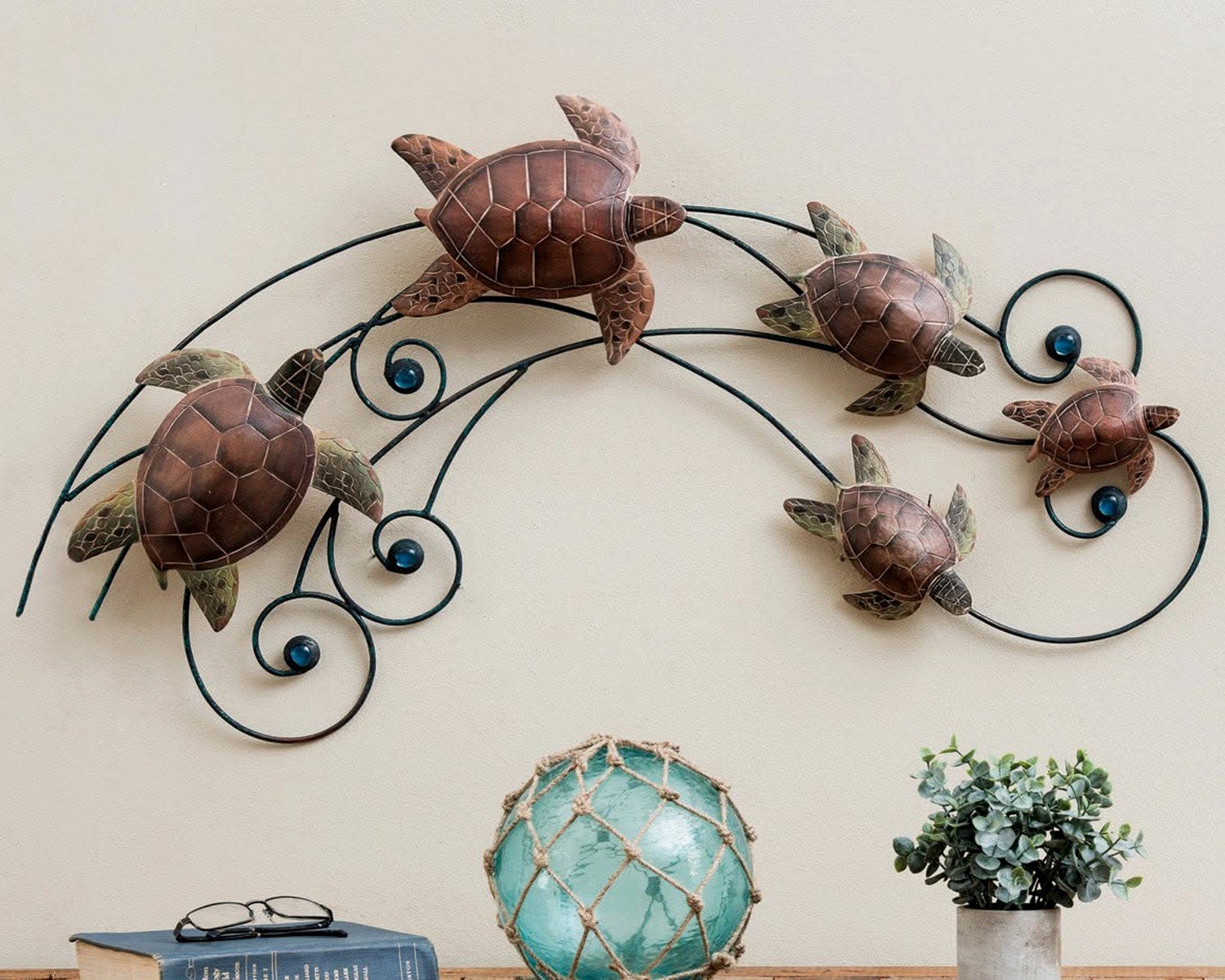
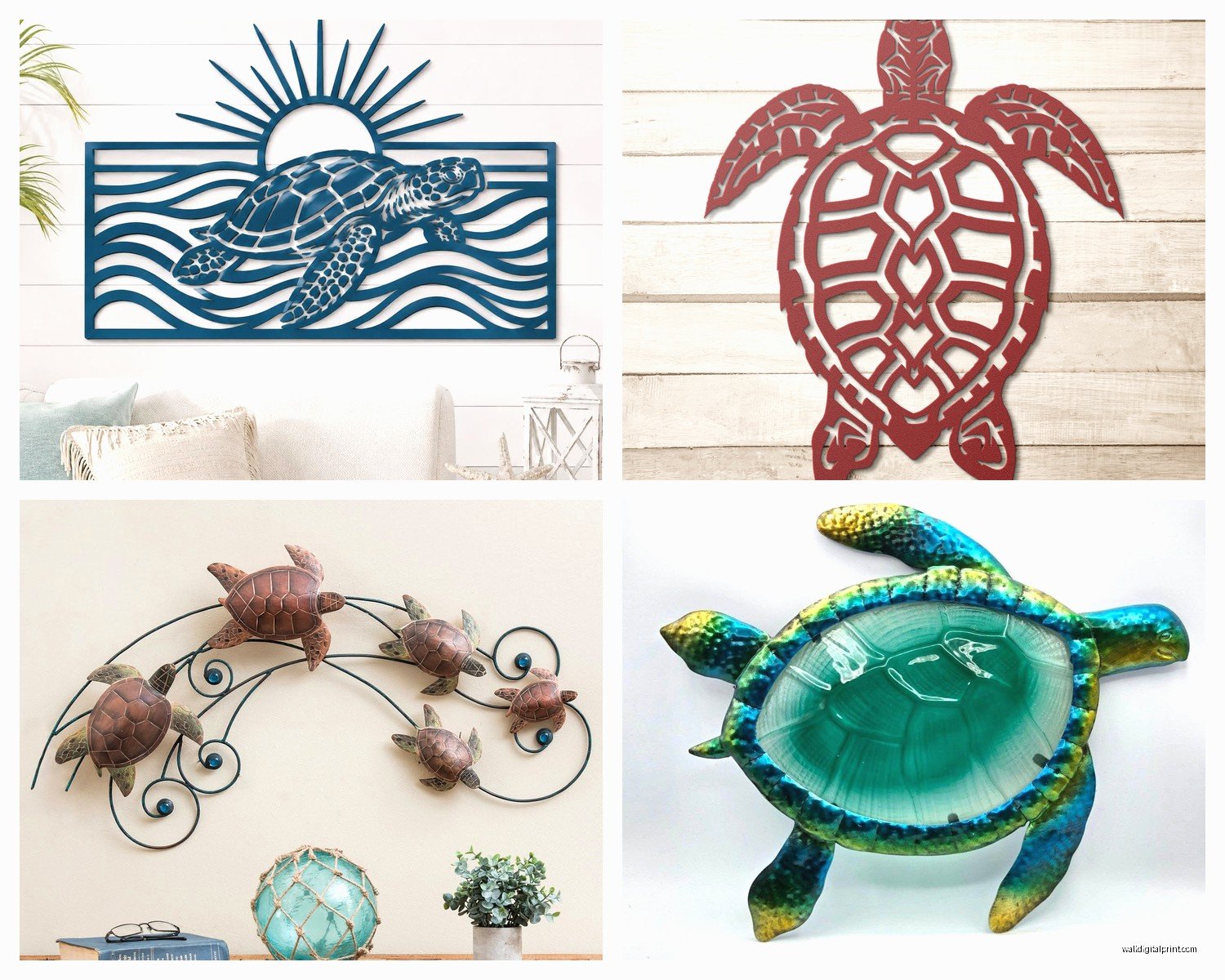
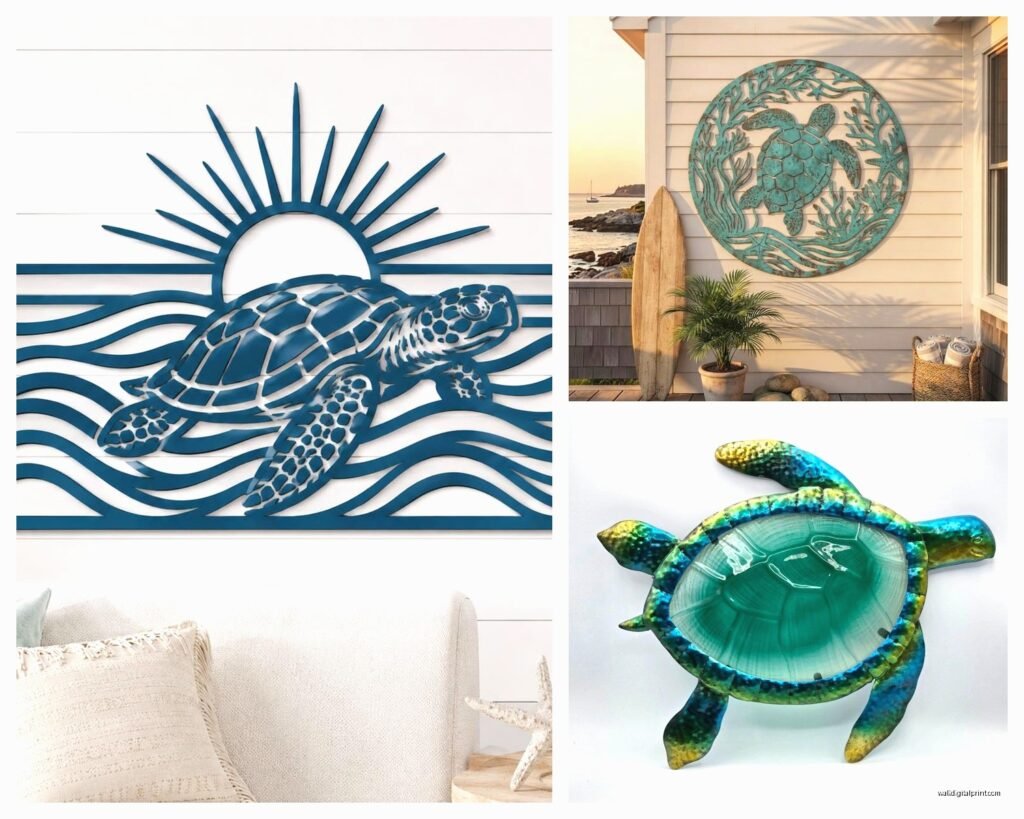
Okay so first thing – metal turtle designs come in like a million variations and you gotta figure out what vibe you’re actually going for. There’s the super realistic sculptural ones that look like an actual sea turtle swimming across your wall, then there’s the geometric modern ones that are more abstract, and then the boho-ish ones with cutouts and patterns.
I made the mistake of ordering this gorgeous copper one without thinking about my wall color and it literally disappeared against my terracotta accent wall. Like I hung it up and my partner walked right past it three times before noticing. So embarrassing.
The realistic sculptural pieces work best when you want that wow factor – they usually have dimensional shells with layered metal pieces that create depth. I found this amazing one at a local art fair that had the flippers actually extending out from the wall by like 3 inches and it casts the coolest shadows when the light hits it right.
Material Matters More Than You’d Think
Here’s where it gets specific and kinda important. Most metal turtle art comes in:
- Steel with powder coating – most durable, won’t rust, comes in tons of colors
- Copper or brass – develops that green patina over time which some people love
- Aluminum – super lightweight, good for renters who can’t put big holes in walls
- Mixed metals – usually steel base with copper or bronze accents
I’ve tested pieces in all these materials and honestly the powder-coated steel is gonna be your best bet for longevity, especially if you’re putting it anywhere near humidity. My bathroom turtle (yeah I have multiple, don’t judge) is powder-coated and it’s been perfect for two years. The copper one I put on my covered patio? Gorgeous patina but it happened faster than expected and now it’s very green which wasn’t the look I was going for initially but I’ve grown to love it.
Size and Scale – Where Everyone Messes Up
Okay so funny story, I ordered what I thought was a medium-sized turtle for above my couch and when it arrived it was like 12 inches. Looked like a baby turtle lost on this massive wall. The photos online are SO deceiving.
Here’s my actual measurement guide that I wish someone had told me:
Small pieces (12-18 inches) work for gallery walls or tight spaces like bathrooms, hallways, small entryways. Don’t put these on a big blank wall by themselves unless you’re doing a cluster.
Medium (24-36 inches) is your sweet spot for most applications. Above a console table, in a bedroom, smaller living room walls. This is what most people should actually be buying.
Large (40+ inches) makes a statement but you need the wall space to support it. I use these for clients with vaulted ceilings or really expansive blank walls. Also they’re heavy so installation is more involved.
Wait I forgot to mention – measure your wall space and then subtract like 20% from what you think will fit. Seriously. Art always looks bigger in person than you expect and you want breathing room around it.
The Installation Thing Nobody Talks About
So most metal turtle art comes with hanging hardware but it’s not always great hardware. I learned this the hard way when a piece fell off my wall at 2am and scared the absolute crap out of me and my dog who then barked for 20 minutes.
For lightweight aluminum pieces under 5 pounds, basic picture hangers are fine. But for the heavier sculptural ones, you’re gonna need:
- Wall anchors if you’re not hitting studs (and you probably won’t be)
- Heavy-duty picture hooks rated for at least 2x the weight of your piece
- A level because these look REALLY obvious when they’re crooked
- Possibly multiple mounting points – some larger pieces have 2-3 hanging spots
The three-dimensional pieces with protruding elements are trickier because they need to sit flush against the wall but also have those extending parts. Look for ones with recessed mounting brackets or french cleats. French cleats are honestly the best system for heavy metal art but they require more installation effort upfront.
Color and Finish Choices That Actually Matter
This is gonna sound weird but the finish you choose completely changes how the piece reads in a space. I’ve been binge-watching this restoration show while working on client boards and it’s made me think so much about patina and aging.
Matte finishes give you that modern, understated look. They don’t reflect light so they work well in bright rooms where you don’t want glare. Most powder-coated pieces come in matte.
Polished or brushed metal catches light and creates more visual interest. These are stunning but they also show fingerprints and dust more easily. I have a polished brass turtle that I literally have to wipe down weekly.
Verdigris or aged finishes give you that instant vintage coastal vibe. Some pieces come pre-aged, others you can let age naturally if they’re real copper or brass. The pre-aged ones are more predictable in terms of final color.
Multi-tone pieces with like bronze bodies and copper shells or whatever add complexity. These tend to be pricier but they’re more forgiving with existing decor because they pull multiple colors.
Oh and another thing – consider your lighting. I put a turtle with a glossy teal finish in a spot that gets direct afternoon sun and it’s almost blinding at certain times. Now it’s in a shadier corner and looks perfect.
Where to Actually Buy These Things
I’ve ordered from basically everywhere at this point. Here’s the real talk:
Etsy has the most unique handmade options and you’re supporting actual artists. Shipping can be expensive for heavy pieces though and return policies vary wildly by seller. I always message the seller first to ask about dimensions and weight before ordering.
Wayfair/Overstock/Amazon have tons of options at various price points. Quality is super inconsistent. Read the reviews carefully and look at customer photos not just the professional ones. I’ve gotten some surprisingly good pieces from Wayfair and some absolute garbage from Amazon.
HomeGoods/TJ Maxx sometimes have metal wall art including turtles but it’s hit or miss. You gotta go regularly and grab it when you see it. I found an incredible hammered copper turtle there for like $40 that would’ve been $150+ elsewhere.
Local art fairs and coastal boutiques if you live near the ocean. Pricier but usually higher quality and you can see them in person. Plus you can often commission custom sizes.
Direct from metal artists through their websites or Instagram. This is my favorite option for high-end pieces. Many metal sculptors do custom work and you can specify exact dimensions and finishes.
Styling It Without Making It Look Themed
So the challenge with turtle wall art is not making your space look like a beach gift shop exploded, you know? Unless that’s your vibe, which is totally fine, but most people want something more sophisticated.
I do this thing where I use the turtle as the ONLY obvious ocean element in a space and then support it with textures and neutrals. Like a metal turtle above a natural wood console with some ceramic vessels and dried grasses. The turtle becomes art rather than theme.
Or you can go the gallery wall route and mix your metal turtle with other art that’s not ocean-related at all. I did this in my home office with the turtle alongside some abstract prints and vintage botanical drawings. It works because the metal finish ties it together, not because everything is ocean themed.
Color-wise, metal turtles actually work in non-coastal color schemes. I’ve used aged bronze turtles in warm earthy spaces, black powder-coated ones in modern monochrome rooms, and even a bright turquoise one in a mostly neutral space where it became the pop of color.
Maintenance and Longevity
Most metal turtle art is pretty low maintenance but there’s some stuff to know. Powder-coated pieces basically just need occasional dusting. I use a microfiber cloth or sometimes a soft brush to get into the detailed areas.
Real copper and brass will continue to patina over time. If you want to stop the aging process, you can seal them with a clear lacquer. If you want to embrace it, just let it do its thing. I’ve also seen people use liver of sulfur to speed up the aging process if they want that antique look immediately.
For outdoor pieces, make sure they’re specifically rated for exterior use. Even covered patios get moisture and temperature fluctuations. I made the mistake of putting an indoor-rated piece on my porch and it started rusting within months even though it was “protected” from rain.
If you live in a really humid climate or near the ocean with salt air, powder-coated steel or aluminum is your best bet. Real copper and brass will patina aggressively in those conditions.
What to Avoid
Some red flags I’ve learned to watch for:
Pieces that are super cheap for their size usually use thin gauge metal that looks flimsy. You want something with some heft to it. If a 30-inch turtle is $25, it’s gonna look like $25.
Overly complicated designs with tons of tiny cutouts can look busy and collect dust like crazy. I have one with an intricate shell pattern that’s beautiful but cleaning it is annoying.
Turtles with weird proportions – I’ve seen some where the head is way too big or the flippers are oddly shaped. Look at actual sea turtle photos if you’re going for realism to make sure it’s anatomically reasonable.
Anything described as “rustic” or “distressed” that’s actually just poorly finished metal with rough edges. There’s a difference between intentional aging and sloppy craftsmanship.
My Current Favorites
I’ve got like five metal turtles in my own space now plus the dozens I’ve used in client projects. My personal favorite is this medium-sized one with a hammered copper shell and bronze flippers that I found at a craft show. It’s in my bedroom and catches the morning light perfectly.
For clients, I keep going back to these powder-coated steel ones from this artist I found on Instagram who does custom colors. They’re pricey but the quality is insane and they’re lightweight enough for easy installation but substantial enough to look expensive.
The best budget option I’ve found is actually from Wayfair – it’s their metal sea turtle in oil-rubbed bronze finish. It’s like $80 for a 28-inch piece and while it’s not handcrafted artisan quality, it looks way more expensive than it is and holds up well.
Okay I think that covers most of what I’ve learned through way too much trial and error with these things. The main thing is just to think about your specific wall, your lighting, and what vibe you actually want before you click buy on the first pretty turtle you see. Measure twice, order once, and don’t be afraid to return something if it doesn’t work in your space.