Wall Art Guide, Wall Art Tutoriels
Fashion Wall Art: Vogue Model Designer Clothing Decor
Sep
So I’ve been obsessing over fashion wall art lately and honestly it’s one of those things that sounds easier than it actually is. Like, you’d think you just slap up a Vogue poster and call it a day but there’s definitely a method to making it look intentional instead of like a college dorm room.
Figuring Out Your Vibe First
Okay so the biggest mistake I see people make is buying random fashion prints without thinking about what story they’re telling. I had a client last month who bought like six different Chanel prints and they all clashed because one was vintage 1920s, another was modern minimalist, and the others were all over the place. It was a mess.
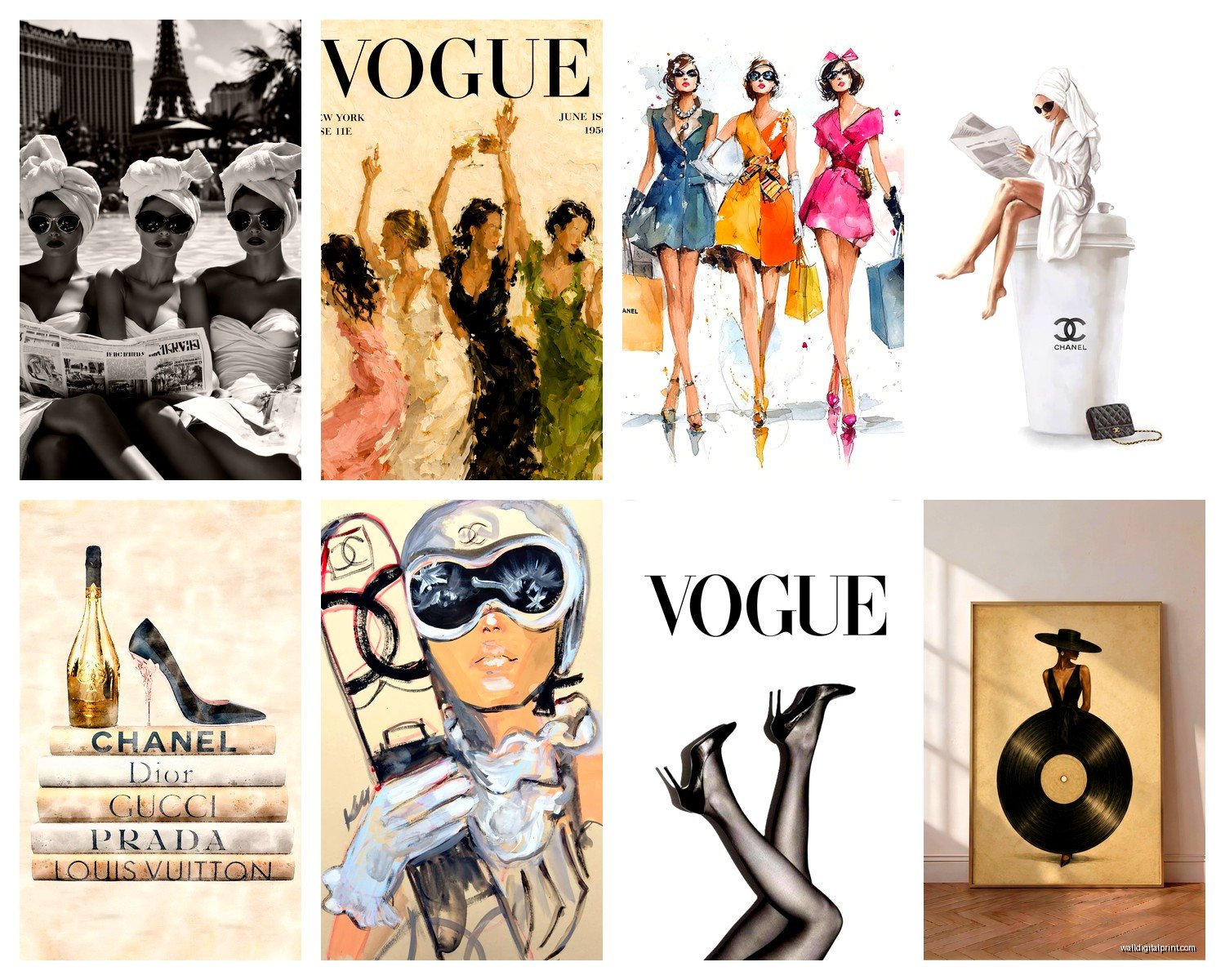
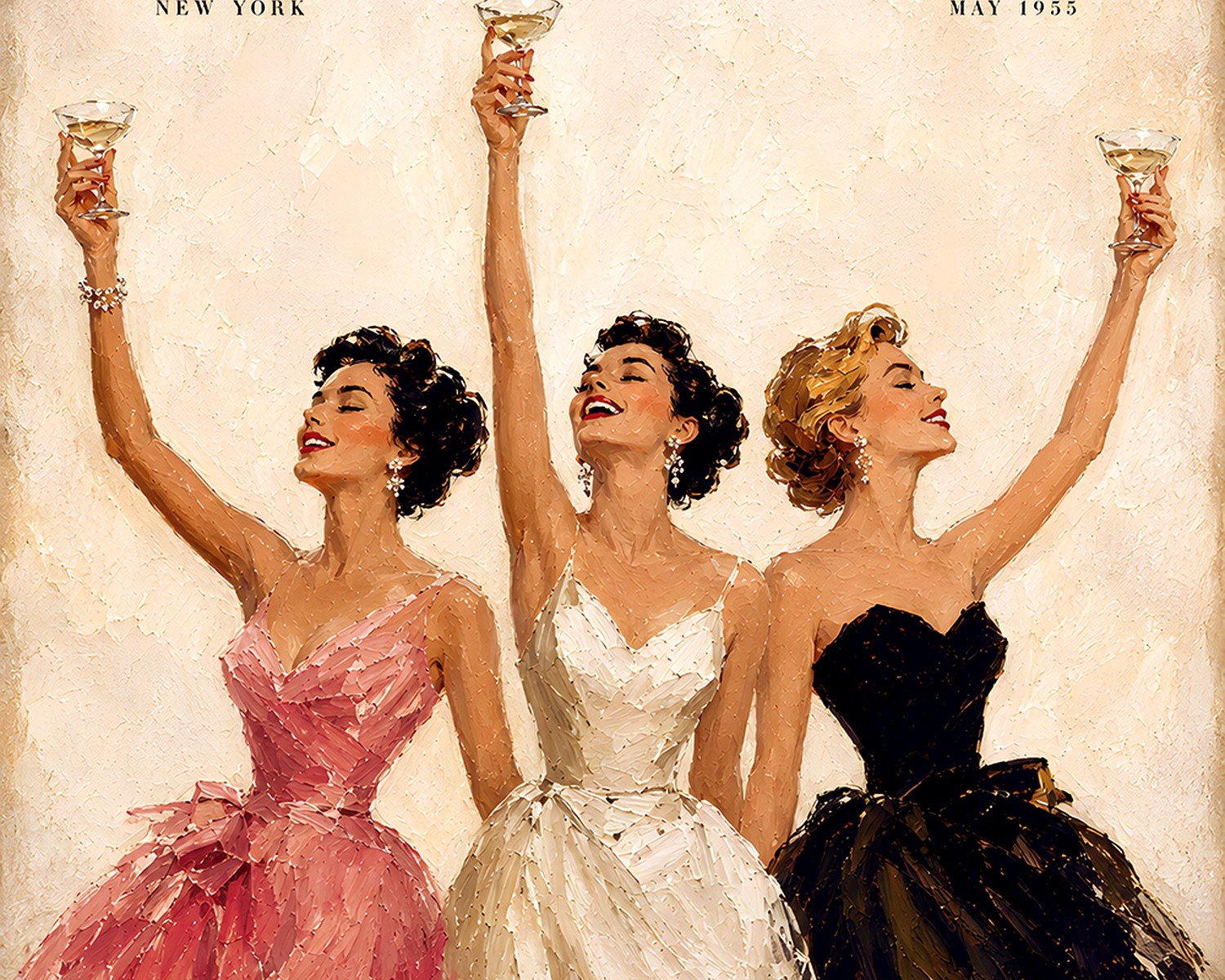
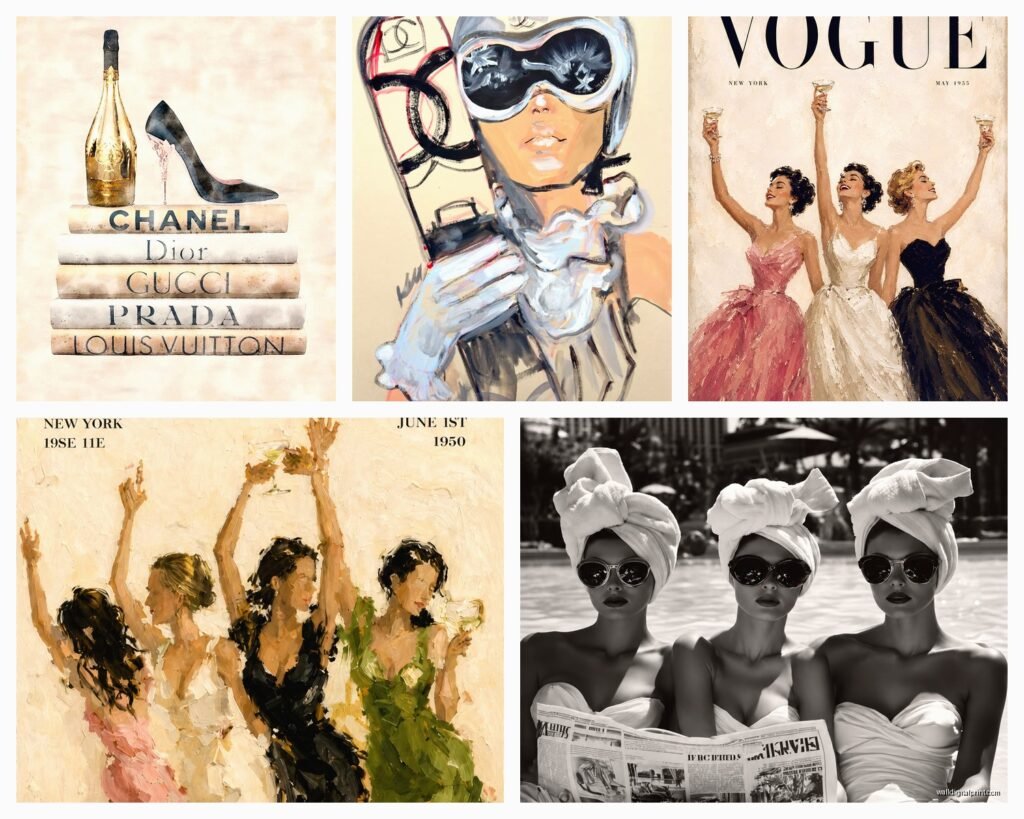
You gotta pick a lane. Are you going vintage Vogue covers from the 50s and 60s? Modern editorial photography? Black and white fashion sketches? Designer logo prints? Mixing them can work but you need a common thread—usually color palette or era.
I’m personally obsessed with black and white fashion photography right now because it works with literally everything and doesn’t compete with your furniture. My living room has three large black and white prints of models in dramatic poses and they’re all in thin black frames. Super cohesive.
Where to Actually Buy This Stuff
Oh and another thing—people always ask me where to get fashion wall art that doesn’t look cheap. Here’s what I’ve learned after spending way too much time (and money) on this:
Etsy is Your Best Friend
Seriously, Etsy has thousands of digital downloads of fashion prints. You can get a high-res file for like $5-15 and print it yourself at a local print shop or online. I use a shop called PrintRunway (not sponsored, just actually good) and they have amazing Vogue cover recreations and fashion illustrations. The quality is surprisingly good for digital downloads.
The trick is to look for sellers who offer 300 DPI files or higher. Anything less and it’s gonna look pixelated when you blow it up to poster size.
Society6 and Redbubble
These are great for when you want the printing and framing done for you. They’re a bit pricier but the convenience is worth it sometimes. I’ve ordered from both and Society6 tends to have better paper quality. Their framed prints come ready to hang which is clutch if you’re not handy.
Wait I forgot to mention—they have tons of independent artists doing fashion illustrations and you can support actual creators instead of just buying mass-produced stuff.
Actual Vintage Vogue Covers
If you want authentic vintage Vogue covers, check eBay and Etsy for original magazine pages. You can frame actual pages from old issues. I did this for my bedroom and it feels way more special than a reproduction. They run anywhere from $15-50 depending on the era and condition.
Just make sure the seller mentions the magazine is “complete” or you’re specifically buying a “loose page” because some people sell damaged magazines and you don’t want that.
The Size Situation
This is gonna sound weird but size matters SO much with fashion art. I see people buying these tiny 8×10 prints and hanging them alone on a massive wall and it just looks lost.
For fashion photography and model portraits, I think bigger is almost always better. Like 24×36 inches minimum if you’re doing a statement piece. Fashion imagery is meant to be dramatic and commanding—it needs scale to work.
If you’re doing a gallery wall with multiple pieces, you can go smaller but keep them at least 11×14 or 16×20. I made the mistake of mixing 5x7s with larger prints once and it looked juvenile.
My Favorite Sizing Formula
For above a sofa or bed, your art should be roughly two-thirds the width of the furniture. So if your couch is 90 inches wide, aim for a single piece that’s around 60 inches wide or a grouping of pieces that spans that width.
For gallery walls, I use painter’s tape on the floor to map out the arrangement before putting any holes in the wall. My cat kept walking through my tape layout which was annoying but it saved me from making permanent mistakes.
Framing Without Going Broke
Okay so funny story—I used to spend hundreds on custom framing until I discovered IKEA frames and they’re honestly great for fashion prints. The RIBBA and HOVSTA frames are cheap, come in tons of sizes, and have that clean modern look that works perfectly with fashion imagery.
For a more elevated look, I love thin black metal frames or natural wood frames. Target’s Threshold line has surprisingly good frames that look way more expensive than they are.
Mat or No Mat?
This depends on your style but here’s my take: fashion photography usually looks better without a mat because you want that image to fill the frame edge to edge. It’s more impactful. Fashion illustrations and sketches can go either way but I tend to mat those with white or cream mats for a gallery feel.
If you’re printing your own stuff, most print shops can trim your print to fit standard frame sizes which saves you the hassle of custom framing.
Actually Hanging This Stuff
The standard rule is to hang art so the center is at eye level, which is usually around 57-60 inches from the floor. But for fashion art specifically, I sometimes go a bit higher because models are tall and the composition often works better slightly elevated.
Use a level. I know it sounds obvious but I’ve seen so many crooked fashion prints and it completely ruins the sophisticated vibe you’re going for.
For gallery walls, start with your largest piece and build around it. I usually put the biggest piece slightly off-center (not dead center) and arrange smaller pieces around it. Leave 2-3 inches between frames for a cohesive look.
Command strips are great for lightweight frames but anything over 5 pounds needs actual picture hooks or wall anchors. I learned this the hard way when a frame came crashing down at 2am and scared the crap outta me.
Styling Different Rooms
Bedroom
This is where you can get really personal with your fashion art. I love doing a statement piece above the bed—like a single large black and white fashion portrait. Or a triptych of three vertical prints showing different poses or outfits.
Vintage perfume ads also work really well in bedrooms. They’re fashion-adjacent and add that glamorous touch without being too literal.
Closet or Dressing Area
If you have a walk-in closet or dressing area, this is prime real estate for fashion art. I hung a series of four Chanel handbag illustrations in my client’s closet and it elevated the whole space. Made getting dressed feel like a luxury experience.
Small fashion sketches and designer logo prints work great here because the space is more intimate.
Living Room
Living rooms need fashion art that’s conversation-starting but not too personal. I go for editorial photography—dramatic runway shots, architectural fashion photography, or iconic designer pieces.
Avoid anything too trendy here because you’ll get sick of it. Stick with timeless images that could’ve been shot yesterday or thirty years ago.
Home Office
This is where fashion illustrations and sketches really shine. They’re inspiring but not distracting. I have a series of watercolor fashion sketches above my desk and they add personality without being overwhelming when I’m trying to work.
Color Coordination Tips
If you’re doing colorful fashion prints, pull colors that are already in your room. Like if you have navy throw pillows, look for fashion art that incorporates navy. This creates cohesion.
My go-to is starting with neutral fashion art (black and white) and then adding one or two colorful pieces as accents. It’s less risky than going all colorful.
Oh and another thing—metallics in fashion art (gold, silver, rose gold) can act as neutrals. A print with gold designer logos or metallic fashion details can bridge warm and cool color schemes.
Mixing Fashion Art with Other Art
You don’t have to make your whole house a fashion gallery. I mix fashion prints with abstract art, botanical prints, and photography. The key is having some unifying element—could be color, frame style, or overall mood.
In my living room, I have two fashion prints mixed with three abstract pieces and one landscape photo. They all have black frames and similar color palettes (blacks, whites, grays, with touches of blush pink). It works because there’s consistency even though the subjects are different.
Lighting Makes a Huge Difference
This is something people forget about. Fashion art needs proper lighting to look its best. If you’re hanging it on a dark wall or in a dim hallway, consider adding picture lights or adjusting your room lighting.
I installed LED picture lights above my fashion prints in the bedroom and it completely transformed them. They look museum-quality now.
Natural light is great but watch out for direct sunlight because it’ll fade your prints over time. UV-protective glass or acrylic is worth it for valuable pieces.
DIY Fashion Art Ideas
Wait I forgot to mention—you can create your own fashion art if you’re crafty. I’ve done a few DIY projects that turned out surprisingly well:
Frame pages from fashion magazines in matching frames for an editorial collage wall. Tear out your favorite editorials and ads, use identical frames, and arrange them in a grid. Super affordable and you can swap them out seasonally.
Print designer logo patterns on fabric and stretch them over canvas. I did this with a Burberry check pattern and it looks like expensive wall decor but cost like $30 total.
Scan or photograph your own designer pieces (shoes, bags, jewelry) and print them as art. I photographed a vintage Hermès scarf and had it printed on canvas. It’s personal and unique.
Quick Sources for Prints
- Desenio has affordable fashion prints that ship fast
- Minted for higher-end independent artist designs
- Zara Home sometimes has fashion prints in their decor section
- H&M Home has surprisingly cute fashion illustrations
- AllPosters for reproduction vintage Vogue covers
- Juniqe for European fashion art vibes
The thing about fashion wall art is it’s totally personal and there’s no wrong answer as long as it makes you happy when you look at it. I’ve spent hours overthinking placement and frame colors only to realize that if I love the image, everything else is just details.
Just start with one piece you genuinely love, hang it somewhere you’ll see it daily, and build from there. Don’t buy a whole gallery wall at once because your taste will probably evolve as you live with it. My fashion art collection has changed so much over the past few years and that’s totally normal.