Wall Art Guide, Wall Art Tutoriels
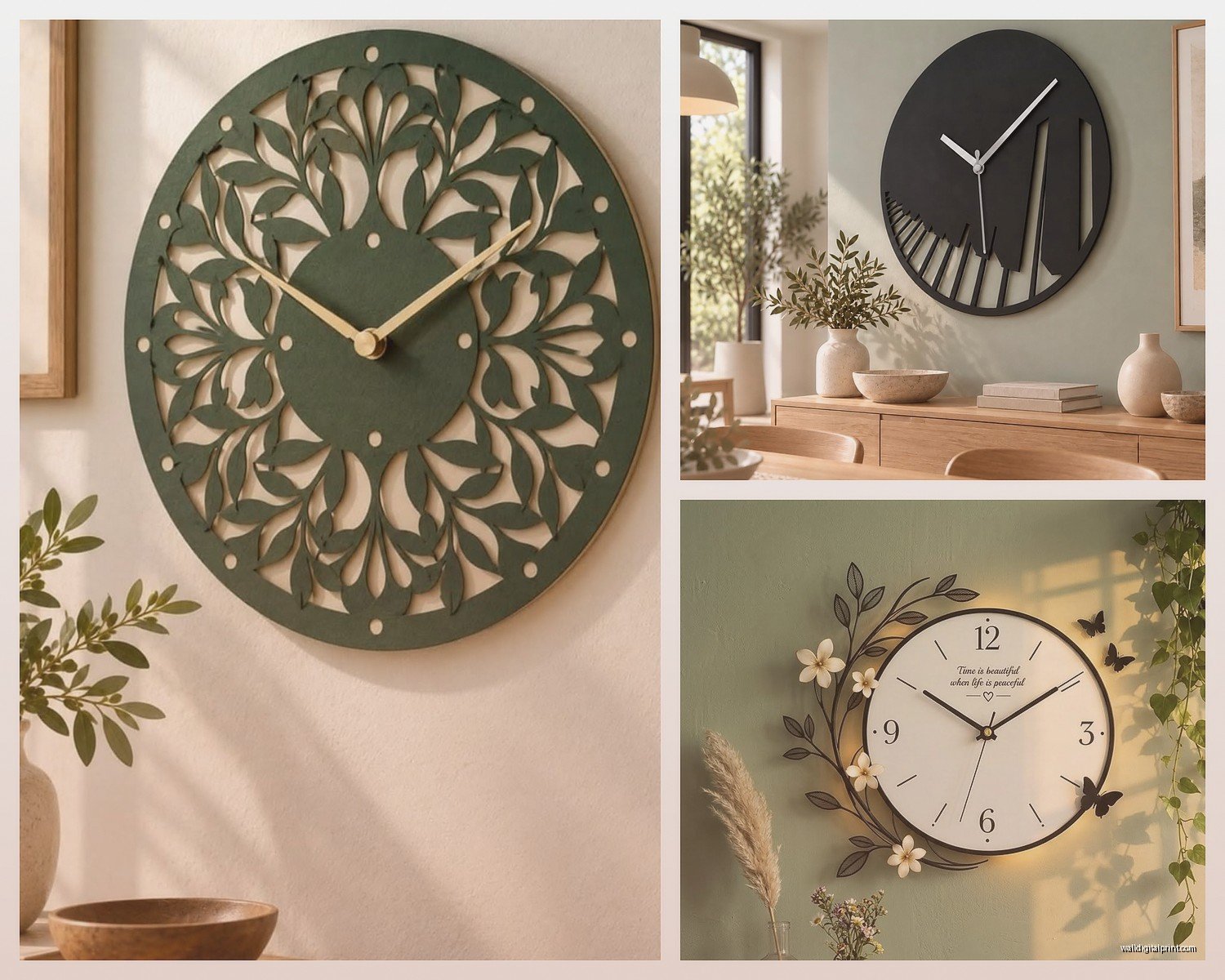
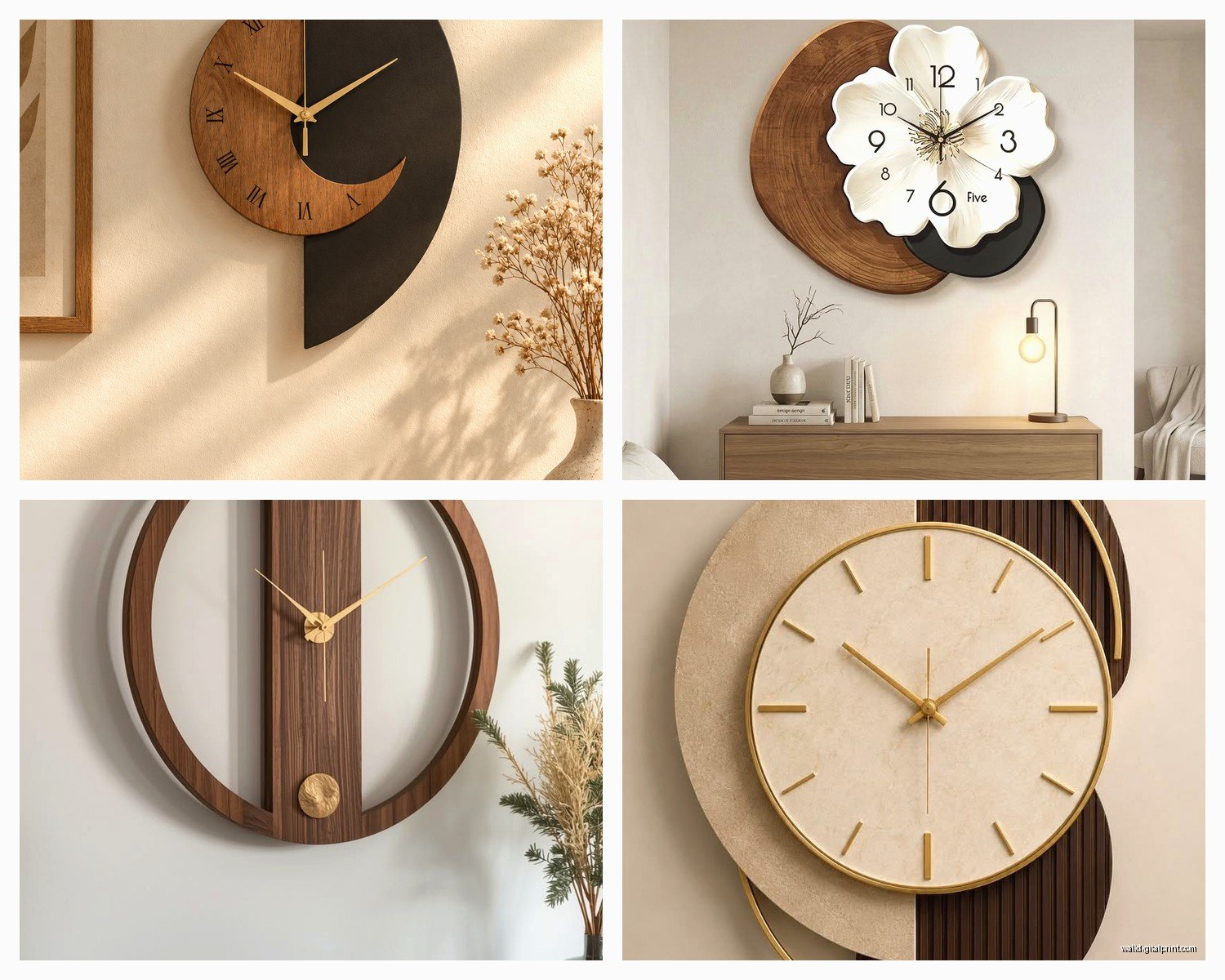
Wall Art Clock: Functional Timepiece Decorative Designs
Nov
So I’ve been obsessing over wall art clocks lately because honestly, why should a clock just tell time when it can actually look good doing it, right? Like I was reorganizing my studio apartment last month and realized the basic IKEA clock I had was just…sad. That’s when I fell down this whole rabbit hole.
Why Wall Art Clocks Are Actually Worth It
Okay so here’s the thing about these clocks that I didn’t get at first. They’re basically pulling double duty in your space. You need to know what time it is anyway, might as well have something that doesn’t make your wall look boring. I tested this theory in a client’s living room where we had this awkward blank wall between two windows and a regular clock just looked like an afterthought but a oversized metal sunburst clock? Suddenly it was the whole focal point.
The key is figuring out what you actually need. Are you trying to fill a massive wall? Do you want something subtle? Is your space modern or more traditional? I made the mistake of buying this gorgeous mid-century style clock for my kitchen and it looked completely wrong because everything else was farmhouse style. Had to return it, which was annoying.
Types That Actually Work in Real Spaces
Oversized Statement Clocks
These are usually 24 inches or bigger and they make a HUGE impact. I’m talking about those clocks where the numbers are like a foot apart on your wall. My friend installed one in her loft and it takes up basically half the wall but in that industrial space it’s perfect.
The thing about oversized clocks is you gotta have the wall space for them. I tried putting a 30-inch clock above a console table that was only 36 inches wide and it looked ridiculous. The general rule I follow now is the clock should be about two-thirds to three-quarters the width of the furniture below it, or if it’s on a blank wall, make sure you have at least 6 inches of space on each side.
Installation is gonna be more involved too. These things are heavy and you can’t just use a basic nail. I learned this the hard way when a clock crashed down at 3am and scared my cat so badly she didn’t come out from under the bed for like six hours. Use proper wall anchors, preferably toggle bolts if you’re going into drywall.
Gallery Wall Integration Clocks
This is where it gets fun. You can actually incorporate a clock into a gallery wall setup and it doesn’t look forced if you do it right. The trick is treating the clock like any other piece of art in terms of frame style and sizing.
I did this in my own hallway with a bunch of black frames and a simple black-rimmed clock with a white face. The clock was about the same size as the largest frame, positioned slightly off-center but not in a way that bugs you. What makes this work is keeping the visual weight balanced. The clock naturally draws the eye because it’s functional, so I put it in the middle-ish area and surrounded it with lighter pieces.
Oh and another thing, make sure the clock face is readable from where you’ll actually be looking at it. I see so many people put decorative clocks in gallery walls where the numbers are tiny or artistic but then you can’t actually tell the time without squinting.
Sculptural and 3D Designs
These are the ones that stick out from the wall or have dimension to them. Could be gears that actually move, could be layered materials, could be these cool shadow-box style designs. I installed one in a client’s office that had wooden geometric shapes creating depth and it photographs amazingly.
The consideration here is lighting. These clocks need good light to show off their dimension otherwise they just look flat and you lose the whole point. I position them where natural light hits during the day or add picture lights if it’s a darker area.
Also watch out for dust. All those crevices and layers collect dust like crazy. Not gonna lie, cleaning these is kind of a pain but they look so good that I deal with it.
Material Choices That Matter
Okay so material is huge and nobody really talks about this enough.
Metal clocks work great in modern, industrial, or even farmhouse spaces. They’re durable, don’t warp, and usually have that handmade look even when they’re mass-produced. I have a copper-finished one in my dining area that’s developed this patina over two years and it actually looks better now. The downside is they can be heavy and some of the cheaper ones have a tinny look that screams budget.
Wood clocks give you that warm organic feel. I love these for bedrooms and living rooms where you want things to feel cozy. The grain patterns make each one unique even if it’s the same design. But humidity is your enemy here. I put a wooden clock in a bathroom once because it matched the vanity perfectly and within six months it warped. Don’t be like me.
Acrylic and resin clocks are having a moment right now. They’re lightweight, come in crazy colors, and work really well in contemporary spaces. I used a frosted acrylic clock in a small apartment where we needed something that didn’t feel heavy visually and it was perfect. They scratch easier though so keep them away from high-traffic areas where things might bump into them.
Mixed Materials
This is where it gets interesting. Clocks that combine wood and metal, or concrete and brass, or whatever combination you can think of. These work in transitional spaces where you’re blending styles. I have one that’s reclaimed wood with metal hands and numbers and it bridges my vintage furniture with more modern lighting.
Placement Strategy That Actually Makes Sense
So placement is where people mess up the most. You can have the most beautiful clock but put it in the wrong spot and it’s just wasted.
Living rooms: Above the sofa is classic but make sure it’s high enough that people sitting don’t block it. I usually go 6-8 inches above the sofa back. Or do a side wall if your room layout allows it. The wall opposite your main seating works great because you can glance at it naturally.
Kitchens: Honestly kitchens are tricky because you need to see the clock while you’re cooking but also you have cabinets and appliances taking up space. I like putting them on the wall opposite the stove or on a side wall near the dining area. And please don’t put them right next to the fridge where the magnet field might mess with the mechanism, learned that one from experience.
Bedrooms: Wall opposite the bed is ideal so you can see it when you wake up. I personally don’t love ticking sounds in bedrooms so I always go with silent sweep movements for these spaces. Also consider if you want it backlit or if that’ll keep you awake.
Home offices: Behind your desk is perfect because video calls pick it up and it looks professional but also you can glance back when you’re working. Just make sure it’s not creating glare on your screen.
Size Guidelines Nobody Tells You
This is gonna sound weird but I actually measure everything now before buying clocks. Too many returns taught me this lesson.
For walls, the clock should take up roughly one-half to two-thirds of the available wall space to look proportional. On a 6-foot wide wall, you’re looking at a 24-36 inch clock to make it feel intentional rather than like you just stuck something up there.
Above furniture, I already mentioned the two-thirds rule but also consider height. A clock hung too high looks like it’s floating away, too low looks cramped. From the floor, center the clock around 60-65 inches up, which is average eye level. Adjust if you have really high or low ceilings.
In small rooms, don’t be afraid of larger clocks actually. A 20-24 inch clock in a small room can make the space feel bigger because it draws the eye and creates a focal point. I did this in a tiny powder room with a gold sunburst clock and everyone comments on how the room feels more spacious than it is.
Mechanisms and Movements You Should Know About
Okay so the inside stuff matters way more than you’d think.
Quartz movements are what most clocks use. They’re battery-operated, accurate, and affordable. The ticking can be loud on some models though. Always check reviews for noise complaints if you’re putting it in a quiet space.
Silent sweep movements are quartz but the second hand glides instead of ticking. These cost a bit more but worth it for bedrooms and offices where that tick-tick-tick would drive you insane. I replaced three regular clocks with silent ones in my apartment and my stress levels legitimately decreased.
Mechanical movements are the wind-up kind and they’re mostly for vintage or high-end decorative clocks. Beautiful but high maintenance and not super accurate. I have one that’s more art piece than functional timepiece.
Style Matching Without Overthinking It
You don’t need to match everything perfectly but there should be some connection to your existing decor.
Modern spaces love clean lines, minimal numbers, and materials like metal or acrylic. Think simple geometric shapes, monochrome colors, maybe a pop of color if your space is really neutral.
Farmhouse and rustic work with distressed wood, Roman numerals, vintage-looking finishes. I use a lot of weathered white or natural wood tones here. The chunky wooden clocks with big numbers fit this vibe perfectly.
Industrial spaces can handle exposed gears, metal finishes, oversized designs. The more raw and unfinished it looks, the better actually.
Traditional and classic rooms need more ornate details. Carved wood, brass accents, elegant fonts. These clocks usually have more decorative elements around the face.
Bohemian spaces are where you can get weird with it. Mix patterns, colors, unusual shapes. I saw someone use a clock with a mandala design and it was perfect for their boho apartment.
Installation Tips From Someone Who’s Hung Too Many Clocks
Get a level. Seriously, eyeballing it never works and a crooked clock bothers everyone even if they don’t say anything.
For heavy clocks over 10 pounds, use wall anchors rated for at least twice the weight. Hardware usually comes with the clock but it’s often cheap so I buy better anchors separately.
Mark your spot before you drill. I use painter’s tape to mark the center point and level line. Then I can step back and see if it looks right before committing.
If your clock has a hanging bracket, make sure it’s secure on the back of the clock itself. I’ve had brackets come loose and the whole thing crashes down.
For oversized clocks with separate numbers or elements, lay everything out on the floor first. Take a photo. Then transfer those measurements to the wall. This saves so much frustration.
Maintenance Stuff You Should Actually Do
Change batteries annually even if the clock still works. Weak batteries can damage the mechanism.
Dust regularly, especially sculptural designs. I use a soft brush attachment on my vacuum for clocks with lots of details.
If a clock starts running slow or fast, it might just need new batteries. If that doesn’t fix it, the mechanism might be shot and honestly it’s usually cheaper to replace than repair unless it’s expensive or sentimental.
Keep clocks away from extreme temperature changes and humidity. Mechanisms don’t like moisture and faces can warp or discolor.
Where to Actually Buy Good Ones
I’ve found the best selection at a mix of places. West Elm and CB2 have modern options that are decent quality. Wayfair has everything but you gotta read reviews carefully because quality varies wildly. Etsy is amazing for unique handmade pieces and you’re supporting actual artists. Target surprisingly has some good budget-friendly options especially for farmhouse styles.
For high-end sculptural pieces, I look at Design Within Reach or Room & Board. Yeah they’re expensive but they last forever and look incredible.
Thrift stores and estate sales can be gold mines for vintage clocks that just need new mechanisms. I’ve found some amazing mid-century pieces this way for like twenty bucks.
The thing about wall art clocks is they’re one of those purchases where spending a bit more usually pays off because you look at it every single day. A cheap clock that looks cheap will bug you forever, but a really good one becomes part of your space in this way that’s hard to explain until you experience it.
I’m still finding new designs I want to try and my walls are basically full at this point but that’s never stopped me before so…