Wall Art Guide, Wall Art Tutoriels
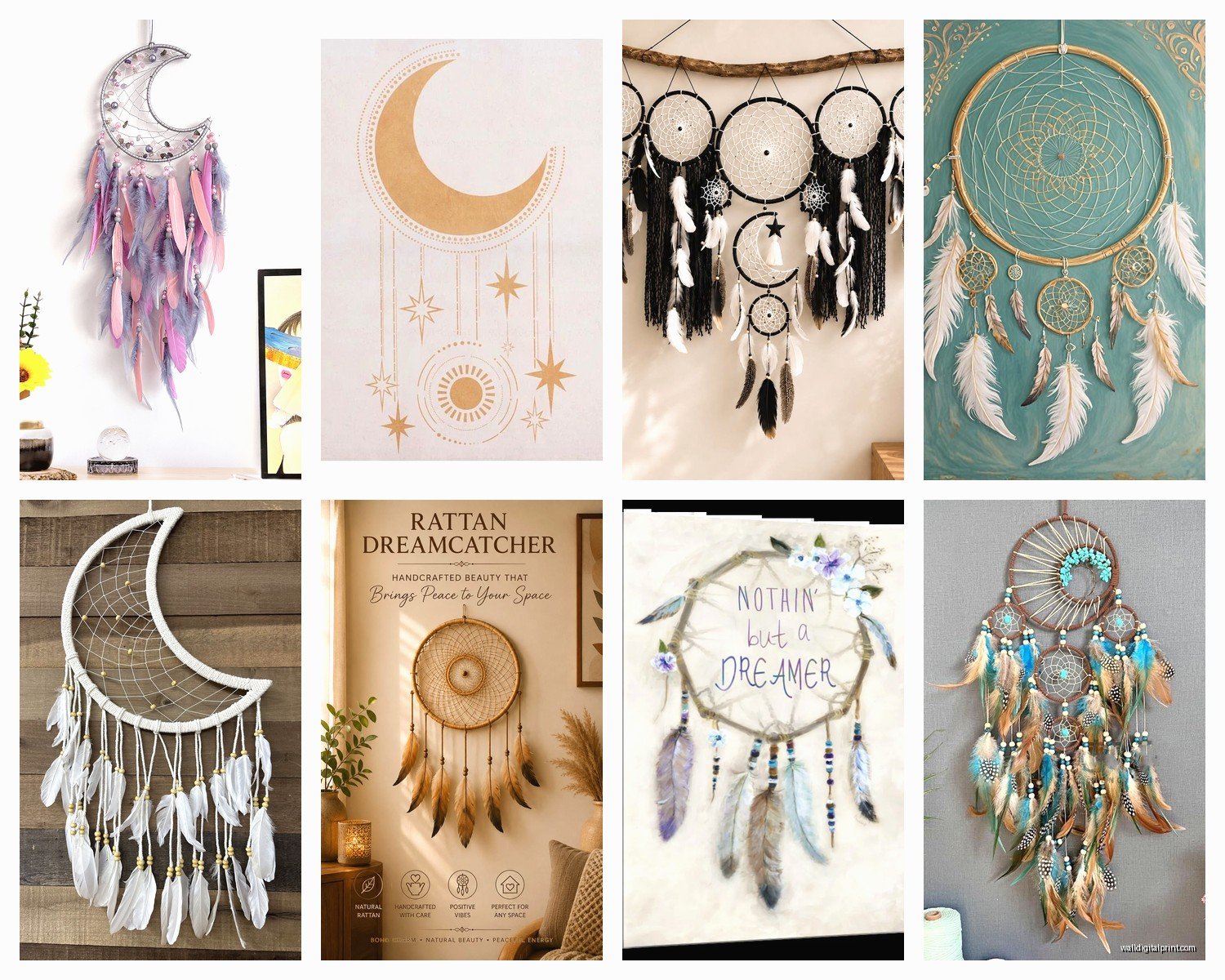
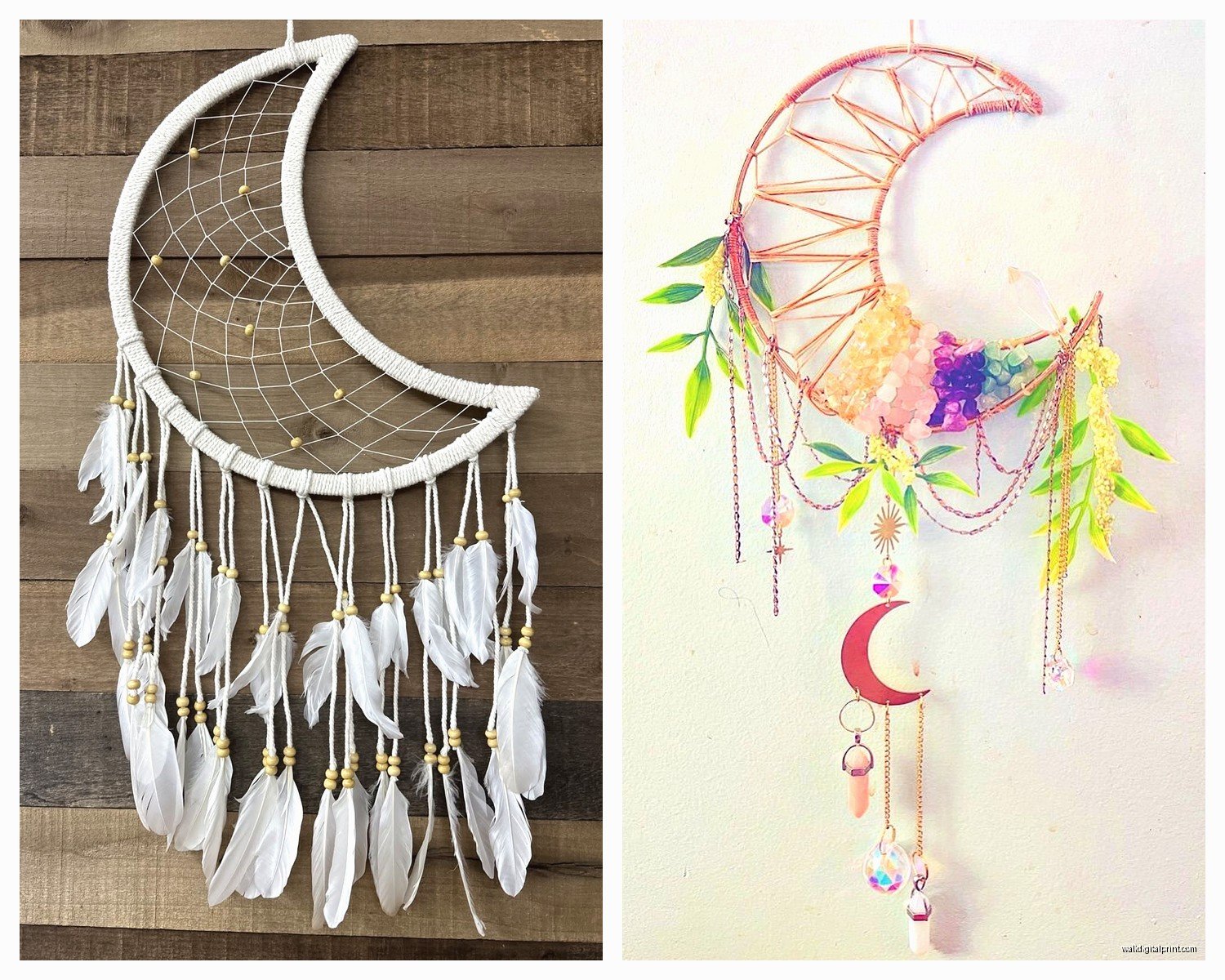
Dream Catcher Wall Art: Native American Inspired Decor
Jun
So I’ve been down this dream catcher rabbit hole for like three months now because a client wanted to do this whole bohemian bedroom thing but didn’t want it to look like a college dorm, and honestly? It’s way more complicated than just hanging a circle with feathers on your wall.
First thing you gotta know is there’s a massive difference between actual Native American dream catchers and the mass-produced stuff you see everywhere. Like, huge difference. And I’m not even talking about cultural appropriation right now (though we’ll get to that), I mean literally the quality and look. The authentic ones from Ojibwe or Lakota artisans have this weight to them, the webbing is tighter, the materials feel different in your hands. They’re also like $80-300 instead of $15, which yeah, I know.
The Whole Cultural Sensitivity Thing
Okay so this is gonna sound preachy but hear me out. Dream catchers actually have specific meaning in Ojibwe culture, they’re not just random decorative objects. My friend Sarah who’s Anishinaabe explained this to me over coffee last year and I felt kinda dumb for not knowing. They’re traditionally given to children, the web catches bad dreams, good dreams pass through the center hole. There’s actual spiritual significance.
What I do now is I only buy from Native artisans directly when I’m getting real dream catchers. Etsy has a bunch of verified Native sellers, there’s also Beyond Buckskin and stuff like that. If you’re just going for the aesthetic and buying mass-produced ones from like Target or whatever, at least be honest with yourself about what you’re doing. Don’t call it “honoring” the culture when you bought it next to paper towels, you know?
Where to Actually Source These Things
If you want authentic pieces made by Native artisans:
- Etsy shops run by enrolled tribal members (they usually state this clearly)
- Eighth Generation (they have a Native art collective)
- Local powwows if you’re near any reservations
- Museum gift shops at Native cultural centers
The authentic ones I’ve gotten have been from a maker named Morning Star Designs on Etsy and the quality is just… there’s no comparison. The sinew is hand-tied, the feathers are actually eagle or pheasant not dyed chicken feathers, the hoop is wrapped in genuine leather.
If you’re going for boho aesthetic and want the dream catcher LOOK without the cultural piece:
- World Market has decent macrame circles that give similar vibes
- Anthropologie’s woven wall hangings work too
- You can make your own with embroidery hoops and yarn which honestly looks better than cheap fake ones
Sizing and Placement (This Matters More Than You Think)
I’ve hung probably 40 of these things in the past year and here’s what I’ve learned. A tiny 6-inch dream catcher looks ridiculous on a big empty wall. Just does. You need to go bigger than you think or cluster them.
For over a bed: minimum 12 inches diameter, honestly 18-24 inches looks better unless you’re doing a cluster. I did this thing where I hung five different sized ones (8, 10, 12, 14, 16 inch) in a cascading pattern and it looked sick. Client cried when she saw it which was awkward but also cool.
For smaller spaces like above a nightstand or in a reading nook: 8-12 inches is perfect.
The feathers hang down obviously so measure that too. Some of mine have feathers that drop like 20 inches below the hoop. You don’t want them brushing against your headboard constantly or hitting people in the face.
Height Placement
Everyone hangs these too high. I see it constantly. The center of the dream catcher should be at eye level when you’re standing, which is usually around 57-60 inches from the floor. Not ceiling height. Not door frame height. Eye level.
Exception is if you’re hanging it over furniture, then you want 6-8 inches between the furniture top and where the dream catcher starts. My cat knocked one down last week because I hung it too low over the dresser and she decided to investigate, so yeah, learn from my mistakes.
Color Schemes That Don’t Look Chaotic
This is where people mess up the most. They buy every colorful dream catcher they see and suddenly their wall looks like a festival threw up on it.
Stick to a palette. If your room is neutral tones (whites, beiges, grays), get dream catchers in:
- Natural materials – undyed feathers, tan or brown leather, cream webbing
- Or ONE accent color repeated – like all turquoise beads, all coral feathers
If your room already has color, pull those exact shades into your dream catcher. I had a room with dusty blue bedding and I found dream catchers with blue and white webbing, white feathers, silver beads. Looked intentional instead of random.
The boho rainbow ones can work but only if your whole room is maximalist. Like if you’ve already got printed rugs, patterned pillows, colorful art, then sure. Otherwise it’s too much.
Materials Guide
Real quick on what you’re actually getting:
Hoops: Willow is traditional and flexible, metal hoops are fine but less authentic, wrapped hoops (covered in leather, suede, or fabric) look more finished
Webbing: Sinew (animal tendon) is traditional but uncommon now, artificial sinew works, cotton thread, hemp cord, or thin leather strips all work
Feathers: This is controversial but naturally shed feathers are best, craft store dyed feathers are what most commercial ones use and they look obviously fake, pheasant and turkey feathers are legal and look good
Beads: Wooden beads, gemstone chips, bone beads, glass beads, metal charms – whatever matches your vibe
I got this one dream catcher that has raw amethyst chips woven into it and it catches the light so prettily in the morning.
DIY If You’re Into That
Okay so funny story, I tried making my own after watching like three YouTube videos and my first attempt looked like a spider had a seizure. But my fourth one actually turned out decent. If you wanna try:
You need:
- Metal or wooden hoop (embroidery hoops work great, 6-10 inch diameter to start)
- Suede lacing or fabric strips to wrap the hoop
- Artificial sinew or strong thread for the webbing
- Beads
- Feathers (craft stores, or collect naturally shed ones if you’re patient)
- Hot glue gun
There’s different webbing patterns but the basic one is: tie your thread to the hoop, wrap around the hoop at intervals (usually 8 or 12 points), then keep going around pulling through the loops you created, gradually working toward the center. Add beads as you go. It’s actually kinda meditative once you get the rhythm.
For the feathers, thread them onto separate strings with beads, then tie multiple strings to the bottom of the hoop at different lengths.
The wrapping part takes forever though. Wrapping a 10-inch hoop in suede lacing took me like 45 minutes while watching Succession.
Styling With Other Decor
Dream catchers work best when they’re not the ONLY bohemian thing in the room. You need supporting elements or it looks random.
Pair with:
- Macrame wall hangings
- Woven baskets
- Natural wood furniture
- Plants (always plants, pothos or snake plants in woven baskets)
- Textured throws and pillows
- Rattan or bamboo pieces
- Geometric prints
I did this bedroom where we hung a large dream catcher above the bed, then flanked it with two macrame plant hangers, added a chunky knit throw, some printed pillows with triangle patterns, and a jute rug. Everything talked to everything else.
What doesn’t work: dream catcher in an otherwise minimalist modern room. Just doesn’t. The styles clash too hard. You need some textural warmth for it to make sense.
Lighting Considerations
This is gonna sound weird but dream catchers look completely different depending on the light. In direct sunlight, the feathers glow and the shadows on the wall are gorgeous. In dim lighting, they can look kinda creepy honestly, like something’s lurking in the corner.
I always place them where they’ll get some natural light during the day. Near windows, across from windows, anywhere the sun hits for at least part of the day. If you only have artificial light, make sure you have warm-toned bulbs not those harsh white LEDs.
Multiple Dream Catcher Arrangements
If you’re hanging more than one, there’s a few ways to do it that look intentional:
Cluster: Group of 3-5 in different sizes, hung at varying heights close together. Odd numbers look better than even.
Linear: Three in a straight line, either horizontal above a headboard or vertical down a narrow wall. Keep them the same size or graduate them.
Constellation: Scattered across a wall in an organic pattern. This only works on big walls and you need at least 7-9 pieces. I use painter’s tape to map it out first.
Layered: One large one in back, smaller ones overlapping in front. Creates depth but you gotta make sure the colors don’t fight each other.
The biggest mistake is spacing them too far apart. They should feel like a collected grouping, not random decorations that happen to be on the same wall.
Maintenance Nobody Talks About
Feathers collect dust like crazy. You gotta dust these things regularly or they get gross and matted. I use a soft paintbrush or the brush attachment on my vacuum on the lowest setting. Every couple months.
If they’re in a sunny spot, the colors will fade over time. Natural materials age better than dyed stuff which can look sun-bleached and sad.
The webbing can loosen, especially on cheaper ones. Sometimes you can tighten it by gently pulling the threads, but if it’s really loose you might need to redo it or just replace the piece.
oh and another thing – if you have cats, hang these higher than you think. My cat is obsessed with feathers and she’s destroyed two dream catchers by pulling herself up the wall to bat at them. Dogs usually don’t care but cats see them as prey.
Price Reality Check
Authentic Native-made dream catchers: $60-400 depending on size and artist
Quality handmade (not necessarily Native): $35-120
Mass produced decent quality: $20-45
Cheap craft store ones: $8-25
The cheap ones fall apart. The feathers shed, the webbing sags, the beads pop off. I’ve bought probably 15 of them for various projects and staging jobs and I’d say half are still intact after a year.
If you’re gonna do this, invest in at least one good piece as your focal point, then you can supplement with less expensive ones if you want a cluster. Don’t cheap out on all of them.
Room-Specific Ideas
Bedroom: Above the bed is obvious but also consider above a dresser, in a corner reading nook, or flanking a window
Nursery: This is actually the traditional use, so a single special one above the crib (secured very well, nothing baby can pull down)
Living room: Large statement piece above a couch, or a cluster on an accent wall
Bathroom: Small ones work in bathrooms if you’ve got a boho spa vibe going, keep them away from direct shower steam though
Office: Above your desk or in a meditation corner if you have one
I personally have three in my bedroom – one big 18-inch one centered above my bed, and two smaller 8-inch ones on either side of my dresser mirror. They’re all in cream and natural brown tones so they don’t overwhelm the space.
The main thing is just making sure whatever you choose actually fits with your existing style and isn’t just trendy decoration you’ll hate in six months. I’ve taken down so many dream catchers from client homes during redesigns because they bought them on impulse and they never really fit the space.