Wall Art Guide, Wall Art Tutoriels
Swan Wall Art: Elegant Bird Lake & Pond Decor
Jun
So I’ve been working with swan wall art for like three years now and honestly it’s one of those things that either makes a room look incredibly sophisticated or kinda tacky if you get it wrong, and I’m gonna help you avoid the tacky route because I’ve definitely made those mistakes myself.
The Whole Vibe Thing With Swan Decor
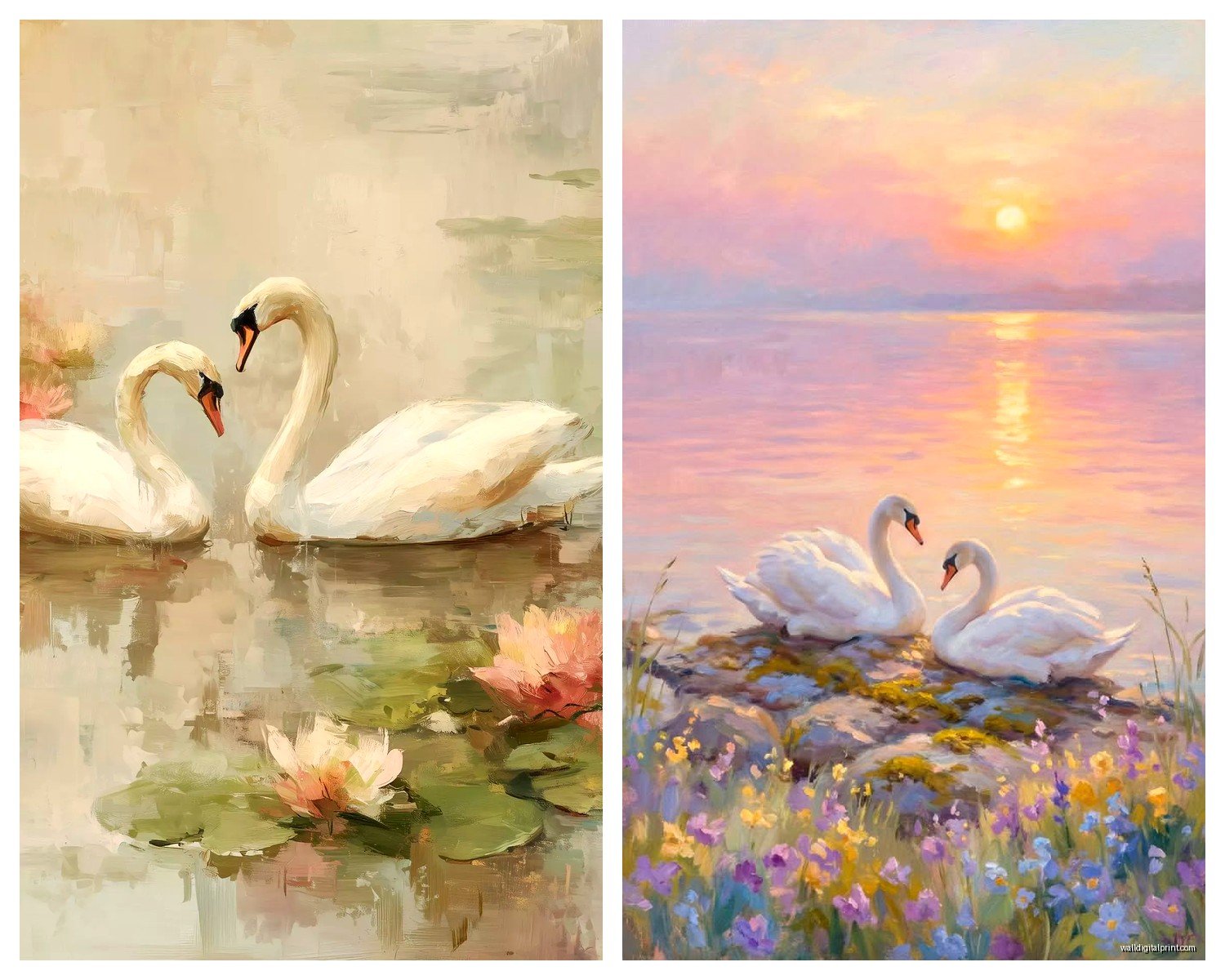
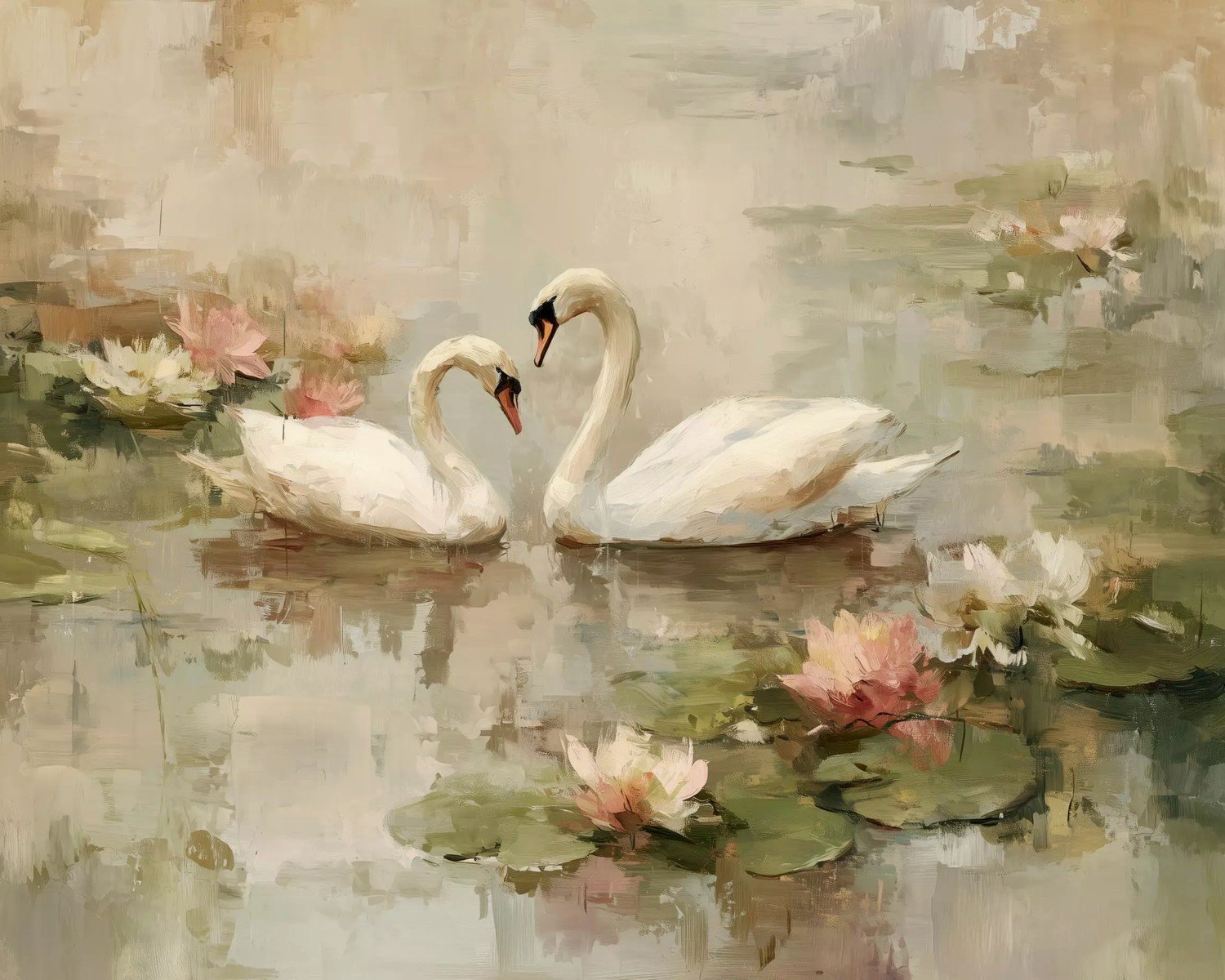
Okay so swans are tricky because they carry this whole elegance thing but also can read very “live laugh love” if you’re not careful. The key is thinking about whether you want serene lake vibes or more dramatic black swan energy. I did this lake house project last summer where the client wanted the whole peaceful pond aesthetic and we went with these muted watercolor swan prints in weathered white frames and it completely transformed their bedroom into this calming retreat situation.
The black swan route is totally different though. More moody, more statement-making. I have a client who’s obsessed with dark academia aesthetics and we found this incredible charcoal sketch of a black swan that we paired with deep green walls and it’s honestly one of my favorite spaces I’ve worked on.
Size Matters More Than You Think
This is gonna sound obvious but I see people mess this up constantly. A tiny 8×10 swan print on a massive wall just looks lost and sad. You want your swan art to have presence without overwhelming the space. Here’s what I usually recommend:
- Small spaces like powder rooms or narrow hallways: 11×14 to 16×20 works great
- Bedroom walls above nightstands: 16×20 or 18×24 keeps it balanced
- Living room focal walls: go big or go home, like 30×40 or even larger
- Gallery wall situations: mix sizes but keep the swan piece as one of the larger elements
I learned this the hard way when I bought this gorgeous swan canvas that was way too small for my dining room and it sat in my closet for like six months before I finally moved it to the guest bathroom where it actually made sense.
Matching Swan Art To Your Existing Decor
Wait I forgot to mention the most important thing first which is figuring out what style you’re actually going for because swan art comes in SO many different aesthetics and they don’t all play nice together.
The Minimalist Modern Route
If you’ve got clean lines, neutral colors, maybe some Scandinavian influences happening, you want simple line drawings or abstract swan silhouettes. Black and white photography of swans works really well here too. I just finished a condo where we used a single-line swan drawing in a thin black frame against white walls and it’s so crisp and elegant without being fussy.
The thing with minimalist swan art is restraint. One piece, maybe two if you’re doing a diptych situation. Don’t crowd it with other stuff.
Traditional And Classic Spaces
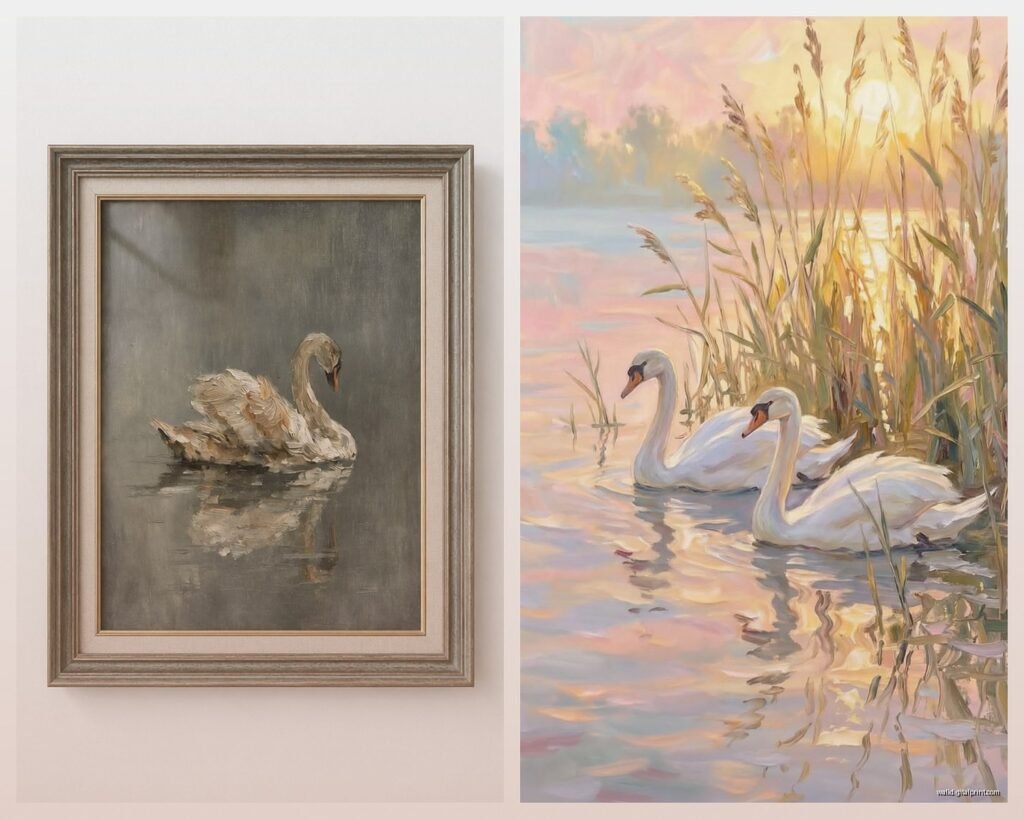
This is where you can go with more detailed oil painting reproductions or vintage-style prints. Think swans on misty lakes, very romantic and painterly. Gold or ornate frames work here when they’d look ridiculous in modern spaces. My mom has this traditional living room and we found an antique-style swan painting at an estate sale that we had professionally cleaned and reframed and it looks like it cost thousands but we spent maybe $200 total.
Coastal And Lake House Vibes
Oh and another thing about coastal spaces, you can totally incorporate swan art even though swans aren’t ocean birds because the whole water element ties it together. I use a lot of weathered wood frames, soft blues and greens in the artwork itself, maybe some cattails or water lilies in the composition.
For an actual lake house though you have more freedom to go literal with the pond setting. Those misty morning photos of swans on glassy water? Perfect for this aesthetic.
Color Palette Coordination
Okay so funny story, I once bought three different swan prints thinking they’d work together because they were all “neutral” and when I got them home they clashed horribly because one had warm undertones, one was cool, and one was straight up gray. Now I always check this stuff first.
Working With White Swans
White swan art is deceptively not-neutral. You’ve gotta pay attention to whether the white is crisp and cool or creamy and warm. Cool whites work with grays, navy, black, crisp blues. Warm whites need beige, cream, soft browns, muted golds.
I usually tell people to match the white in their swan art to the white in their trim or main wall color. Sounds basic but it makes everything look intentional instead of random.
Black Swan Drama
Black swans give you so much more flexibility honestly because black goes with everything, right? But the background matters a ton. A black swan on a white background reads totally different than one on a dark moody background.
For modern spaces I love black swans with pops of metallics, like a black swan print with gold accents in the frame or matting. For more dramatic spaces you can go full dark with charcoal backgrounds and matte black frames.
Frame Selection Because It Actually Matters
This is where people either elevate their swan art or make it look cheap, real talk. The frame can literally make or break the whole thing.
Thin black frames: modern, clean, work with almost any swan art style, my go-to for rentals or if you’re unsure
Weathered wood frames: perfect for coastal, farmhouse, rustic lake house vibes, adds texture
Gold or brass frames: traditional spaces only unless you’re doing that whole modern glam thing, then thin gold can work
White frames: tricky because they need to match your trim exactly or they look off, but great for bright airy spaces when you get it right
No frame/canvas wraps: can work for large statement pieces but make sure the quality is there because cheap canvas prints look really obvious without a frame to dress them up
My cat just knocked over my coffee which is honestly perfect timing for a break but okay back to this.
Placement Ideas That Actually Work
Above The Bed Situation
Swan art above a bed is classic for a reason, it’s calming and elegant. I usually center it about 6-8 inches above the headboard. If you’re doing a king bed you can go with one large piece or a triptych of three coordinating swan images.
Pro tip: keep bedroom swan art in softer colors and more peaceful compositions. You don’t want dramatic aggressive swan energy where you’re trying to sleep.
Living Room Focal Points
Over the sofa is obvious but it works. The rule I use is the art should be about 2/3 the width of your sofa. So if you have a 90-inch sofa, you’re looking at around 60 inches of art width. You can achieve this with one large piece or a gallery wall arrangement.
I also love swan art on the wall opposite your seating area so you’re looking at it while you relax. Gives you something beautiful to focus on.
Unexpected Spaces
Wait I forgot to mention how good swan art can be in bathrooms, especially powder rooms. The whole water association makes it feel thematic without being too literal like fish or boats or whatever. I did a powder room last month with a small black and white swan photo and it’s so unexpectedly chic.
Dining rooms too. There’s something about swans that feels formal enough for a dining space without being stuffy.
Mixing Swan Art With Other Decor Elements
You don’t want your whole room to be swan-themed because that gets weird fast, but you can definitely incorporate complementary elements.
What Works Together
- Other water birds in different rooms or as part of a gallery wall
- Botanical prints with water plants like lotus, water lilies, cattails
- Abstract water or reflection art
- Landscape photography with lakes or ponds
- Neutral geometric patterns that don’t compete
What To Avoid
Don’t mix swan art with busy patterns or other strong animal prints in the same sightline. I made this mistake once pairing a beautiful swan print with zebra pillows and it was just chaos. Pick your statement element and let everything else support it.
Also skip the matchy-matchy swan sculptures or swan figurines if you’ve got swan wall art. One swan element per room unless you’re going for some specific collected look and even then, be careful.
Quality Levels And What To Actually Buy
Okay so there’s basically three tiers of swan art quality and knowing the difference will save you money and disappointment.
Budget Options Under Fifty Bucks
Printable downloads that you print yourself or have printed at a local print shop. Honestly some of these are gorgeous and if you put them in a decent frame nobody knows you spent $15. The catch is you gotta do the work of getting them printed and framed.
Mass-produced prints from home decor stores. Hit or miss quality. I’ve found some good ones but also some that look pixelated or have weird color casts. Check return policies.
Mid-Range Around Hundred To Three Hundred
This is my sweet spot for most client projects. You’re getting better print quality, often giclée prints on nice paper or canvas. Framing might be included. The art looks legit and professional.
Small original pieces from emerging artists sometimes fall into this range too, especially if you’re buying directly from them online or at art fairs.
Investment Pieces Over Three Hundred
Original paintings, limited edition prints from established artists, custom commissioned work. Worth it if you’ve got the budget and you’re planning to keep the piece long-term. I have a client who commissioned a local artist to paint swans in the specific colors of her living room and it’s absolutely stunning, cost like $800 but it’s a genuine one-of-a-kind piece.
The Whole Gallery Wall Approach
This is gonna sound weird but I actually think swan art works better as part of a curated gallery wall than as a standalone piece in a lot of cases. Gives you more flexibility and you can build it over time.
Start with your swan piece as the anchor, usually the largest piece or the most centered. Then build around it with complementary art that shares either the color palette, the theme of nature and water, or the same frame style.
I did this in my own hallway with a large swan photograph surrounded by smaller botanical prints and abstract blue watercolors all in matching black frames. Took me like three months to find all the right pieces but it was worth the wait because it looks intentional and collected rather than bought-all-at-once.
The spacing between frames should be consistent, I use 2-3 inches usually. And lay everything out on the floor first, I cannot stress this enough. Take a photo of your layout before you start hammering nails.
Lighting Your Swan Art Properly
Natural light is obviously beautiful but can fade art over time so avoid direct harsh sunlight. I learned this when a client’s gorgeous swan watercolor got sun-bleached on one side because it was right next to a west-facing window with no shade.
For artificial lighting, picture lights are classic and work great for traditional spaces. Track lighting or directional recessed lights give you more flexibility in modern spaces. The key is avoiding glare on the glass or glossy surfaces.
Sometimes I’ll use a small LED strip light hidden above the frame if we can’t do built-in lighting. Creates a nice subtle glow that highlights the art at night.
Seasonal Switching And Keeping It Fresh
Oh and another thing, you don’t have to commit to swan art year-round if you don’t want to. I have a few clients who rotate their art seasonally. Swan pieces often work really well for winter and early spring when you want that crisp, fresh, renewal kind of vibe.
Then they’ll switch to warmer subjects for summer and fall. It’s extra work but keeps rooms feeling current and gives you an excuse to collect more art which, let’s be honest, is always fun.
Just make sure you’re storing art properly when it’s not hanging, flat or upright in a dry space away from temperature extremes.
The whole point is swan wall art can be incredibly elegant and sophisticated when you think through the style, placement, and how it works with your existing space. It’s not just about finding a pretty swan picture, it’s about making sure it fits the whole vibe you’re creating and yeah, that takes a bit more effort but the result is so worth it.