Wall Art Guide, Wall Art Tutoriels
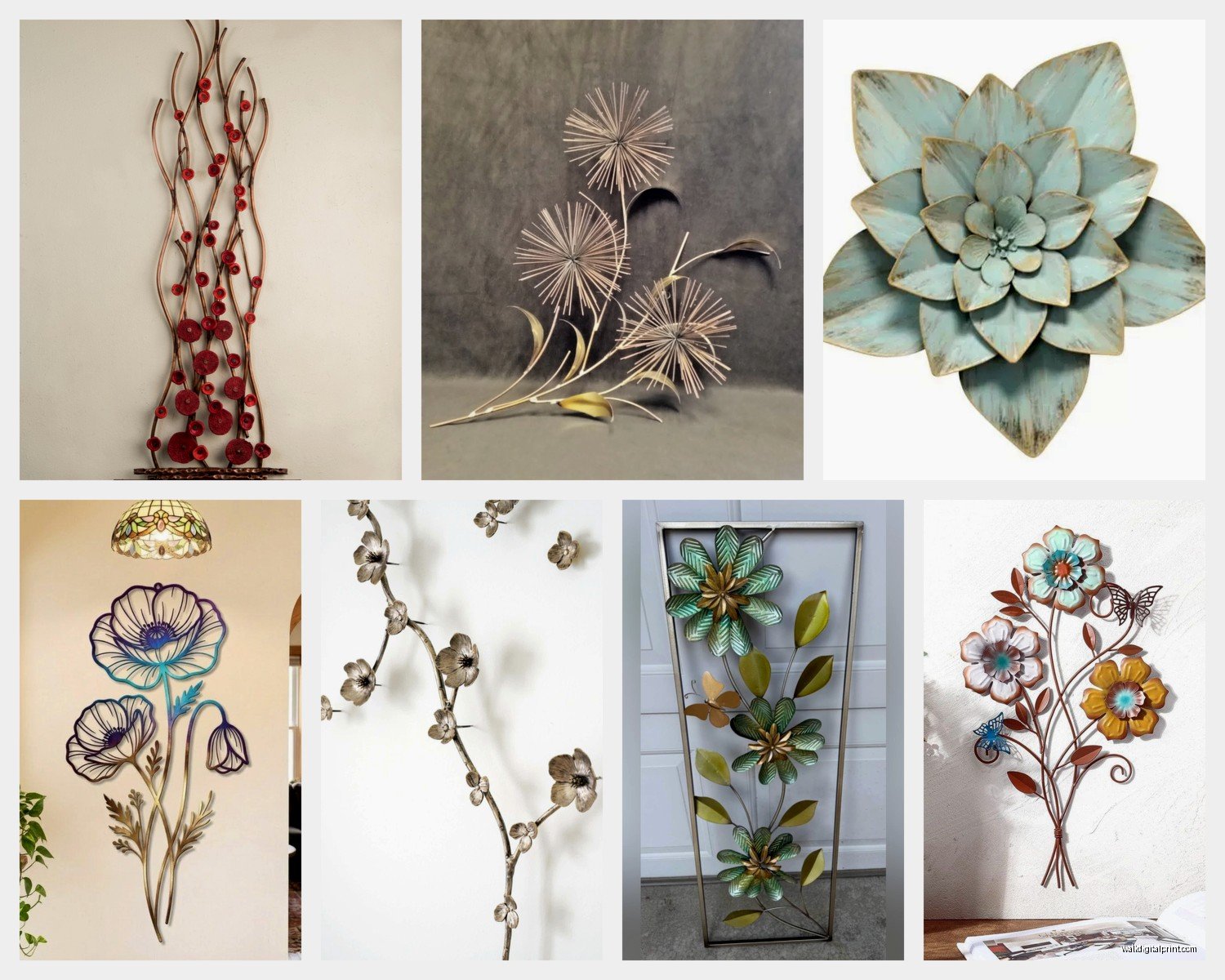
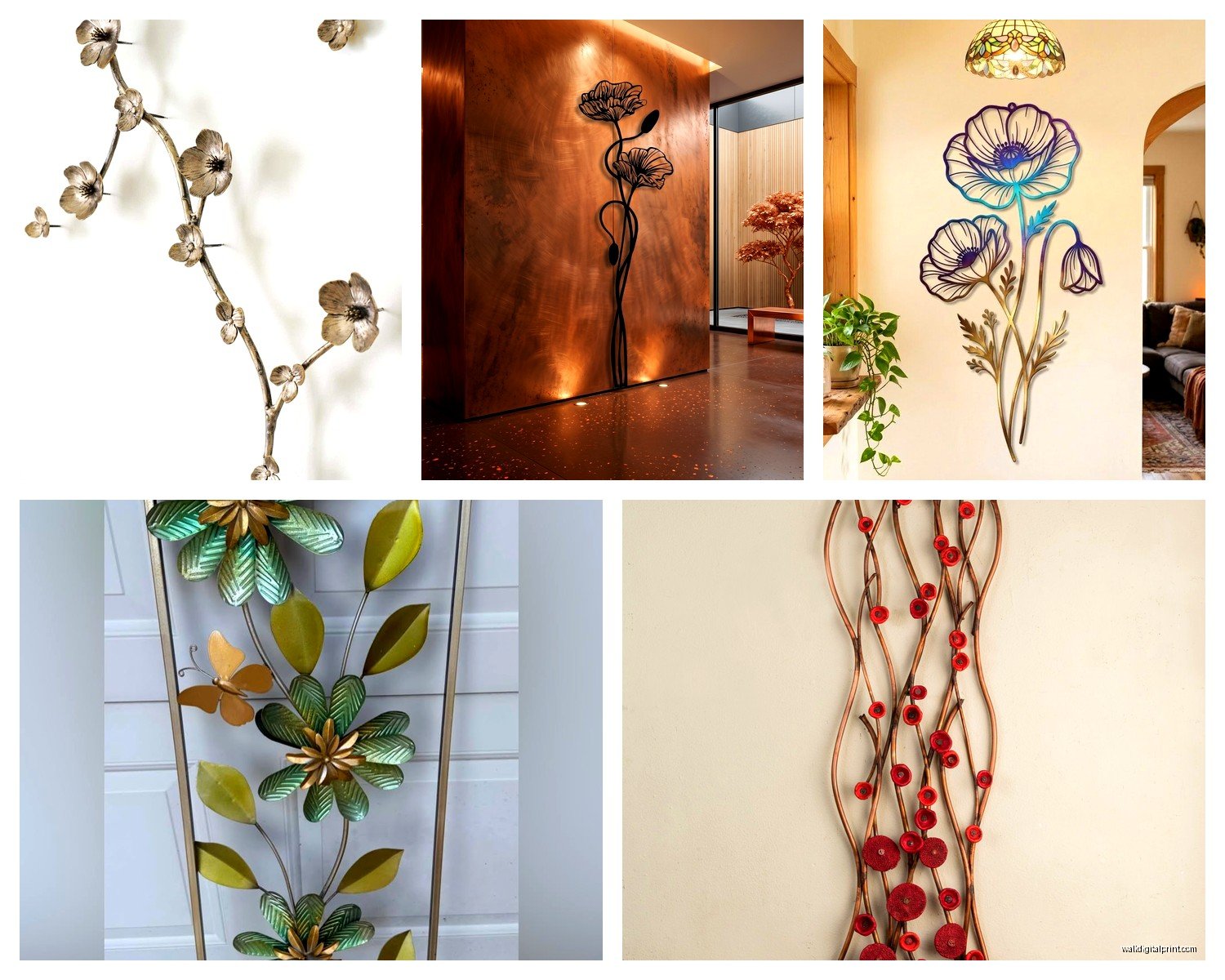
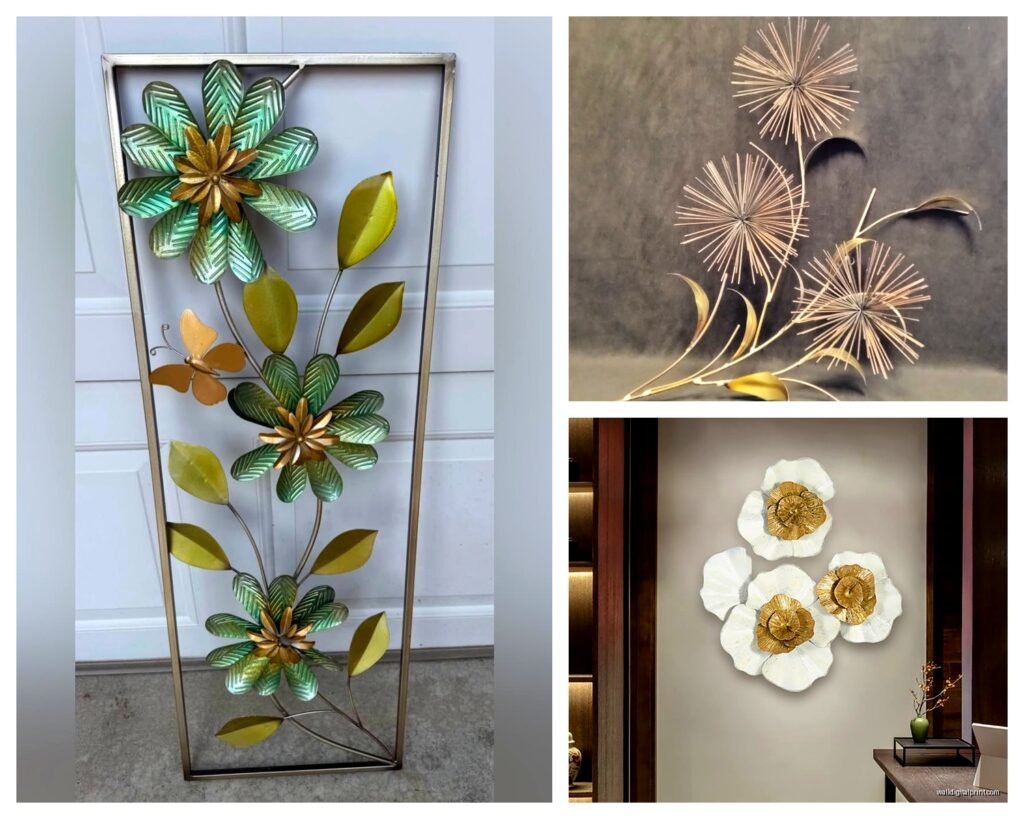
Metal Flower Wall Art: Sculptural Bloom Garden Designs
Jul
So I’ve been diving deep into metal flower wall art lately and honestly it’s one of those things that can either look absolutely stunning or like you grabbed something from a highway rest stop gift shop, there’s really no in between.
What Actually Works Size-Wise
Okay first thing – size is where everyone screws up. I had a client last month who ordered these tiny 8-inch metal poppies for her massive dining room wall and when they arrived she texted me a photo like “help” and yeah, they looked like decorative coasters hung up there.
For a standard living room wall (we’re talking like 10-12 feet wide), you want pieces that are at least 24-36 inches in diameter if you’re doing a single statement piece. But here’s the thing – I actually prefer doing clusters of medium-sized pieces, like three 18-inch flowers arranged in a triangle formation. It gives you more visual weight without that one-note look.
My dining room has this arrangement of five metal dahlias in different sizes (ranging from 12 to 20 inches) and people always ask about them. The trick was spacing them about 4-6 inches apart so they feel like a collection but not crowded. Measured it like three times before committing to the nail holes because my landlord already hates me.
Material Quality Stuff You Gotta Know
Not all metal is created equal and this matters way more than I thought it would. Most of what you’ll find is:
- Powder-coated steel – this is the workhorse, holds up great indoors and actually decent outdoors if it’s under a covered patio
- Raw steel with a sealant – gets that rusty patina look over time which some people love but it will continue changing color
- Aluminum – super lightweight so easier to hang but can look cheaper if it’s too thin
- Copper or brass – gorgeous but expensive and also will patina unless it’s sealed
I tested a bunch of these on my back porch (covered) for like six months and the powder-coated stuff literally looked the same. The raw steel ones developed this orangey-brown patina that was actually pretty cool but definitely not what the product photo showed. Just know what you’re signing up for.
The Gauge Thing Nobody Explains
Metal thickness is measured in gauge and it’s backwards – lower numbers mean thicker metal. You want 16-gauge or lower for something that won’t look flimsy. I bought this beautiful lotus from a marketplace seller that was 22-gauge and it literally bent when I was unwrapping it. Returned that immediately.
Most quality pieces are 14 or 16-gauge. Anything thicker than that gets heavy fast which creates its own installation headaches.
Color Schemes That Don’t Look Dated
So color is tricky because a lot of metal flower art comes in these super saturated jewel tones that feel very 2010s. Not saying they can’t work but you gotta be intentional.
What I’m seeing work really well right now:
Monochromatic metallics – all gold, all silver, all bronze. Sounds boring but when you get different finishes (matte, brushed, hammered) in the same color family it’s actually really sophisticated. I did an all-bronze arrangement above my bed and it catches light differently throughout the day which is cool.
Ombré or gradient sets – like going from pale pink to deep burgundy across five flowers. This works especially well with roses or peonies where the color shift feels natural.
Muted earth tones – think sage green, dusty terracotta, soft grays. Way more versatile than bright colors and they age better aesthetically.
The bright turquoise and hot pink stuff? I mean if that’s your vibe go for it, but it’s harder to work with long-term. I had those colors in my last apartment and when I wanted to change my pillow covers I basically couldn’t because everything had to coordinate with these screaming wall flowers.
Installation Real Talk
This is gonna sound weird but the hanging mechanism matters SO much and product descriptions rarely tell you what you’re getting. Some pieces come with:
- Keyhole hangers on the back – easiest option, just need a nail or screw
- Wire hanging systems – more flexible for positioning but can look wonky if the wire’s visible
- Multiple mounting points – gives you stability but means more holes in your wall
- Absolutely nothing – yeah some sellers just send you the art and assume you’ll figure it out
I’ve started asking sellers directly before ordering: “what’s the mounting hardware situation?” Saves so much frustration.
For heavier pieces (over 3 pounds), you need actual wall anchors, not just nails. I learned this when a metal sunflower fell off my wall at 2am and scared the crap out of me and my cat. Now I use those self-drilling drywall anchors rated for like 50 pounds even if the piece is only 5 pounds. Overkill but I sleep better.
The Gallery Wall Approach
If you’re doing multiple pieces, there’s two ways to go about layout:
Symmetrical grids look clean and modern – I did this in my office with nine identical metal cosmos flowers in a 3×3 grid, all the same size and color. Measured out a 6-inch spacing between each one and used painter’s tape to mark where each nail would go. Took forever but it looks really good on video calls.
Organic clustering feels more artistic – this is where you mix sizes and let them overlap slightly or position them at different heights like they’re actually growing. Way harder to plan but more forgiving if your measurements are off. My TV was playing that baking show the whole time I was arranging these and I kept getting distracted which maybe actually helped because I wasn’t overthinking it.
Style Variations Worth Considering
Layered petal designs – these have depth with multiple layers of petals, cast really cool shadows. They’re more expensive but photograph beautifully. I have a layered peony that’s probably my favorite piece, it’s like 3 inches deep and creates this whole dimensional thing.
Minimalist line art flowers – just the outline in wire or thin metal strips. Super modern, works well in contemporary spaces. Less is more here, one large piece usually better than multiple small ones.
Botanical accuracy vs. abstract – some are clearly trying to replicate actual flowers (you can tell it’s a dahlia or whatever) and others are just flower-ish shapes. Neither is better but know which you’re getting because it affects the whole vibe.
Backlit or cut-out styles – these have negative space that shows the wall behind, which is cool if your wall color is interesting. I saw someone do white metal flowers with lots of cutouts on a deep navy wall and it was stunning.
Where to Actually Buy These
I’ve ordered from basically everywhere at this point. Etsy has the most unique handmade stuff but wildly inconsistent quality – read reviews obsessively and look at customer photos not just the listing photos. I got burned once by photos that were clearly professionally styled and the actual product was… not that.
Wayfair and Overstock have huge selections and easy returns which matters when you’re buying something sight unseen. The downside is a lot of it is mass-produced so you might see the same piece in other people’s houses.
Local artisan markets or craft fairs – this is where I’ve found my absolute favorite pieces but you’re paying more. There’s a metalworker at my farmer’s market who does custom sizes and I commissioned a set of three cherry blossoms from him. Took six weeks but they’re exactly what I wanted and nobody else has them.
Outdoor vs. Indoor Considerations
If you want these outside, you really need to verify they’re outdoor-rated. Even “weather-resistant” isn’t the same as weatherproof. I put some supposedly outdoor pieces on my garden fence and after one winter they looked rough – the paint was bubbling and there was rust bleeding through.
What actually works outside:
- Powder-coated steel or aluminum specifically marketed for outdoor use
- Pieces with a UV-resistant coating so colors don’t fade
- Sealed metals if you’re okay with patina development
- Stainless steel but it’s pricey
Also think about wind – large flat pieces catch wind like sails. I had to take down a huge metal lotus from my patio because it kept banging against the house during storms. Now it’s inside which is probably where it should’ve been anyway.
Mixing with Other Wall Decor
Metal flowers don’t have to be alone on the wall. I actually think they look better with other stuff. In my hallway I mixed metal flowers with framed botanical prints and it created this whole garden theme without being too literal.
They work surprisingly well with:
- Mirrors – the metal reflects in the mirror and doubles the impact
- Wooden elements – nice contrast between organic wood and industrial metal
- Canvas art – just make sure there’s enough visual breathing room
- Floating shelves with plants – playing with real vs. metal botanicals is kinda fun
What doesn’t work: too many competing metallic finishes. Like if you have gold metal flowers and silver picture frames and bronze wall sconces all in the same sightline it gets chaotic. Pick one or two metal tones and stick with them.
Maintenance Is Actually A Thing
Dust accumulates in all those petals and crevices. I use a microfiber duster every couple weeks and maybe twice a year I’ll take them down and actually wash them with mild soap and water. The powder-coated ones can handle it, just dry them completely.
If you have pieces developing rust that you don’t want, you can hit them with clear spray sealant. I did this with some pieces that were starting to show orange spots and it stopped the progression.
Common Mistakes I See All The Time
Hanging them too high – the center of the piece should be at eye level, which is like 57-60 inches from the floor for most people. I see so many mounted way up near the ceiling and it’s just awkward.
Not considering the wall color – dark metal on a dark wall disappears. You need contrast. My charcoal gray flowers look amazing on my cream wall but terrible when I tried them in my den which has dark gray walls.
Buying sets that are too matchy-matchy – like five identical flowers in a row. It can work if that’s the look you want but it often reads as boring. Mix sizes or orientations at least.
Oh and another thing – ignoring the room’s existing style. Super ornate Victorian metal roses in a minimalist Scandinavian room? Probably not gonna work. I mean rules are meant to be broken but you gotta know what you’re doing.
I think that covers most of what I’ve figured out through trial and error. The main thing is just to really look at the dimensions, the material specs, and make sure the style actually fits your space before ordering because returns are a pain when you’re dealing with large metal objects.