Wall Art Guide, Wall Art Tutoriels
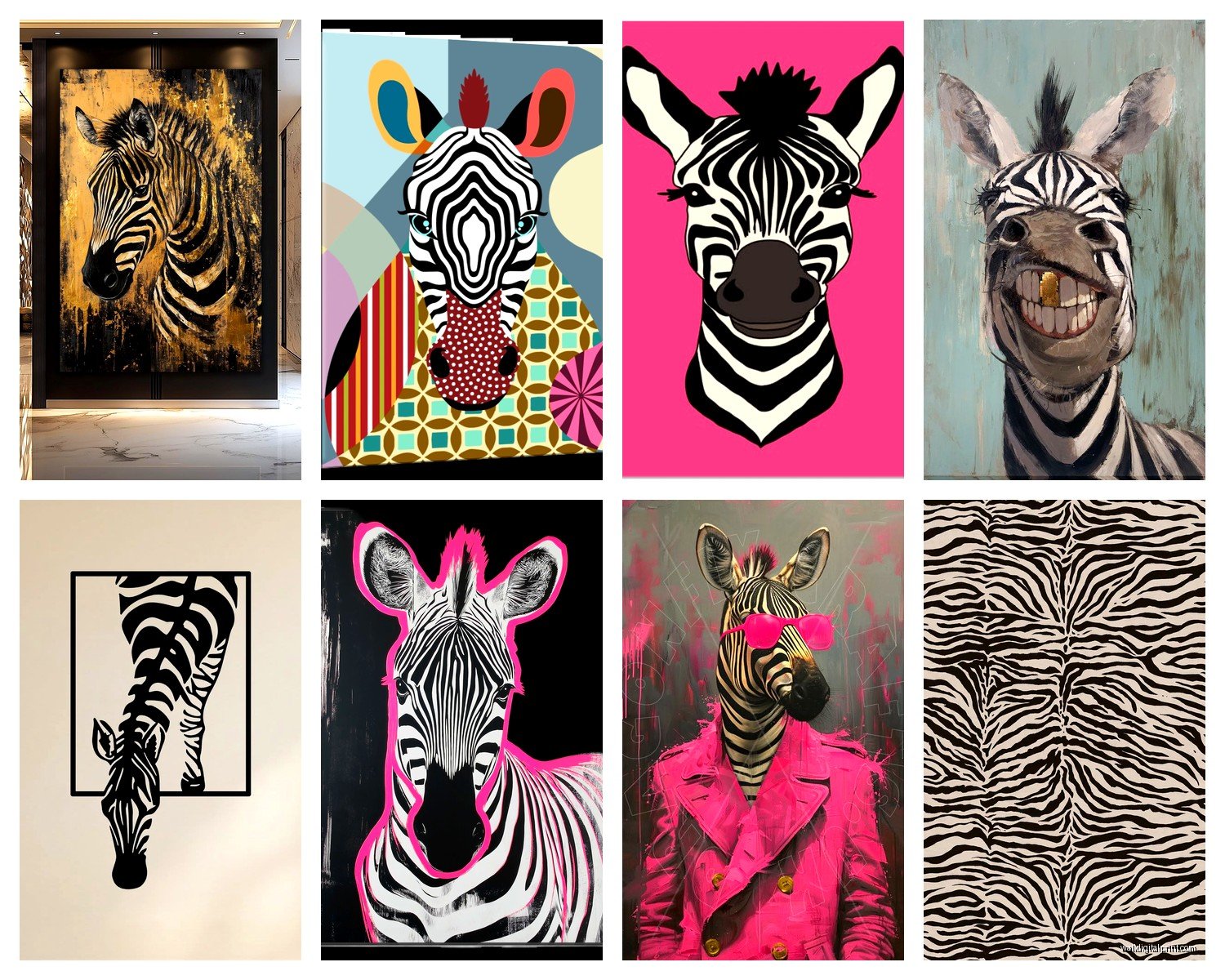
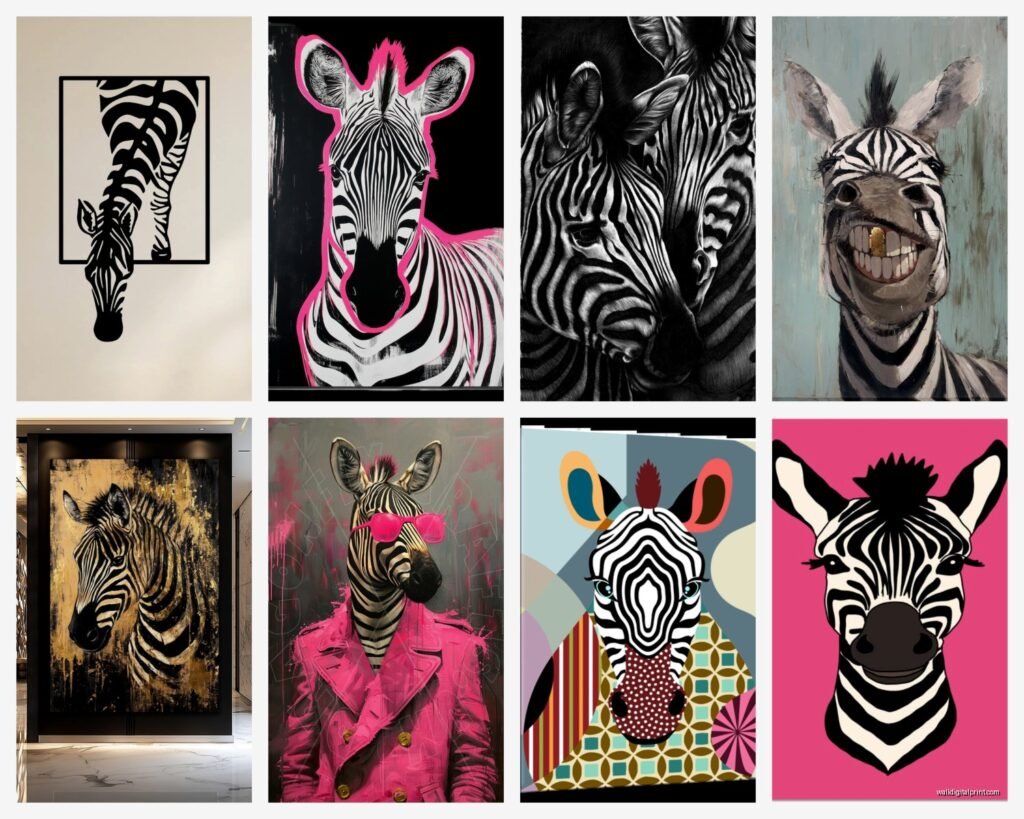
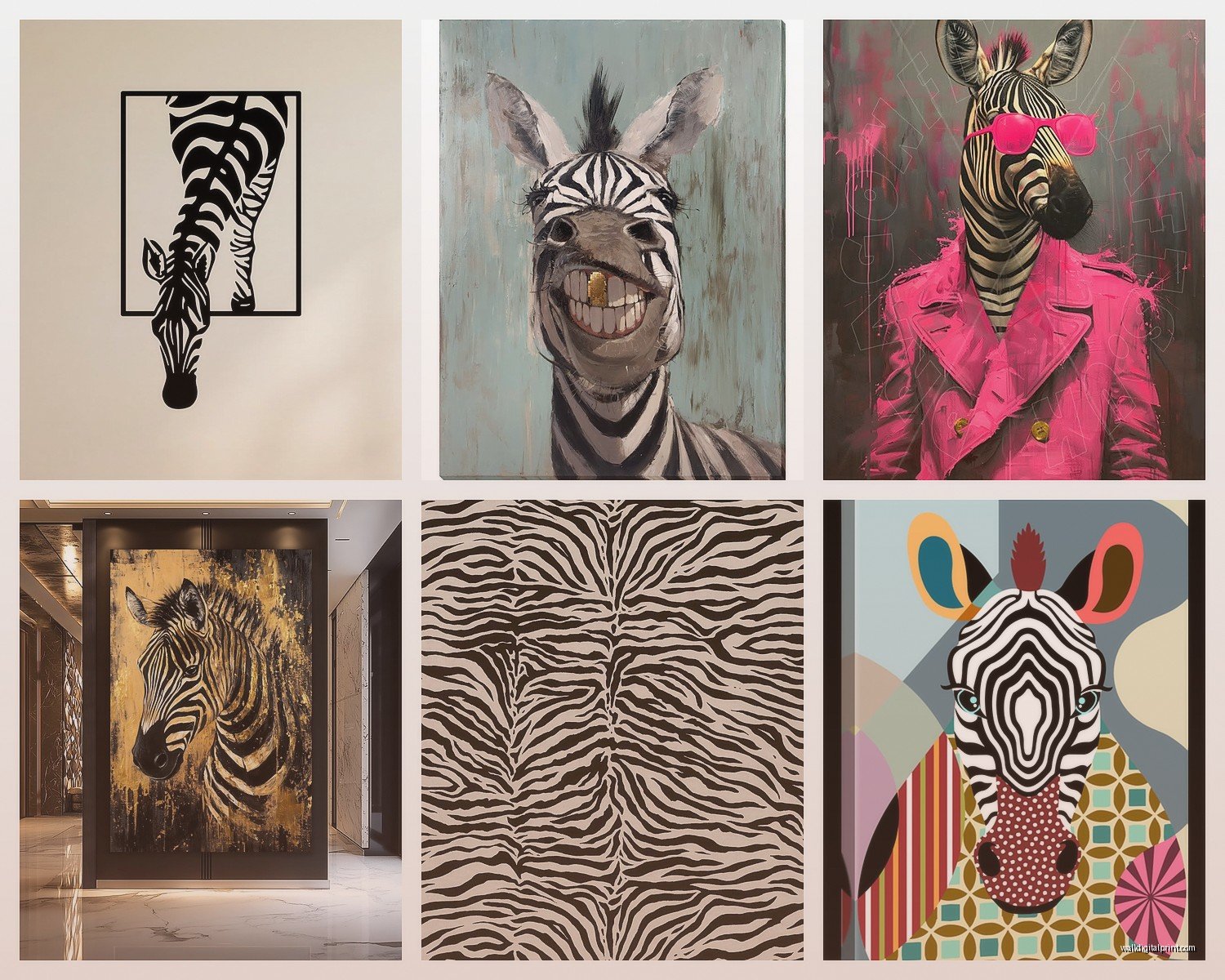
Zebra Wall Art: African Striped Animal Safari Decor
Jul
So I’ve been working with zebra wall art for like three years now and honestly it’s one of those things that either looks absolutely stunning or completely ridiculous depending on how you approach it. Last week I had a client who bought this massive zebra canvas from HomeGoods and just… centered it above their beige couch and wondered why it looked off, so let me save you from that.
Size Actually Matters More Than You Think
Okay so first thing – the size ratio is gonna make or break this whole thing. I spent an embarrassing amount of time (my dog was judging me) measuring wall spaces and testing different sizes, and here’s what actually works:
For above a sofa, you want the art to be about 2/3 the width of your couch. Not bigger, not way smaller. I see people buying these tiny 16×20 prints for massive walls and it just floats there looking lost. If your couch is 84 inches, you’re looking at around 50-60 inches of art width. You can do this with one large piece or a triptych – those three-panel zebra prints that create one image across multiple canvases.
The triptych thing is actually super forgiving if you’re not great at hanging stuff level because small variations don’t show as much. I use them in like 60% of my safari-themed projects now.
Single Statement Pieces vs Multiple Panels
Single large canvas: easier to hang, bolder statement, works better in modern minimalist spaces. I’m talking those 40×60 or 48×72 inch bad boys. These work amazing in spaces with high ceilings or when you’ve got a pretty empty wall that needs one strong focal point.
Multi-panel sets: more dynamic, easier to fit into weird wall spaces, you can spread them across larger areas. The standard triptych is usually three 16×24 panels or 20×30 panels depending on your wall size.
Wait I forgot to mention – there’s also those five-panel sets that are super popular on Amazon right now. They’re cheaper but honestly they can look kinda busy unless you have a REALLY big wall. I used one in a client’s living room that had a 12-foot wall and it worked, but in normal sized rooms it’s too much.
Black and White vs Color – This Is Where People Mess Up
Natural zebra photography in black and white is the safest route. It’s classic, it matches everything, and it won’t clash with your throw pillows. But here’s the thing – it can also be boring if your whole room is neutral.
I’ve been experimenting with these watercolor zebra prints lately where the stripes fade into blues or teals or even burnt orange, and oh my god they’re so much more interesting. There’s this artist on Etsy – I can’t remember the shop name but it’s something like AfricanModernArt – who does zebras with gold leaf accents and they’re stunning in rooms that need that glam factor.
Color Coordination Tips
If your room has warm tones (browns, tans, oranges, reds), look for zebra art with sepia tones or warm backgrounds. I did a whole savanna-themed nursery last month with zebra prints that had sunset orange backgrounds and it tied everything together.
Cool-toned rooms (grays, blues, whites) work better with stark black and white photography or those pieces with blue/teal accents.
One trick that’s gonna sound weird but trust me – if you have a room with navy or deep blue, get zebra art with a dark background instead of white. The contrast is less harsh and it feels more sophisticated. Saw this in a boutique hotel in Portland and immediately stole the idea for three client projects.
Photography vs Painting vs Print Styles
Real wildlife photography prints: these are your high-end option, usually $200-$800 depending on size and if they’re limited edition. They look incredible but you gotta make sure the photo quality is actually good. I’ve seen so many grainy “professional” photos that look like someone zoomed in too much.
Acrylic or oil paintings: more artistic, softer look, works better in traditional or eclectic spaces. These run anywhere from $150 to way too much money. If you’re going this route, Etsy has better options than most furniture stores, surprisingly.
Digital prints/posters: cheapest option ($20-$80), and honestly if you frame them properly, most people can’t tell the difference. I use artifact uprising or printique for printing high-res zebra images and then put them in nice frames from michaels or hobby lobby.
Canvas prints: the middle ground at $60-$200. They come ready to hang which is convenient but the quality varies SO much. Elephantstock and iCanvas have pretty decent options that I’ve used multiple times.
Framing Choices That Actually Matter
Okay so funny story – I once hung a beautiful zebra print in a chunky rustic wood frame and it completely killed the modern vibe the client wanted. Frames are not just frames with this stuff.
Black frames: sleek, modern, makes the zebra stripes pop, works in contemporary spaces. Use thin frames (1-2 inches) for modern looks, thicker (3-4 inches) for more dramatic traditional spaces.
White or light wood frames: softer, more casual, works in coastal or scandinavian style rooms. These are my go-to for nurseries and bedrooms.
Gold or brass frames: fancy, works in glam or maximalist spaces, pairs well with velvet furniture and metallic accents. Don’t use these in minimalist rooms, it’ll look try-hard.
No frame (canvas wraps): very casual and modern, the image wraps around the edges. These work great in lofts or contemporary spaces but can look cheap if the canvas quality isn’t good.
Mat or No Mat
If you’re framing a print behind glass, use a mat. Like, always. It adds depth and keeps the print from touching the glass. White mats are safe, black mats are dramatic, and cream/ivory mats work better in warm-toned rooms.
Canvas prints don’t need mats obviously since there’s no glass involved.
Where to Actually Buy This Stuff
I’ve ordered from probably 30 different places at this point so here’s the real breakdown:
Amazon: huge selection, prices all over the place ($25-$300), quality is hit or miss. Read the reviews carefully and check if the seller has other wildlife art with good reviews. I’ve gotten some surprisingly good pieces here but also some garbage. The Wieco Art brand is pretty reliable for affordable canvas prints.
Etsy: best for unique pieces and original art, prices are higher ($80-$500+) but you’re supporting actual artists. Search “zebra wall art” and filter by your size and price range. Takes longer to ship usually since stuff is made to order.
Wayfair: good middle ground, decent quality control, easy returns. Their “Zebra Stare” photo print is one I’ve used like five times because it’s consistently good quality and the framing is solid.
West Elm/CB2/Crate & Barrel: overpriced but you know exactly what you’re getting. Their photography is usually legit and the framing is quality. Wait for sales though because paying $400 for a zebra print is kinda ridiculous.
Society6/Redbubble: affordable prints from independent artists, you can get the same image in different formats (framed, canvas, poster). Quality is decent for the price point ($40-$150).
oh and another thing – AllPosters.com has a surprisingly good safari section and they run sales constantly. I got a 30×40 zebra photograph there for like $50 during a Black Friday sale.
Styling It With Your Actual Room
This is where I see the most mistakes honestly. People buy the art and then just… stick it on the wall without thinking about the rest of the space.
What to Pair It With
- Natural materials: jute rugs, woven baskets, wood furniture – this creates that organic safari vibe without going full theme park
- Neutral textiles: whites, creams, tans, grays – lets the zebra be the star
- Metallic accents: brass or gold pulls this into modern territory, keeps it from looking too rustic
- Green plants: obviously, but like actual substantial plants not tiny succulents. Fiddle leaf figs, monstera, snake plants
- Leather furniture: brown or cognac leather pairs beautifully with zebra prints, gives that explorer’s club vibe
What NOT to Pair It With
- Other animal prints – no leopard pillows, no giraffe throws, just no. One animal print per room unless you’re going full maximalist and actually know what you’re doing
- Busy patterns – your zebra print is already visually complex with all those stripes, don’t add floral curtains and geometric rugs
- Too much brown – this makes everything look dated and overly themed, like a 2005 safari bathroom
- Fake safari stuff – those tacky wooden giraffes from HomeGoods, decorative binoculars, pith helmets, just stop
Room-Specific Advice
Living room: this is where you can go biggest and boldest. Above the sofa is classic, but I’ve also done full gallery walls with a large zebra print as the anchor and smaller abstract pieces around it. Keep everything else relatively calm though.
Bedroom: go for softer, more artistic interpretations here rather than stark photography. Those watercolor zebras or abstract stripe patterns work better for a restful vibe. Hang above the bed or on the wall opposite your bed so you see it when you wake up.
Nursery: super popular right now and actually really cute if you don’t go overboard. Stick with playful illustrated zebras rather than realistic photography for kids’ rooms. Pair with other safari animals but keep the color palette cohesive – all pastels or all neutrals, don’t mix.
Office/study: black and white photography works great here, feels sophisticated without being too serious. I love a good zebra profile shot for office spaces.
Bathroom: okay this can work but you gotta be careful. Small prints only, and make sure everything else is super clean and minimal. I’ve done this successfully exactly twice and it required very specific circumstances.
Hanging Height and Placement
Standard rule is center of the artwork at 57-60 inches from the floor – that’s average eye level. But honestly I adjust this based on the room and furniture.
Above furniture, leave 6-8 inches between the furniture top and the bottom of the frame. More than 12 inches and it looks disconnected, less than 4 inches and it looks cramped.
For gallery walls with zebra art as the focal point, start with the zebra piece and build around it. I use painter’s tape on the wall to map everything out before putting holes in the wall because I’ve learned this lesson the hard way too many times.
Lighting Considerations
This is gonna sound extra but proper lighting makes such a difference. If you’re investing in a nice piece of zebra art, put a picture light on it or position it where natural light hits it during the day (but not direct sunlight which will fade it).
Track lighting or adjustable can lights work great for highlighting large zebra canvases. I installed some in my own living room specifically to light a zebra triptych and my husband thought I was being ridiculous but then he admitted it looked way better.
Avoid hanging zebra photography directly across from windows where glare will hit the glass. Learned this one when a client complained they couldn’t see their $500 print half the day.
Mixing Safari Elements Without Going Overboard
If you want more than just zebra art but don’t want your house looking like a zoo gift shop, here’s the balance:
One large zebra print + subtle safari touches elsewhere. Think: a brass elephant sculpture, some African mudcloth pillows, maybe some acacia wood bowls. Keep it minimal and intentional.
I did a whole living room last year where we had a massive zebra canvas, then pulled in geometric patterns inspired by African textiles in the pillows, and added some brass accessories. No other obvious safari stuff. It looked collected and sophisticated instead of themed.
The key is treating the zebra art as serious art, not as costume decoration. When you approach it that way, you make different choices about what else goes in the space.
Anyway that’s basically everything I’ve learned from years of hanging zebra prints in every type of space imaginable. The main thing is don’t overthink it but also don’t underthink it – there’s a balance between being too matchy and just throwing something on the wall hoping it works.