Wall Art Guide, Wall Art Tutoriels
Long Vertical Wall Art: Extra Tall Portrait Format Pieces
Sep
So I’ve been completely obsessed with vertical wall art lately and honestly it’s because I messed up this entire accent wall in my own apartment last year and had to figure out how to fix it. Like, I bought three horizontal pieces thinking they’d look amazing and they just made my 10-foot ceilings look even more squat somehow? Anyway, here’s what I actually learned.
The Whole Size Thing Nobody Tells You
Okay so the first thing is that when people say “long vertical art” they usually mean pieces that are at least 2:1 ratio. Like if it’s 20 inches wide, it should be 40+ inches tall. But honestly the really dramatic stuff that actually works in modern spaces is more like 3:1 or even 4:1. I have this one piece in my hallway that’s 18×72 and it completely changed the whole vibe.
The tricky part is figuring out what size you actually need because your wall is lying to you. I’m serious. What looks tall when it’s empty looks totally different with furniture. You gotta measure from where the art will actually start (usually like 8-10 inches above your couch or console table) up to where you want it to end. Most people should be looking at pieces between 48-72 inches tall for standard 8-9 foot ceilings.
For those crazy tall ceilings like in lofts or modern builds, you can go up to 96 inches or even larger but then you’re getting into custom territory which is… a whole thing we can talk about later.
Where to Actually Buy These Things
This is gonna sound weird but I’ve found my best pieces in the most random places. Yes, there’s the obvious spots like West Elm and CB2, but their vertical pieces are kinda boring? Very safe. Very “I shop at West Elm.”
I’ve had better luck with:
- Minted – they have this custom sizing thing where you can take almost any print and make it vertical, just make sure the artist’s original composition actually works vertically
- Society6 – hit or miss quality but good for testing out styles before you invest in something expensive
- Etsy shops that specialize in large format prints – there’s this one seller I use called… wait I gotta find it… okay it’s LeoRemotigue, they do these massive abstract pieces that are actually affordable
- Local art fairs but only if you’re willing to haul a 6-foot canvas home in your car (learned that the hard way)
Oh and another thing, Anthropologie has been doing these really tall skinny mirrors and art pieces lately that are surprisingly good quality. I used one in a client’s entryway last month and it’s held up great.
The Custom Route
So if you can’t find the right size, custom printing is way more affordable than it used to be. I use this local print shop that can do up to 44 inches wide on their printer, and for vertical pieces that’s usually plenty. The cost is like $150-300 depending on the height and material.
You just need a high-res image – like minimum 150dpi at the final print size. There are photographers on Unsplash who have massive files you can use for free, or you can buy stock photos from places like Creative Market. Just make sure the composition actually works vertically because not everything does.
What Actually Looks Good in Vertical Format
This took me forever to figure out. Some subjects just don’t work when they’re super tall and skinny, and I wasted probably $400 on prints that looked amazing online but weird on my wall.
What works:
- Anything naturally vertical – trees, buildings, waterfalls, tall flowers
- Abstract pieces with vertical movement or lines
- Portraits but only if they’re cropped thoughtfully, not just a regular portrait stretched
- Cityscapes if they’re shot looking up at buildings
- Minimalist compositions with lots of negative space
What doesn’t work:
- Landscapes (duh, but I see people try this all the time)
- Horizontal architecture
- Scenes with important details on the sides that get cut off
- Really busy patterns that need width to make sense
I had this whole phase where I was trying to make beach scenes work vertically and it just… no. Unless it’s like a shot straight up a palm tree or something very specific, beach art needs width.
Hanging These Monsters
Okay so funny story, I dropped a 60-inch canvas on my foot last year and it still hurts sometimes when it rains. These things are HEAVY and awkward. You absolutely cannot use those little sawtooth hangers that come on cheaper frames.
Here’s what you actually need:
Get proper D-rings and wire rated for the weight. Most tall pieces are gonna be 15-30 pounds even if they’re just canvas prints. I use braided picture wire rated for at least double the actual weight because I’m paranoid.
For the wall side, you need either heavy-duty picture hangers (the ones with multiple nails) or if you can hit a stud, just use a regular screw. Wall anchors work too but get the good ones, not those plastic garbage ones.
The real trick is having someone help you hold it level while you mark where it should go. My cat is absolutely no help with this btw, she just attacks the wire. Use a laser level if you have one, or there’s this app called Hang-a-Pic that’s actually pretty decent.
Height Placement
Standard rule is center of the artwork at 57-60 inches from the floor, but with really tall vertical pieces this can look weird. I usually go a bit lower, especially if there’s furniture underneath.
If it’s going above a sofa, the bottom of the frame should be 6-10 inches above the sofa back. If it’s in an entryway or hallway with no furniture, then yeah, stick with that 57-inch center point.
But honestly just use painters tape to mark it out first and live with it for a day. Take a photo and see if it feels right.
Framing vs No Frame
So this is where things get expensive fast. A custom frame for a 24×72 piece can easily run $400-600. It’s insane.
My workaround options:
Canvas prints – get them gallery wrapped so the image continues around the edges, then you don’t need a frame at all. Make sure the wrap is at least 1.5 inches deep though or it looks cheap.
Floating frames – these are less expensive than traditional frames and they look really modern with vertical pieces. Framebridge does them but there’s also cheaper options on Amazon that are… fine. Not amazing but fine.
DIY frames – if you’re even slightly handy, you can make a simple frame from wood trim and corner brackets for like $50. I did this for a series of botanical prints in my office and people always ask where I got them framed.
Metal prints – these don’t need frames and they look super sleek, plus they’re lightweight which makes hanging easier. A bit more expensive upfront but worth it.
wait I forgot to mention – if you’re doing a gallery wall with multiple vertical pieces, you can mix framed and unframed and it actually looks intentional. Just keep the color palette cohesive.
Styling Around Vertical Art
The whole point of these tall pieces is that they draw your eye up and make the room feel taller. But you can totally kill that effect if you’re not careful with what else is happening.
Don’t put a bunch of short, wide furniture directly underneath. Like if you have a long low console, one tall vertical piece above it looks amazing. Three short horizontal pieces would look wrong.
I learned this from a designer I assisted for – she always said vertical art needs “breathing room” on the sides. So if your wall is 8 feet wide, don’t get a piece that’s 6 feet wide and 7 feet tall. Get something more like 2-3 feet wide and 6-7 feet tall, then style the space around it.
Plants work really well with vertical art. Like a tall fiddle leaf fig or snake plant echoes the vertical lines. I’m watching this show right now where they keep putting short bushy plants next to tall art and it’s driving me crazy, the proportions are all wrong.
Lighting Considerations
Tall pieces need different lighting than regular art. If you just put a regular picture light on top, it only illuminates the top portion and the bottom looks dark and sad.
Better options are:
- Track lighting or adjustable ceiling spots aimed at the piece
- Wall sconces on either side (but they gotta be positioned carefully so they don’t create glare)
- Uplighting from below if the piece goes all the way to the floor
- Long LED picture lights that span more of the height – these exist but they’re harder to find
Natural light is tricky because if you have a tall piece next to a window, part of it might be in bright light and part in shadow depending on time of day. UV protection glass or coating is worth it if this is your situation.
Common Mistakes I See All the Time
Okay so as an art curator I’m gonna rant for a second. The biggest mistake is people buying vertical art because it’s trendy but not thinking about their actual space. Like you have a 7-foot ceiling and you want an 8-foot piece? That’s not gonna work unless you’re doing floor-to-ceiling which is a very specific look.
Also putting multiple tall skinny pieces right next to each other in a row. Unless you’re going for that modern gallery vibe, it usually just looks like you couldn’t decide which one to buy. Space them out or cluster them with different heights.
And please, PLEASE don’t buy those printed-on-canvas “inspirational quote” vertical pieces from HomeGoods. I’m begging you. If you want text art, commission something custom or buy from an actual typography artist.
My Current Favorite Styles
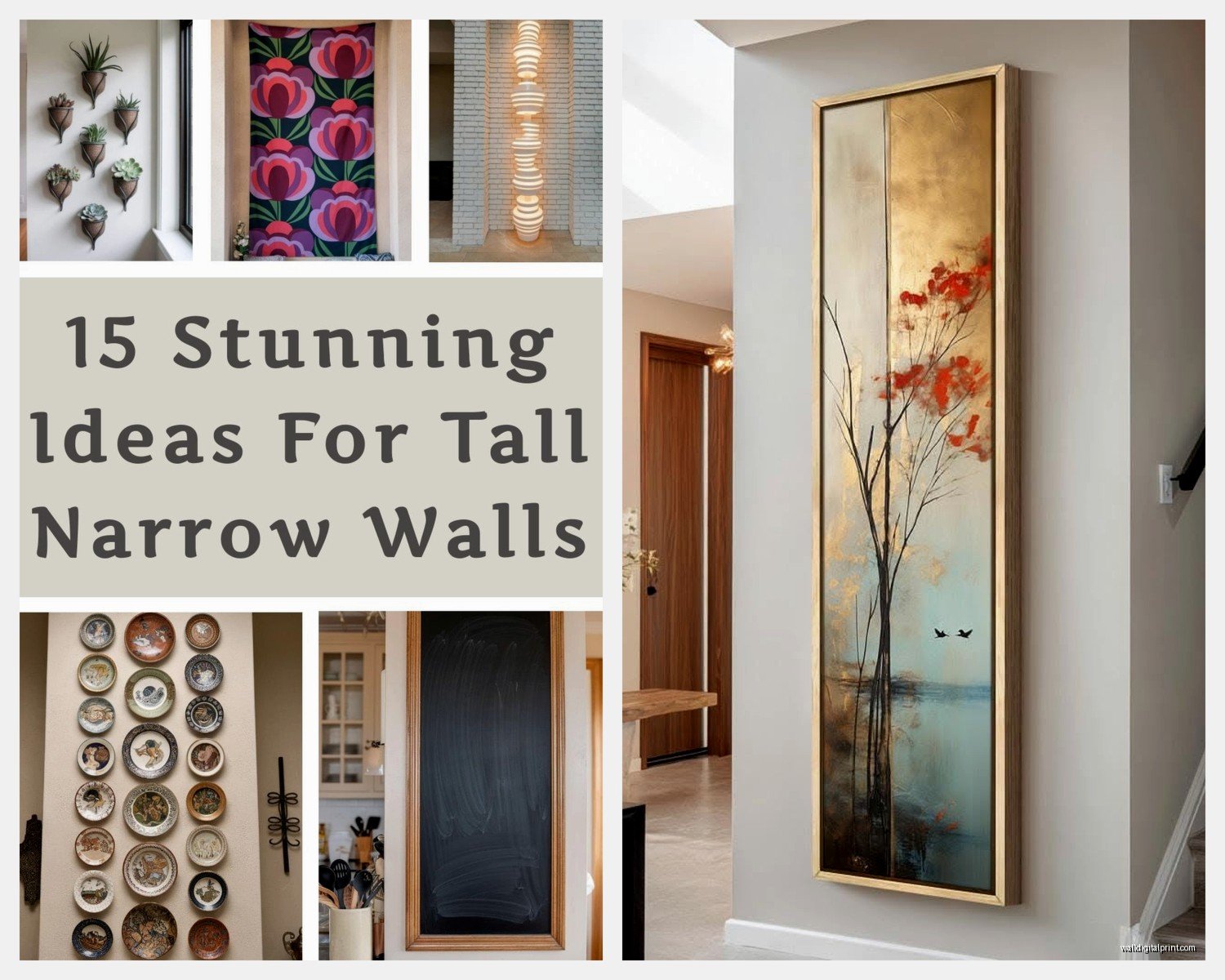
Right now I’m really into those Japanese-inspired vertical scrolls but in modern colors. There’s this artist… ugh I can’t remember her name but she does these 60-inch tall pieces with like minimalist branches and birds in really muted colors. Found her on Instagram.
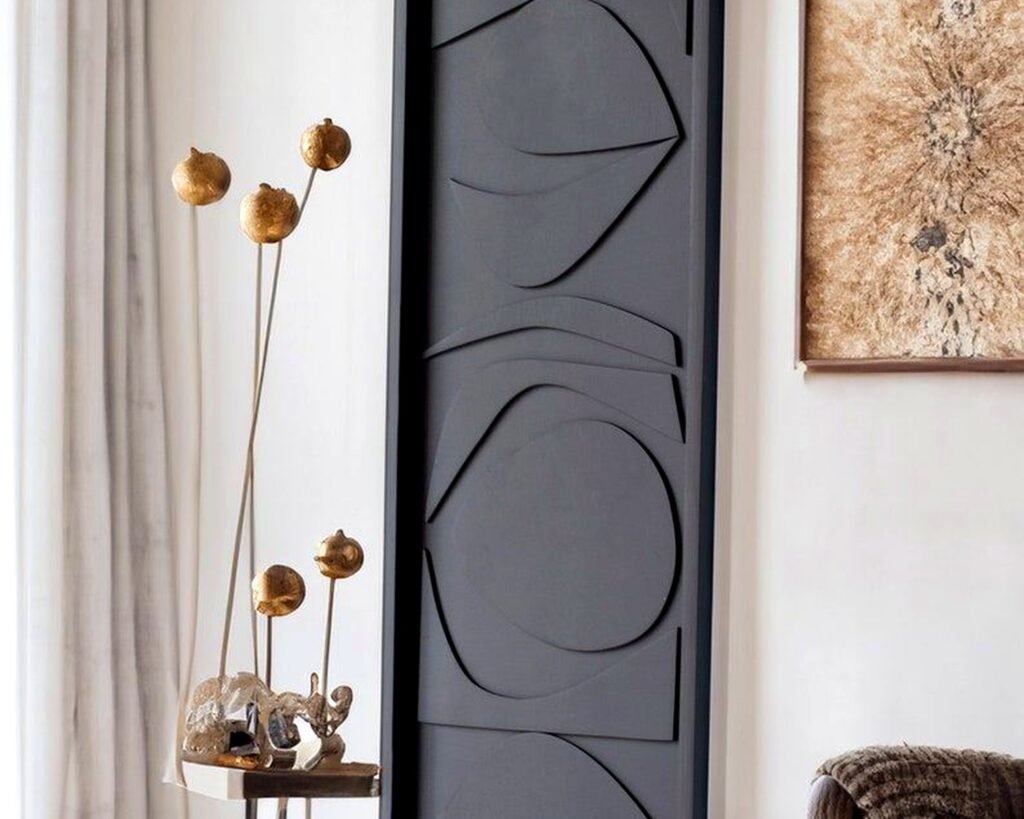
Also loving the really tall skinny abstract pieces with just two or three colors. Very calming, works in almost any room. There’s a trend happening with vertical colorblock art that’s gonna be everywhere in the next year, I’m calling it now.
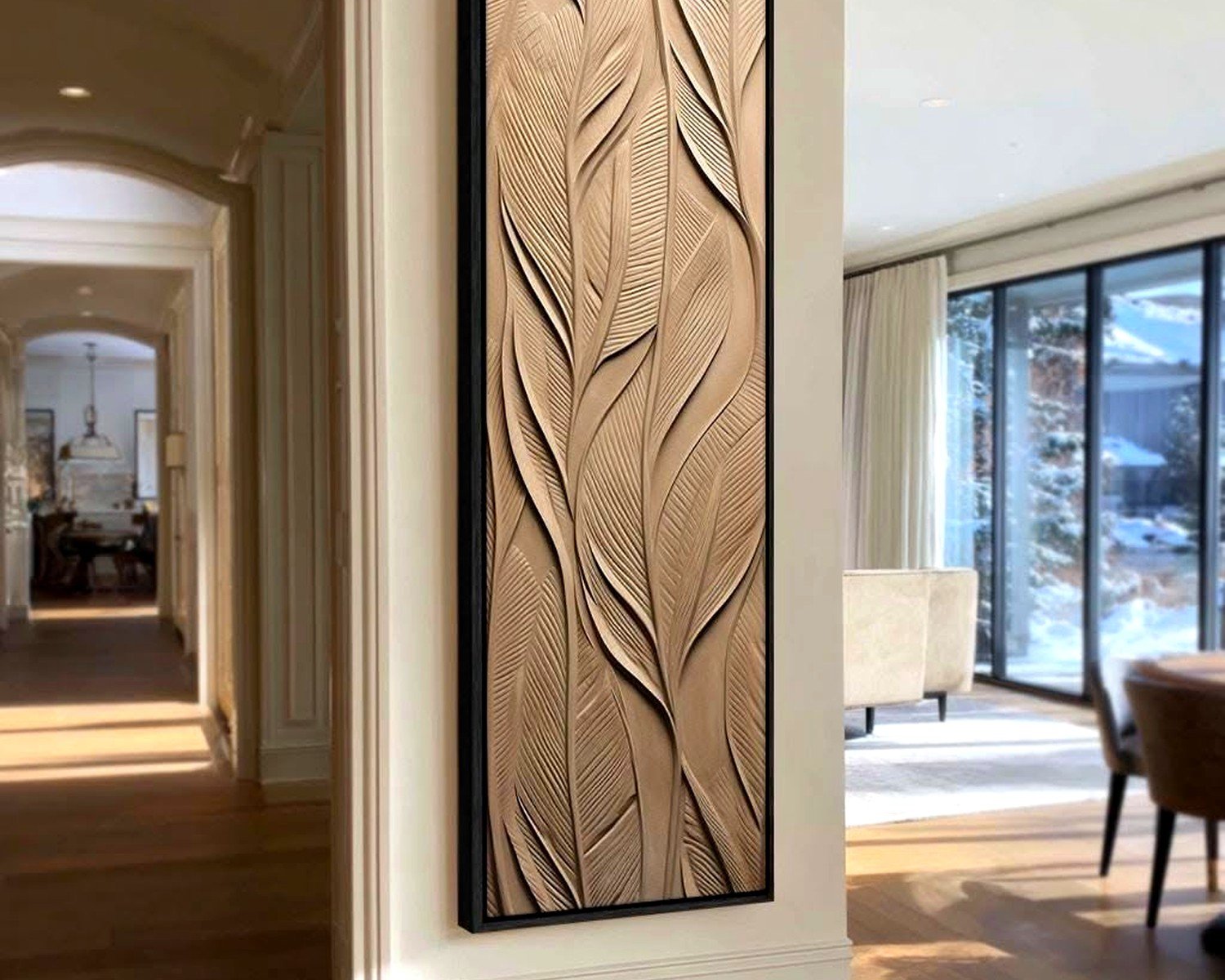
Botanical prints are still going strong for vertical format. Ferns, palm fronds, anything with long leaves just works. Not super original but they’re popular for a reason.
Budget Breakdown
Since you’re probably wondering about actual costs:
Budget option: $50-150 for a decent print from Society6 or Desenio in the 24×36 to 24×48 range. Frame it yourself or go frameless.
Mid-range: $200-500 for better quality print or canvas from Minted, Etsy, or local artists. Maybe a simple frame or floating frame.
Investment pieces: $600-2000+ for original art, high-end prints with custom framing, or really large scale pieces (72+ inches tall).
I usually tell people to invest in one really good vertical piece for their main living space and then do cheaper options for bedrooms and hallways. That’s how I’ve done my own place and it works.
Oh and thrift stores sometimes have tall pieces but you gotta be willing to repaint frames and maybe even paint over the existing art if it’s ugly. I’ve done this like five times and it’s always worth it for the frame alone.
The key thing is just measuring properly and being realistic about your space. And maybe don’t do what I did and buy stuff at 2am after scrolling Instagram for three hours because the lighting in photos is so different from real life and you will be disappointed.