Wall Art Guide, Wall Art Tutoriels
Modern Wood Wall Art: Contemporary Natural Carved Designs
Oct
So I’ve been absolutely obsessed with modern wood wall art lately and honestly it started because a client wanted something “natural but not rustic” and I was like…what does that even mean? But then I fell down this whole rabbit hole and now I have like three pieces in my own apartment so here’s what I’ve actually learned from installing and living with these things.
The Difference Between Modern and Traditional Wood Art
Okay so first thing – modern carved wood art is NOT the same as those driftwood signs from HomeGoods or the carved bear your uncle has in his cabin. Contemporary pieces are way more about clean lines, geometric patterns, or abstract organic shapes. Think less “welcome to our home” and more sculptural installation that happens to be made from wood.
The carved designs I’m seeing everywhere right now are either super minimal (like a single curved piece with interesting grain patterns) or these really intricate layered geometric patterns. My favorite piece in my living room is this walnut panel with concentric circles carved at different depths – catches light differently throughout the day and my cat is weirdly obsessed with staring at it.
What Actually Works on Your Wall
Size matters SO much and I learned this the hard way. I bought this gorgeous carved piece that was like 18×24 inches thinking it would be perfect above my console table and it just looked…sad? Too small. For modern wood art, you generally want to go bigger than you think unless you’re doing a gallery wall situation.
Here’s what I tell people:
- Above a sofa or bed – aim for 2/3 the width of the furniture
- Standalone statement wall – go as large as your budget allows, like 36×48 or bigger
- Gallery wall with multiple pieces – you can mix smaller 12×12 or 16×20 pieces
- Narrow walls or between windows – vertical pieces work better, maybe 12×36
The depth of the carving also creates actual shadows which is the whole point. Shallow carved pieces (like under 1 inch deep) can look kinda flat from a distance. I prefer pieces with at least 1.5-2 inches of relief for that dimensional effect.
Wood Types and What They Actually Look Like
This is gonna sound weird but different woods have completely different vibes even with the same design. I’ve tested this with clients and the wood choice matters more than the pattern sometimes.
Walnut is my go-to for modern spaces – it’s got that rich dark brown color and the grain is subtle enough that it doesn’t compete with carved patterns. Works perfectly in contemporary or mid-century spaces.
White oak is having a MOMENT right now. Lighter color, really pronounced grain patterns, and it has this slightly golden undertone that warms up minimalist spaces without making them feel rustic. I just installed a white oak geometric piece in a client’s dining room last month and the way it picks up their pendant light is *chef’s kiss*.
Maple is super light and smooth – almost too clean for some people? But if you’ve got a Scandinavian vibe going or lots of white walls, maple carved art looks incredible. The grain is barely visible which lets the carved pattern be the star.
Cherry gets this gorgeous reddish patina over time which is cool but also means it’s gonna change on you. I have a cherry piece that’s darkened noticeably in two years near a window.
Reclaimed wood or mixed wood pieces are trickier – they can look amazing or kinda chaotic depending on the design. Works best with simpler carved patterns so the wood variation doesn’t overwhelm everything.
Installation Without Destroying Your Walls
Oh and another thing – these pieces are HEAVY. Like way heavier than you expect. A 30×40 inch solid wood carved panel can easily weigh 20-30 pounds or more depending on thickness.
French cleats are your best friend here, not those sad little sawtooth hangers that come with cheaper pieces. A French cleat is basically two interlocking pieces – one mounts to the wall studs, one attaches to the back of the artwork, and they hook together. Super secure and the weight distributes evenly.
For anything over 15 pounds I’m using:
- French cleat system mounted into at least two wall studs
- If you can’t hit studs, heavy-duty toggle bolts rated for the weight
- A level because nothing looks worse than crooked art (learned this at 11pm trying to fix a piece before a client walkthrough the next morning)
Some modern pieces come with a floating mount system built in which is even better – creates a small gap between the wall and the art for this cool shadow effect. Makes the piece look like it’s hovering.
The Whole Finishing Thing
Natural wood needs some kind of finish or it’s gonna dry out, warp, or get gross over time. Most quality pieces come pre-finished but if you’re buying raw or making your own, here’s what actually works:
Tung oil or Danish oil gives you that natural matte look – you can still see and feel the wood grain, it just has protection. This is what I use on most contemporary pieces because it doesn’t look shiny or fake.
Polyurethane is more protective but can look plasticky if you use too much. Satin finish is better than gloss for modern aesthetics. I only recommend this for high-traffic areas or if you have kids who touch everything.
Wax finishes look gorgeous and feel amazing but you gotta reapply every year or so. More maintenance than most people want honestly.
Wait I forgot to mention – if you’re buying online (which, same, because local options are limited unless you live in a big city), make sure the listing says whether it’s finished or not. I once ordered this beautiful carved panel assuming it was ready to hang and it arrived completely raw and I had to spend a weekend applying oil finish in my bathroom because that was the only ventilated space and my dog kept trying to lick it.
Design Patterns That Actually Work
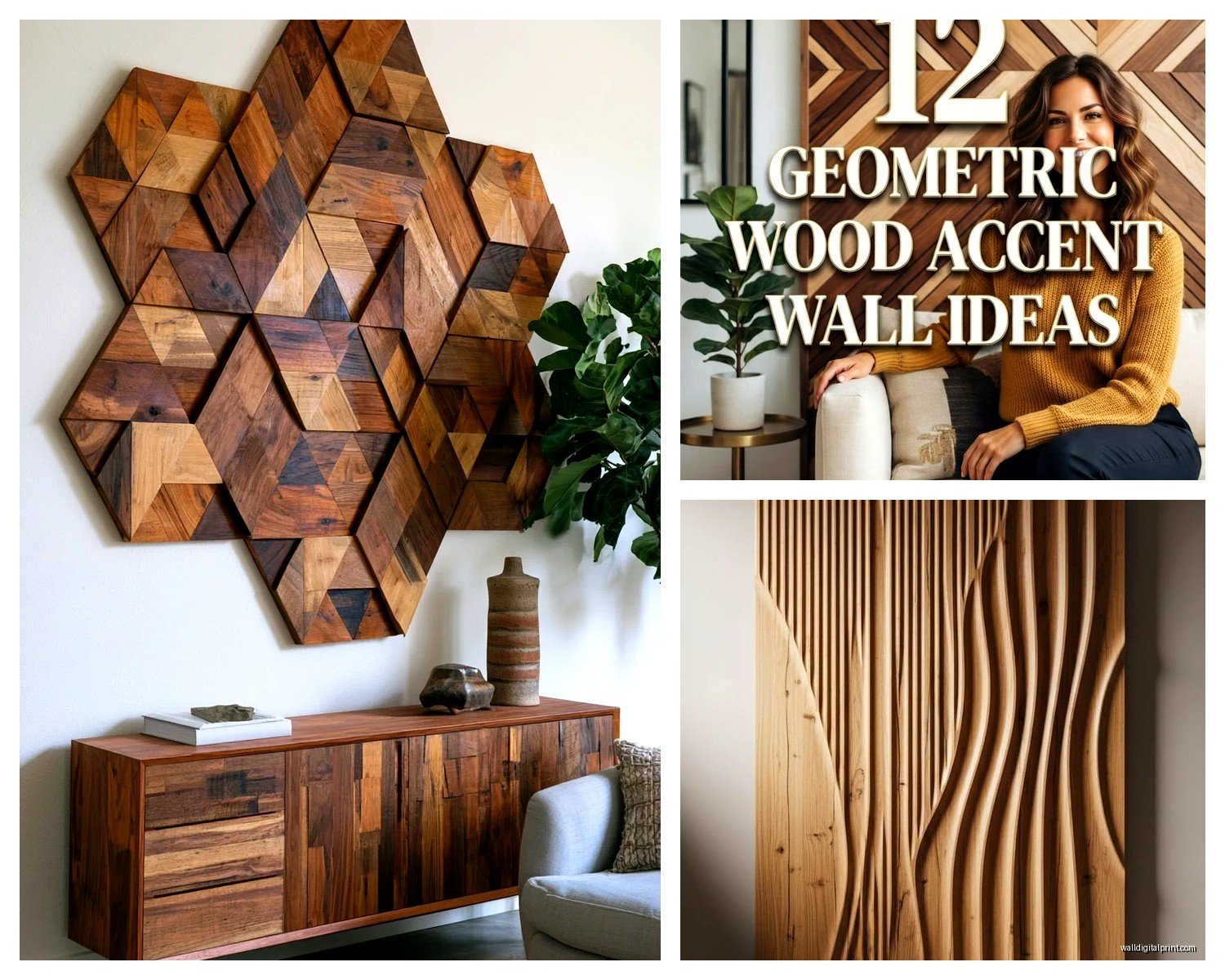
Geometric patterns are huge right now – hexagons, triangles, repeating linear patterns. These look super clean and modern, work well in contemporary spaces. The carved depth creates dimension without being too organic or natural-looking.
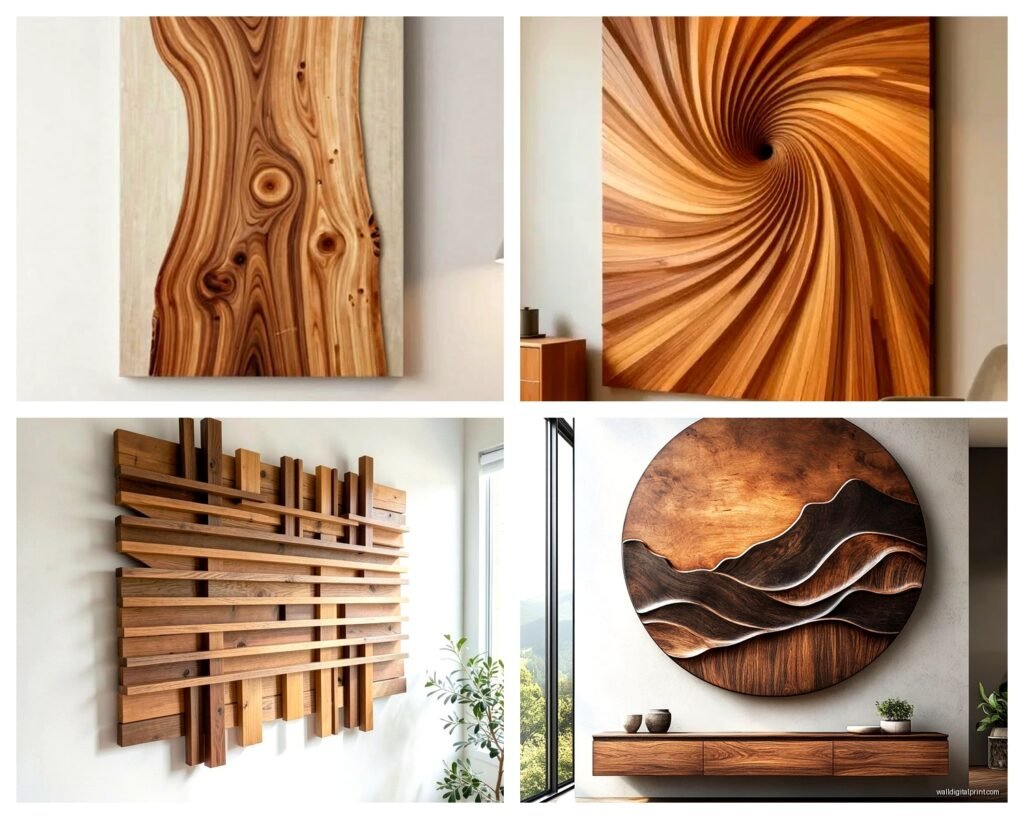
Topographic or contour line designs are my personal favorite lately. They’re based on elevation maps basically, with carved layers that create this landscape effect. Modern but still natural, works in almost any space.
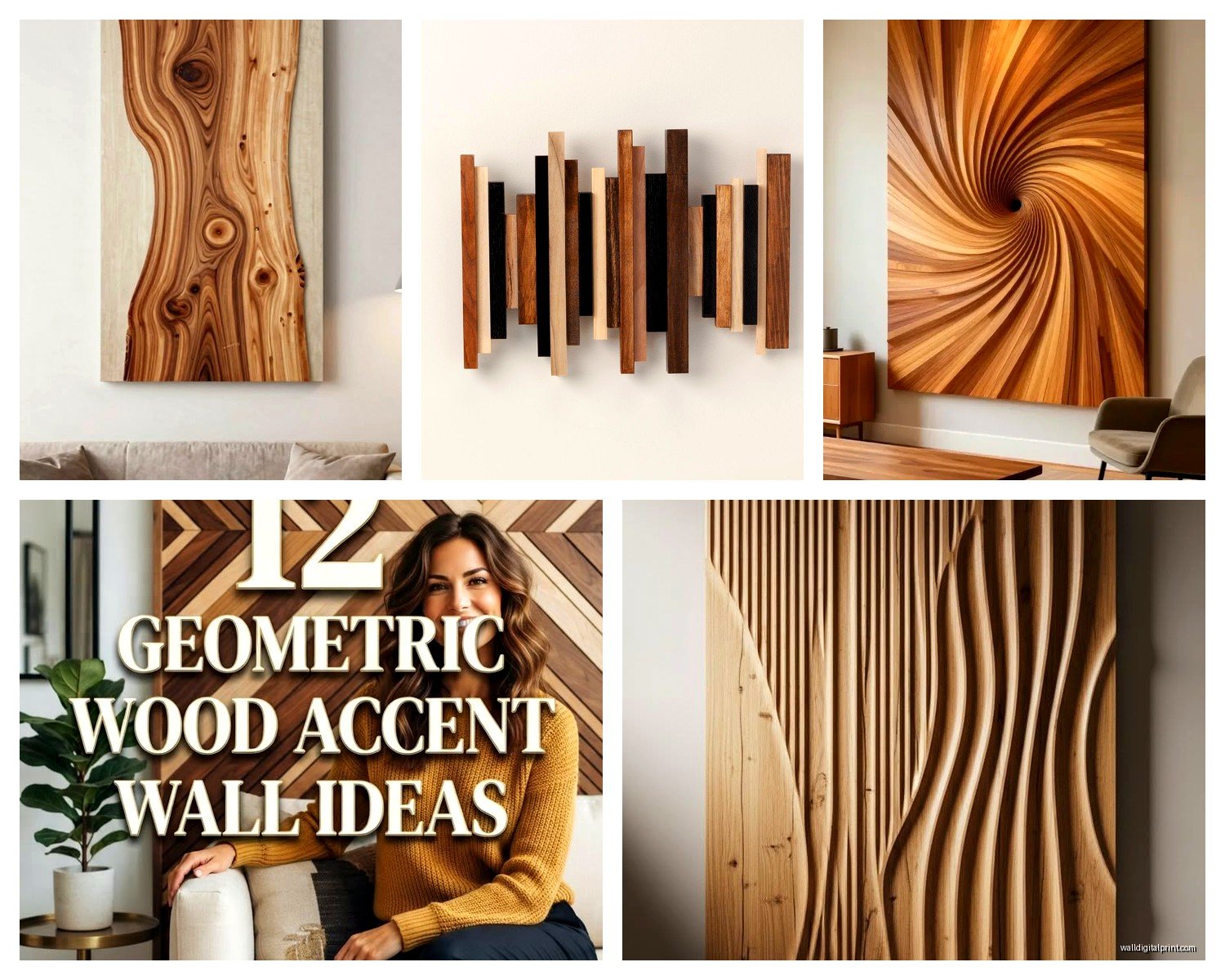
Abstract wave or flow patterns – these have curved carved lines that create movement. Less structured than geometric, more organic, but still contemporary when done right. I have one above my bed that’s just flowing horizontal waves at different depths and it’s weirdly calming to look at.
Minimalist single-element pieces – like one large carved circle, or a simple branch silhouette, or a single geometric shape. These are great if your space is already busy or you want something subtle.
Mandala or radial patterns carved into wood can go either way – some look too bohemian/spiritual for modern spaces, but really precise geometric mandalas in dark wood can work in contemporary settings.
Color Treatments for Modern Looks
Okay so funny story – I used to think colored wood art was tacky until I saw a piece with just the carved recesses painted in matte black while the rest stayed natural walnut. Completely changed my mind.
Natural wood tone is always safe and timeless. You literally cannot go wrong with quality wood in its natural state with a clear finish.
Black stained wood is SUPER modern and dramatic. Works incredibly well in industrial or contemporary spaces, especially against white or light gray walls. The carved patterns show up even more because of the monochromatic contrast in depths.
White or light gray stained wood – this is trickier because it can veer into shabby chic territory fast. Only works if the design is very geometric and modern, and even then you gotta be careful.
Two-tone treatments where the background is one color and carved sections are another – this is having a moment. Natural wood with white painted recesses, or all black with gold leaf in the carved areas. Can look amazing or terrible depending on execution.
Where to Actually Buy These Things
Etsy is honestly where I find most pieces for clients. Search “modern wood wall art” or “geometric wood carving” and you’ll find tons of makers. Read reviews carefully and message sellers about dimensions because photos can be deceiving.
Local woodworkers or art galleries if you want something custom or higher-end. More expensive but you can get exactly what you want and see it in person first.
West Elm and CB2 have some modern wood art options that are pretty decent quality for the price – I’ve used their stuff for budget-conscious clients and it holds up fine.
Avoid Amazon unless it’s a known brand because I’ve seen some ROUGH quality there. Photos look great, reality is disappointing.
Custom commission from a woodworker is the dream if you have the budget – I did this once for a client who wanted a specific size and pattern to match their architecture. Expensive but worth it for a statement piece.
What You’re Actually Gonna Pay
Small pieces (12×12 to 16×20 inches) run anywhere from $80 to $300 depending on wood type and complexity. These are good for testing if you even like wood art in your space.
Medium pieces (24×24 to 30×40 inches) are usually $250 to $800. This is the sweet spot for most walls – big enough to make an impact, not so expensive you’re terrified to hang it.
Large statement pieces (40×60 inches or bigger) can easily run $800 to $3000+. I’ve seen incredible custom pieces that were $5000+ but we’re talking museum-quality carved artwork at that point.
The carving complexity matters more than size sometimes – an intricately carved 20×20 piece might cost more than a simple 30×40 because of the labor involved.
Living With Wood Art Day to Day
Dusting is easier than you’d think – I just use a soft brush attachment on my vacuum every couple weeks or a microfiber cloth. The carved areas can collect dust but it’s not that noticeable unless the piece is really light colored.
Direct sunlight will fade and dry out wood over time, so avoid hanging pieces where sun hits them directly for hours each day. I learned this the hard way with my cherry piece.
They’re surprisingly durable – I haven’t had any issues with warping or cracking even in my apartment where humidity fluctuates. Quality pieces are usually made from properly dried wood so this isn’t a huge concern.
The smell is actually a thing, especially with cedar or freshly oiled pieces. Some people love it, some hate it. Fades after a few weeks usually but worth considering if you’re sensitive to scents.
Temperature changes don’t seem to affect them much – I have pieces in both my apartment (climate controlled) and my parents’ house (not climate controlled) and they’ve been fine for years.
Mixing Wood Art With Your Existing Stuff
This works better than you’d think even if you don’t have a “natural” aesthetic going on. I’ve put walnut geometric carvings in ultra-modern spaces with chrome and glass and it actually grounds everything nicely.
The key is treating it like sculpture rather than trying to match your furniture wood tones – they don’t need to match your dining table or whatever. Actually looks better when they don’t match exactly.
In minimalist spaces, wood art adds warmth without clutter. In maximalist spaces, it adds texture and dimension among all your other stuff.
Gallery walls with mixed media – combining wood carved pieces with prints, metal art, or photographs – can look really dynamic if you keep a cohesive color palette. I did this in my hallway with three wood pieces and four black and white photographs and it’s probably my favorite thing in my apartment.
Anyway that’s basically everything I wish someone had told me before I started collecting and installing these pieces everywhere. The carved wood art trend isn’t going anywhere because it hits that sweet spot of being natural, textural, handmade-feeling, and modern all at once which is basically impossible to find otherwise.