
Wall Art Guide, Wall Art Tutoriels
Handmade Wood Wall Art: Artisan Crafted Carved Natural
Nov
So I’ve been obsessing over handmade wood wall art lately because honestly my living room looked like a sad beige waiting room and I needed something with actual texture and personality. Let me tell you what I’ve learned from buying way too many pieces and also helping clients figure this stuff out.
Finding Quality Carved Wood Art That Won’t Fall Apart
Okay first thing – not all handmade wood art is created equal and I learned this the hard way. Bought this gorgeous geometric piece from an Etsy shop last year and within like three months the wood started splitting because it wasn’t properly dried. Such a mess.
When you’re looking at carved pieces, you gotta check what type of wood they’re using. Hardwoods like walnut, oak, cherry, and maple are gonna last forever basically. They take detail better too which matters if you want intricate carving. Softwoods like pine are cheaper but they dent easier and the grain can be kinda boring unless the artist really knows what they’re doing.
Here’s what I always look for now:
- Wood species clearly stated in the description
- Mention of kiln-dried or air-dried lumber (this prevents splitting)
- Finish details – is it sealed with oil, wax, or polyurethane
- Photos showing the back of the piece so you can see the mounting system
- Actual dimensions because “large” means different things to different people
The finish is huge and people don’t talk about this enough. Natural oil finishes like tung oil or linseed oil bring out the wood grain beautifully but you might need to reapply every few years. Polyurethane is more durable but can look plasticky if applied too thick. I personally love a hand-rubbed oil finish because it feels authentic and you can actually see the wood texture.
Different Carving Styles and What Works Where
This is gonna sound weird but I keep a notes app folder with photos of different carving styles because clients always ask what would work in their space. There’s actually a lot of variety.
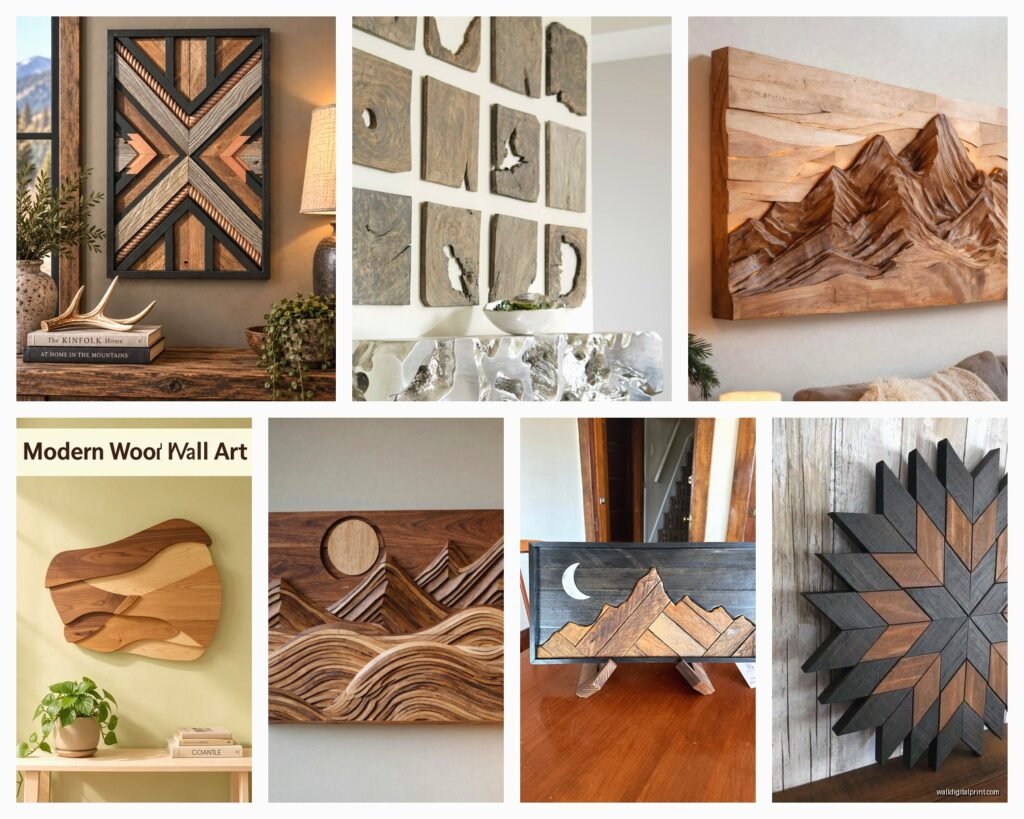
Relief carving is probably what you picture – designs that stand out from a flat background. This works amazing above a bed or sofa because it creates these cool shadows depending on your lighting. My favorite piece in my bedroom is this mountain range relief carved from a single piece of cedar and when the morning light hits it… chef’s kiss.
Chip carving has this geometric, almost Scandinavian vibe. Lots of triangular cuts that create patterns. Super clean looking and works great in modern spaces. I hung one in a client’s minimalist kitchen and it was the perfect amount of warmth without being too rustic.
Sculptural pieces are more 3D and dramatic. These are statement makers. I have one that’s like these layered waves and it’s probably 4 inches deep off the wall. You need space for these – they don’t work in narrow hallways or cramped areas.
Oh and another thing – there’s this technique called pyrography where artists burn designs into wood. Sometimes combined with carving. The contrast between burned areas and natural wood is stunning but make sure it’s sealed properly because burned wood can smudge if you touch it.
Sizing and Placement Because Everyone Gets This Wrong
Okay so funny story, I once bought a piece I thought would be perfect above my console table and it arrived and was literally the size of a dinner plate. My fault for not measuring but also the listing said “medium” which apparently meant medium for a cutting board not medium for wall art.
Here’s my actual sizing guide that I use:
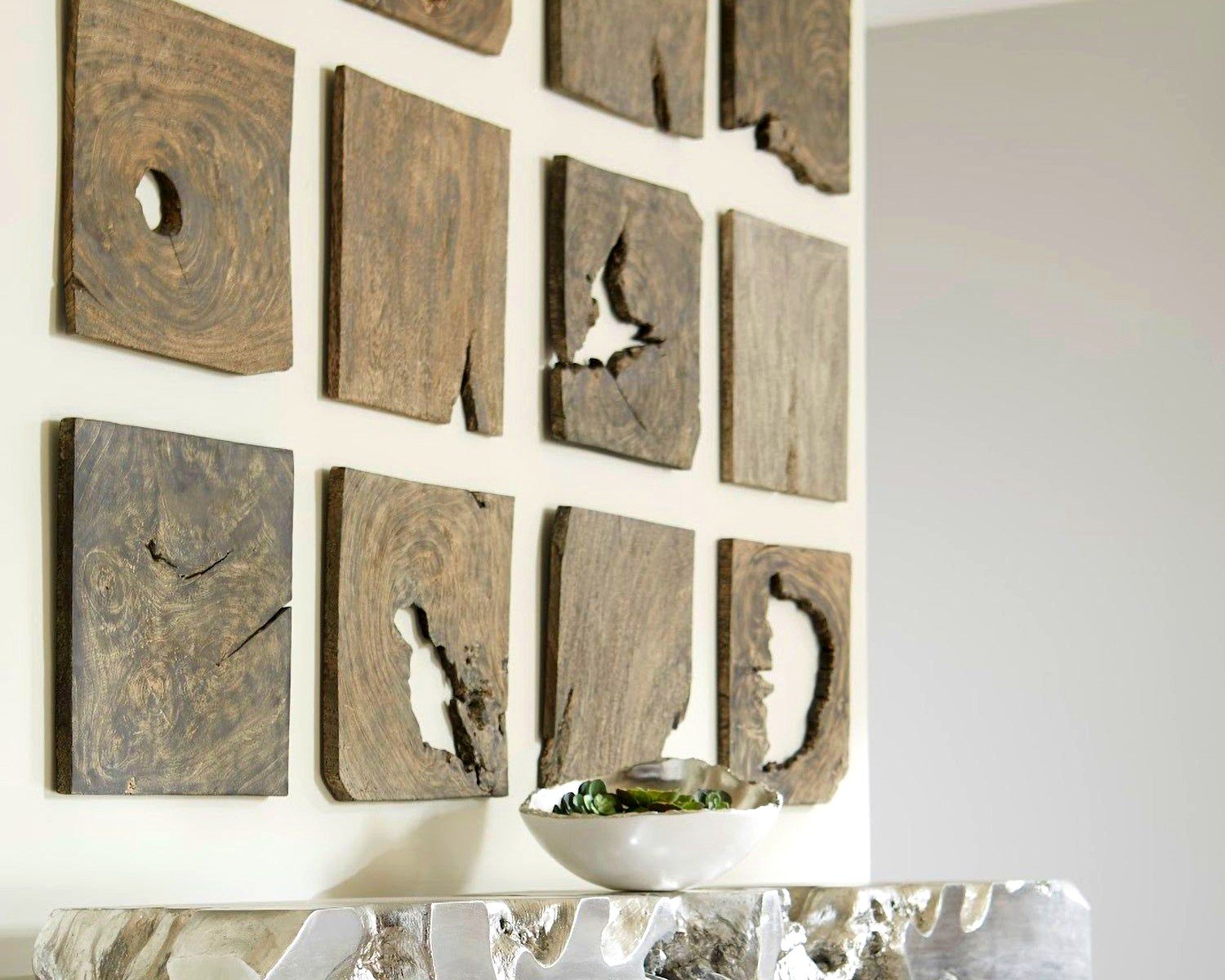
- Above a sofa: aim for 2/3 to 3/4 the width of the sofa
- Above a bed: similar rule, about 2/3 the width of the headboard
- Gallery wall pieces: mix sizes but keep the largest around 24-30 inches
- Narrow walls or hallways: vertical pieces work better, 12-18 inches wide max
Hang things at eye level which is roughly 57-60 inches from the floor to the center of the piece. I know everyone says this but people still hang stuff too high. Your art shouldn’t require neck craning.
Wait I forgot to mention – consider the weight. Carved wood art can be HEAVY especially if it’s thick hardwood. You need proper anchors. I use heavy-duty picture hangers rated for at least double the weight of the piece. For anything over 20 pounds I’m finding studs or using toggle bolts in drywall. Nothing ruins your day like art crashing down at 2am.
Buying Direct from Artisans vs Marketplaces
So I go back and forth on this. Etsy and similar platforms are convenient and you get buyer protection but artists pay hefty fees. If you find an artist you love, check if they have their own website – you might get better pricing and they keep more of the money.
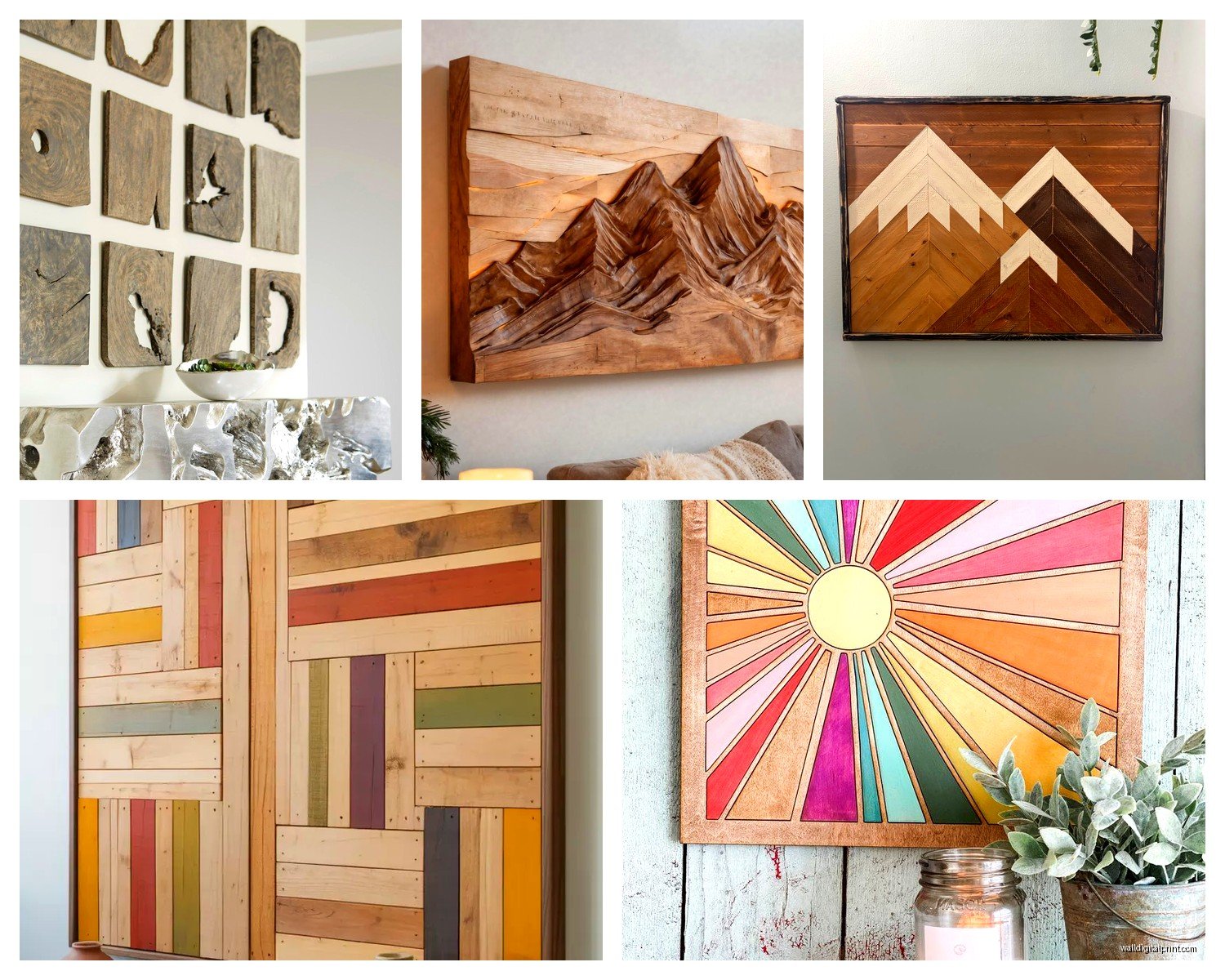
Instagram has become weirdly good for finding wood artists. Search hashtags like:
- #woodwallart
- #woodcarving
- #woodartist
- #handcarvedwood
- #woodrelief
A lot of artists sell directly through DMs or have links to their shops. I found this amazing artist in Oregon who does these abstract organic shapes and her Instagram had way more variety than her Etsy shop.
Craft fairs and art markets are also goldmines if you have them locally. You can see the work in person, feel the finish, check the construction. Plus you can sometimes negotiate or commission custom work on the spot.
Custom Commissions and What to Expect
I’ve commissioned probably six pieces now for clients and myself and here’s the reality – it takes time and clear communication. Most artisans I work with need 4-8 weeks for custom carved pieces depending on complexity.
Be specific about what you want. Don’t just say “something nature-inspired for my dining room.” Give dimensions, color preferences (stained vs natural), style references (show them photos of pieces you like), and your budget upfront. Nothing’s more awkward than getting a quote that’s triple what you expected.
Ask about their process. Do they provide sketches or digital mockups before starting? What’s their revision policy? I learned this after a commissioned piece came back and the mountains were facing the wrong direction from what I’d pictured. The artist was great about fixing it but we should’ve clarified from the start.
Typical commission process looks like:
- Initial consultation and quote
- Deposit (usually 50%)
- Design approval
- Creation period
- Progress photos (good artists send these)
- Final payment and shipping
My dog just knocked over my water bottle all over my notes but anyway – shipping carved wood art is nerve-wracking. Make sure the artist has experience packaging this stuff properly. It should be wrapped in protective material, corners reinforced, and shipped in a box with plenty of cushioning. I’ve had one piece arrive damaged and it was because the packaging was just bubble wrap and hope.
Caring for Your Wood Wall Art
This is actually pretty low maintenance which is nice. Dust it occasionally with a soft cloth – microfiber works great. Don’t use furniture polish or anything with silicone because it can build up and make the wood look dull over time.
If it’s in direct sunlight, be aware that wood will fade and change color. UV rays are brutal. I have curtains in my living room partly to protect a really expensive walnut piece from afternoon sun. Some people don’t mind the patina that develops but if you want it to stay true to the original color, avoid south-facing walls or use UV-filtering glass if it’s in a frame.
For oiled finishes, you might wanna reapply oil every year or two if the wood starts looking dry. Just use the same type of oil the artist used – they should tell you what that is. Wipe it on with a cloth, let it soak in for 15 minutes, then buff off the excess. Takes like 10 minutes total.
Price Ranges and What You Actually Get
Okay so pricing is all over the place depending on size, wood type, complexity, and artist reputation. Here’s what I typically see:
Small pieces (12×12 inches or under) with simple designs: $75-200
Medium pieces (18×24-ish) with moderate detail: $200-500
Large statement pieces (36+ inches) with intricate carving: $500-2000+
Custom commissions: add 20-50% to these ranges
Super intricate mandala-style carvings or pieces that took 40+ hours can easily hit $3000-5000 and honestly they’re worth it if the craftsmanship is there. You’re paying for skill, time, and materials.
I saw someone selling “handmade carved wood art” for like $30 on Amazon and it was definitely mass-produced laser-cut stuff. Not saying there’s anything wrong with that if you’re on a tight budget but it’s not the same as actual hand-carved work. You can tell the difference – hand-carved has tool marks, slight irregularities, character. Laser-cut edges are perfectly uniform and kinda soulless.
Mixing Wood Art with Other Decor
This works better than you’d think even in non-rustic spaces. I have a client with a super sleek modern condo and we hung this organic flowing wood sculpture and it’s the perfect contrast to all the glass and metal. The key is balancing textures.
If your space is already heavy on wood (wood floors, wood furniture), consider painted or stained pieces that add color. Or go with lighter woods like ash or maple instead of more dark walnut.
In eclectic or boho spaces you can go crazy – mix different wood tones, combine with macrame or metal art, create gallery walls with wood pieces as anchors. There’s no rules really.
For traditional or transitional spaces, stick with classic relief carvings in medium to dark woods. Ornate patterns work well. Think acanthus leaves or geometric borders.
Wait I forgot to mention – some artists do wood burning combined with resin pours which creates this cool contrast between organic wood and glossy resin. Very contemporary looking. My sister has one with blue resin in the carved sections that looks like a river and it’s probably the most complimented piece in her house.
Red Flags When Shopping
Things that make me suspicious:
- No information about wood type or finish
- Stock photos instead of actual product photos
- Prices way below market (probably mass-produced)
- No reviews or all reviews are generic
- Artist won’t answer questions about their process
- Rush shipping available (quality carving takes time)
Also watch out for pieces that are just stained plywood with a design router-cut into them being sold as “artisan carved.” Not saying routed designs can’t be nice but they shouldn’t be priced like hand-carved work.
Storing or Rotating Pieces
If you’re like me and buy too much art, you’ll need to store some. Keep wood art in climate-controlled spaces – attics and basements with humidity swings will warp or crack the wood. Wrap in acid-free paper or clean cotton sheets, store flat or hanging, never lean heavy pieces against each other.
I rotate my art seasonally sometimes which sounds extra but it keeps things fresh. Lighter woods and nature themes for spring/summer, darker dramatic pieces for fall/winter. Gives me an excuse to buy more pieces honestly.
Okay I think that covers most of what I’ve learned through trial and error and probably too much money spent on wood art. The main thing is buy from actual artisans who care about their craft, ask questions before purchasing, and don’t cheap out on mounting hardware. Your walls and your aesthetic will thank you.
