Wall Art Guide, Wall Art Tutoriels
Patent Wall Art: Invention Blueprint Technical Drawing
Nov
So I’ve been obsessing over patent wall art lately and honestly it started because a client wanted to fill this massive wall in their home office but didn’t want the usual generic prints everyone has. We went down this rabbit hole of vintage patent drawings and now I can’t stop recommending them to literally everyone.
Why Patent Art Actually Works
Okay so here’s the thing – patent drawings have this perfect combination of looking technical and sophisticated without being pretentious. They’re conversation starters but not in an obnoxious way. I hung a Wright Brothers airplane patent in my own living room last year and every single person who comes over asks about it. My neighbor thought it was an actual original document from 1903 which… no, but I’ll take the compliment.
The drawings themselves are these incredibly detailed technical blueprints that inventors had to submit to the patent office. They show every angle, every measurement, every tiny component. There’s something weirdly beautiful about the precision, you know? Plus they come in basically every subject imaginable so you’re not stuck with just the famous stuff.
Finding the Right Patents for Your Space
This is where I spent way too much time initially. There are thousands of patents to choose from and you can go down a serious internet hole looking at them. Here’s what I learned though – pick something that actually means something to you or fits the room’s purpose.
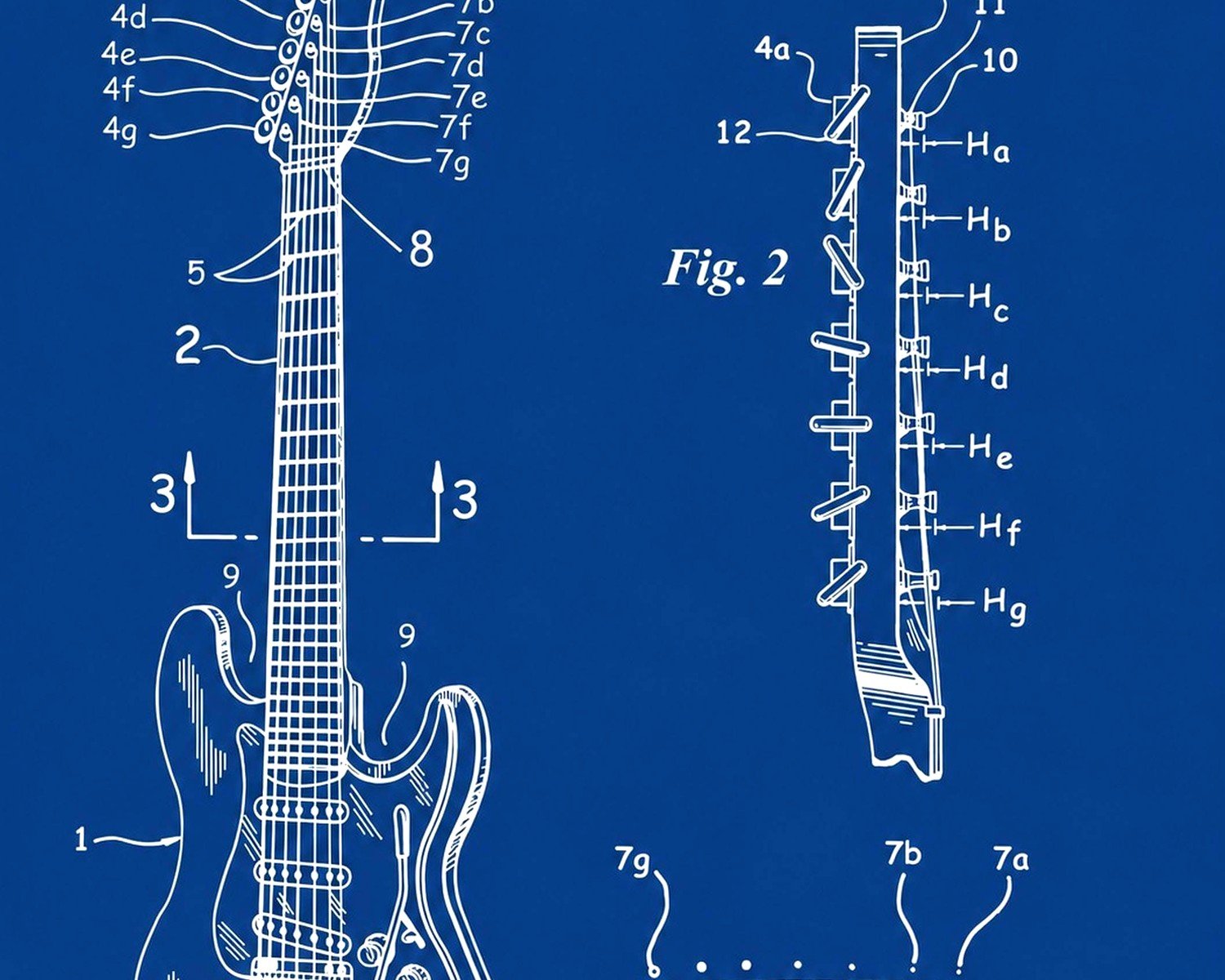
For a home office I always suggest patents related to the person’s profession or hobbies. Got a musician client? There are patents for basically every instrument ever made. Someone who loves coffee? The espresso machine patent looks incredible. I did a gallery wall for a dentist once with vintage dental tool patents and it was oddly perfect.
The kitchen is another spot where patent art really shines. Mixer patents, coffee grinder blueprints, that iconic KitchenAid stand mixer design. My sister has the corkscrew patent collection in her dining room and it’s become this whole talking point at dinner parties.
Where to Actually Buy This Stuff
Etsy is gonna be your best friend here. There are SO many sellers who specialize in patent prints and the prices range from like $8 for a digital download to $100+ for fancy framed versions. I usually go with the digital download route because then you control the printing quality and framing.
Some sellers I keep coming back to – and I’m not sponsored or anything, these are just the ones that have good resolution files – focus on specific categories. Search for “vintage patent print” plus whatever subject you want. The key is making sure they’re offering at least 300 dpi resolution if you’re printing larger than 8×10.
Oh and another thing – the actual US Patent Office has a free database where you can download original patent documents. It’s called Google Patents now I think? But fair warning, the image quality can be hit or miss and you’ll spend forever searching through stuff. Worth it if you want something super obscure though.
Print Quality Matters More Than You Think
Okay so I learned this the hard way. First time I ordered patent prints I went cheap on the printing and they looked… fine from far away but up close you could see all these compression artifacts and the lines were fuzzy. Not cute.
For patent drawings specifically you need crisp lines because that’s literally the whole aesthetic. I now use a local print shop that does large format printing and the difference is night and day. If you don’t have a good local option, places like Nations Photo Lab or Mpix online do solid work.
Paper choice is weirdly important too. I usually go with a matte cardstock or even better, this textured paper that looks slightly aged. Makes the whole thing feel more authentic. The super glossy photo paper can make patent prints look too modern and kind of cheap honestly.
Sizing and Layout Decisions
This is where people get stuck and I get it because there are no rules really. But here’s what tends to work – for a single statement piece, go big. Like 24×36 inches minimum. Patent drawings have so much detail that when you print them large they become even more interesting.
For gallery walls I mix different sizes but keep them all the same orientation. Either all portrait or all landscape. Trying to mix both usually looks messy unless you’re really good at gallery wall layouts which… most of us aren’t.
I did a client’s study last month with nine patent prints in a grid – all 16×20 inches, all the same black frames, all inventions from the 1920s. Super cohesive and it filled this huge wall perfectly. The symmetry worked because the drawings themselves are already pretty chaotic with all the technical details.
Wait I forgot to mention – you can also do triptychs with patents that have multiple pages. Some complex inventions like airplanes or cars had several sheets of drawings. Hanging them side by side tells the whole story and looks really intentional.
Framing Without Spending a Fortune
Custom framing will bankrupt you real fast. I’m talking $200+ per frame easily. Instead I’ve become really good friends with IKEA frames and also this brand called MCS that makes decent quality frames in standard sizes.
The trick is choosing your print size based on available frame sizes rather than the other way around. Standard sizes are 8×10, 11×14, 16×20, 18×24, and 24×36. Print to those dimensions and you’ll save yourself so much money and hassle.
For patent art specifically I almost always use black frames. Simple, clean, lets the drawing be the focus. Sometimes I’ll do black with a white mat which adds a gallery feel. My cat knocked over one of my framed patents last week and thankfully the IKEA frame survived so… they’re more durable than you’d think.
The Matting Question
Mats are one of those things that seem optional but actually make a huge difference. They give the art breathing room and make even cheap prints look more expensive. For patent drawings I usually do a white or off-white mat, sometimes black if the wall is light colored.
You can buy pre-cut mats online for standard sizes or if you’re feeling ambitious, cut your own. I tried cutting my own once and it was a disaster so now I just order them. Logan Graphics makes good quality mat boards that aren’t crazy expensive.
The mat width matters too – I generally go with 2-3 inches on all sides for smaller prints and up to 4 inches for larger ones. It’s one of those things where once you see the difference you can’t unsee it.
Color Schemes and Variations
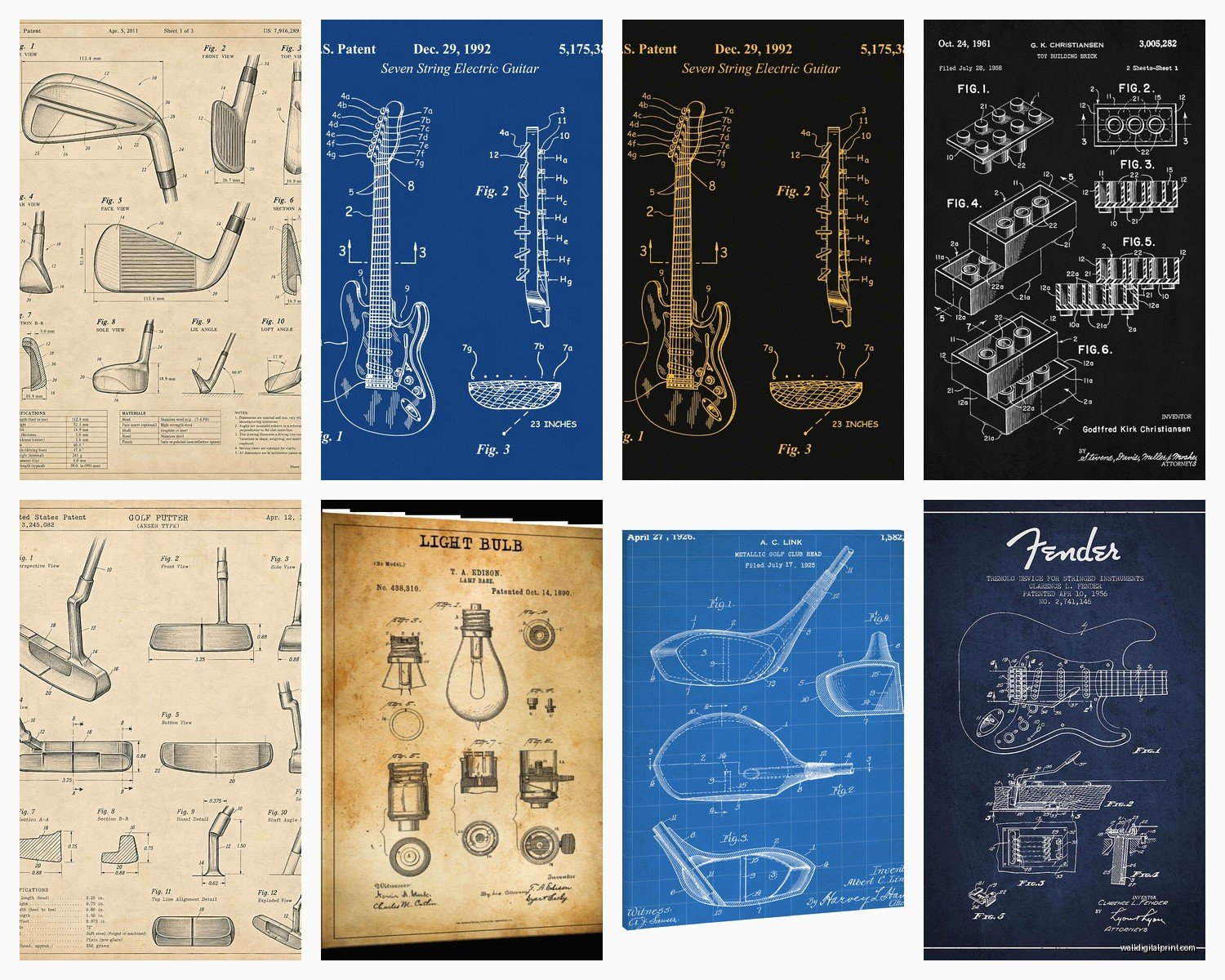
Original patent drawings are black line work on off-white or aged paper. That’s the classic look and honestly it works with pretty much any decor style. But lately I’ve been experimenting with different background colors and it’s kinda fun.
Some Etsy sellers offer the same patent on different colored backgrounds – navy blue, dark green, that trendy rust color everyone’s into. I used navy background patents in a nautical-themed nursery and they looked way better than I expected. Less technical, more decorative.
You can also find inverted versions where the lines are white on a black background. Super modern looking and dramatic. I have one of the telephone patent like this in my hallway and it’s probably my favorite piece in my house.
This is gonna sound weird but – you can also DIY the color situation if you’re getting digital downloads. Print on colored cardstock or use image editing software to change the background color before printing. I do this sometimes when I need something to match a specific color palette.
Subject Matter Ideas by Room
Kitchen patents I already mentioned but worth expanding on – anything food or beverage related works. Blenders, toasters, bottle openers, even the pizza box patent exists and it’s delightful.
Bathrooms are tricky but I’ve used toothbrush patents, razor designs, even the toilet paper roll patent which gets laughs. Keep it small in bathrooms though, like 8×10 max.
Bedrooms I tend to go more personal – musical instruments if they’re into music, sports equipment patents for athletes, camera patents for photographers. Makes the space feel customized.
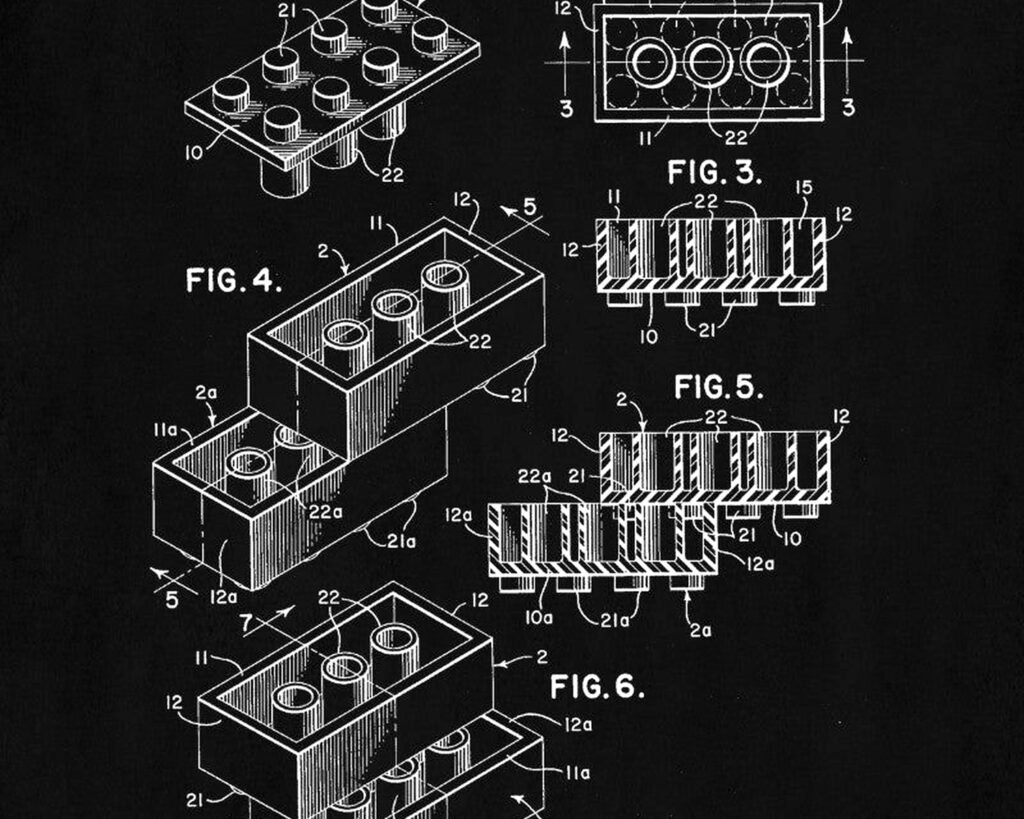
Kids rooms are actually perfect for patent art. Toy patents, bicycle designs, skateboard blueprints, LEGO brick patent. Educational but still cool looking. Way better than cartoon characters they’ll outgrow in six months.
Creating Collections That Make Sense
Random patents scattered around look kinda scattered honestly. I always encourage people to think in collections even if you’re only starting with one or two pieces. Pick a theme and stick with it.
Transportation patents are a good collection – cars, trains, airplanes, boats. All different inventors, different time periods, but cohesive subject matter.
Music and sound – instruments, record players, speakers, microphones. I curated this collection for a recording studio once and it was *chef’s kiss*.
Communication technology – typewriters, telephones, telegraphs, early computers. Shows the evolution of how we connect and looks really cool together.
Office tools – staplers, paperclips, pens, desk lamps. Sounds boring but actually these are some of the most visually interesting patents because they had to show the mechanisms in such detail.
The Authenticity Factor
Something I should mention – some people get weird about whether these are “real” patents or artistic interpretations. Most of what you’re buying are reproductions or cleaned-up versions of actual patent documents. The originals are archived and not really accessible for home decor purposes.
Does it matter? Not really in my opinion. The point is the aesthetic and the history, not owning an actual 100-year-old document. Though if you DO want authentic vintage patents, eBay sometimes has actual original patent papers for sale. They’re usually pretty expensive and often in rough condition but could be cool for the right space.
I always tell clients to focus on what looks good and what means something to them rather than getting caught up in authenticity debates. Your wall, your rules.
Mixing Patent Art with Other Styles
Patent drawings play surprisingly well with other art styles. I’ve mixed them with vintage photography, modern abstracts, even botanical prints. The key is keeping the framing consistent.
In my own place I have patent art mixed with some gallery posters from museum exhibitions and family photos. Black frames throughout ties it all together even though the subject matter varies.
One thing that doesn’t really work – mixing patent art with super colorful modern art. The technical black and white aesthetic clashes with bright colors in a way that feels unintentional. Unless that’s your vibe I guess, then go for it.
Unexpected Places for Patent Art
Mudrooms and entryways – coat hook patents, umbrella designs, shoe-related inventions. Functional spaces deserve cool art too.
Home gyms – exercise equipment patents obviously. Dumbbells, treadmills, that weird vibrating belt thing from the 1950s.
Laundry rooms – washing machine and iron patents. Makes a boring utilitarian space feel more intentional.
Garages and workshops – tool patents are endless and actually make sense in these spaces. Hammer designs, saw mechanisms, drill bits.
Okay so I’m realizing I’ve written way more than I meant to but hopefully this helps. The main thing is don’t overthink it – pick inventions you think are cool, print them decent quality, frame them simply, and hang them up. Patent art is forgiving and looks good in pretty much any space if you commit to it.