
Wall Art Guide, Wall Art Tutoriels
Crane Wall Art: Asian Bird Construction Machine Dual Theme
Jul
So I’ve been totally obsessed with this whole crane wall art thing lately because a client asked me about it last month and I went down this rabbit hole trying to figure out which “crane” they actually meant, and honestly it’s become this whole dual-theme situation that’s actually really cool when you lean into it instead of fighting it.
First thing – you gotta decide if you’re team bird or team machine, or if you’re gonna do what I did in my own living room which is…both? I know that sounds chaotic but hear me out.
The Asian Bird Route
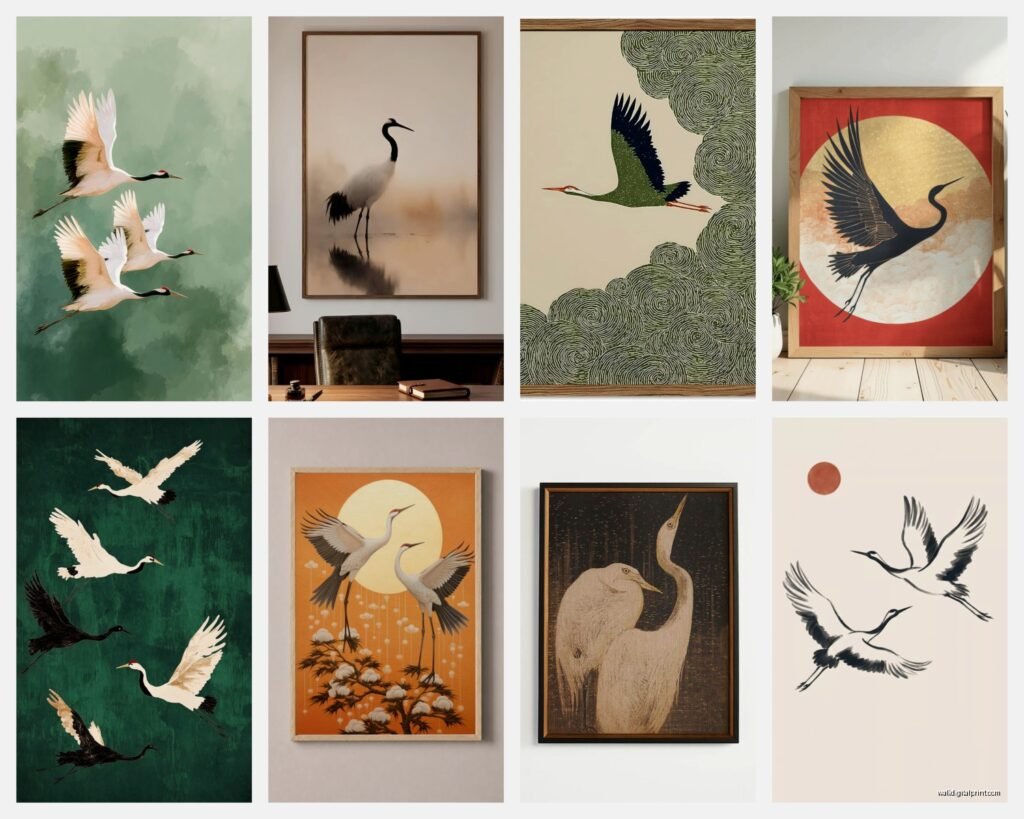
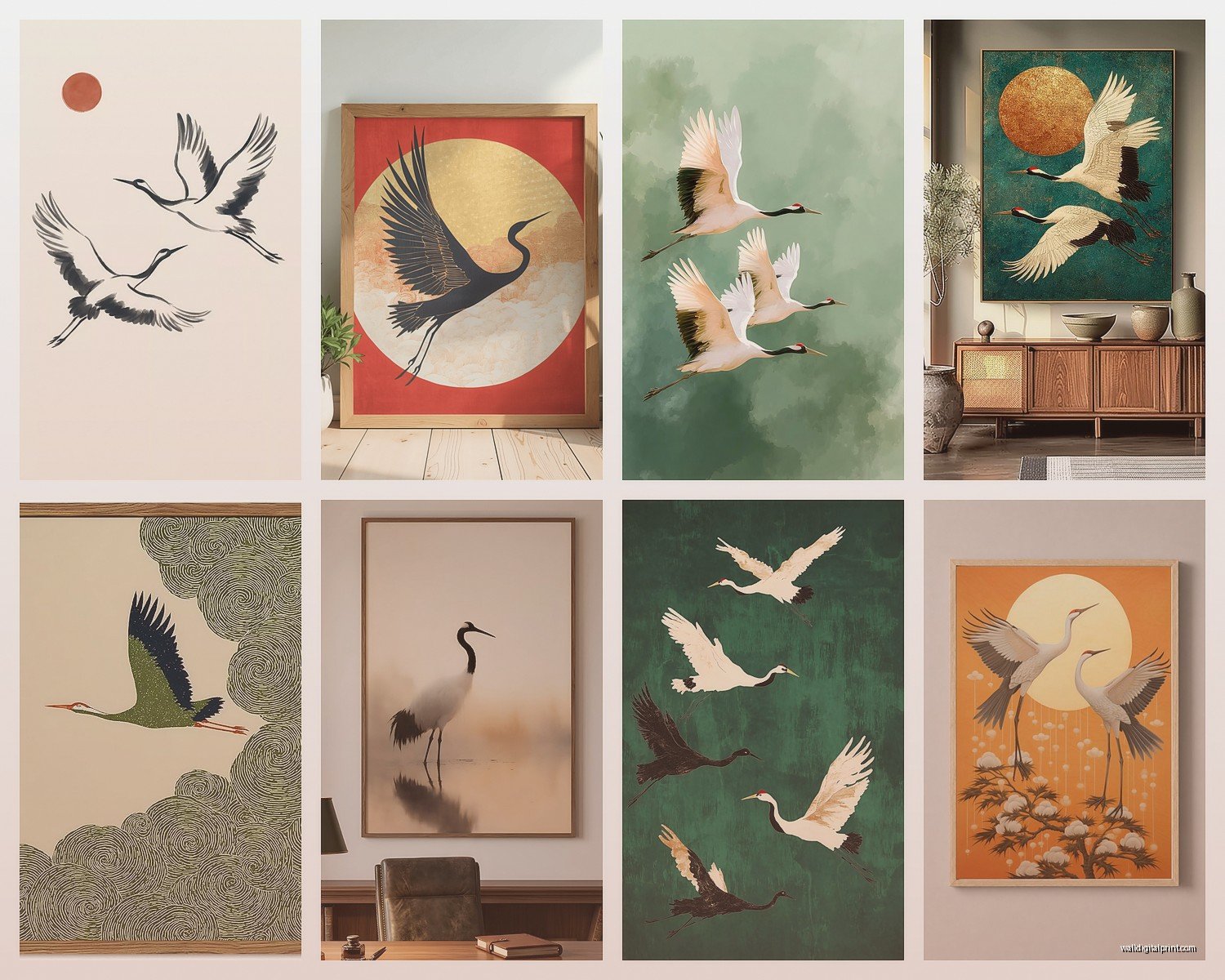
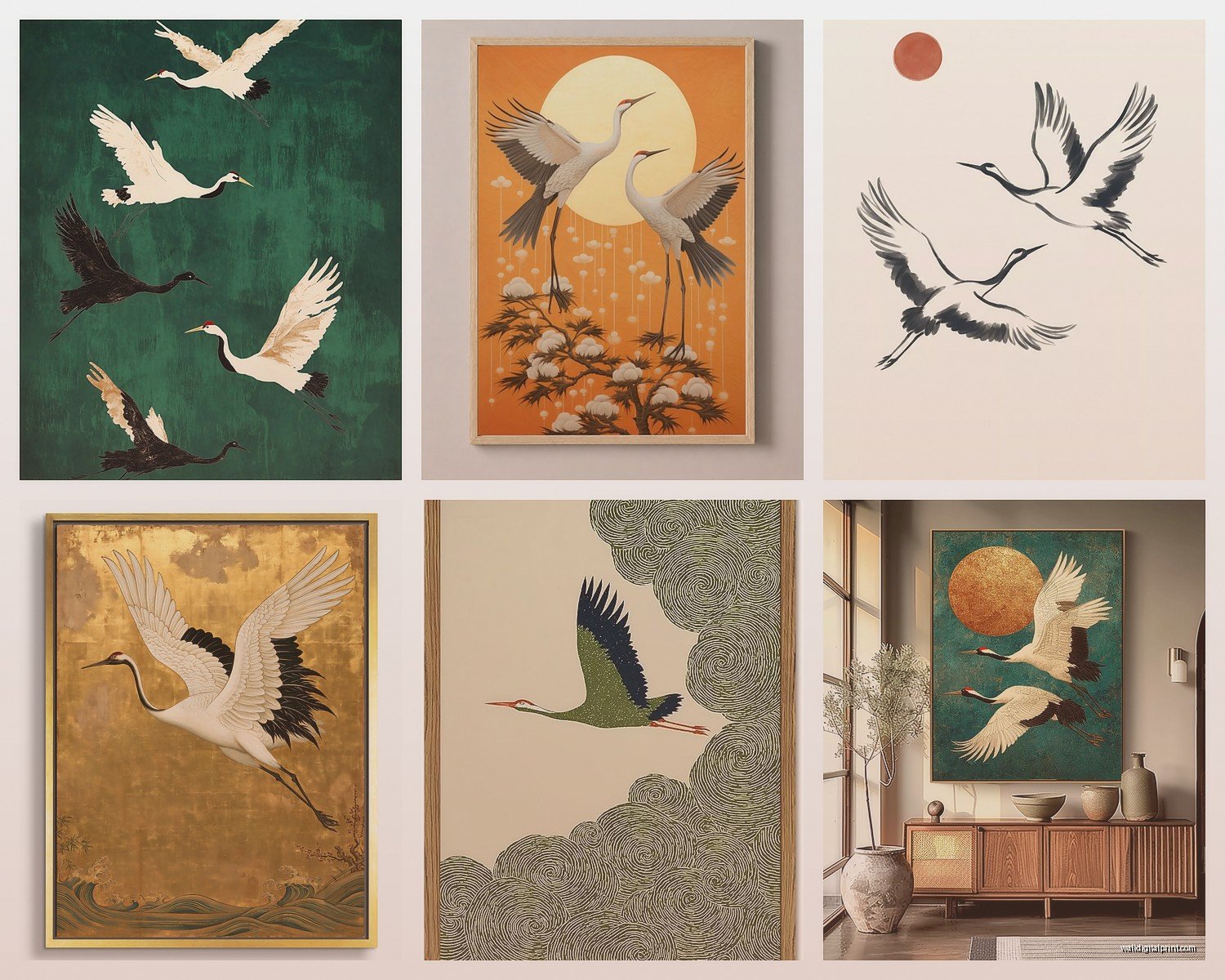
Okay so if you’re going with the traditional Asian crane (the bird), you’re looking at a ton of symbolism that actually matters for placement. These birds represent longevity, peace, all that good stuff. I learned this while binge-watching that Korean drama – my dog kept barking at the TV and I noticed all the crane artwork in the background scenes.
For the bird crane art, you want to look for:
- Red-crowned cranes specifically if you want the most “authentic” look
- Paintings or prints with bamboo, pine trees, or water elements
- Gold leaf accents if you’re going fancy
- Black ink wash style if you want that minimalist vibe
The thing nobody tells you is that the direction the crane is facing actually matters to some people. Flying upward = aspirations and growth. Standing in water = stability. Two cranes together = partnership or marriage, which is why I don’t recommend that for a home office unless you work with your spouse I guess?
I found this amazing set on Etsy last year – three panel canvas print with cranes in fog – and it completely changed my bedroom. Cost like $180 which felt steep but the quality was actually there. The canvas was thick, colors didn’t look washed out like some cheaper prints I’ve tried.
Placement Tips for Bird Cranes
Living room above the sofa is classic but honestly kinda predictable. I’ve been putting them in unexpected spots lately:
- Narrow hallway walls where the vertical line of a crane’s neck draws your eye down the space
- Above a console table in an entryway
- Bathroom – sounds weird but a single crane print in a bathroom with natural wood elements is chef’s kiss
- Behind a bed but offset to one side instead of centered
Oh and another thing – size matters way more than you think. I see people buying these tiny 16×20 prints for massive walls and it just looks lost. For a standard sofa wall, you want at least 40 inches wide, or do a gallery wall situation with multiple crane pieces.
The Construction Machine Angle
Now the construction crane art is having this whole moment right now and I’m kinda here for it? It started with industrial loft spaces but it’s spreading to regular homes, especially for kids’ rooms, home offices, and basement spaces.
The aesthetic is completely different obviously. You’re looking at:
- Black and white photography of actual cranes on construction sites
- Technical drawings or blueprint style prints
- Vintage construction company posters
- Abstract geometric interpretations of crane shapes
- Sunset/sunrise shots with crane silhouettes
I did a whole office space last fall with this theme and the client was an engineer so it made sense, but what surprised me was how sophisticated it looked when we mixed it with warm wood tones and brass fixtures. Wasn’t expecting that.
For construction crane art, you gotta think about the vibe you’re creating. It can go either super masculine industrial OR it can be artistic and almost sculptural depending on what you pick. There’s this photographer – I’m blanking on the name right now – who does these incredible shots of cranes against pink and orange skies that are just stunning.
Where Construction Cranes Work Best
Home office is the obvious one but I’ve also used it in:
- Boys’ bedrooms (toddler through teen honestly)
- Basement bars or entertainment spaces
- Modern kitchens with concrete or metal elements
- Garage workshops
The key is committing to the industrial vibe with your other decor. You can’t really do construction crane art with shabby chic furniture…it’s gonna clash hard.
The Dual Theme Approach (My Favorite)
Wait I forgot to mention – you can actually do both themes in the same home and it works if you’re strategic about it. Different rooms obviously, but there’s something cool about having this playful contrast.
I’ve got Asian crane art in my bedroom and entryway, then construction crane photography in my home office. When people come over they don’t really notice it’s the same “word” until I point it out, and then they think it’s intentional and clever even though it totally started by accident.
Making It Cohesive
If you’re gonna do both themes, here’s what I learned:
Keep your frame colors consistent across the house. I use black frames for everything which helps tie different art styles together. Or go all natural wood frames.
Use the same matting approach. I do white mats for both my bird and machine crane art so there’s visual continuity even though the subjects are totally different.
Don’t put them in adjacent rooms. That’s too obvious and it feels forced. Space them out.
Shopping Real Talk
Okay so where to actually buy this stuff without spending your entire paycheck…
Budget Options:
Society6 and Redbubble have both themes covered. Quality is hit or miss – I’ve had prints arrive looking amazing and others that were weirdly pixelated. The framing upgrade they offer is actually worth it if you’re lazy like me and don’t wanna deal with custom framing.
Etsy is great for Asian crane art especially. Lots of people selling digital downloads you can print yourself at Costco or whatever. I’ve done this and it works fine if you’re not super picky. Cost me like $25 total for a large print versus $200+ for a ready-made version.
Mid-Range:
Art.com and AllPosters have curated collections. The construction crane photography section on Art.com is actually really good. They run sales constantly so wait for 40% off.
Target and HomeGoods sometimes have crane stuff but it’s random. I found this gorgeous three-piece Asian crane canvas set at HomeGoods for $79 and I’m still mad I didn’t buy it because I went back two days later and it was gone.
Investment Pieces:
If you want something special, look for actual artists on Instagram selling originals. I follow this watercolor artist who does incredible crane birds and her originals are like $400-800 but they’re actual art, not prints.
For construction crane photography, check out local artists who do urban landscapes. A lot of cities have photographers documenting development and construction who sell prints of their work.
DIY and Customization
This is gonna sound weird but I’ve been experimenting with mixing both crane themes in single pieces and it’s…interesting? Like taking a technical drawing of a construction crane and painting red-crowned cranes overtop in watercolor. Very weird, kinda works in the right space.
You can also do photo transfers onto wood panels pretty easily. I did this with a construction crane image for my brother’s workshop and it cost maybe $30 in materials. Looked way more expensive than it was.
Color Considerations
Traditional Asian crane art usually has a specific palette – lots of grays, whites, blacks, with pops of red or gold. This actually coordinates really well with modern neutral interiors which is why it’s having such a moment right now.
Construction crane art tends toward industrial colors – rust, steel gray, concrete tones, sometimes dramatic skies with orange and pink. These work in spaces with exposed brick, metal fixtures, that whole vibe.
If your walls are colorful, both themes work better in black and white honestly. I tried putting traditional colorful crane art on a blue-gray wall once and it just disappeared.
Common Mistakes I See
Okay so things people mess up constantly:
Hanging stuff too high. Your art should be at eye level which is lower than you think. Center of the piece should be around 57-60 inches from the floor.
Buying prints that are too small. I already mentioned this but seriously, go bigger than you think you need.
Mixing too many styles in one room. If you’ve got Asian crane art, don’t also have construction crane art in the same space. Pick one.
Cheap frames on nice art. If you spent $100+ on a print, spend another $40 on a decent frame. The Ribba frames from Ikea are actually pretty good for this.
Not considering lighting. Crane art – both types – looks so much better with proper lighting. Picture lights or track lighting make a huge difference.
Styling Around Crane Art
For Asian crane pieces, I usually style with:
- Natural elements like branches in vases
- Ceramic or pottery pieces
- Minimal metallic accents in gold or brass
- Books about art or nature
For construction crane art:
- Industrial objects like vintage tools or metal sculptures
- Concrete planters
- Edison bulb lighting
- Leather or metal furniture pieces
The trick is not going too matchy-matchy. Like don’t put a thousand Asian decorative objects around your Asian crane art – that’s overkill.
Seasonal Switching
Something I started doing last year – I have two sets of crane art and I switch them seasonally. Asian cranes in spring and summer because they feel lighter and more peaceful. Construction cranes in fall and winter because the industrial vibe feels cozier when it’s cold out? I dunno, maybe that’s just me being extra.
Quick Fixes for Common Spaces
Small apartment living room – go with a large single Asian crane print in black and white. Keeps things feeling open and calm.
Kid’s bedroom – construction crane art in bright colors or fun angles. Educational and cool-looking.
Master bedroom – traditional Asian crane pair for that romance symbolism if you’re into that, or a serene single crane for peace vibes.
Home office – construction crane photography for that productive industrial energy.
Dining room – Asian cranes in flight above a sideboard or buffet table.
My cat just knocked over my coffee which is probably a sign I should wrap this up anyway. The main thing with crane art – either theme – is committing to it fully instead of being wishy-washy. Get a piece you actually love, frame it properly, hang it at the right height, and style around it intentionally. Both themes are versatile enough to work in modern, traditional, or eclectic spaces if you’re thoughtful about it.
