Wall Art Guide, Wall Art Tutoriels
Dragonfly Wall Art: Insect Nature Garden Pond Decor
Sep
So I’ve been completely obsessed with dragonfly wall art lately and honestly it started because a client wanted to redo her sunroom with this whole garden pond vibe without actually having a pond, and now I can’t stop seeing dragonflies everywhere. Let me tell you what actually works because I’ve tested way too many versions of this.
Why Dragonfly Art Actually Makes Sense
Okay so dragonflies are having this moment right now but unlike some trends they actually work for a reason. They’ve got that delicate wing structure that catches light really well, and the colors – those iridescent blues and greens – they just pop against basically any wall color. Plus they’re not as overdone as butterflies yet which is nice.
I spent like three hours last Tuesday (when I should’ve been organizing my storage unit) just comparing different types and here’s what I figured out about the main categories.
Metal Wall Sculptures Are Your Best Bet
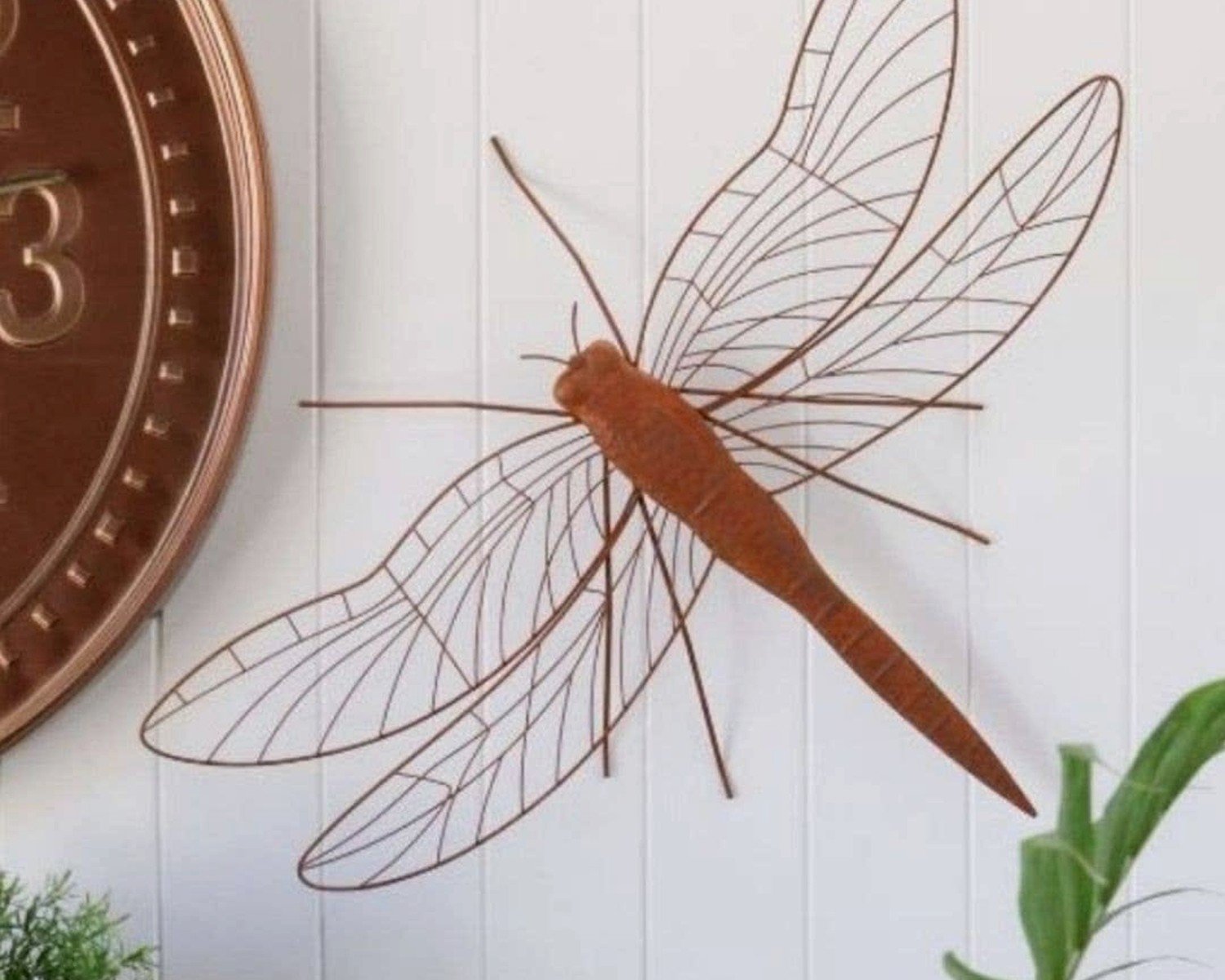
The metal ones are honestly where it’s at. I’ve got this copper dragonfly set in my own hallway and every time the sun hits it around 4pm it just glows. You want to look for ones that have:
- Multiple layers in the wings so they’re not just flat cutouts
- Some kind of powder coating or weather-resistant finish if you’re thinking outdoor
- Actual dimension – like the body should stick out from the wall at least half an inch
- Wire or mesh details in the wings, not just solid metal
The cheap ones from those big box stores? They’re usually too flat and the “antique” finish rubs off in like six months. I learned this the hard way with a set I bought for a client’s patio and had to replace them because they looked terrible by fall.
Installation tip that nobody tells you: these metal pieces are heavier than they look. Use actual wall anchors, not just nails. I’ve had two fall off walls (one literally fell while I was watching Netflix at 11pm and scared the hell out of my cat) because I got lazy with mounting.
Wood and Natural Materials
There’s this whole category of carved wood dragonflies and laser-cut wooden pieces that photograph really well but in real life they’re hit or miss. The laser-cut ones can look cool in a modern farmhouse situation – I used a set of three above a client’s bed with that whole neutral linen vibe and it worked.
But the hand-carved ones? Unless you’re spending serious money they often look kinda chunky and not in a good way. The proportions get weird because dragonfly bodies are so thin and delicate naturally.
What does work: those driftwood pieces where someone’s attached metal dragonflies to weathered wood. There’s this Etsy seller – god I can’t remember the name but they’re based in Oregon or Washington – who makes these and they’re gorgeous. The contrast between the rustic wood and delicate metal just works.
Canvas and Printed Art
Okay so funny story, I originally dismissed printed dragonfly art as too basic but then I found this photographer who does macro shots of actual dragonflies and prints them huge. Like 40×60 inches. The detail is insane – you can see every facet of their eyes and the vein structure in the wings.
For printed art you gotta go big or go home. Those little 8×10 prints of dragonflies look like something from a doctor’s office waiting room. But a massive canvas or even better, a metal print? That changes everything.
Metal prints specifically – where they infuse the image into aluminum – these are perfect for bathrooms or covered outdoor spaces. I put one in my bathroom above the tub and the humidity doesn’t affect it at all. Regular canvas would’ve warped by now.
What to Look For in Prints
- High resolution – zoom way in on the product photo to check for pixelation
- Actual photography over illustrations (unless the illustration is really unique)
- Gallery wrap if you’re doing canvas so you don’t need a frame
- Consider black and white – sounds weird but dramatic black and white dragonfly macros are stunning
Mixed Media and 3D Options
This is where things get interesting. There are artists making dragonflies out of glass, resin, ceramics, even recycled materials. I’ve seen ones made from old watch parts that are absolutely incredible.
The glass ones catch light like nothing else but they’re fragile and expensive. I had a client who wanted one for her garden wall (covered patio situation) and we found this artist who makes fused glass dragonflies. They mount on a metal stake that goes into the wall. Beautiful but it was like $400 for one medium-sized piece.
Resin dragonflies with embedded flowers or glitter or whatever – these can go either really elegant or really tacky really fast. The key is finding ones where the resin is crystal clear and whatever’s embedded actually enhances the piece instead of looking like craft store throwup.
Creating a Gallery Wall Situation
So if you’re gonna do multiple dragonflies – which honestly I recommend because a single dragonfly can look a bit lonely – here’s what actually works based on what I’ve done.
The asymmetric cluster: Get three dragonflies in different sizes, mount them so they look like they’re flying in the same direction but at different heights. This is the easiest to pull off and looks natural. I usually do one large (around 18 inches), one medium (12 inches), and one small (6-8 inches).
The straight line approach: Four or five identical dragonflies in a horizontal line, evenly spaced. Very modern and graphic. Works great above a console table or sofa. The trick is getting the spacing exactly even – I use a level and measure between each one. It’s tedious but worth it.
The organic scatter: This is harder to execute but looks amazing when done right. Different sizes and styles of dragonflies arranged like they’re actually flying around. You need an odd number (I usually do 5 or 7) and you gotta step back and adjust like fifty times. Take a photo with your phone from where you’ll actually see it most – that helps you judge if it’s working.
Color Schemes That Actually Work
Okay so everyone thinks dragonflies have to be blue and green but lemme tell you what I’ve learned. The traditional jewel tones – emerald, sapphire, amethyst – these are safe and pretty and work with most decor.
But I’ve had really good luck with:
- Oil-rubbed bronze or copper dragonflies against white or cream walls – super elegant
- Black metal dragonflies with gold accents – modern and unexpected
- Silver/chrome dragonflies in a very modern space – they read as sculptural rather than nature-themed
- Natural patina copper that’s got that aged green finish – perfect for boho or eclectic spaces
The worst is when people try to match dragonfly colors exactly to their throw pillows or whatever. It ends up looking too matchy and forced. Pick dragonflies in colors that complement your space but have their own thing going on.
Placement Tips Nobody Talks About
Where you put these matters so much. I’ve moved the same piece of dragonfly art three times in one room before finding the right spot.
Near windows: If your dragonflies have any metallic or iridescent finish, putting them where natural light hits them is key. But not in direct harsh sunlight all day because some finishes will fade.
Above water features: Obviously if you have an actual indoor fountain or aquarium, dragonflies above or near it make total sense thematically. But also consider them in bathrooms – the nature connection works there.
In garden rooms or sunrooms: This is the most obvious spot but it genuinely works so well. Mix them with actual plants and it’s chef’s kiss. I have a client with a sunroom full of ferns and orchids and we did a whole wall of different dragonfly art and it looks like a fancy botanical garden.
Outdoor covered spaces: Patios, porches, covered decks – dragonflies work great here IF you get weather-resistant ones. Check if they’re specifically rated for outdoor use. The sun and humidity will destroy regular indoor pieces.
Heights and Proportions
Hang dragonflies at eye level as a starting point but honestly they can go higher than traditional art because they’re supposed to be flying. I’ve put them up near the ceiling in rooms with high ceilings and it works.
Scale matters more than people think. A tiny 4-inch dragonfly on a big empty wall looks sad and lost. You need either one substantial piece (at least 24 inches) or a grouping that takes up decent visual space.
DIY and Customization Options
If you’re crafty or just want something unique, there are options. I’m not super crafty myself but I’ve worked with clients who are and here’s what’s doable.
Painting wooden dragonflies: You can buy unfinished wood dragonflies and paint them yourself. Use metallic acrylics or even nail polish for that iridescent effect on the wings. Seal with a clear coat.
Adding embellishments to basic metal ones: I’ve seen people glue crystals or beads onto plain metal dragonflies to fancy them up. E6000 glue is your friend here. Just don’t go overboard or it gets gaudy.
Creating shadow boxes: Buy a few small dragonfly sculptures and mount them in a shadow box frame with a nature-themed background. This is actually pretty easy and looks expensive.
Where to Actually Buy This Stuff
Okay so Etsy is obvious and there’s tons of options there. Search for “metal dragonfly wall art” and prepare to fall down a rabbit hole. I’ve found my best unique pieces there but shipping can be expensive because metal is heavy.
Wayfair and Overstock have decent selections at middle price points. The quality is usually fine for indoor use. Read the reviews though because some sellers use misleading photos that make pieces look bigger than they are.
HomeGoods and TJ Maxx sometimes have dragonfly stuff but it’s totally random. I’ve found amazing pieces there for cheap but you can’t count on them having anything specific.
For high-end stuff, check out actual garden decor stores and art galleries. There are sculptors who specialize in nature-themed metal work and their pieces are investments but they last forever.
Maintenance and Care
Nobody thinks about this until their beautiful dragonfly art is dusty and gross. Metal pieces need dusting regularly – I use a microfiber cloth or a soft brush for detailed areas. If they’re outdoor, you might need to wipe them down occasionally with a damp cloth.
For pieces with moving parts or hanging elements, check the attachments periodically. I had a dragonfly with dangling wire wings and one came loose after a few months. Easy fix with pliers but you gotta catch it before it falls off completely.
Canvas prints – dust with a dry cloth only. Don’t use any cleaners unless you want to ruin them. And keep them out of direct sunlight or they’ll fade over time.
Mixing Dragonflies with Other Decor
You don’t want your space to look like the dragonfly section of a garden center exploded. Mix them with other elements. I usually combine dragonfly art with:
- Botanical prints or actual plants
- Other nature-themed pieces but not too literal – abstract works too
- Mirrors to enhance light play
- Neutral solid-colored pieces to give the eye a rest
The garden pond theme you mentioned? Add some lily pad imagery, maybe some cattail silhouettes, water-themed colors like blues and greens. But don’t go too literal with it or it’ll look themed in a bad way.
wait I forgot to mention – if you’ve got kids or pets, consider placement carefully. Low-mounted metal dragonflies with pointy parts are basically asking for trouble. I learned this when a friend’s dog wagged her tail into a dragonfly sculpture and cut it. Mount them higher or in areas that aren’t high-traffic.
The whole point is creating something that feels natural and artistic, not like you bought everything from the same catalog page. Mix finishes, mix sizes, mix styles a bit. Your space should feel collected over time even if you’re buying everything at once.