Wall Art Guide, Wall Art Tutoriels
Glass Wall Art for Living Room: Transparent Sculpture Decor
Apr
So I’ve been completely obsessed with glass wall art lately and honestly it started because a client wanted to brighten up this really dark living room without adding more lamps, and I was like… what if we just bounce light around instead? That’s when I went down this whole transparent sculpture rabbit hole and now I can’t stop recommending it to literally everyone.
Why Glass Art Actually Works Better Than You’d Think
Okay so the thing about glass wall art is it doesn’t block light the way regular paintings or metal sculptures do. I had this “aha” moment when I installed this gorgeous fused glass piece above a sofa that sat in front of a window. During the day, light comes through and creates these subtle color shifts on the wall behind it, and at night when you have lamps on, it still doesn’t create that heavy visual weight that solid art does. My cat knocked over a plant while I was writing this, hold on.
The transparent quality means you’re adding visual interest without making the room feel cluttered or smaller, which is HUGE if you’re working with a typical living room that’s maybe 12×15 feet or something. I’ve tested this in my own space and in like six different client homes now.
Types That Actually Look Good
There’s basically three categories that work well in living rooms and I’m gonna be honest, some of the other stuff out there looks like it belongs in a corporate office lobby.
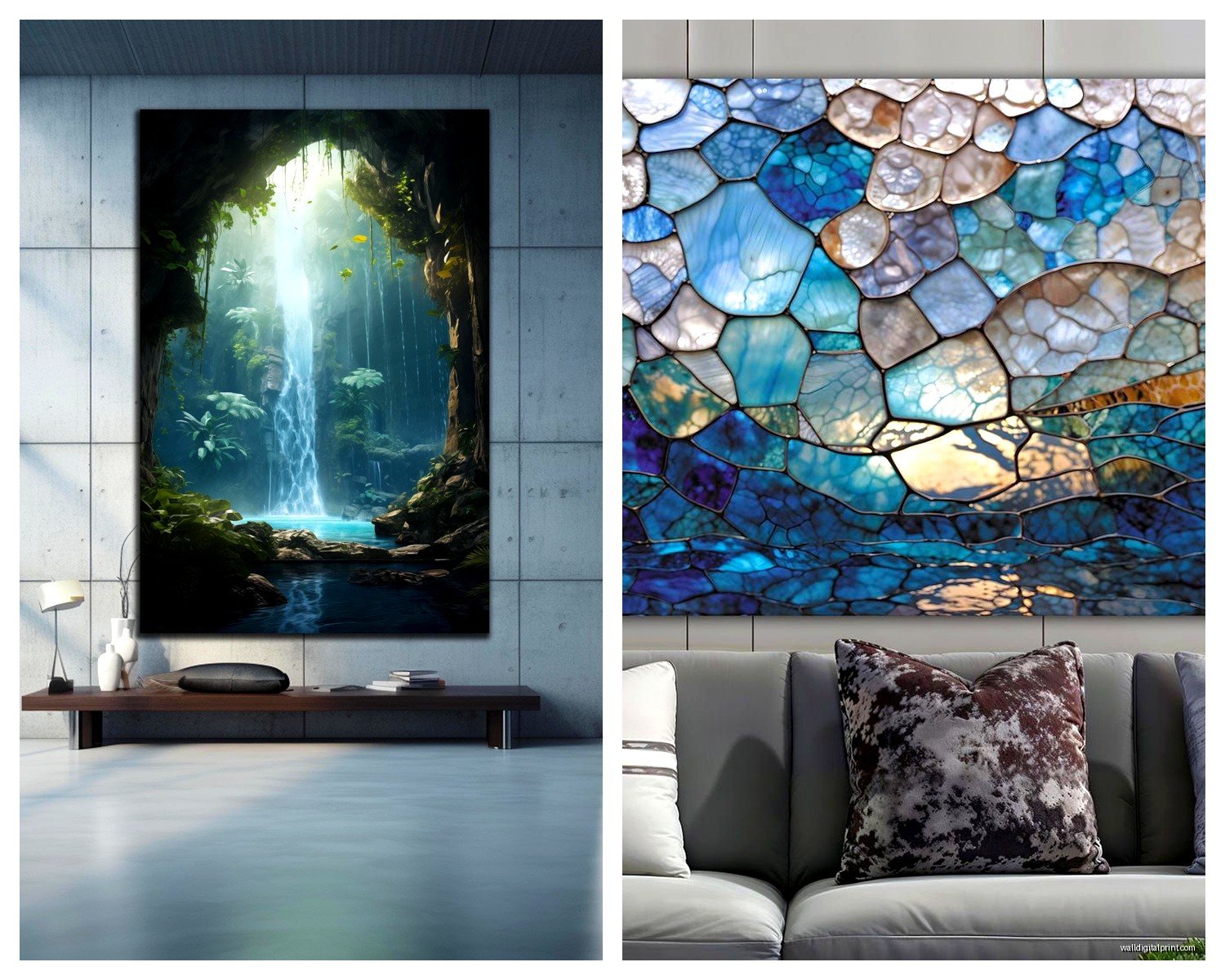
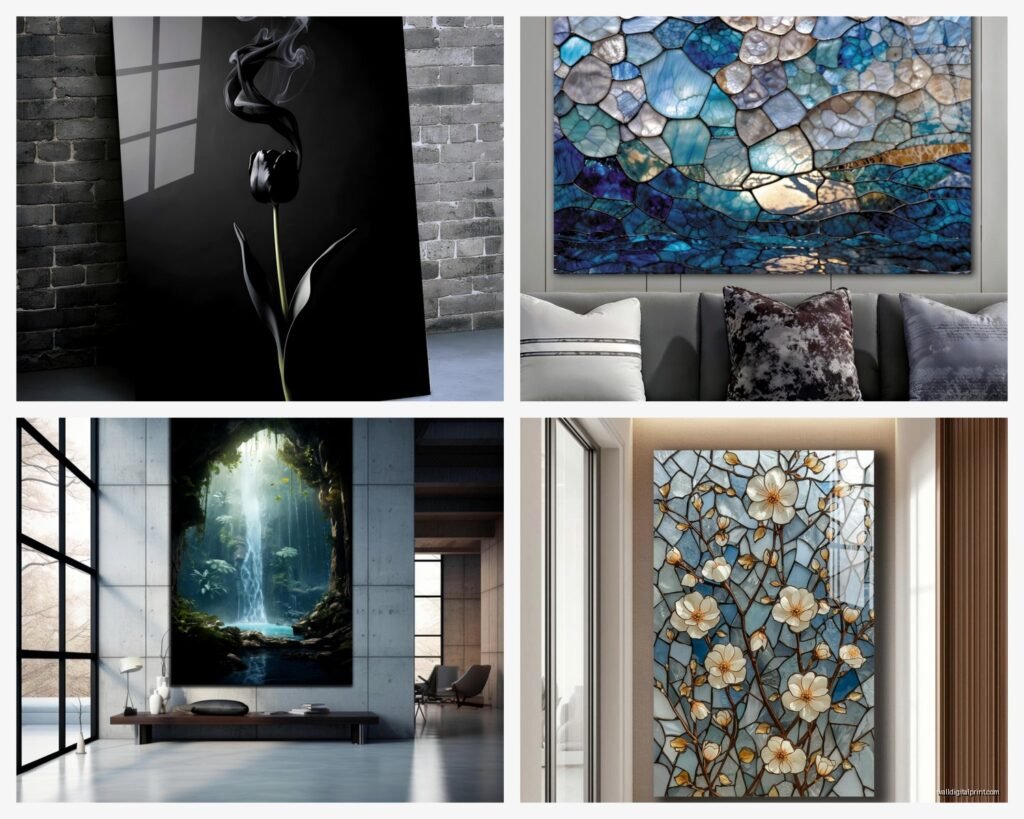
Fused glass panels are probably my favorite. These are where artists layer colored glass and fire it in a kiln so everything melts together. You get these gorgeous organic patterns, sometimes with bubbles trapped inside which sounds weird but looks incredible. I found this one artist on Etsy who makes them with teal and amber swirls and the way it catches afternoon light is just *chef’s kiss*. They usually come mounted on a backing board with standoffs that hold them about an inch off the wall.
Cast glass sculptures are chunkier and more three-dimensional. Think like solid glass forms that might be abstract shapes or nature-inspired things like waves or leaves. These are heavier and you absolutely need proper wall anchors. I learned this the hard way when… okay let’s not talk about that. But yeah, make sure your wall can handle 15-30 pounds depending on the size.
Dichroic glass is the fancy stuff that changes color depending on the angle you look at it. It’s got this thin metallic coating that makes it shift between colors – like purple to gold or blue to green. Super modern looking, works amazing in contemporary spaces. A little goes a long way though, you don’t want your living room looking like a disco.
Where to Actually Hang This Stuff
Position matters SO much more with glass than regular art and I didn’t fully get this until I moved a piece three times in the same room.
Above the sofa is classic but you gotta think about what’s behind you. If there’s a window on the opposite wall, you’re golden because backlight during the day will make it glow. Mount it about 6-8 inches above the sofa back. I usually go with pieces that are about two-thirds the width of the sofa, maybe 48-60 inches for a standard couch.
On the wall opposite windows is actually genius because it catches all that natural light. I did this in my own living room with a geometric glass piece and it basically acts like a passive light fixture during daylight hours. The light hits it and scatters these subtle patterns on the adjacent walls.
Floating shelves with backlighting – okay this is gonna sound extra but hear me out. If you install LED strip lights behind a floating shelf and put smaller glass sculptures on it, the light comes through the glass and creates this whole illuminated display situation. I saw this on an interior design show while eating leftover pizza at midnight and immediately tried it with a client. Looks expensive, costs like $40 in materials.
Don’t put glass art directly opposite a TV unless you want glare city. Also avoid placing it where people’s heads will bump it when they stand up from furniture, speaking from experience and a very apologetic dinner guest.
The Installation Part That Everyone Messes Up
Real talk, most glass art is heavier than it looks and the hanging hardware that comes with it is sometimes sketchy.
For anything over 10 pounds, I use wall anchors rated for at least double the weight. Drywall alone isn’t gonna cut it unless you hit a stud, and finding studs exactly where you want your art is like… never happens. I love the metal toggle bolts that flip open behind the drywall. They’re ugly but they WORK.
If your piece has a wire across the back, consider upgrading to a heavier gauge wire. The thin stuff they sometimes include makes me nervous. Picture hanging wire rated for 50+ pounds costs like five bucks at the hardware store and you’ll sleep better.
Measuring So It Doesn’t Look Weird
Eye level is typically 57-60 inches to the center of the artwork, which is the museum standard or whatever, but in living rooms I actually go a bit lower, especially above furniture. Nobody’s standing there analyzing it like in a gallery, you’re sitting on the couch looking at it.
I use painter’s tape to outline where the piece will go before drilling anything. Sounds basic but I’ve seen so many people (including past me) just eyeball it and end up with holes in the wrong spots. Take a photo of the taped outline from your usual sitting position and it’ll immediately tell you if the placement feels right.
Lighting Considerations That Make or Break It
This is where glass art gets tricky because the wrong lighting makes it look like plastic or just… disappears entirely.
Natural light is your best friend. If you have any control over window treatments, go with sheer curtains instead of blackout ones during the day. The diffused light through sheers is perfect for glass art – bright enough to activate the colors but not so harsh that it creates weird hotspots.
Track lighting or picture lights can work but you gotta angle them carefully. I usually aim for a 30-degree angle from above so the light grazes across the surface rather than hitting it head-on. Head-on lighting can create glare or make the glass look flat.
Wait I forgot to mention – LED bulbs with a color temperature around 3000K (warm white) look way better with glass art than the cool blue-ish LEDs. The warm tones make colored glass look richer. I tested this obsessively with the same piece under different bulbs and the difference is wild.
Avoiding the Glare Problem
Glass reflects, obviously, and if you’re not careful your beautiful art piece just becomes a mirror showing your ceiling fan.
Tilt the piece slightly if it’s on a hanging system that allows it. Just a few degrees forward can eliminate most glare. Some hanging systems have adjustable brackets specifically for this.
Matte finish glass or frosted elements help diffuse reflections. If you’re commissioning custom work or have options, ask about this. Totally clear polished glass looks amazing but it’s definitely trickier with reflections.
Consider the room’s overall lighting plan. Multiple softer light sources work better than one bright overhead light. I’m a huge fan of table lamps and floor lamps in living rooms anyway because overhead lighting is kinda harsh for relaxing.
Mixing Glass Art with Other Decor
So you don’t want glass art floating in isolation looking all lonely and weird. It needs to feel like part of the room’s whole vibe.
I usually echo the colors from the glass art in textiles somewhere – throw pillows, a rug, curtains. If you’ve got a blue and green glass piece, maybe add some teal velvet pillows on the sofa. Doesn’t need to be matchy-matchy, just a visual connection so it feels intentional.
Texture contrast is huge. Glass is smooth and reflective, so pair it with rough textures like a chunky knit throw, nubby linen upholstery, or a jute rug. This makes the glass art stand out more and prevents everything from feeling too sleek and cold.
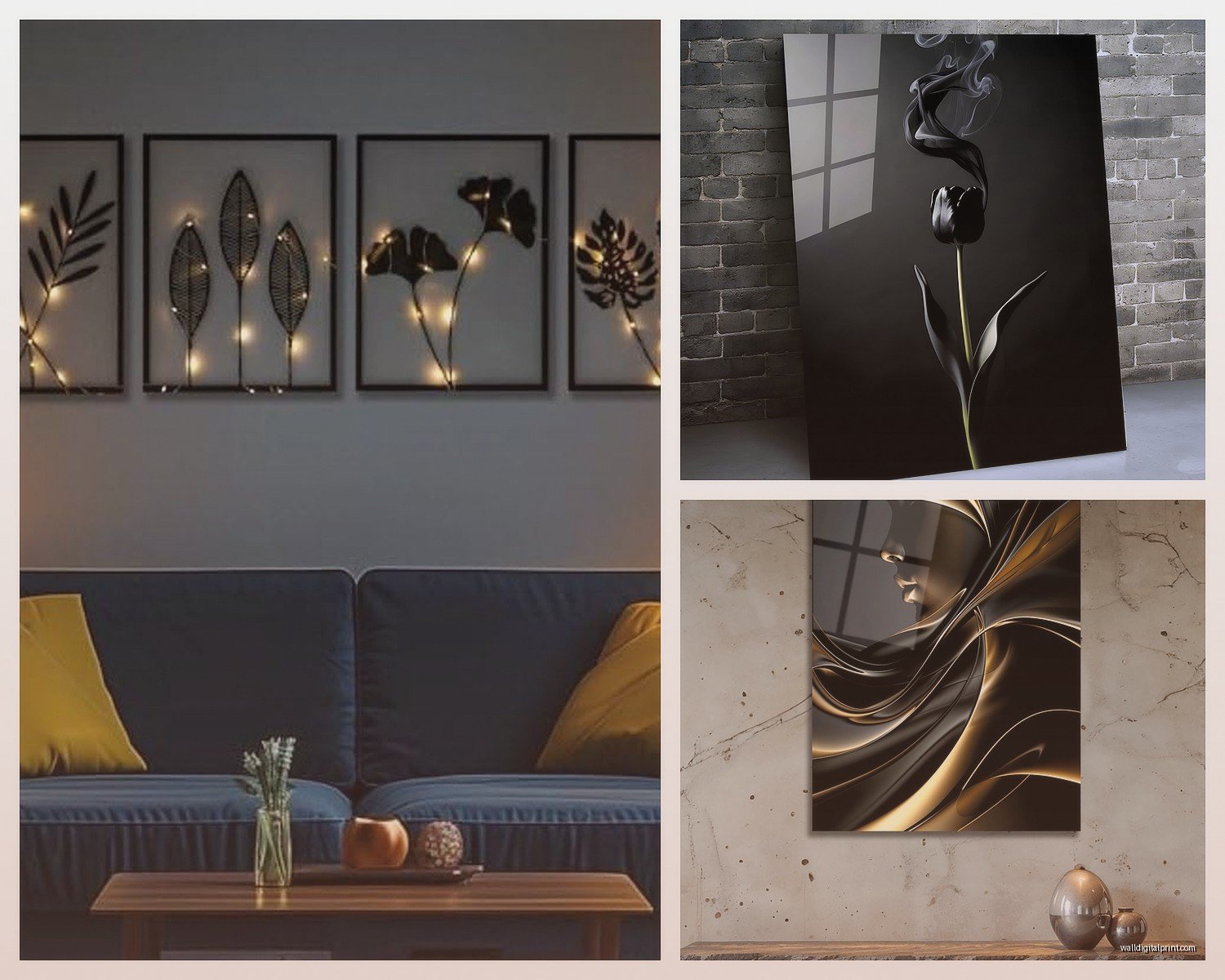
Metal accents work surprisingly well with glass. Bronze or brass frames on other wall art, metal table legs, copper planters – these add warmth and complement the reflective quality of glass without competing with it.
Budget Reality Check
Okay so glass art ranges from like $50 to thousands of dollars and honestly some of the mid-range stuff is just as beautiful as the expensive pieces.
Under $200: You’re looking at smaller pieces, maybe 12×12 inches or small sculptural forms. Etsy and local art fairs are your friend here. I’ve found gorgeous handmade fused glass pieces in this range. They’re perfect for creating a gallery wall situation or flanking a larger piece of regular art.
$200-$500: This is the sweet spot for statement pieces. You can get a nice 24×36 inch panel or a substantial sculpture. Quality is usually really good here – proper mounting systems, artist signatures, the whole deal.
Over $500: You’re getting into serious art territory. Large scale pieces, really intricate techniques, established artists. Worth it if you’ve got the budget and the wall space, but not necessary for a beautiful result.
I’ve honestly had clients be just as happy with a $150 piece as a $600 one, it’s more about finding something that speaks to your specific style and space. Oh and another thing – check if local glass blowing studios sell wall art. Sometimes they have student work or seconds (pieces with minor imperfections) at significant discounts.
Cleaning and Maintenance Nobody Warns You About
Glass art gets dusty and fingerprint-y and nobody talks about this enough.
Use a microfiber cloth, nothing rough. I keep one of those Swiffer dusters with the extendable handle specifically for this because climbing on furniture to clean art is how accidents happen.
For actual cleaning, just water or glass cleaner on a cloth – never spray directly on the piece because liquid can seep behind mounting hardware and cause problems. Wipe in one direction rather than circles to avoid streaks.
If your piece has texture or raised elements, a soft paintbrush works great for getting dust out of crevices. I use a cheap watercolor brush from the craft store.
Common Mistakes I See All the Time
Choosing glass art that’s too small for the wall. People get nervous about going big, but a tiny piece on a large wall just looks lost. Better to go bigger than you think you need.
Hanging it too high. I mentioned this before but seriously, people default to hanging things way too high and then wonder why the room feels off.
Ignoring the room’s color palette. Glass art with colors that clash with everything else in the room will never look right no matter how beautiful the piece itself is. You don’t need exact matches, just harmony.
Not considering viewing angles. That piece might look amazing straight-on but if your main seating area is off to the side, you might just see edge and reflection. Walk around the room and look at the proposed location from different spots.
Mixing too many styles of glass art. Like one dichroic piece, one fused glass panel, and one traditional stained glass in the same room is usually too much. Pick a lane.
Anyway that’s basically everything I’ve learned from actually installing this stuff in real homes rather than just theorizing about it. The transparency thing really does make a difference in how a space feels, and once you start noticing good glass art you’ll see opportunities for it everywhere.