Wall Art Guide, Wall Art Tutoriels
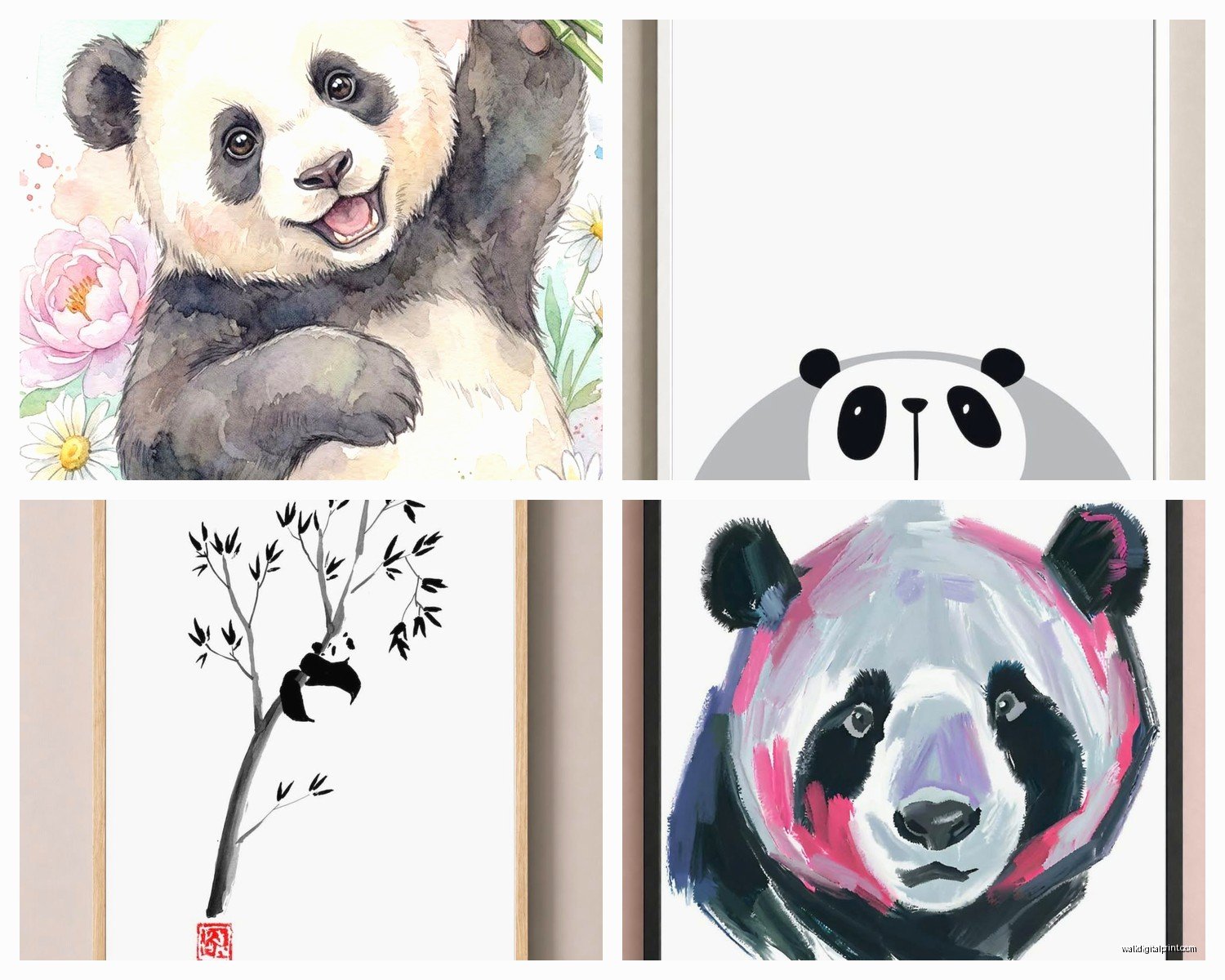
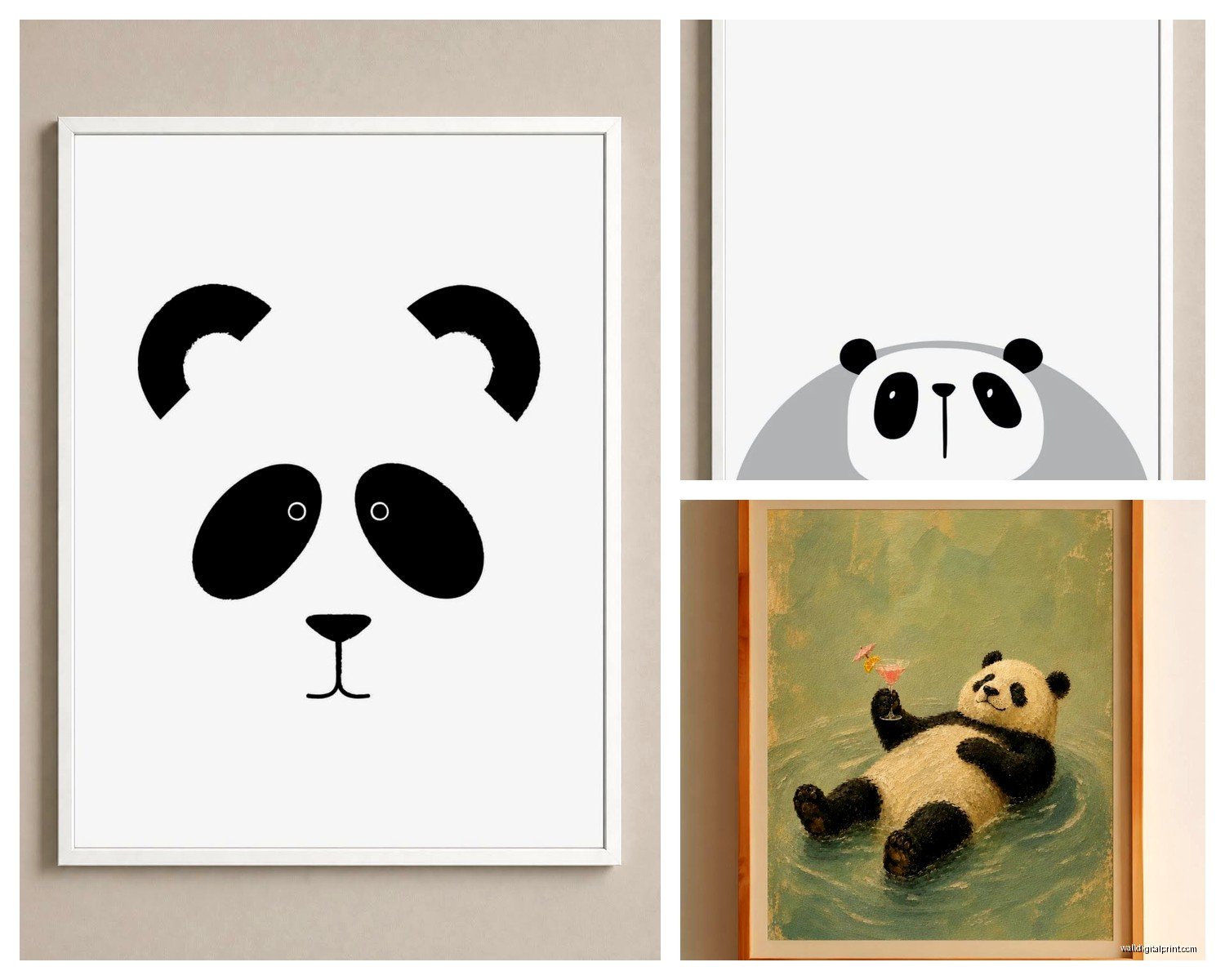
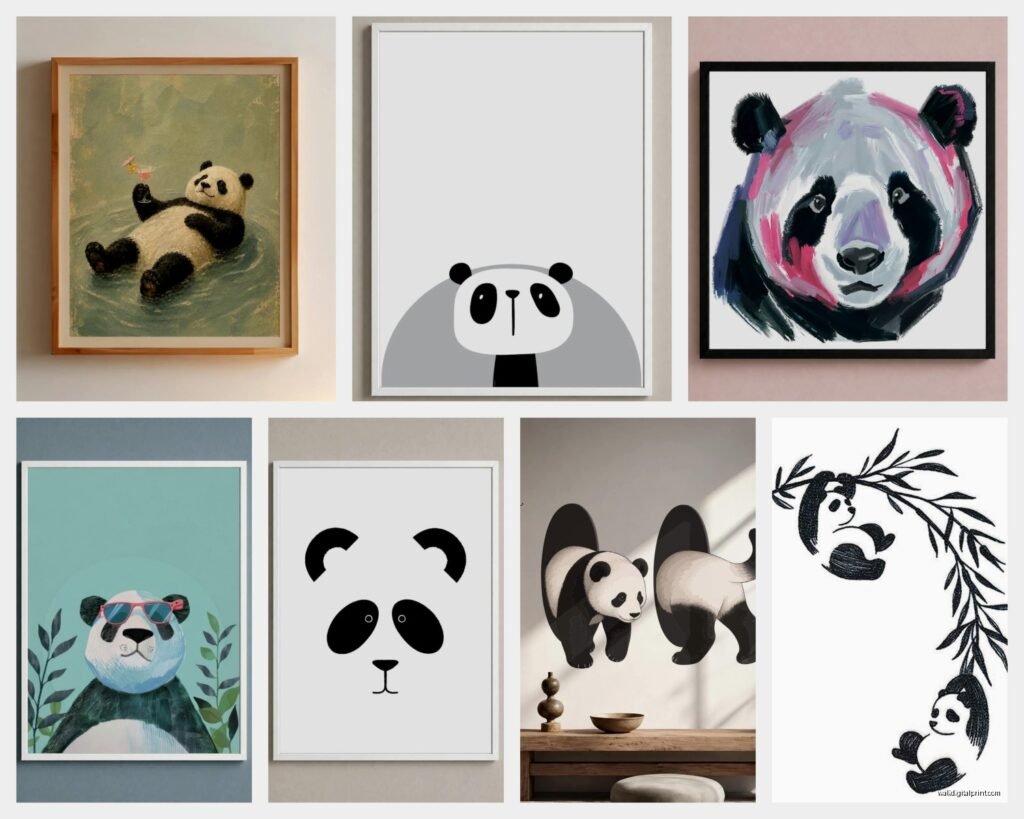
Panda Wall Art: Asian Bear Bamboo Animal Decor
Jul
So I’ve been working with panda wall art for like three years now and honestly it’s one of those themes that sounds super specific but actually works in way more spaces than you’d think. Let me just dump everything I know because I literally just finished a consultation about this yesterday.
Why Panda Art Actually Works (When It Shouldn’t)
Okay so here’s the thing about panda decor – it walks this weird line between cute and sophisticated that most animal art just can’t pull off. Like you can’t really hang elephant art in a modern minimalist space without it feeling safari-themed, but pandas? They’ve got this natural black and white thing going that reads as elegant first, animal second.
I’ve used panda pieces in law offices. Actual law offices. And it worked because the monochromatic palette feels intentional and grown-up, not like you’re decorating a nursery.
The Different Styles You’re Gonna See
Traditional Asian Ink Style
This is the one that everyone thinks of first. The brushstroke paintings with bamboo and mist and all that. These work really well if you’re going for that zen minimalist vibe or if you already have some Asian-inspired pieces in your space.
What I tell people though – and this is gonna sound weird but – don’t match them with other “Asian” decor just because. I saw someone pair a beautiful ink-style panda with those cheap paper lanterns from a party store and it looked like a college dorm. Instead pair it with clean modern furniture, maybe some natural wood, actual quality pieces.
The best traditional style pieces have visible brushstrokes and aren’t trying to be photorealistic. You want that gestural quality where you can see the artist’s hand.
Geometric/Modern Panda Art
This is my personal favorite for most spaces honestly. Think angular shapes, limited color palette (usually just black white and maybe one accent color), very graphic. These read as modern art first and happen to be pandas.
I used a geometric panda print in a tech startup office last year and the CEO didn’t even realize it was an animal at first glance – he thought it was abstract art. That’s the sweet spot.
Watercolor Pandas
These can go either way. Done well they’re soft and sophisticated. Done badly they look like they belong in a gift shop. The trick is looking for pieces where the watercolor technique is the star, not just colored-in panda outlines.
Look for bleeding colors, white space, loose interpretation. Skip anything that looks too controlled or has harsh outlines.
Photography Prints
Real panda photography can be stunning but it’s the hardest to make work in home decor because it’s very literal. You need a really exceptional photo – interesting composition, dramatic lighting, something beyond just “here’s a panda eating bamboo.”
Black and white photography of pandas actually works better than color most of the time. Removes the documentary feel.
Sizing This Stuff Out
Okay so this is where people mess up constantly. They buy art they love and then it’s completely wrong for their wall.
For a focal wall (like above a sofa or bed), you want your panda art to take up about two-thirds to three-quarters of the furniture width below it. So if your couch is 84 inches, you’re looking at 56-63 inches of art width. That can be one large piece or a gallery arrangement.
I usually do single large pieces for pandas though because the subject matter is already pretty specific – you don’t want it to feel too themey. One statement panda piece reads as intentional. Five panda pieces reads as “I really really like pandas.”
Wait I forgot to mention – height matters too. The center of your art should be at eye level, which is roughly 57-60 inches from the floor. Not the top of the frame, the CENTER. Everyone hangs stuff too high.
Gallery Wall Exception
If you ARE doing multiple panda pieces (which can work), mix in some bamboo art, abstract pieces, or other complementary subjects. I did a gallery wall once with two panda pieces, three bamboo photographs, and one abstract black and white piece. Felt curated, not obsessive.
Color Schemes That Actually Work
The obvious move is black and white decor since pandas are naturally monochromatic. But that’s almost too matchy-matchy for me.
Here’s what I’ve done successfully:
Warm Minimalist: Panda art + cream walls + warm wood tones + terracotta accents. The black and white of the panda becomes a grounding element against all the warmth.
Sage and Natural: Soft sage green walls, natural fiber textures, and panda art feels really organic and peaceful. The green plays off the bamboo element without being literal about it.
Navy and Brass: This sounds random but navy walls with a large black and white panda print and brass frames/fixtures is SO good. Very sophisticated, totally unexpected.
Blush and Black: Controversial maybe but I’ve done panda art in spaces with blush pink accents and it works. The key is keeping it subtle – not hot pink, more like dusty rose.
My cat just knocked over my coffee but anyway –
Frame Choices Because This Actually Matters
Traditional Asian-style panda art: Go with simple black frames or natural wood. Nothing ornate. You can do a floating frame if the piece has nice paper texture.
Modern/geometric pandas: Black metal frames with a thin profile, or frameless mounting for a really clean look. White frames can work too if your walls aren’t white.
Watercolor pandas: Light wood frames or white frames. Something that doesn’t compete with the softness of the medium.
Canvas prints: Here’s my thing about canvas – it’s fine for modern pieces but feels wrong for traditional ink-style art. That stuff should look like it’s on paper.
Mat or No Mat
If you’re framing a print, I usually do a white or cream mat for traditional pieces. Creates breathing room and feels more gallery-like. For modern geometric stuff, I skip the mat and go edge-to-edge framing.
Where to Actually Buy This Stuff
Etsy: Best selection honestly. You can find independent artists doing really unique panda art. Filter by your size needs and read reviews. I’ve ordered probably twenty pieces from Etsy for clients and only had one issue.
Society6 and Redbubble: Good for modern/graphic panda art. Lots of emerging artists. The quality is consistent and they have multiple size options.
Local Asian art galleries: If you want authentic traditional pieces, this is where to look. You’ll pay more but you’re getting actual art, not prints.
West Elm, CB2, etc: They rotate stock but sometimes have really nice panda pieces. I got a great geometric panda print from West Elm two years ago that I still recommend.
Amazon: Honestly skip it unless you’re looking for something super specific and cheap. Quality is all over the place.
The Bamboo Question
Should you add actual bamboo plants to a room with panda art? My take: only if you were gonna put plants there anyway. Don’t force it just because pandas eat bamboo – that’s too literal and honestly a bit cheesy.
BUT if you do want to incorporate bamboo, do it through other decor elements. Bamboo blinds, a bamboo tray, bamboo frame. That reads as cohesive design, not theme park.
Room-Specific Tips That Actually Matter
Living Room: Go big. This is where you can do a statement piece. Above the sofa is obvious but I’ve also done floor-leaning oversized panda art which looks really cool and unexpected.
Bedroom: Keep it calming. Soft watercolor pandas or simple ink drawings. Nothing too graphic or bold – you want peaceful vibes. I usually go medium-sized, not huge.
Home Office: Geometric or modern panda art works great here. Adds personality without being distracting. One piece, well-placed.
Nursery: Okay so if you’re doing a nursery, lean into the cute but keep it sophisticated. No cartoon pandas. Look for gentle illustrations or soft watercolors. And please don’t do an all-panda theme – mix in other elements.
Dining Room: This is actually a great spot for traditional Asian-style panda art. Especially if you have a sideboard or buffet to hang it above.
Common Mistakes I See Literally All The Time
Buying art that’s too small. I cannot stress this enough. When in doubt, go bigger.
Matching the art too literally to your decor. You have black and white furniture so you get black and white panda art in a black frame on white walls – it’s TOO much. Break it up.
Forgetting about lighting. Art needs light. If your panda piece is in a dark corner, get a picture light or adjust your room lighting.
Going too themey with it. One or two panda pieces max in a room unless you’re intentionally creating a gallery wall.
Buying low-resolution prints that look pixelated when printed large. Always check the DPI if you’re ordering prints online.
My Actual Favorite Combinations
Large geometric panda print + brass frame + sage green wall = *chef’s kiss*
Traditional ink-style panda scroll + natural wood console + ceramic vases = instant zen
Black and white panda photography + navy walls + velvet furniture = moody and sophisticated
Triptych of pandas in different poses + white frames + minimalist space = modern gallery feel
oh and another thing – if you’re renting and can’t paint, a large panda art piece can actually act as your room’s color anchor. Build your whole palette around it.
DIY Framing vs Professional
For pieces under $100, DIY framing with a good ready-made frame from Michaels or online is fine. For anything more expensive or meaningful, get it professionally framed. The difference is noticeable and you don’t wanna cheap out on framing a $300 print.
The Feng Shui Thing
Some people ask about feng shui with panda art. I’m not an expert but from what I understand, pandas represent peace and gentle strength. They’re considered good for spaces where you want calm energy. Just don’t put them facing the bathroom door or whatever – basic feng shui rules apply.
Mixing with Other Animal Art
Can you have panda art AND other animal art in the same space? Yeah but be careful. I’d keep it to one animal type per room, or if you’re mixing, make sure there’s a visual connection – like all black and white animals, or all done in the same art style.
I watched someone try to mix a panda print with a lion print and a whale print and it just looked confused. No cohesion.
Print Quality Stuff You Gotta Know
If you’re ordering prints online, look for:
– Giclée printing (highest quality)
– Archival paper or canvas
– UV-resistant inks
– At least 300 DPI resolution
Don’t be afraid to ask sellers about their printing process. Good sellers will happily explain their quality standards.
Seasonal Switching
This might sound extra but I have clients who rotate their art seasonally. Panda art actually works year-round but if you wanna switch it up, winter is prime panda season aesthetically. The black and white feels very winter, and if your piece has snow or mist, even better.
Store art properly if you’re rotating – keep it flat, in a dry place, away from direct sunlight.
Okay I think that’s everything I can think of right now. The main thing is don’t overthink it – if you see a panda piece you love and it fits your space size-wise, just go for it. Art should make you happy first and impress other people second.