Wall Art Guide, Wall Art Tutoriels
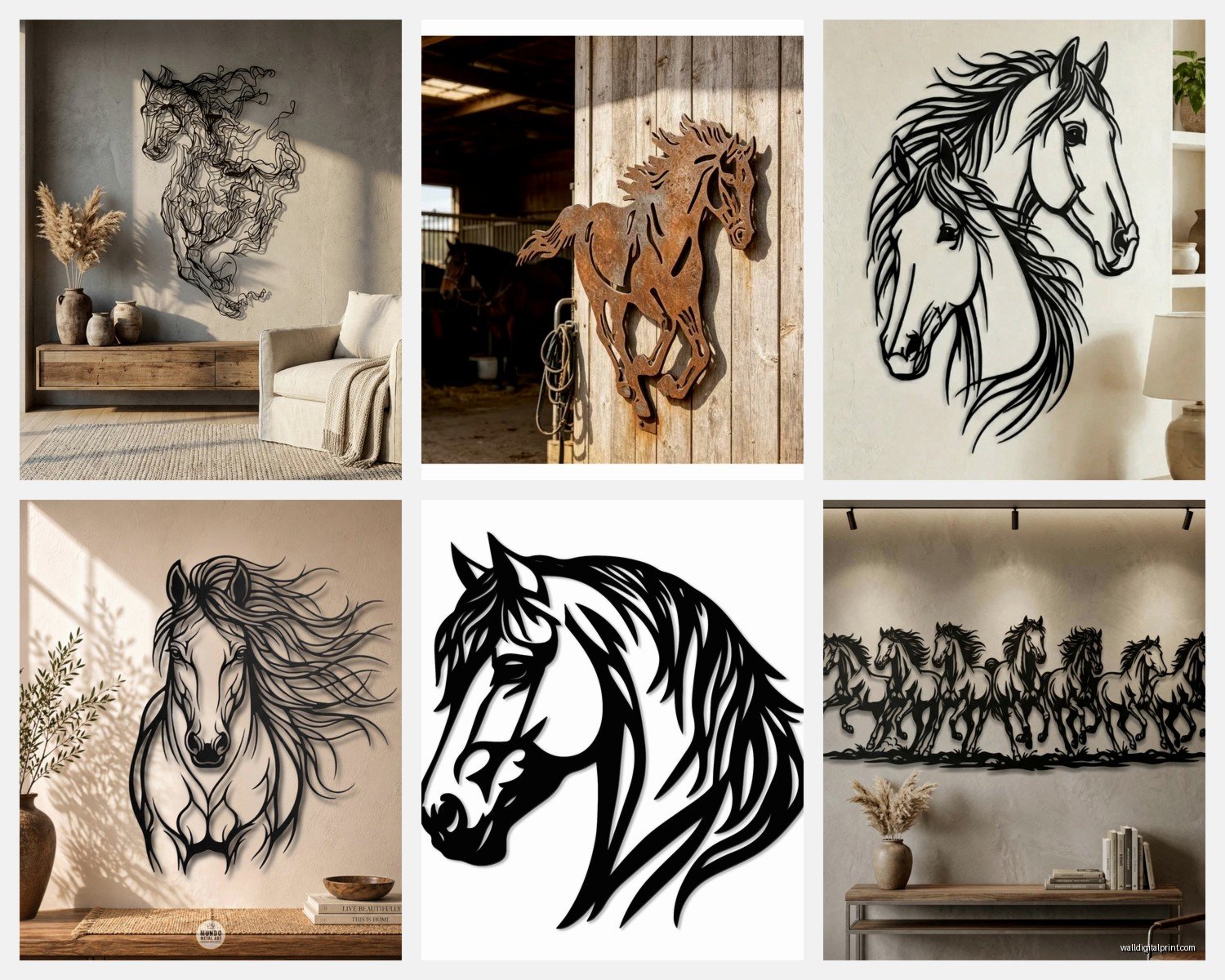
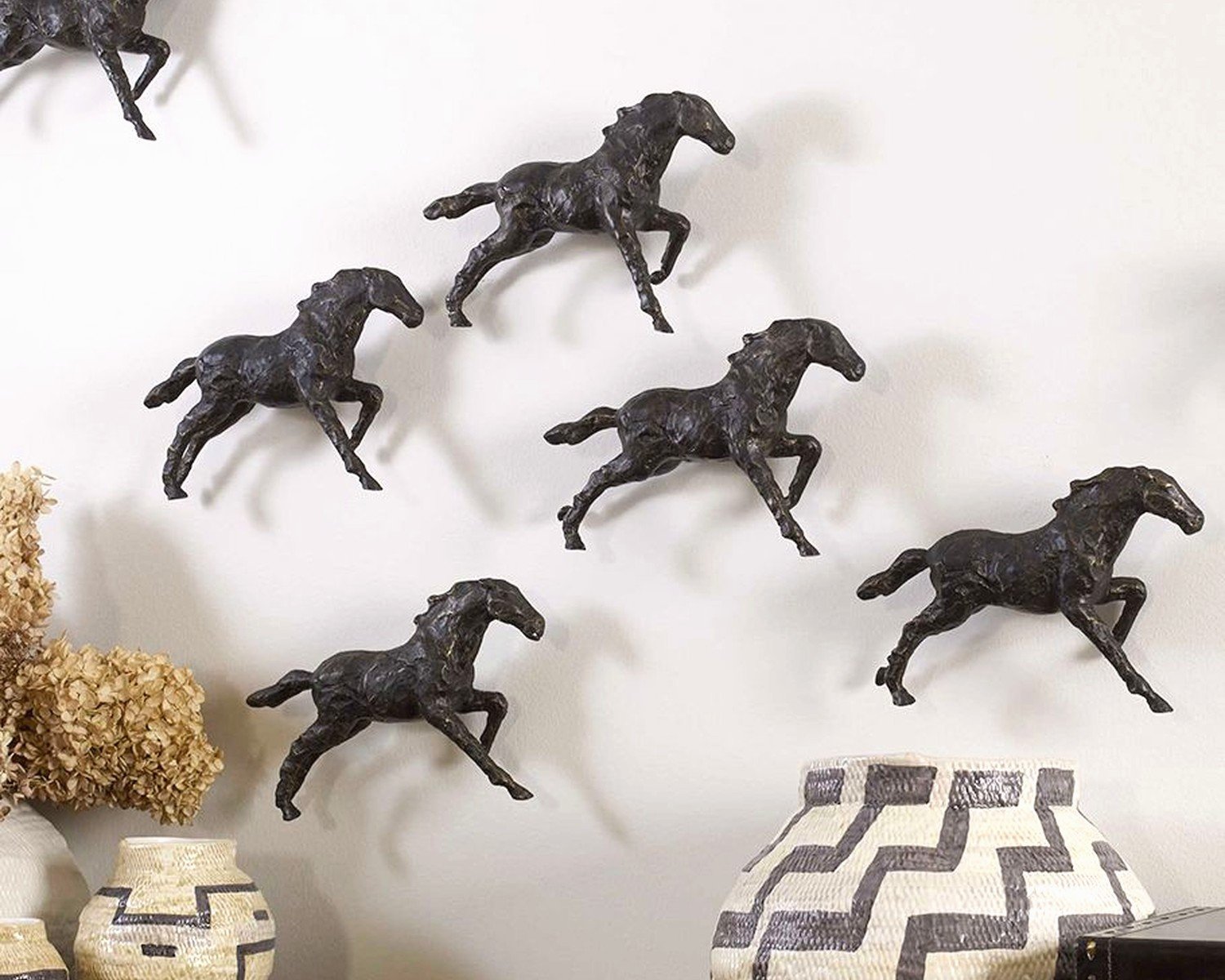
Metal Horse Wall Art: Sculptural Equestrian Stallion
Aug
So I’ve been working with metal horse wall art for like three years now and honestly it’s one of those pieces that can either look absolutely stunning or completely ridiculous depending on how you handle it. Let me just dump everything I know because I literally just finished installing one in a client’s living room yesterday and I’m still thinking about what worked and what didn’t.
Picking the Right Size Without Making Your Wall Look Weird
Okay so first thing – size is gonna make or break this whole thing. I see people ordering these massive stallion sculptures thinking bigger is better and then it shows up and suddenly their wall looks like a horse is about to gallop through their living room. Not in a good way.
Here’s what actually works: measure your wall space obviously but then subtract like 20% from what you think will fit. I know that sounds counterintuitive but metal sculptures have this visual weight that’s different from paintings or prints. The negative space around the horse is part of the design, you need breathing room.
For reference I usually recommend:
- Small spaces (like above a console table): 24-30 inches wide maximum
- Medium walls (bedroom feature wall, office): 36-48 inches
- Large statement walls: 60 inches but honestly rarely go bigger unless you have cathedral ceilings
My client yesterday had a 10-foot wall and wanted the biggest piece possible. We went with a 48-inch stallion and it’s perfect – she was skeptical at first but now she gets it. The empty space lets your eye actually appreciate the sculpture instead of feeling overwhelmed.
Material Matters More Than You Think
Not all metal is created equal and this is where I see people waste money. You’ve got powder-coated steel, raw steel, brushed aluminum, copper accents, all these options.
Powder-coated steel is your workhorse (pun intended I guess). It’s durable, won’t rust, comes in tons of finishes. I’ve installed these in humid bathrooms and covered patios and they hold up. The matte black finish is classic but the bronze and oil-rubbed finishes add more depth if you’re going for that rustic vibe.
Raw steel or rusted finishes – okay so these look incredible but you gotta know what you’re getting into. They will continue to develop patina which some people love. I have one in my own entryway and it’s changed color over two years. But if you’re a perfectionist who wants things to stay exactly as they were on day one? Skip this. Also they can leave marks on walls if moisture gets involved so seal your wall first.
Aluminum pieces are lighter which matters for installation but they can look cheaper depending on the craftsmanship. Really scrutinize the photos because thin aluminum can look flimsy in person.
The Finish Changes Everything
I’m gonna sound weird but run your hand across the finish description before buying. No literally – I mean read the texture description carefully. Smooth polished finishes reflect light differently than hammered or textured metal. In a room with lots of windows, that glossy stallion is gonna create glare spots throughout the day. Learned that the hard way in a sunroom installation where the client called me like “Sophia there’s a blinding light reflecting off the horse at 3pm every day.”
Textured or matte finishes are more forgiving with light and they tend to look more expensive honestly.
Installation Is Where Everyone Freaks Out
Okay so funny story – my first metal horse installation I assumed it would have normal hanging hardware. It arrived with these weird Z-bar brackets and I spent 45 minutes on YouTube figuring it out while my cat knocked over my level twice.
Most sculptural pieces come with either:
- Keyhole hangers on the back
- Wire hanging systems
- Z-bar or cleat mounting
- Individual mounting points for multi-piece designs
Here’s what you actually need to know – if your piece weighs more than 10 pounds (and most metal stallions do), you’re finding studs or using heavy-duty drywall anchors. Period. I don’t care what the product description says about “easy hanging.” That thing needs to be SECURE.
My go-to method: find at least one stud if possible, use a good quality laser level to mark my line, and use toggle bolts rated for way more weight than the actual piece. I usually go for anchors rated at 50+ pounds even if the sculpture only weighs 15. Better safe than having a metal horse crash down at 2am.
The Template Trick
Wait I forgot to mention – make a paper template first. Seriously. Tape together some kraft paper or newspaper to the exact dimensions of the sculpture and stick it on the wall with painter’s tape. Live with it for a day or two. Move it around. This has saved me so many times from permanent holes in the wrong spots.
You can see how it interacts with your furniture layout, whether it’s too high or low, if it competes with other wall elements. I had a client who was dead set on centering a horse sculpture above their sofa until we did the template and realized it blocked this gorgeous window view when you sat down.
Styling Around the Sculpture
This is where it gets fun but also where people overthink it. A metal horse stallion is already a statement piece so you don’t need to do much else. But totally bare walls around it can make it look like you just gave up on decorating.
What actually works in real homes:
- Flank it with simple wall sconces or picture lights – adds drama at night
- Layer a subtle texture behind it like board and batten or a contrasting paint color
- Keep furniture underneath low and minimal – a slim console or bench
- Add organic elements nearby like a potted plant or wooden bowl to soften all that metal
What doesn’t work: gallery walls around it, competing metal art pieces on the same wall, busy patterned wallpaper. I know Pinterest makes it look cool but in person it’s visual chaos.
My living room has a metal stallion above a simple walnut credenza with just a ceramic vase and some books. That’s it. The sculpture does all the talking.
Color and Finish Coordination
Okay so this is gonna sound obvious but I still see people mess it up – your metal finish needs to relate to other metals in the room. Not match exactly (that’s actually worse) but relate.
If you have brushed nickel door handles and light fixtures, a warm bronze horse can work but a cool silver one works better. Oil-rubbed bronze horses look amazing with brass and gold accents. Matte black is the most versatile but can feel heavy in rooms that already have dark furniture.
I usually tell clients to pull at least one metal finish from the sculpture into another element – maybe the lamp base, curtain rod, or mirror frame. Creates visual flow without being matchy-matchy.
Wall Color Considerations
Light walls make dark metal sculptures pop obviously. But medium-toned walls (grays, taupes, sage greens) actually show off the dimensional details better because you get shadow and depth. White walls can wash out the sculptural elements in bright light.
One of my favorite installations was a bronze stallion on a deep charcoal wall – sounds dark but with good lighting it was incredibly sophisticated. The wall receded and the horse looked three-dimensional and alive.
Lighting Makes or Breaks This
You can have the most beautiful metal horse sculpture and if your lighting sucks it’ll just look like a flat shadow on the wall. I always install some kind of directional lighting.
Picture lights mounted above are classic and work great. I use LED ones now because they don’t heat up the metal. Adjustable track lighting or ceiling spots angled to graze the surface bring out all the texture and dimension.
Natural light is tricky – too much direct sun can create harsh shadows and glare. Filtered light through sheers is ideal. I have blackout curtains in my bedroom specifically because the afternoon sun was creating this weird silhouette effect on my metal art that I hated.
Oh and another thing – consider how the piece looks at night. If you’re only seeing it with overhead ambient lighting it might look completely different than during the day. Test your lighting at different times.
Where These Actually Work in Your Home
Living rooms are obvious but honestly some of my best placements have been unexpected. Home offices look incredibly sharp with a sleek metal stallion – adds personality without being distracting. I did one in a lawyer’s office and it perfectly balanced professional with interesting.
Bedrooms can work if you keep the scale appropriate. Above the bed is fine but make sure it’s really secure because nobody wants to worry about that. I prefer them on a perpendicular wall where you see them when entering the room.
Entryways and foyers are perfect for making an immediate impression. Just make sure you have the ceiling height – metal sculptures can feel cramped in low-ceilinged spaces.
I wouldn’t do them in kitchens (grease and metal finishes don’t mix well) or kids’ rooms (sharp edges usually).
Quality Markers to Look For
When you’re shopping online which let’s be honest is where most of these purchases happen, here’s what separates good from garbage:
Check the gauge of the metal – thicker is almost always better. Descriptions should mention 14-gauge or 16-gauge steel. Anything thinner might warp or dent easily.
Look for hand-finished details versus mass-produced stamped pieces. You can usually tell from close-up photos – hand-finished pieces have slight variations and texture while stamped ones look perfectly uniform and kinda flat.
Welded construction beats glued or riveted. Seams should be clean and integrated into the design not obvious and sloppy.
Read the reviews but specifically look for mentions of packaging and arrival condition. Metal art that arrives bent or damaged is a nightmare to deal with. Good sellers use serious packaging with corner protection and reinforced boxes.
Budget Reality Check
You can find metal horse wall art from like $50 to $2000+ depending on size and craftsmanship. The sweet spot I’ve found for quality pieces that’ll actually last is $150-400 for medium sizes.
Super cheap pieces under $75 are usually thin metal that looks good in photos but disappointing in person. The mounting hardware is often cheap too which is a safety issue.
The really expensive stuff over $800 is often handmade by individual artists and yeah the quality is there but you’re also paying for art versus decor at that point. Worth it if you’re a collector but not necessary for most homes.
I usually recommend mid-range pieces from established home decor retailers. They’ve figured out the quality-to-price ratio and their customer service is better if something goes wrong.
Maintenance and Long-Term Care
Metal art is pretty low maintenance which is part of why I love it. Dust it occasionally with a microfiber cloth. For textured finishes I use a soft brush attachment on my vacuum on low setting – sounds weird but it gets into all the crevices.
Don’t use harsh chemicals or abrasive cleaners. If it needs actual cleaning, slightly damp cloth with mild soap then dry immediately. Water spots can happen on polished finishes if you let them air dry.
If you have a raw steel or intentionally rusted piece, you might want to seal it after installation to control the patina development. I use a clear matte sealer spray in thin coats.
Check the mounting hardware every six months or so especially if you live somewhere with temperature fluctuations. Walls expand and contract and screws can loosen over time.
Honestly though these things are pretty bulletproof once installed properly. I have clients with pieces that have been up for five years with zero issues.
The main thing is just being intentional about placement and installation from the start. Measure twice, mount once, and don’t be afraid to use more anchors than you think you need. A metal stallion sculpture can absolutely transform a boring wall into something people actually notice and comment on – I’ve seen it happen dozens of times – you just gotta approach it with a bit of planning instead of winging it.