Wall Art Guide, Wall Art Tutoriels
Metal Wall Art Print on Demand: Custom Aluminum Printing
Sep
So I’ve been diving deep into this whole metal wall art print on demand thing lately and honestly, it’s way more interesting than I thought it’d be when I first started looking into it for my blog. Like, aluminum prints are having this moment right now and I get why.
Why Aluminum Prints Actually Make Sense
Okay so here’s the deal – aluminum prints are basically your image printed directly onto sheets of aluminum. The process is called dye sublimation, which sounds fancy but really it just means the ink becomes part of the metal surface instead of sitting on top like regular prints. They’re insanely durable, the colors pop in this really specific way that’s hard to describe until you see one in person, and they’ve got this modern gallery vibe that clients are obsessed with right now.
I tested this out in my own apartment first because I’m not gonna recommend something I haven’t actually hung on a wall myself, you know? Put one in my bathroom to see how it’d handle humidity and after like eight months it still looks perfect. My cat knocked one off a shelf once (of course she did) and it literally just bounced. Didn’t even dent.
Finding the Right Print on Demand Service
This is where it gets tricky because there’s like a million options and they’re definitely not all created equal. I’ve worked with maybe six or seven different POD services at this point and here’s what I’ve learned.
Printful is probably the most popular and for good reason. Their aluminum prints come in sizes from 8×10 up to 36×36 inches. The quality is consistently good, shipping is reliable, and their mockup generator is actually useful. The main downside is they’re not the cheapest option. You’re paying for that reliability though.
Prodigi is another solid choice, especially if you’re selling internationally. They have production facilities all over the place which means faster shipping and lower costs for overseas customers. Their aluminum prints are comparable quality to Printful but sometimes the color calibration is slightly off – I’ve noticed warmer tones can look a bit too orange sometimes.
Gelato has been my go-to lately because their network is huge and the quality is right up there with the big names. Plus their dashboard is really intuitive which matters when you’re managing multiple products.
Oh and another thing – some services offer different finishes. You’ll usually see glossy and matte options. Glossy makes colors more vibrant but you get reflections which can be annoying depending on where someone hangs it. Matte has this sophisticated look but colors are slightly more subdued. I usually offer both and let customers choose.
The Technical Stuff You Gotta Know
File requirements are super important and this is where people mess up constantly. For aluminum prints you need high resolution files – we’re talking 300 DPI minimum at the final print size. If you’re designing something that’ll be printed at 24×24 inches, your file needs to be 7200×7200 pixels at 300 DPI.
Color profiles matter too. Use RGB not CMYK for aluminum prints because the dye sublimation process works with RGB. I learned this the hard way when my first batch came back looking weirdly muted because I’d exported everything in CMYK like I do for paper prints.
File formats: most services want PNG or JPEG files. Keep your JPEGs at maximum quality settings. I usually save at quality level 10 or higher. PNG is better if you need transparency but aluminum prints have white backgrounds anyway so it doesn’t matter as much.
Design Considerations That Actually Matter
Okay so funny story – I designed this whole series of really detailed botanical prints with super fine lines and delicate details. Looked gorgeous on my screen. Printed on aluminum? You could barely see half the detail from normal viewing distance. Aluminum prints work best with bold designs, strong contrast, and images that have visual impact.
Think about these things:
- High contrast images look incredible on metal
- Vibrant colors get even more vibrant
- Black and white photography can be absolutely stunning
- Super detailed or text-heavy designs might not translate well
- Abstract art and geometric patterns are perfect for this medium
The metallic surface adds this subtle shimmer effect that changes depending on lighting and viewing angle. It’s beautiful but it means you need to design with that in mind. Flat color backgrounds can look amazing because they catch light differently than textured areas.
Setting Up Your Print on Demand Store
Most people integrate with Shopify or Etsy. I use Shopify because the integration with POD services is seamless and I have more control over branding. But Etsy has built-in traffic which is nice when you’re starting out.
The setup process is basically:
- Create your designs and save them according to the POD service’s specs
- Upload to your chosen POD platform
- Select the aluminum print product and map your design to it
- Set your retail price (more on this in a sec)
- Connect to your store
- Publish the product
Wait I forgot to mention – you’ll need to write product descriptions and this is where a lot of people just copy-paste generic stuff. Don’t do that. Talk about the specific benefits of aluminum prints. Mention that they’re lightweight, won’t warp, resistant to moisture, have vibrant colors. People need to understand why they’re paying more for aluminum versus a regular paper print.
Pricing Strategy That Works
This is gonna sound weird but I actually recommend pricing aluminum prints higher than you think you should. They’re a premium product and people expect to pay more for them. Plus your costs are higher.
Here’s roughly what I’ve found works:
- 8×10 inch: $45-65 retail
- 12×12 inch: $75-95 retail
- 16×20 inch: $120-160 retail
- 24×24 inch: $200-280 retail
Your actual margins will depend on your POD service’s base costs. Printful charges around $25 for an 8×10 so if you’re selling at $50 that’s a decent margin after you factor in marketplace fees and payment processing.
I tested different price points for like three months and honestly, the higher prices actually converted better because it positioned the prints as luxury home decor rather than cheap wall art. People shopping for aluminum prints are already looking for something special.
Marketing This Stuff
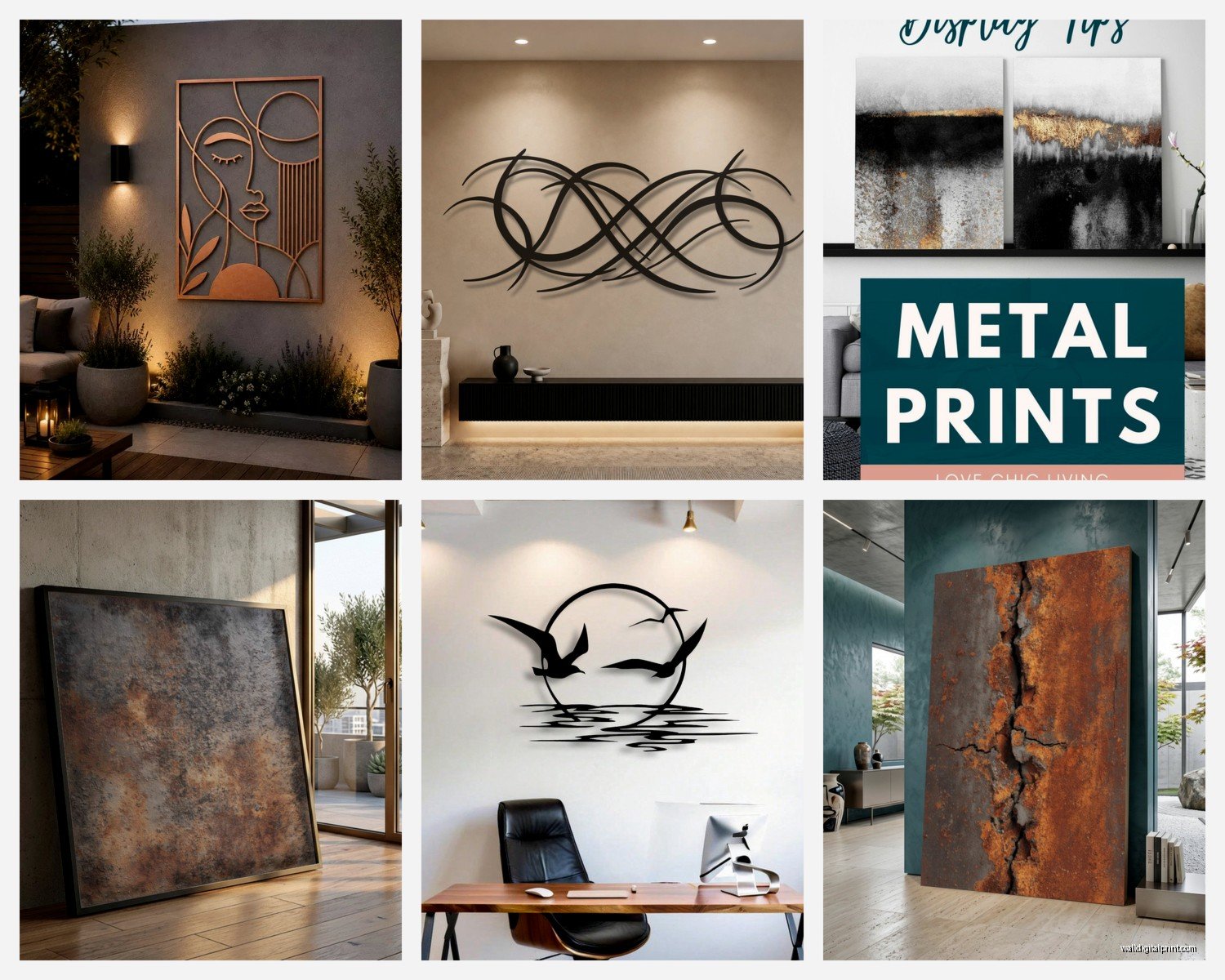
Instagram is obviously huge for visual products like this. I post mockups showing the prints in actual room settings – not just the product on a white background. Lifestyle shots perform way better. Show the aluminum print above a mid-century modern credenza or in a minimalist bedroom or whatever aesthetic matches your design style.
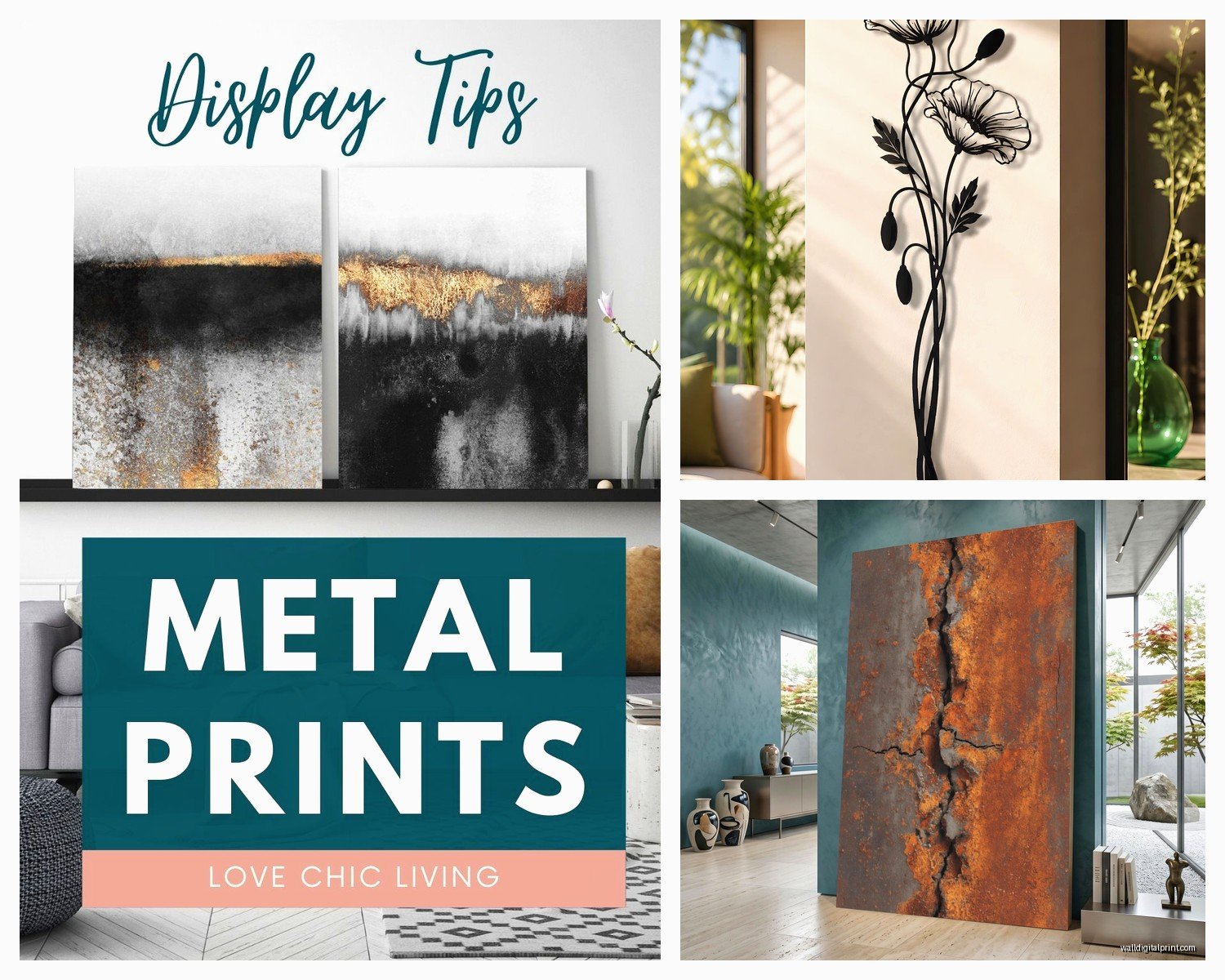
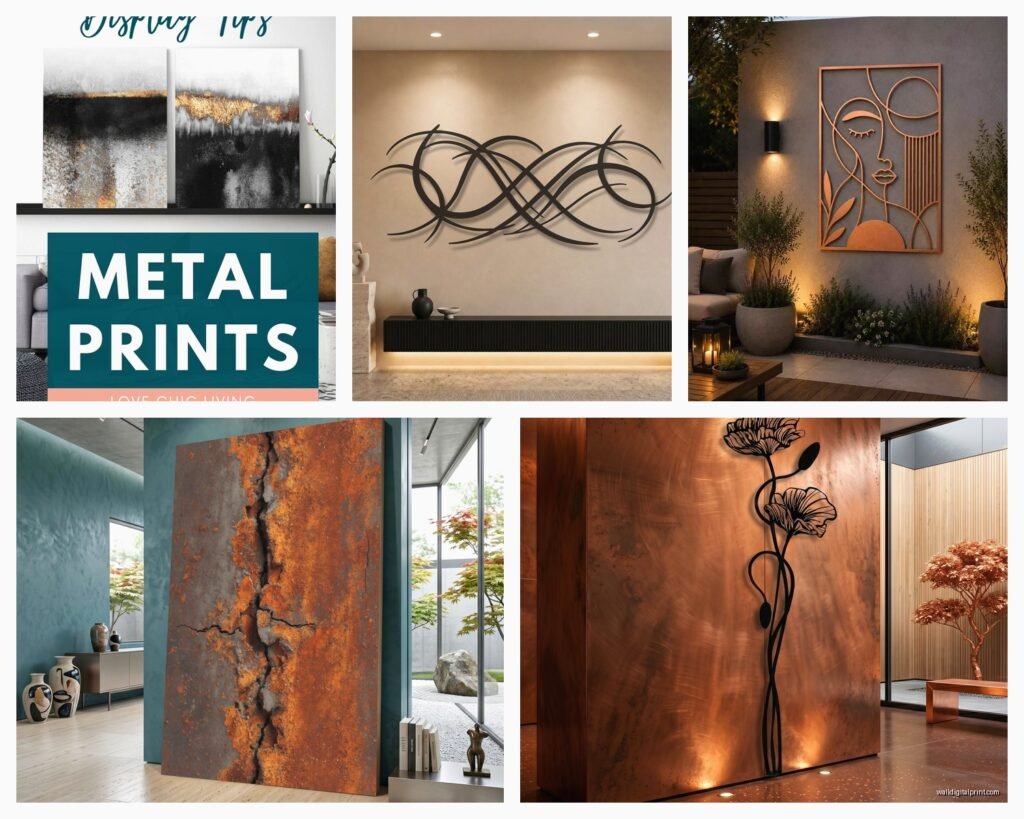
Pinterest drives a surprising amount of traffic too. Create pins showing different ways to display metal wall art. I made one pin about creating a gallery wall with mixed media including aluminum prints and it’s gotten like 50k views.
My dog photobombed one of my product shots once and that post got more engagement than any of my carefully staged photos so… sometimes the imperfect stuff works better anyway.
Common Problems and How to Fix Them
Color matching issues: This happens. Your screen shows colors differently than how they’ll print. Order samples of your designs before you launch them. I know it costs money upfront but it’s way better than having customers complain that the colors don’t match your listing photos.
Shipping damage: Aluminum prints are durable but they can get scratched in transit. Make sure your POD service uses proper packaging. Most good ones wrap prints in protective film and use corner protectors. If you’re getting damage complaints, switch services.
File quality problems: If prints are coming out pixelated or blurry, your source files aren’t high enough resolution. There’s no way around this – you need better quality source images. You can’t upscale a small image and expect it to look good printed large.
Mounting hardware: Different services include different mounting solutions. Some use float mounts that make the print stand off from the wall. Others use keyhole hangers or wire hanging systems. Know what your service provides so you can tell customers what to expect.
Design Ideas That Sell
I curate a lot of art for clients and these are the styles I see performing well for aluminum prints:
Abstract geometric patterns in bold colors – these look super modern and work in contemporary spaces. Think Memphis design vibes, 80s inspired shapes, that kind of thing.
Nature photography with high contrast – sunset silhouettes, dramatic landscapes, close-ups of flowers or leaves with really vibrant colors.
Minimalist line art – simple continuous line drawings, abstract faces, botanical line drawings. The clean look works perfectly with the sleek metal surface.
Typography prints – motivational quotes are kinda overdone but if you do something unique with the typography they can sell. I’ve had good luck with literary quotes in interesting layouts.
City skylines and architectural photography – especially black and white or high contrast versions.
Seasonal Opportunities
Holiday designs sell like crazy in Q4 obviously. But don’t just make generic Christmas stuff. Think about designs that work year-round but have subtle seasonal elements. A winter landscape that’s not specifically Christmas-themed can sell from November through February.
I also create collections around specific design trends. When terrazzo was having its moment I made a whole series of terrazzo-inspired patterns for aluminum prints and they did really well.
Technical Tips from Trial and Error
Test different substrates if your POD offers options. Some services have brushed aluminum versus smooth aluminum. Brushed has this subtle texture that can add another dimension to certain designs.
White ink options: some services can print white ink which matters if you’re doing designs with white elements. The natural aluminum shows through where there’s no ink, which gives you that metallic look, but sometimes you need actual white.
Edge printing: check if edges are printed or left raw aluminum. This affects how finished the piece looks. Printed edges look more polished but cost slightly more.
Size limitations: bigger isn’t always better. I’ve found 16×20 and 20×20 are sweet spots. Large enough to make an impact but not so big that shipping costs scare people away.
Oh wait, one more thing – customer service matters a lot with POD. When something goes wrong (and eventually something will), you need a service that responds quickly and handles replacements without drama. This is why I stick with the bigger established names even though smaller services might be cheaper.
The whole process is pretty straightforward once you’ve done it a few times. Start with a few designs, test the quality yourself, adjust your approach based on what actually sells, and scale from there. Don’t overthink it at the beginning – just get some products up and see what resonates with people.