Wall Art Guide, Wall Art Tutoriels
Bronze Wall Art: Antique Copper Metal Warm Tone Sculpture
Oct
So I’ve been working with bronze and copper wall art for like six years now, and honestly the warm tone thing is what got me into it in the first place. My client’s dining room had this horrible cold gray thing going on and she kept saying it felt like a dentist’s office, so we tried bronze sculptures and it completely changed the space.
First thing you gotta know is that “antique copper” and “bronze” get used interchangeably in product descriptions but they’re not exactly the same. Bronze is an actual alloy—copper and tin usually—while antique copper is often just copper with a patina finish applied. Both give you those warm reddish-brown tones, but bronze tends to be more durable and doesn’t change color as much over time. I learned this the hard way when a piece I hung in a bathroom started turning greenish after like eight months because it was actually just treated copper, not real bronze.
Finding Pieces That Actually Look Good
Okay so when you’re shopping, the biggest mistake people make is buying something too small. I see this constantly. You want a piece that’s at least 24 inches in one dimension for a standard living room wall. Anything smaller just looks like you stuck a coaster on the wall, I’m not even joking. My neighbor bought this gorgeous bronze tree sculpture that was only 16 inches and it completely disappeared on her huge beige wall.
The warm tone thing works best when you’ve got contrast. If your walls are already warm—like terracotta or cream—you might want to go with a darker bronze that has more brown in it. If you’ve got cool grays or whites, the reddish copper tones will pop more. I did a whole gallery wall last month mixing antique copper leaves with some darker bronze geometric pieces and it looked amazing against this pale blue-gray.
Weight and Mounting Situations
This is gonna sound obvious but bronze is HEAVY. A 30-inch piece can easily weigh 15-20 pounds, sometimes more depending on the thickness. You absolutely cannot use those command strips or basic picture hangers. I’ve had two pieces fall off walls in my early days and one left a dent in the hardwood floor that I had to explain to a very unhappy homeowner.
Here’s what actually works:
- For pieces under 10 pounds: heavy duty picture hangers rated for at least double the weight
- For 10-25 pounds: toggle bolts or heavy duty wall anchors if you’re going into drywall
- Over 25 pounds: you need to hit studs with proper screws, like 3-inch wood screws minimum
- Brick or concrete: masonry anchors and you might wanna drill pilot holes first
Most bronze wall sculptures come with a keyhole hanger or D-rings on the back. D-rings are actually easier to work with because you can use two mounting points and level it better. I always mount two anchors even for lighter pieces because bronze sculptures often have uneven weight distribution.
Styles That Work in Different Spaces
The sculptural element is what makes bronze wall art different from just hanging a painting. You’re adding actual dimension and shadow play. I’ve noticed certain styles work better depending on the room vibe.
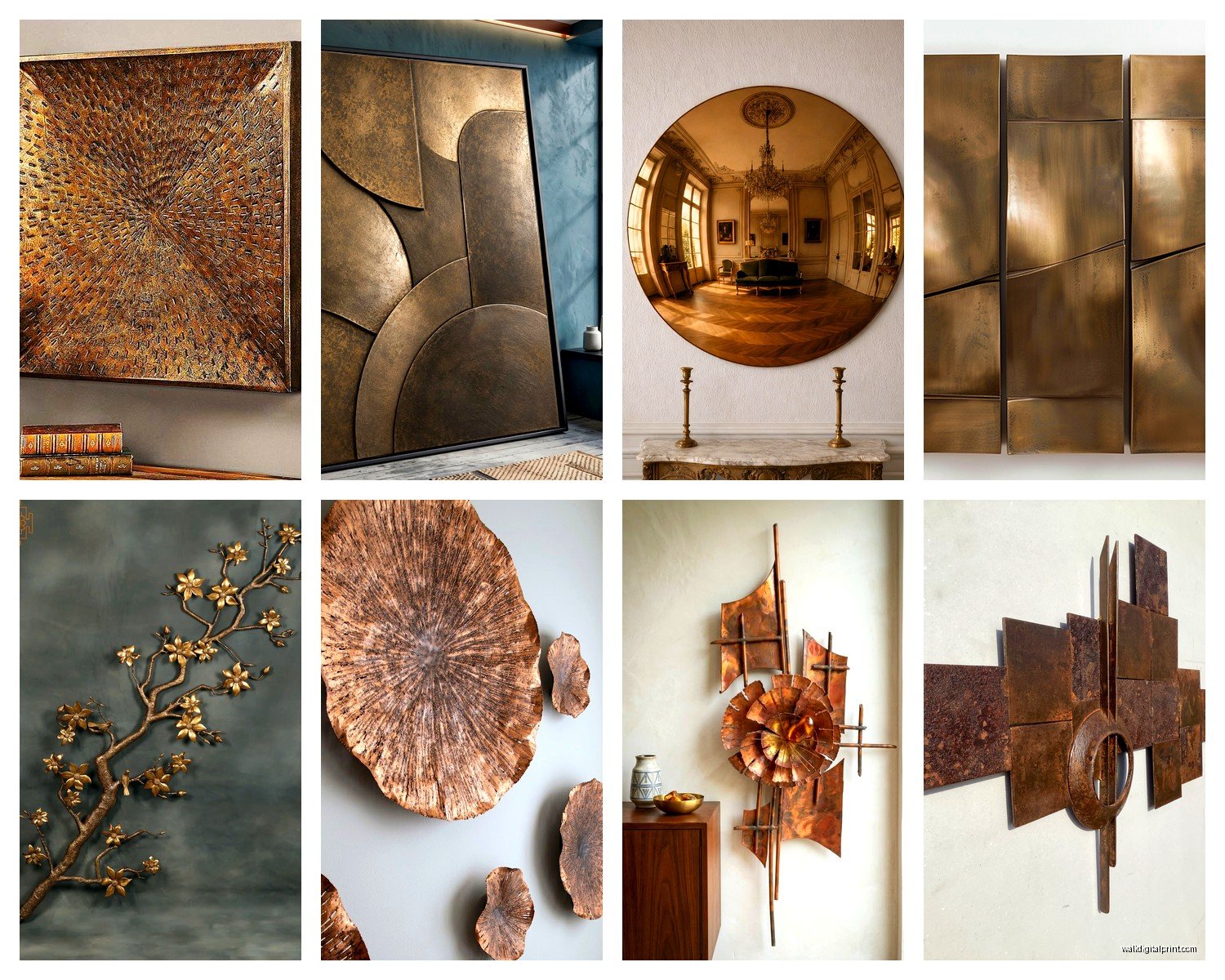
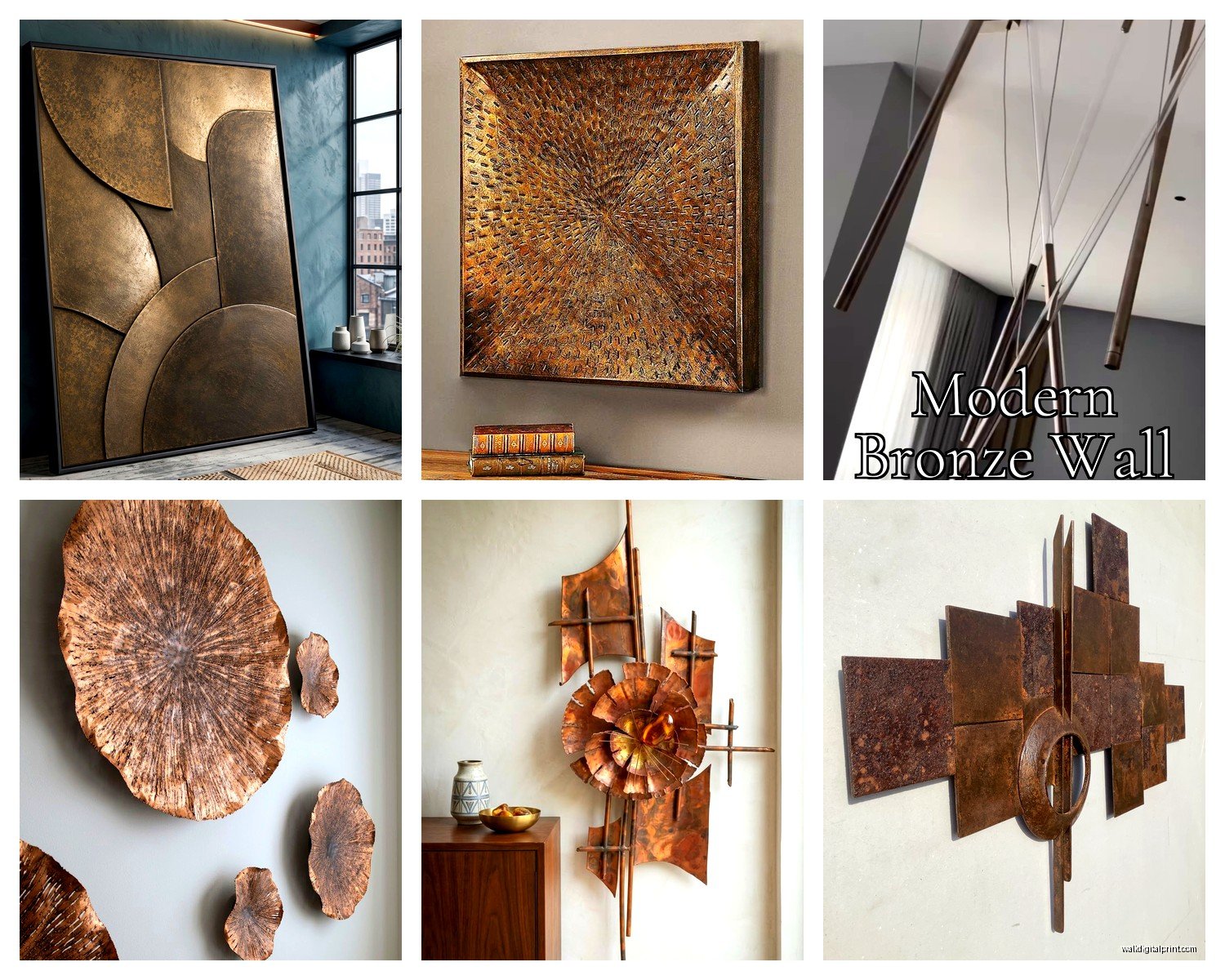
Abstract geometric bronze pieces—like overlapping circles or angular designs—look incredible in modern or contemporary spaces. They catch light differently throughout the day which is cool to watch. There’s this one piece I curated for an office lobby, all these copper-toned rectangular panels at different depths, and the afternoon sun hits it and creates these warm shadows that move across the wall.
Nature-inspired stuff like leaves, trees, branches—this is probably the most popular category and for good reason. They add organic warmth without being too literal. I’m personally obsessed with bronze olive branch sculptures right now. They’re elegant but not too formal. My sister has one in her entryway and every single person comments on it.
Oh and another thing, figurative pieces can be tricky. Human figures in bronze can read very classical or traditional, which is fine if that’s your aesthetic, but if you’re going for something more relaxed it might feel too formal. Animal sculptures though—birds especially—those seem to work everywhere. I hung a set of three copper cranes in a kid’s room once and it was perfect, sophisticated enough that it’ll grow with them.
Patina and Finish Variations
So the “antique” part of antique copper usually means someone applied chemicals or aging techniques to create that darker, weathered look. You can actually get bronze wall art in different patina stages:
- Bright copper/bronze: shiny, very orange-red, almost pennies
- Medium patina: darker browns with reddish undertones, most common
- Heavy patina: deep brown almost black with hints of copper showing through
- Verdigris: that blue-green oxidized look (not really warm tone but it exists)
The medium patina is usually the sweet spot for warm tone stuff. It’s got depth but still reads as warm and inviting. The bright finishes can be too shiny and almost look cheap if the craftsmanship isn’t great.
Where to Actually Hang These Things
Living rooms are obvious but think about scale and furniture placement. Above a sofa you want the piece to be about two-thirds the width of the sofa, maybe a bit less. Too small and it looks like an afterthought. I usually hang the center of the piece at about 57-60 inches from the floor, which is standard gallery height, but if your ceilings are really high you might go a bit higher.
Dining rooms are actually perfect for bronze wall art because the warm tones complement wood tables and the metallic finish picks up candlelight really nicely. I hung this massive bronze sunburst sculpture in a dining room last fall and during dinner parties it reflects the chandelier light in this subtle way that makes the whole room feel warmer.
Bedrooms—hear me out on this—can handle darker bronze pieces better than you’d think. Everyone assumes bedrooms need to be light and airy but a dramatic bronze sculpture above the bed as a headboard alternative is chef’s kiss. Did this in my own bedroom actually, went with a really dark patina abstract piece and it grounds the whole space.
Wait I forgot to mention bathrooms. If you’re doing a bathroom you NEED to make sure it’s sealed properly or actual bronze, not just copper with a coating. The humidity will destroy cheaper pieces. I learned this… yeah already mentioned that. Anyway powder rooms are great for smaller bronze pieces because people actually look at the walls in there.
Mixing Metals and Other Decor
The old rule about not mixing metals is pretty much dead. I mix bronze wall art with brass lamps, chrome fixtures, whatever. The key is having enough of the bronze to make it feel intentional. Like if you have one tiny bronze sculpture and everything else is silver-toned, it’ll look random. But if you’ve got bronze wall art plus maybe bronze candlesticks or a bronze tray on the coffee table, it reads as a choice.
Bronze plays really well with:
- Wood tones especially walnut and oak
- Deep jewel tones like emerald, navy, burgundy
- Cream and ivory (creates nice contrast)
- Terracotta and rust colors (very warm, very layered)
- Even with black it can look sophisticated
This is gonna sound weird but I don’t love bronze with a lot of orange. It can get too monochromatic and lose the richness. A little bit is fine but if your whole room is orange-toned, the bronze might disappear.
Cleaning and Maintenance Real Talk
Bronze doesn’t need much but it does need some attention. Dust it regularly with a soft cloth, that’s the main thing. For deeper cleaning I use a barely damp cloth with mild soap, then dry immediately. Never use abrasive cleaners or you’ll strip the patina.
If you want to maintain the exact finish, some people apply a thin coat of wax once a year. I use Renaissance Wax for my nicer pieces. Just a tiny bit rubbed in with a soft cloth. But honestly most bronze wall art is fine without it if it’s indoors and not in direct sunlight.
The patina will naturally deepen over time which I actually think looks better. Some people freak out about this but it’s part of the material’s character. If you want to speed up the aging process you can… actually that’s a whole different thing and probably not what you’re asking about.
Budget Considerations
Real bronze sculpture is not cheap. A decent quality piece from like 24-36 inches is probably gonna run you $150-$400 depending on the complexity and artist. Handmade stuff from individual artists can go way higher, I’ve seen pieces over $1000 easily.
The super cheap options on Amazon and stuff—under $50 for large pieces—those are usually resin painted to look like bronze or very thin metal that’ll dent if you look at it wrong. Sometimes they’re fine for rental situations or if you’re just testing out the look, but they don’t have the same presence as actual bronze.
Mid-range brands that I’ve had good experiences with include stuff from HomeGoods actually, their metal wall art selection can be surprisingly decent. West Elm has some good options. Etsy has tons of independent metalworkers doing beautiful bronze pieces, though shipping can be expensive because of the weight.
Common Problems I’ve Seen
Okay so the biggest issue is people hanging bronze art in direct sunlight and then wondering why the finish is changing. UV exposure will alter the patina over time. Not necessarily bad but if you want it to stay exactly as purchased, avoid south-facing windows with direct sun.
Also the weight thing I mentioned—seriously cannot stress this enough. I had someone text me a photo of a beautiful bronze tree branch sculpture that had ripped out of their wall and taken a chunk of drywall with it. They’d used the little nail that came with it which was rated for maybe 5 pounds and the piece weighed 18 pounds.
Another thing is trying to hang textured bronze pieces too close to furniture. If it’s got branches or elements that stick out 2-3 inches, you need clearance. I’ve seen people crack off delicate parts by shoving a chair back into it.
My cat knocked over a freestanding bronze sculpture once and it left a scratch on my floor so that was fun. This isn’t wall art related but just… be aware that bronze is harder than most other materials in your house.
The last thing is buying online without checking dimensions carefully. A piece that looks huge in the product photo might be 12 inches in reality. I always measure out the dimensions with painter’s tape on the wall before ordering to visualize the actual size. Saved me from several bad purchases.
Anyway that’s pretty much everything I’ve figured out through trial and error and working with these pieces constantly. The warm tone thing really does make a difference in how a room feels, especially in winter when everything can feel cold and dark. Bronze just adds this richness that’s hard to get with other materials.