Wall Art Guide, Wall Art Tutoriels
V1 Tech Wall Art: Digital Technology Modern Brand
Oct
So I’ve been deep in the V1 Tech wall art rabbit hole lately and honestly it started because a client wanted something “techy but not boring” for their home office and I was like… what does that even mean? But then I discovered this whole world of digital technology modern brand art and now I’m kinda obsessed.
What Actually Is V1 Tech Wall Art
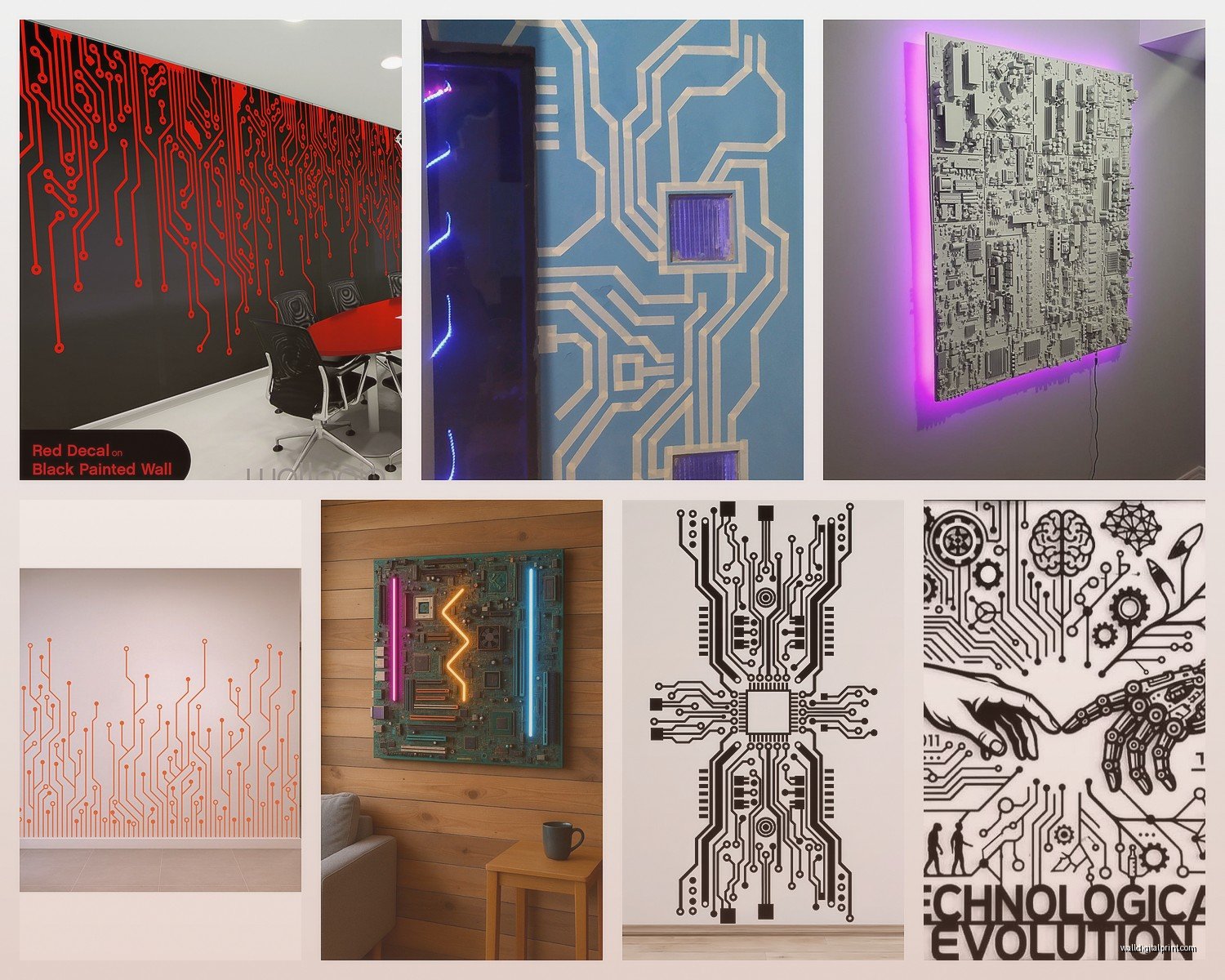
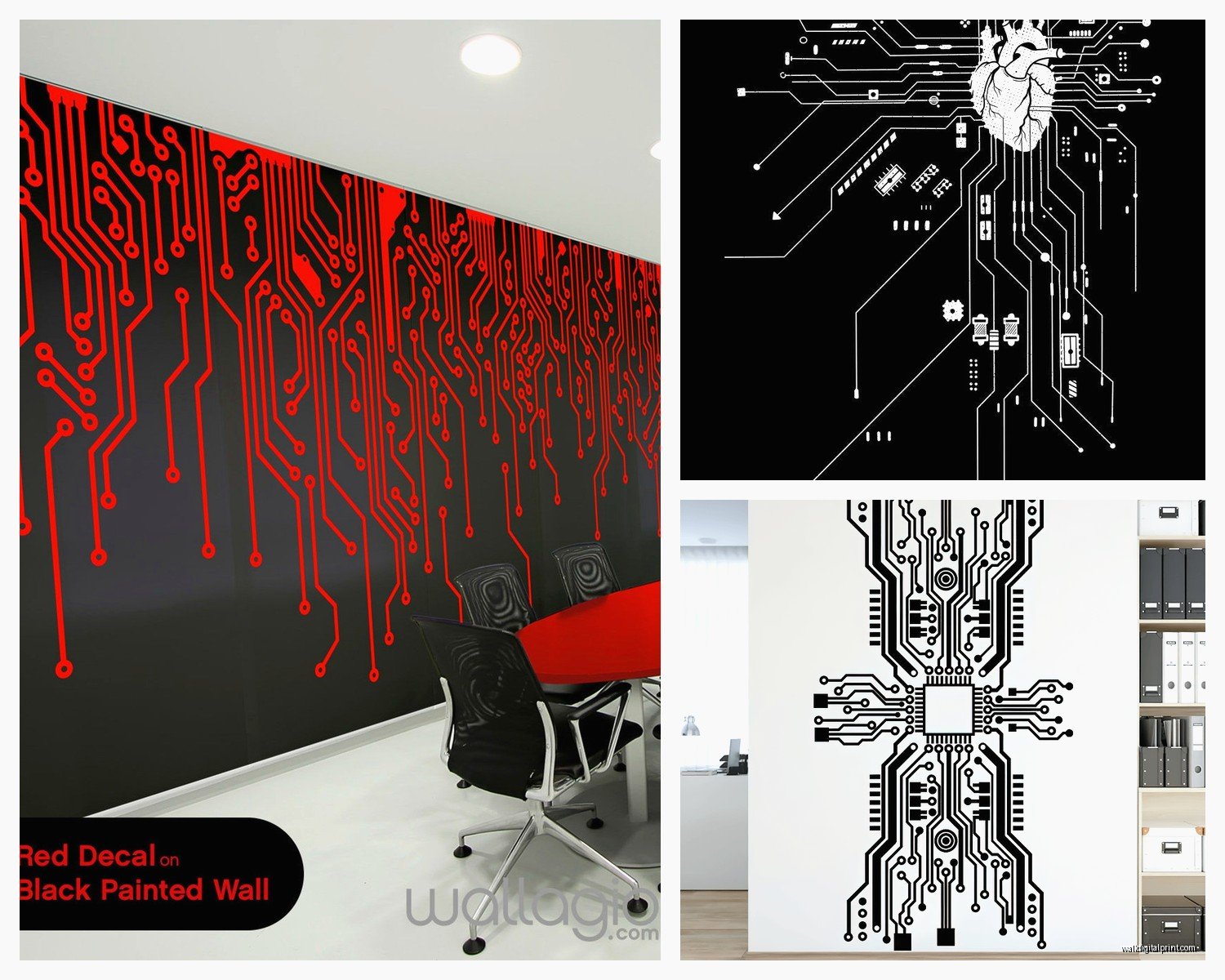
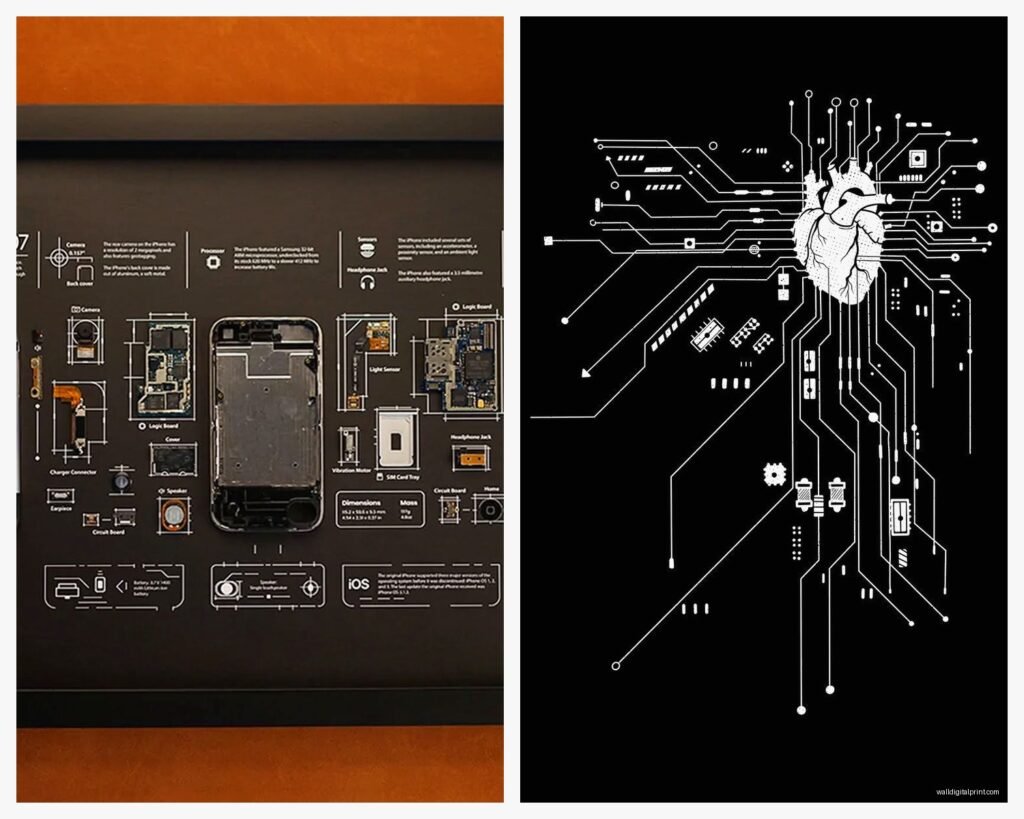
Okay so V1 Tech is basically this aesthetic that takes digital elements—think circuit boards, binary code, abstract data visualization—and turns them into actual wall art that doesn’t look like you grabbed a screenshot from The Matrix. It’s got this clean, geometric vibe that works surprisingly well in modern spaces. The “V1” thing refers to version one, like that first iteration energy that tech companies have, which sounds pretentious but the art itself is actually pretty cool.
I tested a bunch of these pieces in my own apartment first because I’m not gonna recommend something I haven’t lived with. My cat knocked over one of the frames twice so that was fun… but anyway, the pieces that actually work are the ones that balance the tech aesthetic with real design principles.
Where to Actually Find Good Pieces
This is gonna sound weird but don’t start on Etsy. I mean, eventually yes, but not first. Here’s what I did:
- Check specialized tech art galleries online like Curioos or Displate first to see what professional-level stuff looks like
- Then hit up Society6 and Redbubble for more affordable options
- THEN go to Etsy for custom or unique pieces
- Amazon has some options but they’re hit or miss quality-wise
I spent like three hours one night when I should’ve been watching that new Netflix show everyone’s talking about, just comparing print quality reviews. The thing nobody tells you is that the printing method matters SO much more than the actual design sometimes.
Print Quality Stuff You Gotta Know
Giclée prints are your friend here. They’re basically museum-quality and the colors stay vibrant. I have a circuit board design piece that’s been up for eight months now and it still looks exactly the same. Regular poster prints fade faster and with tech art that has a lot of blacks and blues, you’ll notice it.
Metal prints work incredibly well for this aesthetic though. The metallic surface makes digital designs pop in this way that paper just… doesn’t. I got one for my workspace and the way light hits it throughout the day actually changes how the design looks which sounds cheesy but it’s genuinely cool.
Sizing and Placement That Actually Works
So here’s where I messed up initially and you can learn from my mistakes. I bought this gorgeous abstract data visualization print, 24×36 inches, hung it above my desk and it was just… too much. Tech art tends to be visually busy even when it’s minimalist because of all the details and patterns.
For home offices: stick to 16×20 or 20×24 inches max unless you have a huge wall. You want it to add interest without competing with your actual computer screens.
For living rooms: you can go bigger but keep it to one statement piece. I did a 30×40 inch piece in my client’s living room and paired it with solid neutral artwork on the adjacent wall. The tech piece became the focal point without overwhelming the space.
For bedrooms: honestly be careful here because some of the busier designs can be too stimulating. I learned this the hard way when I couldn’t stop staring at a complex circuit pattern when I was trying to sleep.
Color Schemes That Don’t Look Like a Server Room
Okay so most V1 Tech art comes in these color families:
- Black and white with geometric patterns
- Blue and cyan tones (very Tron-like)
- Orange and black (kinda cyberpunk)
- Neon accent colors on dark backgrounds
- Minimalist single-color line work
The blue stuff is everywhere and it can read really cold if your space doesn’t have warm elements to balance it. I always pair blue tech art with wood furniture or warm metals like brass. One client had an all-gray room with blue tech art and it felt like being inside a computer… not in a good way.
The black and white geometric pieces are actually the most versatile. They work with basically any color scheme and don’t fight with your existing decor. Plus they age better stylistically—less likely to look dated in five years.
Mixing Tech Art With Other Styles
Wait I forgot to mention this earlier but you absolutely can mix V1 Tech art with other styles, you just gotta be intentional about it. I did this gallery wall that had:
- One piece of circuit board art in black and white
- A botanical print with strong geometric shapes
- An abstract piece with similar color tones
- A minimalist line drawing
The key was finding the common thread—in this case, geometric elements and a monochrome palette. The tech piece didn’t stick out as weird, it just added another layer of visual interest.
Don’t do what my friend did and put a hyper-detailed tech mandala next to a soft watercolor landscape. That’s just chaos.
Framing Options That Won’t Break the Bank
Custom framing is expensive and honestly not always necessary for this type of art. Here’s my hierarchy:
Floating frames work amazing for tech art, especially the pieces with dark backgrounds. That little gap between the art and frame makes it look more high-end and modern. I get mine from Framebridge when I’m feeling fancy or just basic ones from Amazon.
Metal frames in black, silver, or white keep the modern vibe going. Wood frames can work but go for very minimal styles—thick rustic frames will clash hard with the digital aesthetic.
Frameless mounting is actually my go-to for larger pieces. You can get acrylic face mounting or just do a simple gallery wrap canvas. Saves money and looks clean.
Oh and another thing, if you’re buying prints from places like Society6, they offer framing options but compare the prices because sometimes it’s cheaper to buy the print unframed and frame it yourself through a place like Frame It Easy.
Lighting Makes or Breaks These Pieces
This is gonna sound obvious but proper lighting is CRUCIAL for tech art. The details get lost in poor lighting and then what’s the point?
I installed picture lights above my two main tech pieces and it was a total game-changer. You can get battery-operated LED picture lights for like 25 bucks on Amazon—no electrician needed. The warm white LEDs work better than cool white for most spaces unless you’re really going for that cold tech aesthetic.
Track lighting also works great if you’re doing a gallery wall situation. You can angle the lights to hit multiple pieces and create this whole mood thing.
Natural light is tricky though. Direct sunlight will fade your prints over time, so if you’re hanging tech art near a window, consider UV-protective glass or acrylic. I learned this after a piece in my bedroom started looking washed out after six months of afternoon sun.
DIY Options If You’re Crafty
Okay so funny story, I got really into creating custom tech art for a minute there. Downloaded some digital assets, played around in Photoshop, and honestly some of it turned out pretty decent. If you wanna try this:
- Sites like Creative Market and Envato have tech-themed design elements you can purchase and remix
- Canva has templates that work surprisingly well for simpler designs
- Print through a local print shop or online service like Printful
- Get it mounted at a framing shop or DIY with foam board
The whole thing cost me maybe 40 bucks for a custom 20×30 piece versus 150+ for similar professionally designed art. But you gotta be comfortable with basic design software and have an eye for what works.
Avoiding the Cheap Look
Here’s the thing—tech art can look really cheap really fast if you’re not careful. Red flags to watch for:
Overly pixelated images in product photos usually mean low-resolution prints. Always check the DPI if it’s listed—you want at least 300 DPI for quality prints.
Super glossy finishes can look plasticky. Matte or satin finishes tend to look more sophisticated for this style.
Designs that are just stock photos with a filter slapped on them. You can usually tell because they lack the intentional design elements that make tech art actually interesting.
Anything described as “HD printed” without specifying the actual printing method is suspect. That’s just marketing speak for “we printed it, it exists.”
Investment Pieces Worth Considering
If you’ve got the budget and want something that’ll actually hold value or at least look expensive, look into:
Limited edition prints from digital artists who specialize in tech aesthetics. Artists like Joshua Davis or Nervous System create algorithmic art that’s genuinely unique. Prices start around 200-300 bucks but they come with certificates of authenticity.
LED or interactive tech art takes it to another level. There are pieces that respond to sound or have programmable LED elements. I saw one at a gallery that visualized real-time stock data and it was mesmerizing. These run 500+ but they’re conversation pieces.
Original digital art as NFTs printed and framed… okay I know that sounds very 2021 but some artists are doing interesting things in this space and you can get physical prints of digital-only works.
Making It Work in Different Room Types
My client last week wanted tech art in their kitchen and I was like… are we sure about this? But we made it work with a small black and white geometric piece that had tech elements but wasn’t obviously circuit boards or code. The key in non-office spaces is subtlety.
Bathrooms: Stick to smaller pieces, waterproof frames if possible, and simpler designs. Nobody wants to analyze complex data visualization while brushing their teeth.
Entryways: This is actually perfect for a statement tech art piece. Sets the tone for the whole space and guests actually stop to look at it.
Kids rooms: There’s some really cool playful tech art that works for older kids and teens. Think retro gaming aesthetics or colorful code patterns.
The biggest mistake I see people make is treating tech art like it’s only for offices or men’s spaces or whatever. A well-chosen piece works anywhere if it fits the overall design scheme.
Maintenance and Care
Not much to it honestly but dust regularly with a microfiber cloth. For glass or acrylic, use proper glass cleaner but spray it on the cloth, not directly on the frame—learned that one when cleaner seeped behind the glass and left marks.
If you did metal prints, they can handle a bit more aggressive cleaning but still be gentle. The ink is embedded in the coating so it won’t scratch off easily but why risk it.
Check the hanging hardware every few months especially for heavier pieces. I had a frame take a dive at 3am once because the wire gave out and it scared the life outta me.
The V1 Tech aesthetic isn’t going anywhere anytime soon so this stuff should stay relevant for a while, but if trends shift you can always swap out the prints and reuse nice frames for something else. That’s the beauty of working with standard sizes.