Wall Art Guide, Wall Art Tutoriels
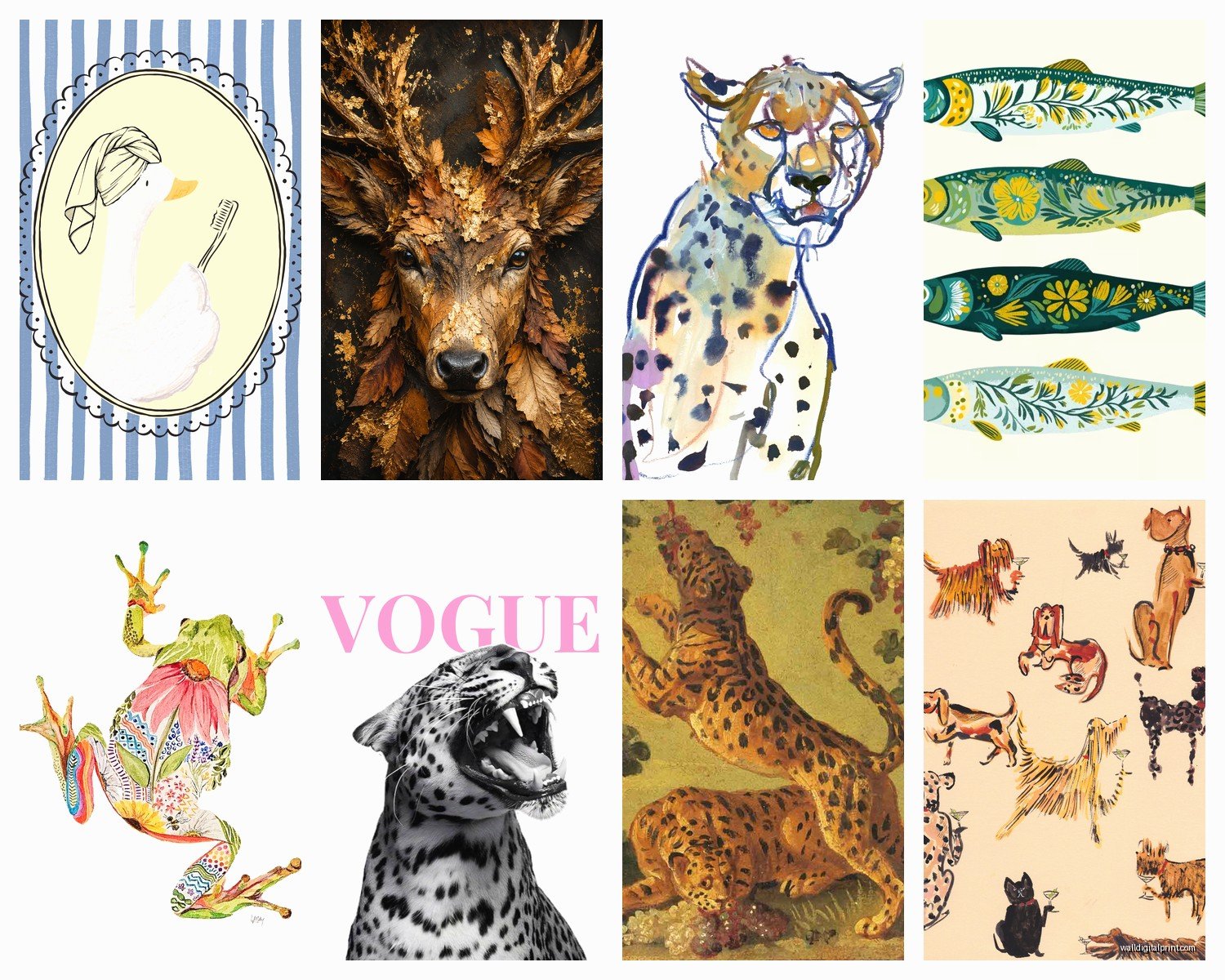
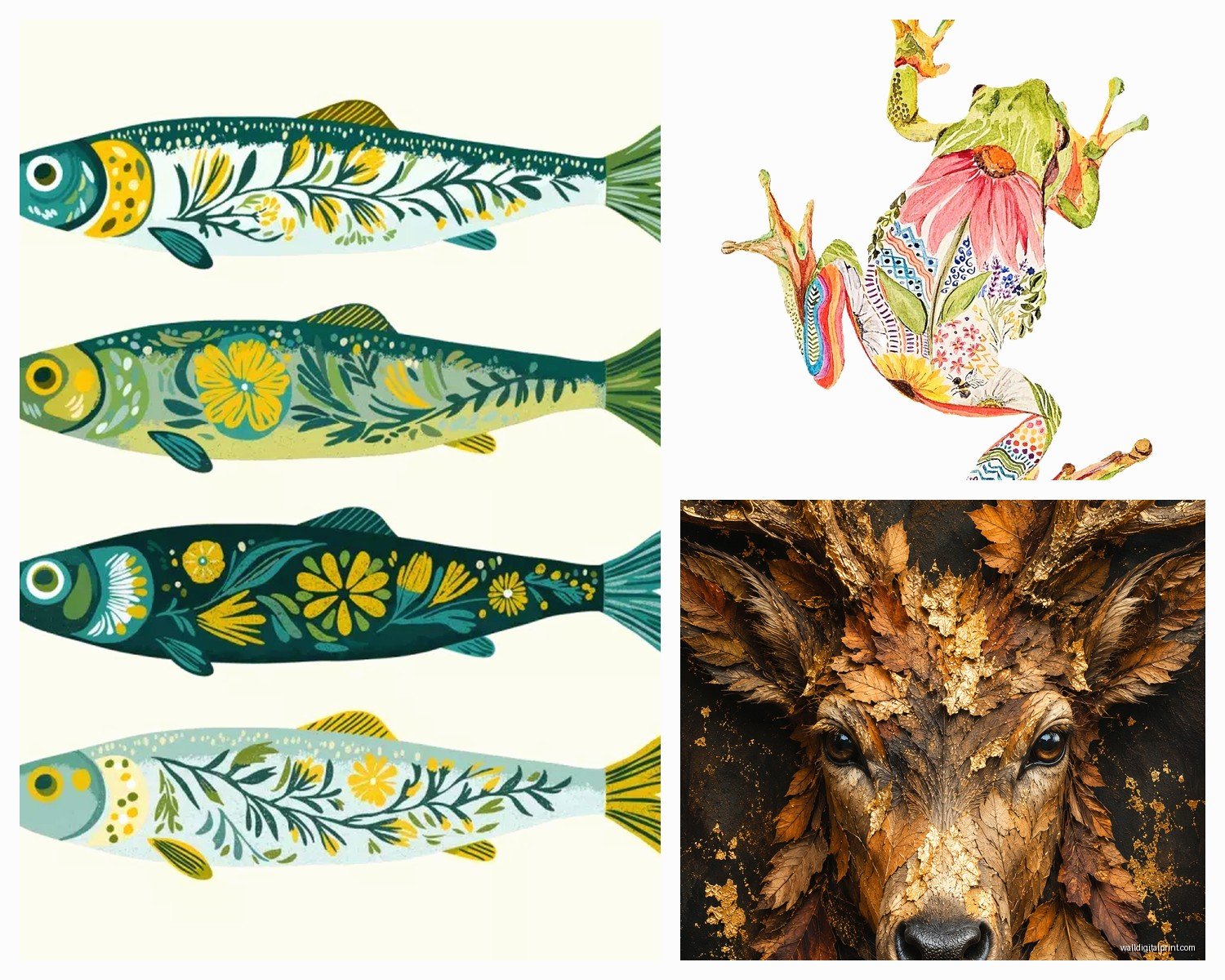
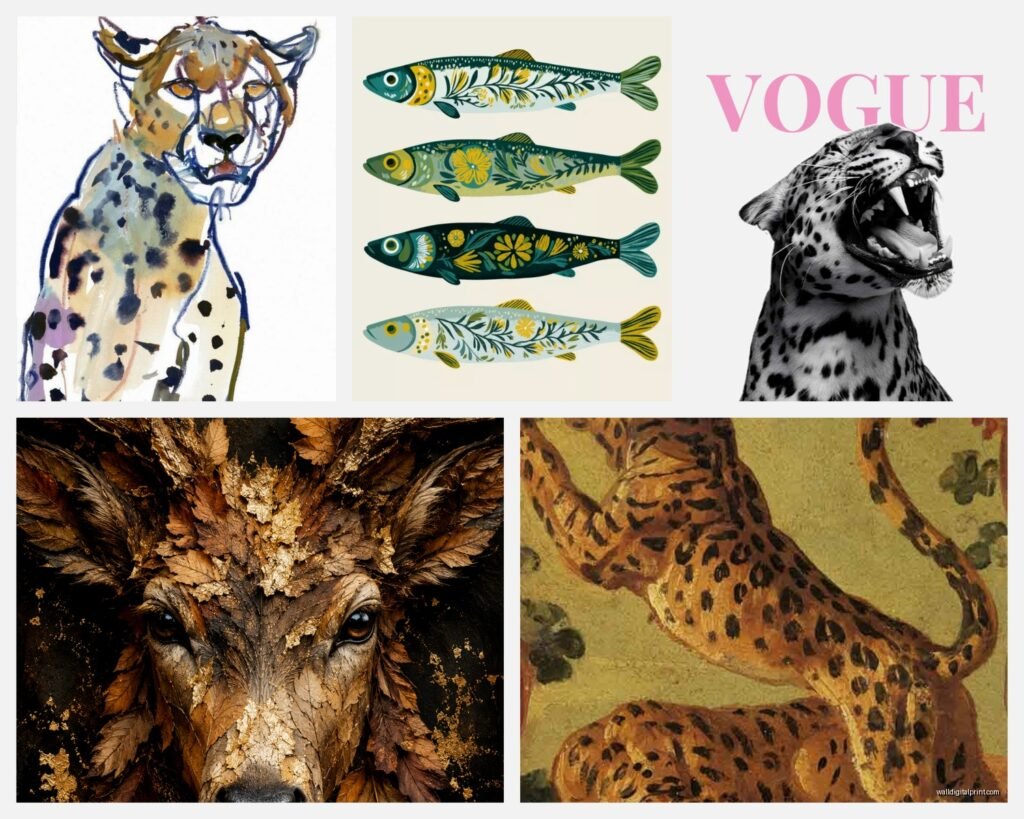
Animal Prints Wall Art: Wildlife Safari Photography
Jun
So I’ve been totally obsessed with animal print wall art lately and honestly it started because this client wanted to do a whole safari thing in their den but didn’t want it to look like…you know, TJ Maxx 2015? And I went down this rabbit hole of wildlife photography that I’m still kinda stuck in.
The Quality Thing Nobody Talks About
First thing – and I cannot stress this enough – the print quality matters SO much more with animal photography than like, abstract art or whatever. Because with wildlife shots, you’re gonna notice if the zebra stripes look blurry or if the elephant’s skin texture is just a gray blob. I learned this the hard way when I ordered what looked like an amazing lion portrait online and it showed up looking like someone printed it at Kinko’s in 2003.
What you actually want is at least 300 DPI resolution. The seller should list this in their specs, and if they don’t…red flag. I usually message them directly and ask about the source file resolution because I’ve been burned too many times. Also giclee prints on heavyweight paper (like 200gsm or more) are gonna give you those crispy details that make animal photography actually work on a wall.
Sizing Is Weird With Animals
Okay so funny story, I bought this gorgeous elephant print, like really stunning close-up of the eye and all those beautiful wrinkles, right? Got it in 16×20 because that seemed reasonable. Hung it up and it just looked…wrong. Too small. Because here’s what I figured out – animal prints need to either go BIG or go in a group.
A single animal portrait under 24×36 is gonna feel kinda sad and lonely on most walls unless you’re putting it in a small space like a powder room or a narrow hallway. The impact of wildlife photography comes from either:
- One massive statement piece (I’m talking 40×60 or larger)
- A gallery wall situation with multiple animals
- A series of three or four same-sized prints in a row
My living room has this three-piece set of giraffes that are each 24×36 and THAT works because they create one long visual line. But that lonely medium-sized elephant just didn’t have the presence.
Black and White vs Color (I Have Opinions)
So everyone thinks color is the obvious choice for wildlife because animals are colorful, right? But actually…black and white wildlife photography is SO much easier to style and it doesn’t compete with your existing decor.
I did a whole bedroom with black and white safari prints – zebra, elephant, rhino – and it looks sophisticated instead of theme-y. Color prints can work but you gotta be careful because if you have like, a sunset-lit lion that’s all orange and gold, suddenly you’re locked into warm tones for that whole room. And what if you have a blue couch? Now you’re in a situation.
The exception is if you’re doing a dedicated safari theme room (kids room, den, office) where you’re committing to the vibe. Then yeah, bring in those rich colors. But for mixing into existing decor, black and white is your friend.
The Sepia Trap
Oh and another thing – watch out for sepia-toned animal prints. They can look dated really fast. I see them everywhere on Etsy and they’re trying to give “vintage safari expedition” but unless your whole room is going for that specific explorer’s club aesthetic, they read as…2010s trendy in a way that doesn’t age well.
Which Animals Actually Work
Not all animals are created equal for wall art, and this is gonna sound weird but I have a whole mental ranking system now.
Top tier (always work):
- Elephants – especially close-ups of faces or texture shots
- Lions (but only really striking poses, not generic ones)
- Zebras – the patterns are just graphic design gold
- Giraffes – unexpectedly elegant
- Rhinos – super underrated, that texture is amazing
Use carefully:
- Leopards and cheetahs – can look aggressive in the wrong context
- Hippos – cute but read as playful/casual, hard to make sophisticated
- Monkeys – same issue, very casual energy
- Birds – flamingos are overdone, other birds can work in the right style
Usually skip:
- Snakes – most people don’t want to stare at a snake while eating dinner
- Insects – too close-up gets creepy for wall art
- Generic antelope unless the shot is really special
My dog literally just knocked over my coffee while I’m writing this, but anyway…
The Framing Situation
So you’d think framing is straightforward but there’s actually some specific things that work better with wildlife photography. I’ve tested a bunch of options and here’s what I’ve landed on:
Black frames are the safest bet. They disappear into the wall but give the print structure. Works with both color and black and white prints. I probably use black frames on like 70% of wildlife art.
Natural wood frames can be amazing but they need to be either very light (like blonde oak) or very dark (walnut). That medium honey oak thing reads as dated with safari photography because it’s giving…you know, lodge from the 90s.
White or cream frames work if you’re going for a bright, airy, modern look. But they can make dramatic wildlife shots feel less impactful. Better for lighter, more ethereal animal photography.
No frame/canvas wraps – okay so I used to hate canvas gallery wraps because they felt cheap, but I’ve actually changed my mind on this. For really large statement pieces (like 48×72), a canvas wrap can work because the print itself is the statement and you don’t need the frame adding visual weight. But the quality has to be there – cheap canvas wraps look terrible.
The mat situation is personal preference but I usually skip mats with wildlife photography because I want the animal to fill the frame. Mats create distance and these images work better with immediacy.
Where to Actually Buy Them
I’ve ordered from probably two dozen different sources at this point and here’s my honest breakdown:
Etsy is hit or miss. There are some incredible wildlife photographers selling prints there, but you gotta do your homework. Look at reviews with photos, check their shop policies, and don’t be afraid to message them with questions. I found this amazing photographer who does safari work in Kenya and her prints are stunning, but I also bought some garbage from another seller who was clearly just reselling stock photos.
Fine art photography sites like 20×200 or Minted have curated collections that are usually good quality but pricier. You’re paying for the curation and quality control though, which honestly saves time.
Directly from photographers is the best if you can find someone whose work you love. A lot of wildlife photographers have their own websites where they sell prints. The quality is usually top tier because it’s their actual art, not some third party printing their files. Plus you get the story behind the shot which is cool.
Mass retailers like West Elm or CB2 occasionally have wildlife prints but they’re usually pretty generic. Fine for a rental or if you just need something quick, but they’re not gonna be conversation pieces.
Styling Tips That Actually Matter
Okay so this is where I probably spend too much time obsessing but whatever, it makes a difference.
Don’t Mix Too Many Species
If you’re doing a gallery wall or multiple prints, stick to like 2-3 different animals max. I see people try to do a whole zoo on their wall and it gets chaotic. Pick a theme – maybe “African plains” with elephants, zebras, and giraffes. Or “big cats” with lions, leopards, cheetahs. But don’t throw in a random parrot with your rhinos, you know?
Eye Level Matters More With Animals
Because you’re looking at faces and eyes, hanging wildlife photography at the right height is crucial. The center of the print should be at about 57-60 inches from the floor, which is standard gallery height. But if it’s a close-up of an animal’s face, I sometimes go slightly lower so you’re making eye contact naturally when standing in the room.
Lighting Is Everything
This is gonna sound obvious but you need good lighting on wildlife photography or all those beautiful details disappear. I usually add picture lights or position these prints where natural light hits during the day. The texture in elephant skin or the pattern in zebra stripes needs light to read properly.
Wait I forgot to mention – avoid direct sunlight though because it’ll fade your prints over time. Learned that one the hard way with a leopard print that got sun exposure for like six months and lost all its contrast.
The Room-by-Room Thing
Different rooms work better with different approaches to animal prints and I’ve got some thoughts here.
Living room: Go big or go gallery wall. This is where a massive elephant portrait or a coordinated set of three to four animals works. Keep it sophisticated – black and white or very intentional color choices.
Bedroom: I actually love calmer animal portraits here. A sleeping lion, a gentle elephant moment, peaceful zebras. You don’t want aggressive energy where you’re trying to sleep. And honestly? Baby animal photography works here when it doesn’t work other places. A baby elephant with mom is sweet without being too cute for a bedroom.
Office/study: This is where you can do more dramatic, powerful animal shots. A lion roaring, an elephant charging toward camera (not literally charging but you know, powerful stance), intense eye contact shots. It creates focused, strong energy which works in a workspace.
Dining room: I’ve done this successfully with more elegant animals – giraffes are perfect here, zebras work, sophisticated bird photography can be good. Skip predators actively hunting though, that’s weird during dinner.
Bathroom: Smaller spaces mean smaller prints work fine. Flamingos are overdone but if you love them, go for it. Water-based animals make sense thematically – hippos, elephants bathing, that kind of thing.
Kids rooms: Obviously more playful is fine here. Color prints, baby animals, even the more whimsical poses that would feel too cute elsewhere. Just make sure they’re still quality prints, not cartoon-y.
The Trend Question
Someone asked me recently if animal prints are gonna go out of style and honestly…wildlife photography is pretty timeless if you do it right. What goes in and out is how you style it. Like those “inspirational quote + elephant” prints from 2012? Yeah those are dated. But a beautiful straight wildlife photograph? That’s been hanging in homes for decades and will continue to.
The key is treating it as art, not as theme decor. If your whole room screams “safari themed!!!” with leopard print pillows and bamboo furniture and animal prints everywhere, that’s trend-dependent. But a striking black and white zebra portrait on an otherwise modern wall? That’s just good photography.
Budget Considerations Because Yeah
Real talk – quality wildlife photography prints aren’t cheap. A good large print is gonna run you $150-500 depending on size and photographer. Framing adds another $100-300 for decent quality.
If that’s not in your budget right now, here’s what actually works:
- Start with one statement piece instead of several smaller ones
- Look for photographers who do print sales or seasonal discounts
- Consider digital downloads and have them printed locally at a quality print shop – this is often cheaper than buying finished prints
- Frame it yourself with a simple black frame from Target or Amazon – you can upgrade the frame later if needed
- Check art fairs and local photography shows where photographers often sell prints at better prices
I’ve done the cheap route and the expensive route and honestly, one really good print is better than three mediocre ones. Save up if you need to.
Common Mistakes I Keep Seeing
Since I’m basically ranting at this point, here are the things that make me cringe:
Mixing photography styles – don’t put a hyper-realistic close-up next to a dreamy soft-focus shot next to a high-contrast black and white. Pick a photographic style and stick with it across your animal prints.
Going too literal – if you have a tan couch and tan walls, you don’t need a tan lion photo. Actually that’s when a black and white zebra would create better contrast and interest.
Ignoring scale – a tiny animal print on a huge wall looks sad. A massive animal print in a tiny room feels overwhelming. Match the scale to your space, seems obvious but people mess this up constantly.
Buying prints that are just…fine – if the animal photography doesn’t make you feel something or catch your eye, don’t buy it just to fill space. Wait for the right piece.
Okay I think that’s everything I’ve learned from like two years of obsessing over this? Oh wait, one more thing – if you’re ordering online, check the return policy because colors and scale can look different in person than on your screen. I always go with sellers who allow returns for at least 30 days.
My client actually just texted me back about something completely different but yeah, hopefully this helps if you’re trying to figure out the whole animal print wall art thing. It’s honestly so much more nuanced than I expected when I first started but once you get it right, the impact is pretty incredible.