
Wall Art Guide, Wall Art Tutoriels
Mandala Wall Art: Spiritual & Geometric Circle Designs
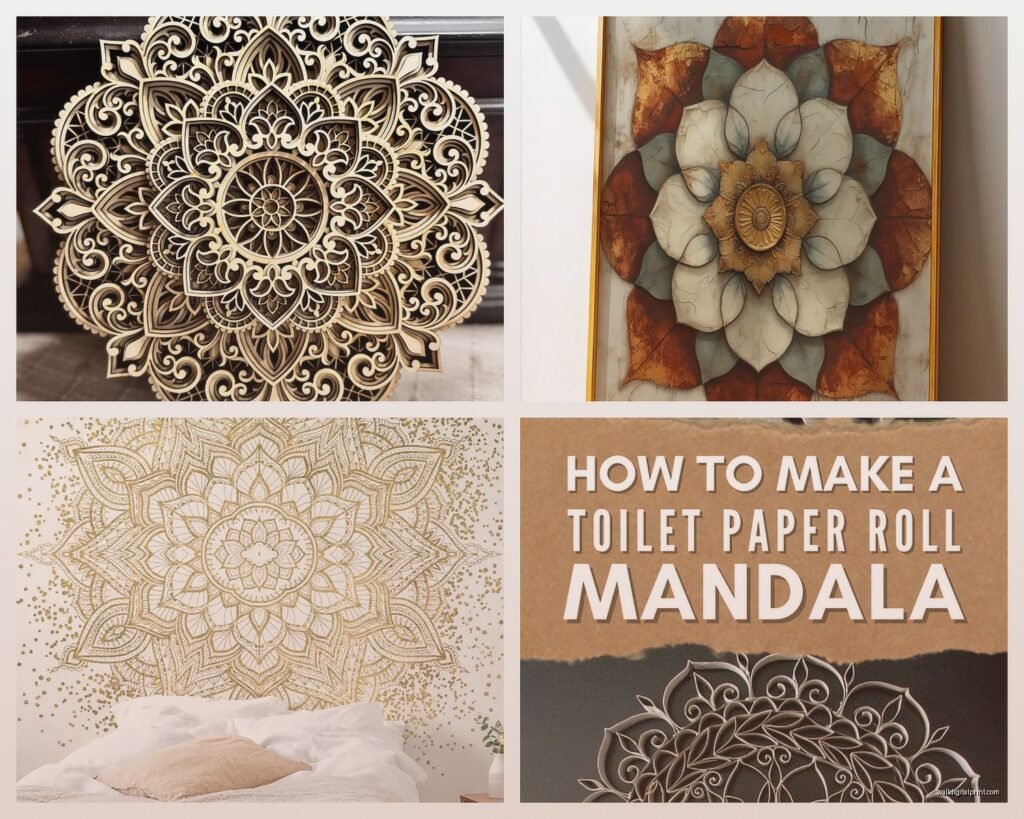
Jun
So I’ve been obsessing over mandala wall art lately and honestly it started because a client wanted to turn her meditation corner into something that didn’t look like a Pinterest fail, and now I can’t stop putting these circular geometric pieces everywhere. Let me tell you what actually works versus what looks good online but is a disaster in real life.
Picking the Right Size Without Making Your Wall Look Weird
Okay so this is where everyone messes up. You see a 24-inch mandala online and think “yeah that’ll work” but then it arrives and it’s either weirdly small or completely overwhelming. Here’s what I actually do now: measure your wall space obviously, but then subtract like 30% from what you think you need. Mandalas are SO detailed that they read as bigger than they actually are because your eye gets pulled into all those concentric circles.
For above a bed, you want something around 36-48 inches if it’s a queen or king. I learned this the hard way when I hung a massive 60-inch one above my own bed and it felt like the geometry was gonna fall on me while I slept. Had to move it to the living room.
Small spaces like entryways or bathrooms? Go for 18-24 inches max. I put a simple lotus mandala in my powder room and it’s become this unexpected focal point that people always comment on. The tiny space actually makes the intricate details more noticeable because you’re closer to it.
Material Choices That Actually Matter
Canvas prints are the most forgiving honestly. They don’t show glare, they’re lightweight so hanging is easier, and if you get one that’s already stretched on a frame you literally just need one nail. I’ve used a ton from different sellers and the quality varies wildly though. Look for ones that specify 1.5-inch depth on the stretcher bars because anything thinner looks cheap from the side.
Metal prints are having a moment and I get why—the metallic sheen makes the geometric patterns almost shimmer. But here’s the thing nobody tells you: they show every fingerprint and they’re HEAVY. I installed a 40-inch metal mandala in a yoga studio last month and we needed special wall anchors because regular picture hooks weren’t gonna cut it. The effect is stunning though, especially with backlighting.
Wood prints surprise people. I wasn’t sure about them at first but there’s something about seeing a mandala burned or printed onto natural wood grain that adds this organic element. Works really well in boho or Scandinavian-style rooms. They’re usually lighter than metal but heavier than canvas.
Tapestries are the budget option and honestly for renters they’re perfect because you can use removable hooks or even thumbtacks. The downside is they wrinkle and can look kinda college-dorm if you’re not careful. I always steam them first and use a proper hanging rod rather than just tacking up the corners.
Quick Material Guide by Room
- Living room: Canvas or metal for that polished look
- Bedroom: Canvas or tapestry for softer vibes
- Bathroom: Metal or sealed wood (moisture resistant)
- Office/studio: Any material works but consider glare if you’re on video calls
- Outdoor covered spaces: Metal only, everything else deteriorates
Color Psychology Stuff That’s Actually Useful
I used to roll my eyes at color psychology but after placing probably 50+ mandalas in different spaces I’m a believer. Blues and purples genuinely do make a room feel calmer—I have a deep indigo mandala in my bedroom and I swear I sleep better. Could be placebo but who cares if it works.
Warm colors like oranges, reds, and golds energize a space. I put a copper-toned mandala in a client’s home office and she said it helped her focus, which… again, maybe placebo, but the room definitely feels more dynamic.
Black and white mandalas are the safest choice if you’re commitment-phobic about color. They work with literally any decor style and you can always add color through other accessories later. I probably recommend these the most because they’re so versatile.
Multicolored mandalas are tricky. They can look amazing or completely chaotic depending on what else is in the room. If you go multicolored, keep everything else pretty neutral. I saw someone try to put a rainbow mandala in an already colorful room and it was sensory overload in the worst way.
Where to Actually Hang These Things
Above the bed is obvious but make sure it’s centered on the bed, not the wall. I see this mistake constantly where people center it on the wall and then the bed is off to one side and the whole thing looks unbalanced.
Behind a meditation or yoga space is perfect obviously. One of my clients created this whole corner with floor cushions and a small altar-type table and we hung a gold lotus mandala behind it. The circular shape naturally draws your eye inward which is kinda the whole point of meditation anyway.
In entryways they create an immediate vibe. Like you walk in and BAM there’s this intricate geometric design and it sets the tone for the whole house. I have a simple white mandala in my entryway on a charcoal gray wall and everyone notices it.
Living room focal walls work great but don’t put a mandala on the same wall as your TV. It’s too much visual competition and your eye doesn’t know where to focus. Put it on an adjacent wall or above a console table.
Oh and another thing—hallways are underutilized. If you have a long hallway you can do a series of smaller mandalas in a row. I did three 20-inch mandalas spaced evenly down a client’s hallway and it completely transformed what was basically wasted space.
Hanging Methods That Won’t Destroy Your Walls
For lightweight pieces under 10 pounds, command strips are honestly fine. I use them in my own place because I’m renting and my landlord is particular. Get the ones rated for more weight than you think you need though.
Picture hanging wire on the back of frames is traditional but I actually don’t love it because the piece can shift and go crooked. If the mandala came with wire, I usually remove it and use D-rings instead for a more stable hang.
French cleats are the way to go for anything heavy, especially metal pieces. You can make them yourself or buy them pretty cheap. They distribute weight evenly and the piece sits flush against the wall which looks more professional.
For tapestries, I use decorative curtain rods or wooden dowels. Thread the rod through the top pocket if there is one, or create a sleeve by folding the top edge and using fabric glue. Way better than tacks.
Floating shelves work surprisingly well for smaller mandala pieces. Lean them against the wall on a shelf and you can easily swap them out when you want a change. I do this in my home office with a rotating collection.
Height Guidelines That Actually Work
The “57 inches from the floor to the center” rule applies but for mandalas specifically I go slightly higher—around 60 inches—because the circular shape reads differently than rectangular art. Your eye naturally goes to the center of a circle so positioning it a bit higher feels more balanced.
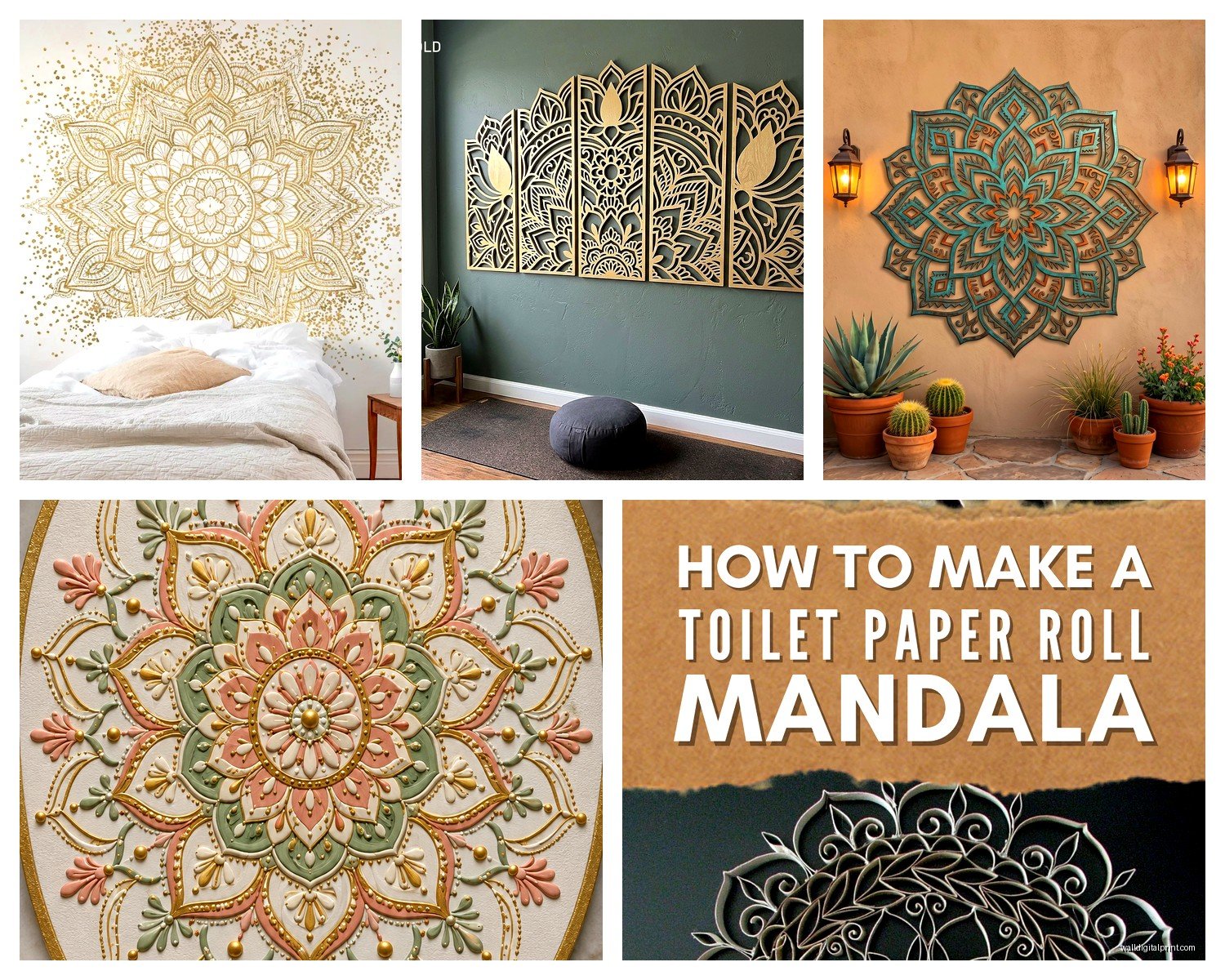
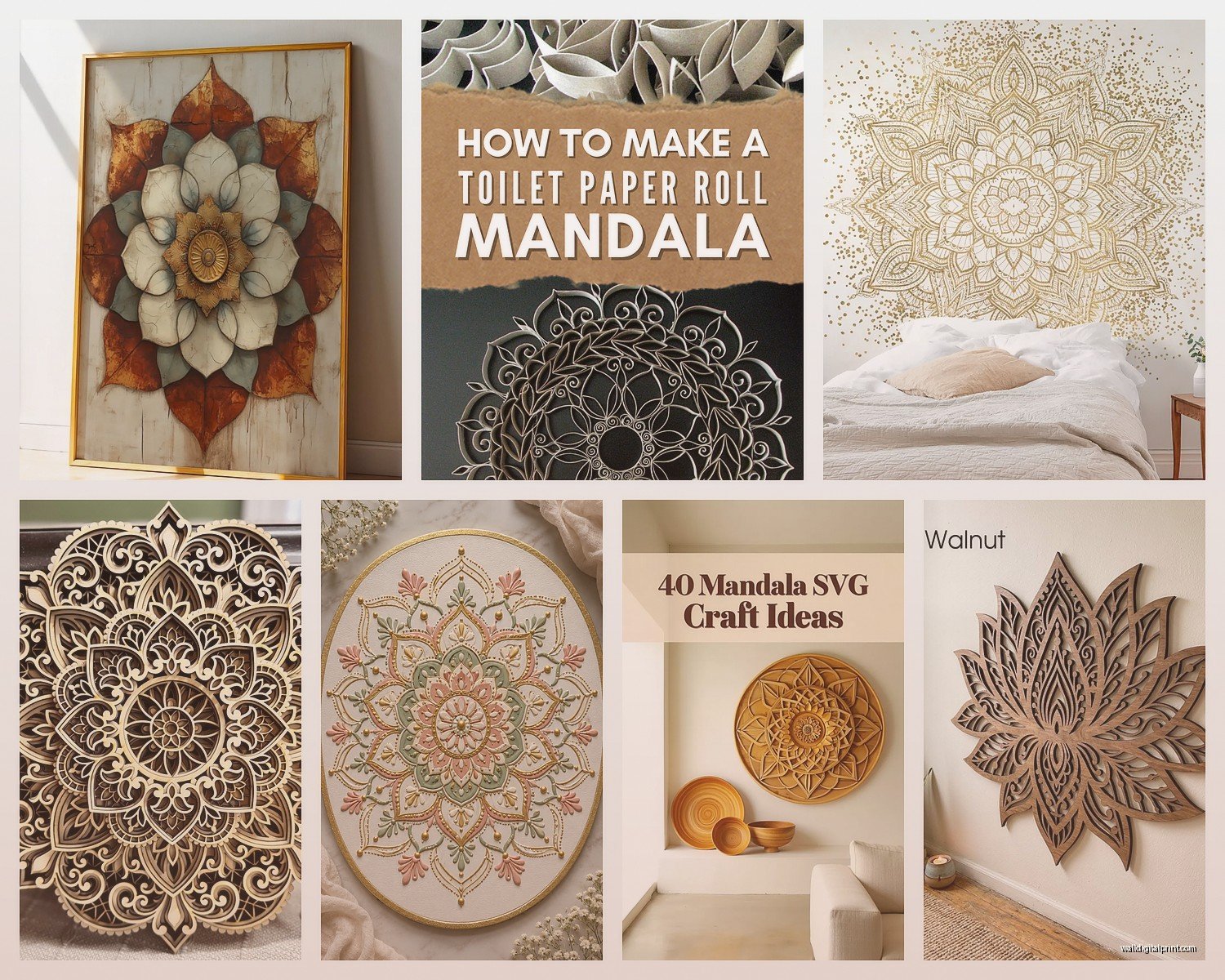
Above furniture like sofas or consoles, leave 6-8 inches of space between the furniture and the bottom of the mandala. Any less and it looks cramped, any more and they feel disconnected from each other.
Mixing Mandalas With Other Art
This is gonna sound weird but mandalas actually play really well with other art if you’re strategic. The circular shape provides nice contrast against rectangular pieces. I did a gallery wall once with a central mandala surrounded by four smaller rectangular prints and the geometry worked perfectly.
Don’t put two large mandalas on the same wall though unless they’re identical and you’re doing a symmetrical thing. Two different mandalas competing for attention is just chaos. Trust me I tried it in my living room and had to redo the whole wall.
You can mix mandala styles—like a floral mandala with a geometric one—but keep the colors coordinated. I have a purple lotus mandala and a purple sacred geometry mandala in the same room and they feel cohesive because of the color connection.
Lighting Makes or Breaks the Whole Thing
Natural light shows off the details beautifully but watch for direct sunlight which will fade colors over time. I learned this when a client’s gorgeous red mandala turned pinkish after a year in a south-facing window. UV-protective glass helps if you’re getting a framed version.
Picture lights mounted above the mandala create drama and work especially well with metallic or textured pieces. I installed one above a copper mandala and the way it catches the light is honestly mesmerizing.
Backlighting is next-level if you’re into that. You can put LED strips behind a mandala mounted on standoffs and it creates this floating effect with a subtle glow. I did this in a yoga studio and everyone loved it but it’s definitely more involved to install.
Avoid placing mandalas directly across from bright lights or windows because the glare will obscure the details. I had to move a framed mandala in my bedroom because the lamp reflection made it impossible to actually see the design.
Styles and What They Actually Mean
Lotus mandalas are everywhere right now and they symbolize purity and spiritual awakening supposedly. They tend to have softer, more organic petal shapes. Good for bedrooms and meditation spaces.
Geometric mandalas are all about sacred geometry—think triangles, hexagons, mathematical precision. These feel more modern and work well in contemporary spaces. I use these in offices and living rooms mostly.
Chakra mandalas incorporate the seven chakra colors and symbols. They’re definitely more spiritual/new age so know your audience. I wouldn’t put one in a corporate office but they’re perfect for wellness spaces.
Bohemian mandalas mix in other elements like feathers, dreamcatcher vibes, celestial symbols. These are super popular with the boho crowd and work in eclectic spaces with lots of textures and patterns.
DIY vs. Buying Pre-Made
I’ve tried painting my own mandalas using stencils and it’s… meditative but time-consuming. If you’re into crafts go for it, but honestly the pre-made options are so good now that I usually just buy them. There are some amazing artists on Etsy creating custom pieces.
Vinyl decals are an interesting middle ground. They’re way cheaper than printed art and you can apply them directly to the wall. Removal can be tricky though—I’ve had some peel off easily and others that took paint with them. Test a small corner first.
Projection painting is something I tried once where you project a mandala design onto the wall and trace it. My cat kept walking through the light beam though and I gave up after an hour. Maybe works better if you don’t have pets.
Budget Breakdown From Experience
You can find decent tapestries for $15-30 and honestly they look fine for what they are. I’ve bought several from Amazon and while they’re not heirloom quality they serve their purpose.
Canvas prints range wildly from $40 for mass-produced ones to $200+ for artist-made pieces. The mid-range around $80-120 is usually the sweet spot for quality that’ll last.
Metal prints start around $100 and go up fast. I’ve paid $300 for large custom metal mandalas and they’re worth it for high-impact spaces but definitely not necessary everywhere.
Original hand-painted pieces can run $500-2000+ depending on the artist. I’ve invested in a few of these and they’re special but again, not required to get the look.
Common Mistakes I See Constantly
Going too small is the biggest one. People are afraid of commitment so they buy a tiny mandala for a huge wall and it looks lost. Size up, seriously.
Hanging them crooked sounds obvious but circular designs make it REALLY obvious when they’re off-level. Use a laser level or at least a good bubble level and check from multiple angles.
Ignoring the ceiling height is another issue. In rooms with tall ceilings you need to scale up your art or it disappears. I saw an 8-foot ceiling with a 24-inch mandala and it looked perfect, then saw the same size in a 12-foot ceiling room and it was laughable.
Putting them in every room creates mandala overload. I love them but you gotta show some restraint. Pick 2-3 key spaces max unless you’re really committing to a specific aesthetic throughout your whole place.
Not considering your wall color is a missed opportunity. Light mandalas pop on dark walls, dark mandalas need light backgrounds. A white mandala on white walls is basically invisible which seems obvious but I’ve seen it happen.
wait I forgot to mention—if you’re doing a kids’ room or playroom, simpler mandala designs work better. The super intricate ones are too busy for spaces that already have a lot of visual stimulation from toys and stuff. I did a simple rainbow mandala in a playroom and it added color without adding chaos.
The whole mandala trend isn’t going anywhere based on what I’m seeing, and honestly they’re one of those things that can work in almost any style if you choose thoughtfully. Just start with one, see how you feel about it, and go from there. Way easier to add more than to fill a wall and realize you hate it.
