Wall Art Guide, Wall Art Tutoriels
Tree of Life Wall Art: Symbolic Spiritual Designs
Jul
So I’ve been totally obsessed with tree of life wall art lately and honestly it started because a client asked me to find something “spiritual but not too woo-woo” for their meditation corner and I fell down this massive rabbit hole. Let me tell you what I’ve actually learned from hanging these things in like seven different spaces now.
The Whole Metal vs Wood vs Canvas Thing
Okay so first thing – material matters way more than I thought it would. Metal tree of life pieces are gorgeous and they photograph really well for Instagram, but here’s what nobody tells you: they’re HEAVY. Like I nearly dropped one on my foot heavy. You’re gonna need proper wall anchors, not just those sad little nails that come in the package. I use toggle bolts for anything over 5 pounds now because I learned that lesson the hard way when a piece crashed down at 2am and scared my cat so badly she didn’t come out from under the bed for hours.
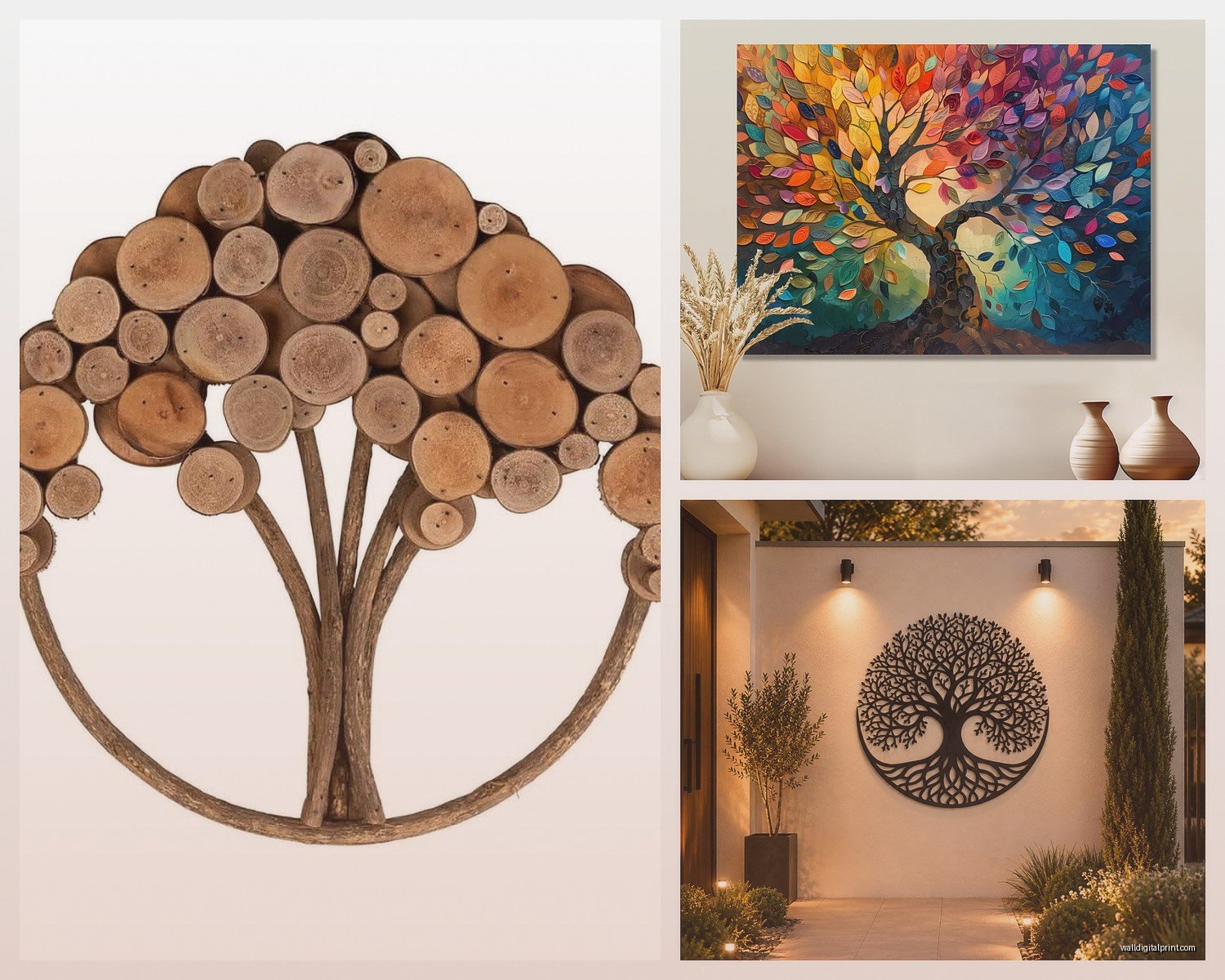
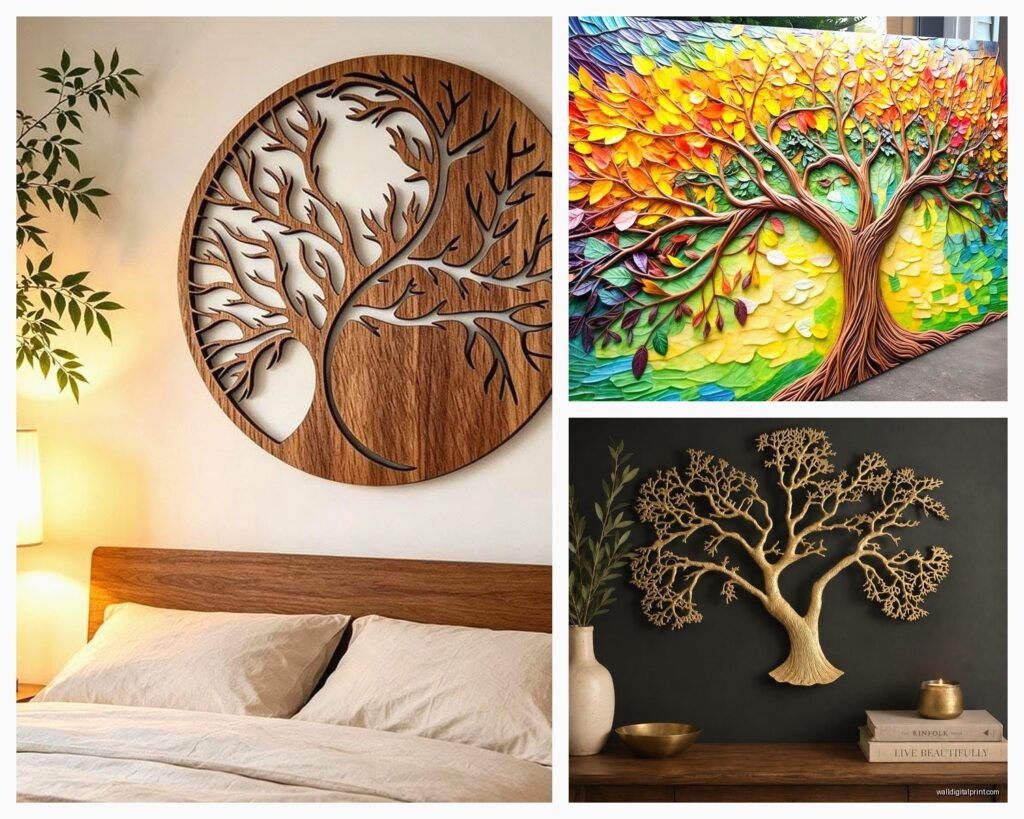
Wood versions are actually my favorite for most spaces because they have this warmth that metal just doesn’t. The carved ones especially – there’s something about the texture that makes them feel more organic. But you gotta watch out for the really cheap laser-cut ones that splinter. I ordered one off Amazon once that looked amazing in photos but arrived smelling like burnt wood and had rough edges everywhere. Not cute.
Canvas prints are the easiest to hang obviously, but they can look kinda flat unless you get one with really good color saturation or metallic accents. I’ve found the ones with gold leaf details actually work better than straight prints.
Size and Scale Because Everyone Gets This Wrong
This is gonna sound weird but I actually measure spaces with my arms now before buying anything. Like if I can spread my arms and touch both sides of the wall, it’s probably a 6-8 foot span and needs something at least 30 inches wide to not look sad and tiny.
The biggest mistake I see people make is going too small. That cute 12-inch tree of life you found? It’s gonna look like a postage stamp on your living room wall. I usually tell people to aim for pieces that take up about 2/3 of the wall width where you’re planning to hang it.
For above a bed or couch, you want the art to be roughly the same width as the furniture or maybe slightly smaller. I hung a massive 48-inch metal tree above my friend’s queen bed last month and it looks perfect – fills the space without overwhelming it.
Oh and another thing – if you’re putting it in a room with high ceilings, go vertical. Those tall narrow tree designs work so much better than wide horizontal ones in spaces with 10+ foot ceilings.
Color Psychology Stuff That Actually Matters
So different colored tree of life pieces give totally different vibes and this actually affects how the room feels, not just how it looks. The gold and bronze ones feel luxe and warm – I use these in living rooms and bedrooms where people wanna relax. They catch light really beautifully during golden hour which is chef’s kiss for photos.
Silver and white trees feel more modern and clean. These work great in minimalist spaces or rooms with lots of white and grey. I put a silver tree in a yoga studio once and it totally elevated the whole space.
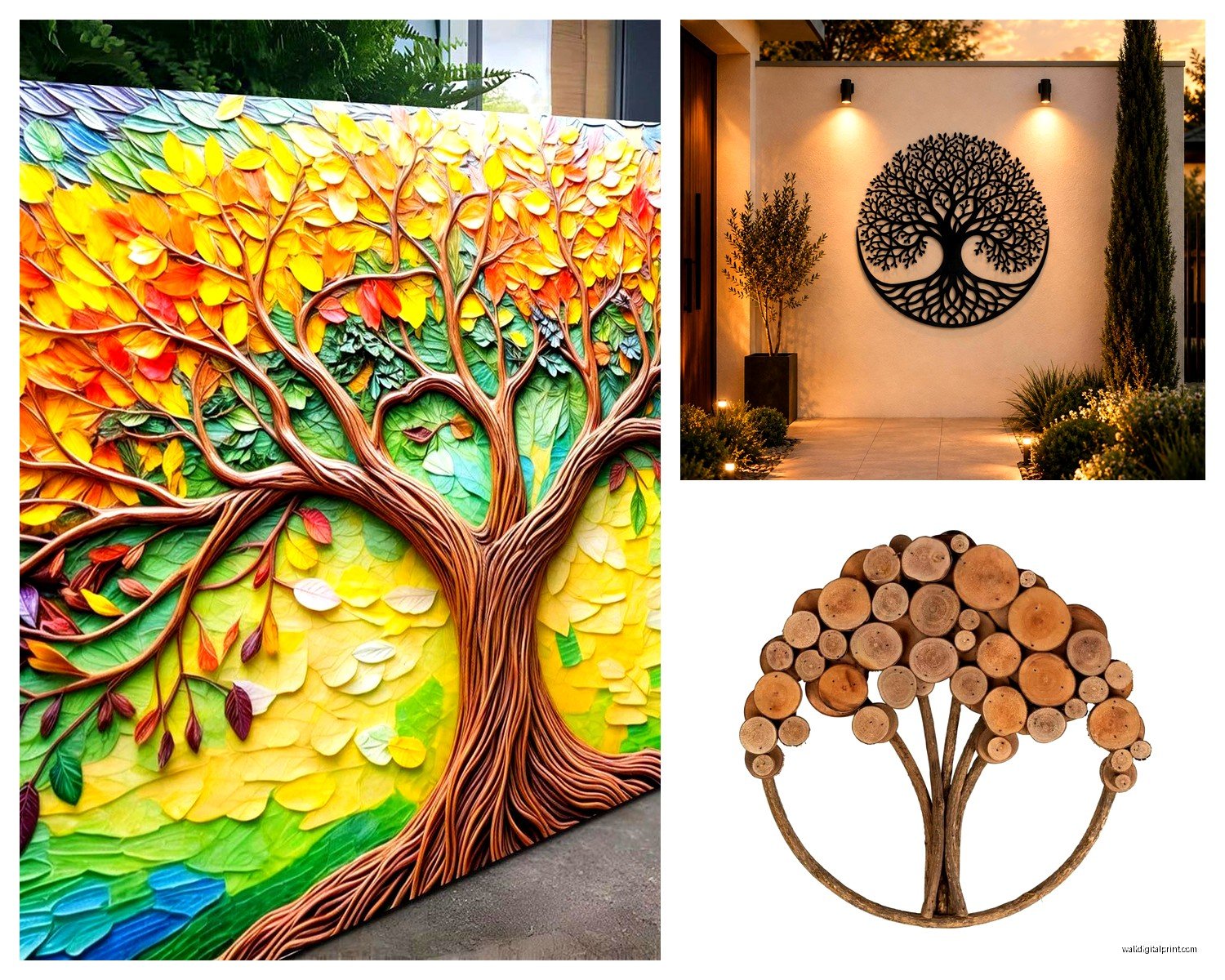
The multicolored chakra trees with rainbow leaves are… look they’re divisive. Some people love them, some think they’re too much. I personally think they work best in dedicated meditation or creative spaces where you’re already going for that spiritual energy vibe. They’d look weird in a formal dining room but perfect in a studio apartment where someone practices yoga.
Black metal trees are super versatile actually. They work in literally any color scheme and have this elegant gothic-ish quality without being dark or heavy. I’ve used these in both modern and traditional spaces successfully.
The Symbolism Part For When People Ask
Okay so people always ask me about the meaning and I’m not like a spiritual guru or anything but here’s what I’ve picked up. The tree of life represents interconnectedness – roots going down, branches going up, the whole circle of life thing. Different cultures have their own versions.
Celtic tree of life designs usually have that intricate knotwork and represent balance between worlds. These are the ones with really detailed intertwining branches and roots that form patterns. They’re beautiful but visually busy, so I don’t recommend them for rooms that already have lots going on.
The Norse Yggdrasil version is more dramatic – bigger trunk, spreading branches, sometimes with ravens or other symbols. These read as more masculine energy if that makes sense? I use them in offices and dens more than bedrooms.
Buddhist and Hindu versions sometimes include the Bodhi tree elements or have more symmetrical mandala-like qualities. These feel the most meditative to me.
Wait I forgot to mention – some tree of life art includes roots that mirror the branches creating a perfect circle, while others have the tree growing from a base. The circular ones feel more complete and whole, better for meditation spaces. The grounded ones with visible earth feel more… stable? I guess? Better for entryways and living areas.
Where to Actually Hang These Things
So beyond just “on a wall” which yeah obviously, there are spots where tree of life art really shines. Above the bed is classic for a reason – you see it before you sleep and when you wake up. There’s something centering about that.
Behind a meditation cushion or yoga mat area is perfect. Even if you don’t meditate regularly, having a focal point for when you do makes the practice feel more intentional.
In entryways they work as a kind of welcoming symbol – that whole “roots and growth” metaphor for home. I hung one in my own entryway and honestly I do feel like it sets a tone when people walk in.
Living room above the couch is obvious but effective. It becomes a conversation piece without being weird or forcing spirituality on guests who aren’t into that.
Dining rooms can work if the design isn’t too intricate – you don’t want people staring at complicated knotwork while they’re trying to eat and talk. Simpler silhouettes work better here.
Combining With Other Decor
This is where it gets fun actually. Tree of life art works surprisingly well with other elements if you’re thoughtful about it. I’ve paired them with:
- String lights or fairy lights wrapped around metal branches – gives it this magical quality at night
- Floating shelves on either side with plants and crystals – brings the nature theme into 3D space
- Macrame wall hangings below or beside – the textures complement each other
- Simple geometric art pieces for contrast – keeps it from getting too organic/chaotic
- Mirrors nearby to reflect and multiply the design
What doesn’t work: trying to mix multiple tree of life pieces in one room. It’s too much. One statement piece is enough. I learned this when a client insisted on three different trees and their living room ended up looking like a forest threw up on their walls.
The Lighting Situation
Nobody talks about this enough but lighting makes or breaks these pieces. Metal trees especially need good lighting to show dimension. I always add a picture light above or use track lighting to highlight them. Without proper lighting, metal just looks flat and dark.
For backlit effects, you can mount LED strip lights behind the piece if there’s space between the art and the wall. This creates a halo effect that’s super dramatic at night. I did this with a wooden tree cutout in my bedroom and my partner was initially skeptical but now admits it’s actually really cool.
Natural light is obviously ideal but be careful with direct sunlight on canvas or painted pieces – they’ll fade over time. I learned this the hard way with a beautiful watercolor tree print that went from vibrant to washed out in like six months.
Budget Reality Check
Okay so prices are all over the place. You can find small canvas prints for like $20-30 on Amazon or Etsy. Mid-range metal pieces run $80-200 depending on size. High-end handcrafted wooden or forged metal trees can go $300-1000+.
My honest take: the mid-range stuff is usually your best bet. The super cheap pieces often look cheap – thin metal, bad printing, whatever. But unless you’re a serious collector or have money to burn, you don’t need the $800 artisan piece either.
I’ve found really good quality on Etsy from makers who do custom sizing. Yeah it’s more expensive than Amazon but the quality difference is noticeable and you’re supporting actual artists. Plus you can usually request specific color finishes or dimensions.
Installation Tips Nobody Tells You
Use a level. I know this seems obvious but I’ve seen so many crooked trees and it ruins the whole zen vibe when something meant to represent balance is visibly tilted.
For heavy metal pieces, find the studs in your wall or use heavy-duty anchors. Seriously I cannot stress this enough. Drywall alone will not hold a 15-pound metal tree and you’ll end up with holes to patch and possibly broken art.
If you’re renting and can’t put big holes in walls, command strips actually work for lighter canvas pieces up to about 5 pounds. I’ve tested this extensively because I move a lot.
Leave some breathing room – don’t hang it right up against the ceiling or squished into a corner. Trees need space conceptually and visually.
Cleaning and Maintenance
Dust is your enemy especially with intricate metalwork. I use a soft paintbrush or one of those Swiffer dusters to get into all the little branches and curves. Do this like once a month or it builds up and looks grey and sad.
Wood pieces sometimes need a light application of wood polish or conditioning oil once a year to keep them from drying out. Just test in an inconspicuous spot first.
Canvas should be dusted gently – don’t use water or cleaning solutions unless you know it’s sealed properly. I made that mistake once and smeared a print. Not fun.
Style Matching
Modern minimalist spaces: go for simple silhouettes in single colors, clean lines, maybe geometric leaf shapes rather than organic flowing ones
Bohemian vibes: multicolored trees, mixed materials, ones with beads or crystals incorporated, the more detail the better honestly
Rustic farmhouse: wooden trees, especially reclaimed wood or distressed finishes, neutral colors
Industrial: black metal trees with architectural qualities, strong geometric elements
Traditional: Celtic knotwork designs, rich wood tones, classic symmetrical compositions
The tree of life is actually one of the most versatile symbols because it spans cultures and design styles. I’ve successfully incorporated them into everything from ultra-modern lofts to cozy cottages.
Oh and if you’re worried about it being “too spiritual” for guests or whatever – most people just see it as nature art unless you specifically call out the symbolism. My very practical engineer brother has one in his house and just thinks it’s a cool tree design. So don’t overthink it.
One last thing – trust your gut on which design speaks to you. I know that sounds corny but these pieces are meant to be meaningful, so if you’re drawn to a specific style or color or material, that’s probably the right one for your space. I spent weeks overthinking which tree to get for my own meditation corner and finally just bought the one I kept coming back to in my browser tabs, and it was the right call.