Wall Art Guide, Wall Art Tutoriels
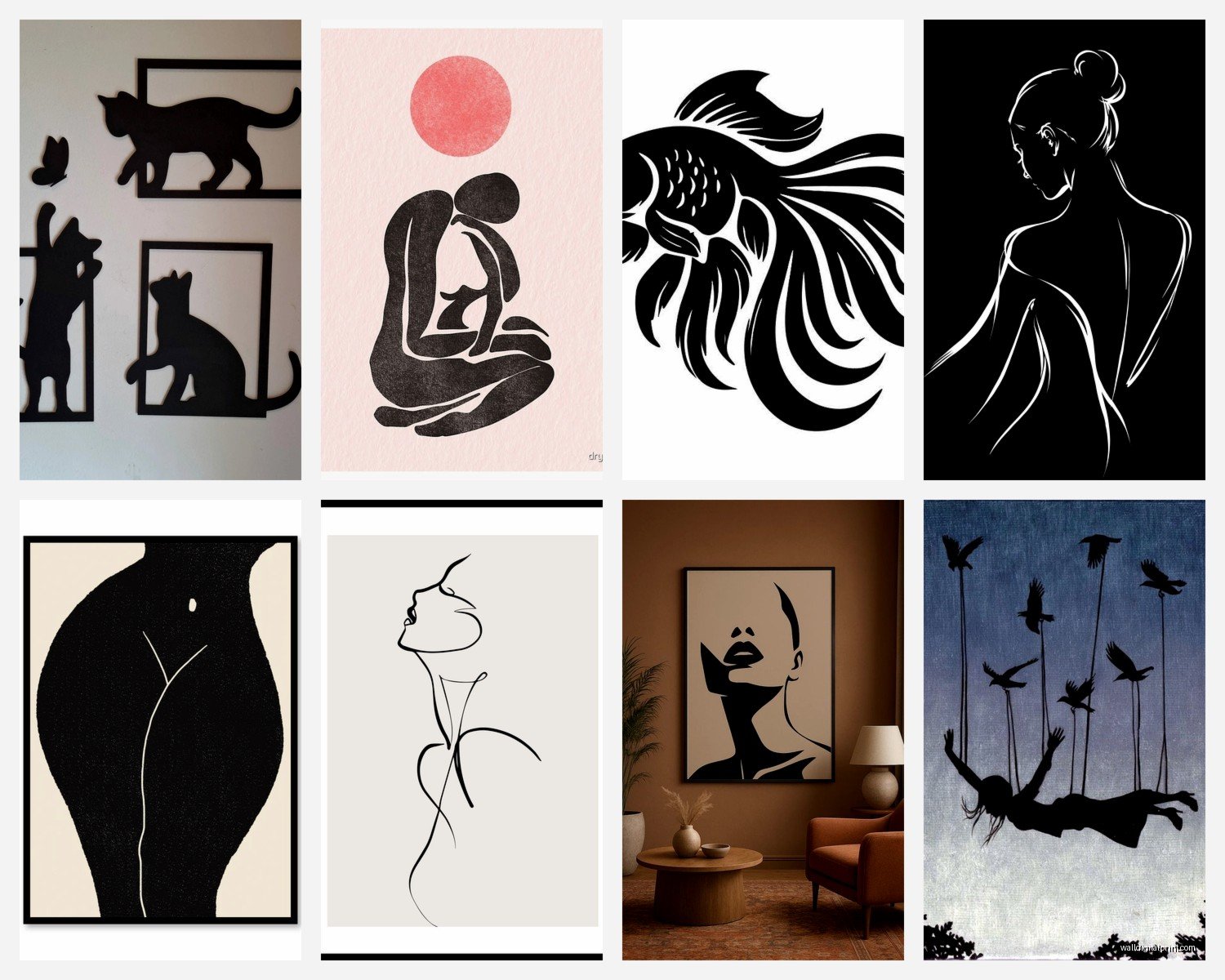
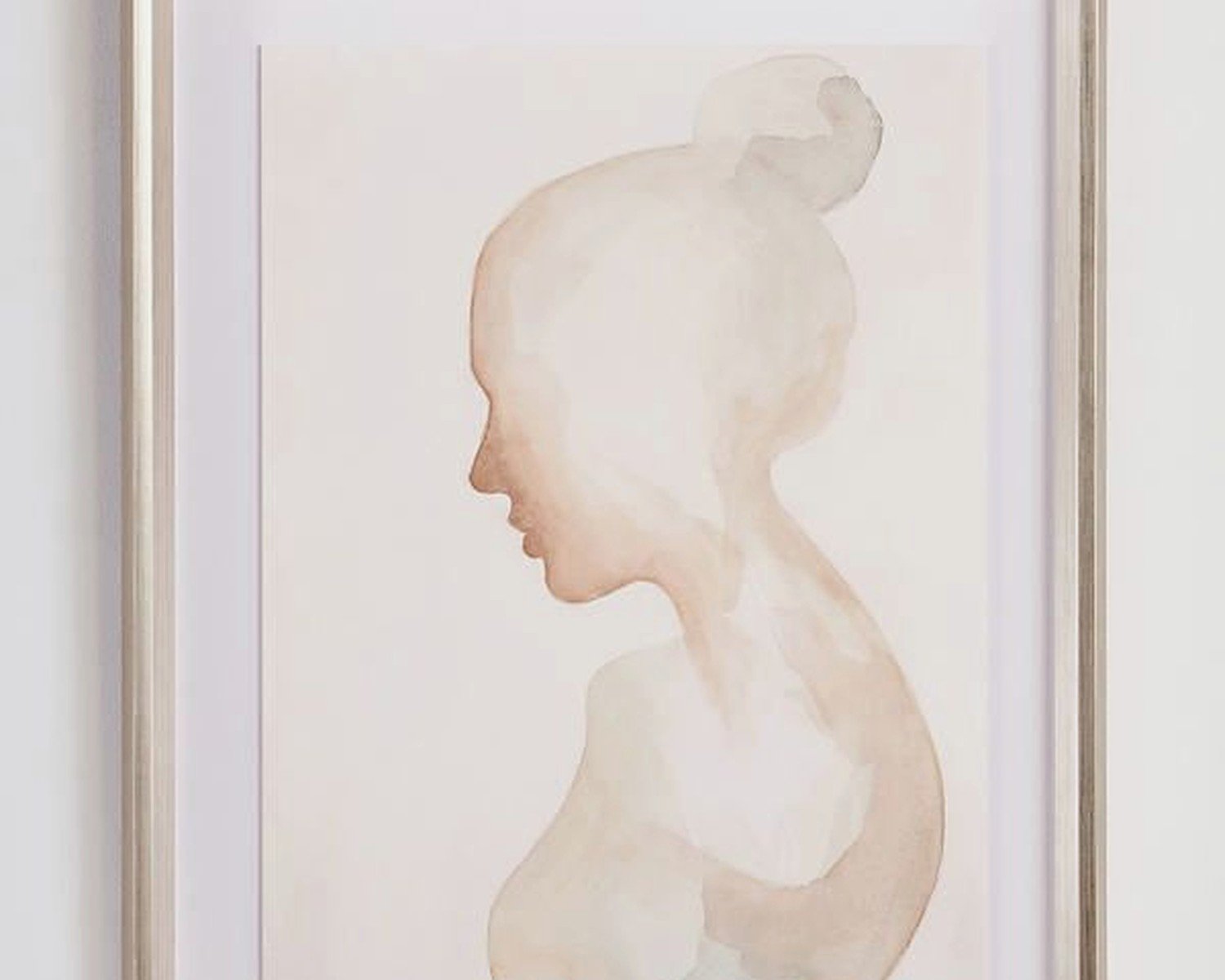
Silhouette Wall Art: Shadow Outline Profile Black Designs
Jun
So I’ve been working with silhouette wall art for like three years now and honestly it’s one of those things that looks so simple but there’s actually a bunch of stuff that can go wrong if you don’t know what you’re doing. Let me just dump everything I know because I literally just finished installing a whole gallery wall of these in a client’s hallway last week.
Size is Everything and Everyone Gets It Wrong
Okay first thing – people always buy them too small. Like, you’ll see a cute 8×10 profile silhouette online and think it’ll look great above your couch and then it arrives and it just looks… sad? The rule I use is if you’re putting it above furniture, the art should be at least two-thirds the width of the furniture piece. So for a standard couch that’s like 84 inches, you want your art or art grouping to be at least 56 inches wide.
For single silhouettes, I rarely go smaller than 16×20 unless it’s part of a gallery wall. The 24×36 size is honestly the sweet spot for most rooms. My cat knocked over my coffee while I was measuring one of these yesterday and I just… anyway, bigger is better with silhouettes because the whole point is that bold graphic impact.
Material Choices Actually Matter
You’ve got basically four options and they all behave differently:
Vinyl decals – These are the ones you stick directly on the wall. Super affordable, like $15-40 depending on size. They look really crisp and modern but here’s the thing… if you have textured walls they’re gonna be a nightmare. I learned this the hard way in a rental with that knockdown texture. The edges kept lifting and it looked terrible. Also removing them can take paint with them sometimes, which is fun when you’re trying to get your deposit back.
Framed prints – This is what I recommend most people start with. You can find them on Etsy, Amazon, even Target now. The black on white ones are classic but I’ve been seeing more of the reverse – white silhouettes on black backgrounds – which looks insanely dramatic in the right space. Price range is like $30-150 depending on if you want a real frame or just a poster frame.
Metal cutouts – These are having a moment right now. They’re laser-cut metal that you mount with spacers so they float off the wall a bit. They cast actual shadows which is cool because the shadow changes throughout the day with the light. But they’re pricey, starting around $80 and going up to like $300 for larger pieces. Worth it if you’re committing to a space long-term.
Canvas prints – Personally not my favorite for silhouettes because the texture of canvas kinda fights against the clean lines you want, but some people love them. They’re usually $40-100.
Where to Actually Buy Them
Etsy is gonna be your best bet for custom work – you can literally send someone a photo and they’ll turn it into a silhouette. I’ve used ShopCreativeDesigns and ModernPrintableArt and both were good. Response time varies wildly though.
Amazon has a ton of generic profile silhouettes if you just want the aesthetic without the personal touch. Search “cameo silhouette wall art” and you’ll find hundreds. Quality is hit or miss – read the reviews about framing quality.
Society6 and Minted have more artistic interpretations if you want something less literal. The prices are higher but the designs are more unique.
Installation Tips That’ll Save You
Oh and another thing – hanging these is weirdly trickier than regular art because the visual weight is all on one side usually. Like if you’re hanging a profile facing right, it’s gonna feel off-center even when it’s mathematically centered.
What I do is hang them so there’s more space in the direction the profile is facing. So if someone’s facing right, I shift the whole thing slightly left on the wall. It sounds backwards but it balances the visual weight. Your eye needs somewhere to go.
For height, the standard rule is center of the art at 57-60 inches from the floor, which is average eye level. But in hallways I go slightly higher, like 60-62 inches, because people are usually walking through and viewing from a distance.
Color and Contrast Situations
Black silhouettes on white backgrounds work on basically any wall color except… black walls obviously. But here’s where it gets interesting – they look completely different depending on your wall color:
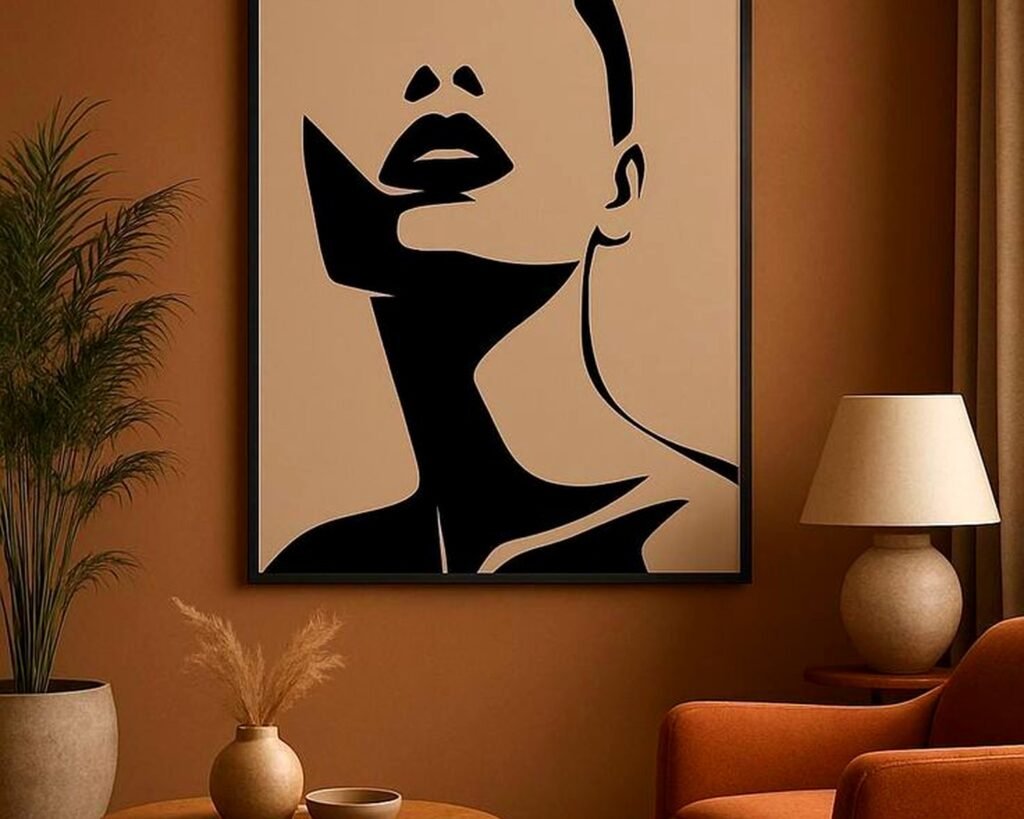
On white walls they’re subtle and elegant but can disappear if the lighting is flat. On gray walls they have more presence. On colored walls (I just did a dusty blue bedroom) they become this really strong focal point.
If you have dark walls, you gotta go with white or metallic silhouettes. I did gold metallic ones in a charcoal dining room last month and it was *chef’s kiss*. The client wasn’t sure at first but then she saw it and immediately ordered three more.
Mixing Profiles in Gallery Walls
This is gonna sound weird but I have a whole system for this. When you’re doing multiple silhouettes together, you want variation in the direction they’re facing AND the size of the profiles within the frames.
Like, three profiles all facing the same direction looks like they’re in line at the DMV. But if you have them facing each other or looking in different directions, it creates this conversation between the pieces.
I usually do odd numbers – 3, 5, or 7 pieces. And I’ll mix frame sizes but keep the mat and frame style consistent. So maybe three 16x20s and two 11x14s, all in black frames with white mats.
The spacing between frames should be consistent – I use 2-3 inches usually. Lay it all out on the floor first, take a picture, then map it on the wall with painter’s tape. Cannot stress this enough because I’ve watched people just start hammering nails and it never ends well.
Style Combinations That Work
Okay so silhouette art is super versatile but it doesn’t work with everything. Here’s what I’ve found actually works:
Traditional spaces – Framed cameo-style profiles in oval frames. Very Jane Austen. These look amazing in entryways or above mantels. Pair them with other classical elements like botanical prints or architectural drawings.
Modern minimalist – Single large-scale profile, very clean lines, probably in a thin black frame or frameless. This is the gallery look. Keep everything else in the room simple or it’ll compete.
Eclectic/maximalist – Multiple silhouettes mixed with other art styles. I did this in my own living room actually – silhouettes mixed with vintage maps and abstract pieces. The key is keeping a consistent color palette even if the styles vary.
Scandinavian – Black and white profiles with light wood frames. Very hygge or whatever we’re calling it now. These work great in bedrooms and reading nooks.
What doesn’t work: trying to mix silhouettes with super ornate gilt frames unless you’re going full Victorian. It just looks confused.
Custom Silhouettes From Photos
Wait I forgot to mention – if you’re getting custom ones made from photos, the photo quality matters SO much. You want a clear side profile, good contrast, and the person shouldn’t be wearing glasses because those are hard to translate into silhouettes.
Best lighting is natural light from a window, subject turned exactly 90 degrees. I have clients take like 20 photos and then I pick the best one to send to the artist. Hair can be tricky too – if someone has really fine hair it might not show up well in the silhouette, so sometimes we enhance it a bit.
Price for custom work is usually $25-75 for the digital file, then you pay separately for printing and framing. Total cost ends up around $80-150 for a nice framed piece.
Room-Specific Recommendations
Entryways – This is prime silhouette territory. I love doing family profiles here, everyone facing the same direction like they’re looking into the home. Or a single dramatic oversized profile as a statement piece.
Bedrooms – Couples’ silhouettes facing each other above the bed is romantic without being cheesy. Or a single profile above a dresser. Keep these more intimate in scale.
Hallways – Gallery walls of multiple profiles work great here. You’ve got the length to spread things out. I did a hallway recently with seven different family member profiles and it tells this whole story as you walk down it.
Living rooms – Above the sofa is obvious but also consider above a console table or as part of a larger gallery wall. These rooms can handle bigger, bolder pieces.
Bathrooms – Okay this sounds random but small vintage-style cameo silhouettes in bathrooms are actually really charming. Just make sure they’re properly sealed if you have a steamy bathroom.
The Shadow Box Trend
Oh and another thing that’s been popping up – shadow boxes with three-dimensional silhouette cutouts. These have actual depth, like the silhouette is cut from thick paper or wood and mounted with spacers inside a deep frame. They’re more expensive (starting around $120) but the depth adds this whole other dimension. Literally.
The shadows inside the box change with the lighting which is cool, and they work really well in modern spaces. I’m obsessed with them for kids’ rooms actually – you can do fairy tale characters or animals.
Common Mistakes to Avoid
Hanging them too high – I see this constantly. People treat them like they’re precious artifacts that need to be up near the ceiling. Bring them down to eye level.
Using wire hangers on lightweight frames – just use sawtooth hangers or command strips. The wire makes it harder to get them level and they always end up tilted.
Not considering the negative space – the empty space around a silhouette is part of the composition. Don’t crowd them with other stuff.
Buying pre-made family silhouettes that don’t actually look like your family – this is weirdly specific but I’ve seen it. Someone buys a “family of four” silhouette set and none of the proportions match their actual family and it just feels off.
Mixing too many frame styles when you’re doing multiples – stick to one frame style even if you vary the sizes.
DIY Options If You’re Crafty
You can totally make these yourself if you’re into that. Take a profile photo, import it into a free program like GIMP or even PowerPoint, convert it to high contrast black and white, trace the outline, print it on cardstock, and frame it. I’ve done this and it’s time-consuming but satisfying.
Or if you have a Cricut or Silhouette cutting machine (ironically named), you can cut them from vinyl or cardstock. There are tons of tutorials on YouTube.
The handmade ones have this slightly imperfect quality that can actually be really charming, especially if you’re going for a more personal, less polished look.
Honestly the biggest thing with silhouette wall art is just committing to the scale and placement. I see so many people buy these beautiful pieces and then hang them tentatively, too small, too high, too safe. Go bigger than you think, place them deliberately, and they’ll transform a space. They’re like $40 worth of paper and frame but they read as way more expensive and considered when you do them right.