Wall Art Guide, Wall Art Tutoriels
Stag Wall Art: Deer Antlers Woodland Highland Hunting
Aug
So I’ve been obsessing over stag wall art lately because honestly, my own living room needed something and I fell down this whole rabbit hole of antler designs and woodland aesthetics. Let me just dump everything I’ve learned because choosing the right piece is actually trickier than you’d think.
Figuring Out What Style Actually Works
Okay so first thing, stag art comes in like a million different vibes. You’ve got your realistic photography prints, the geometric line drawings, vintage hunting lodge stuff, watercolor illustrations, metal sculptures, and then these modern minimalist silhouettes. I spent three hours one night just scrolling through options while my cat knocked over a plant and I basically ignored the mess because I was so focused.
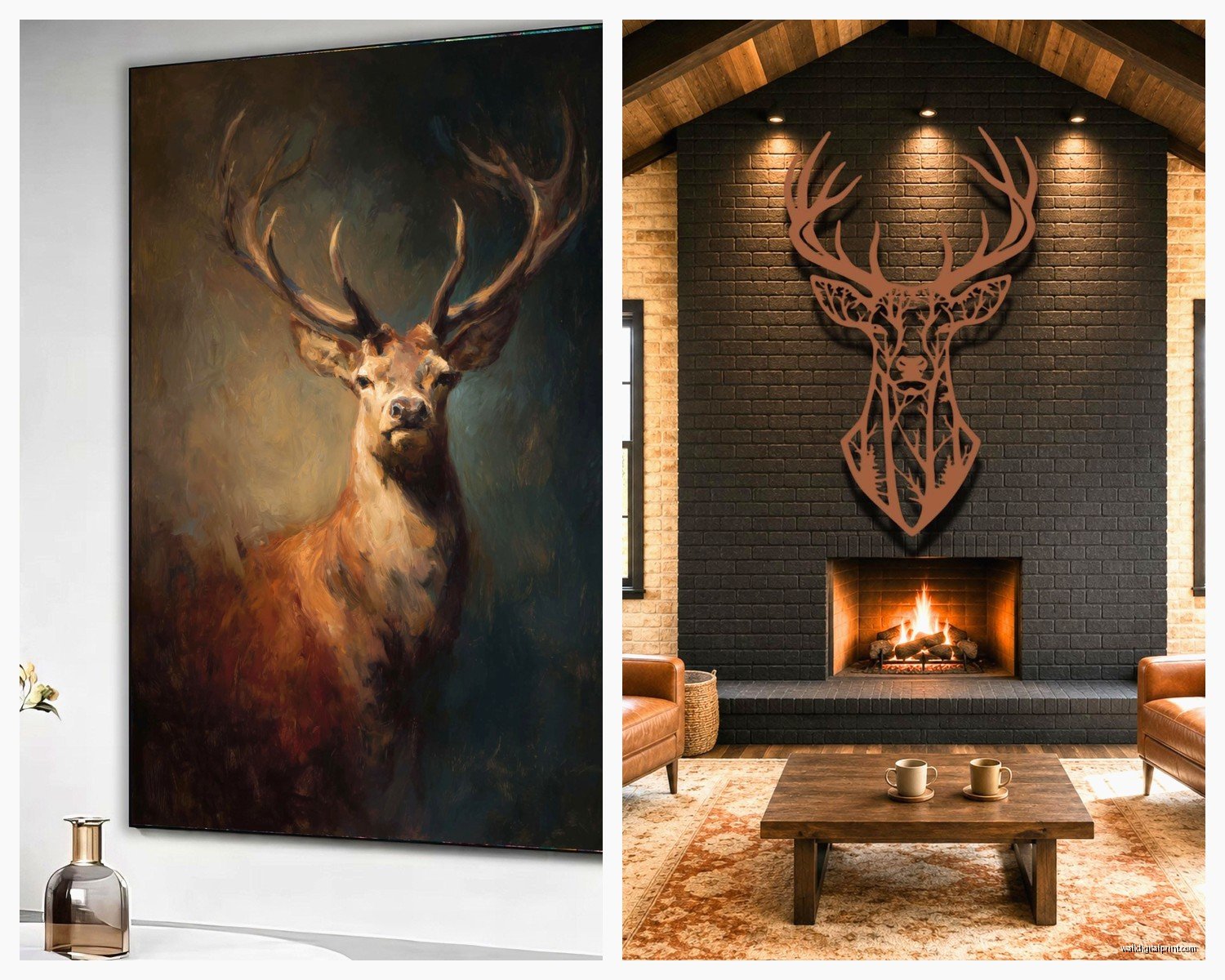
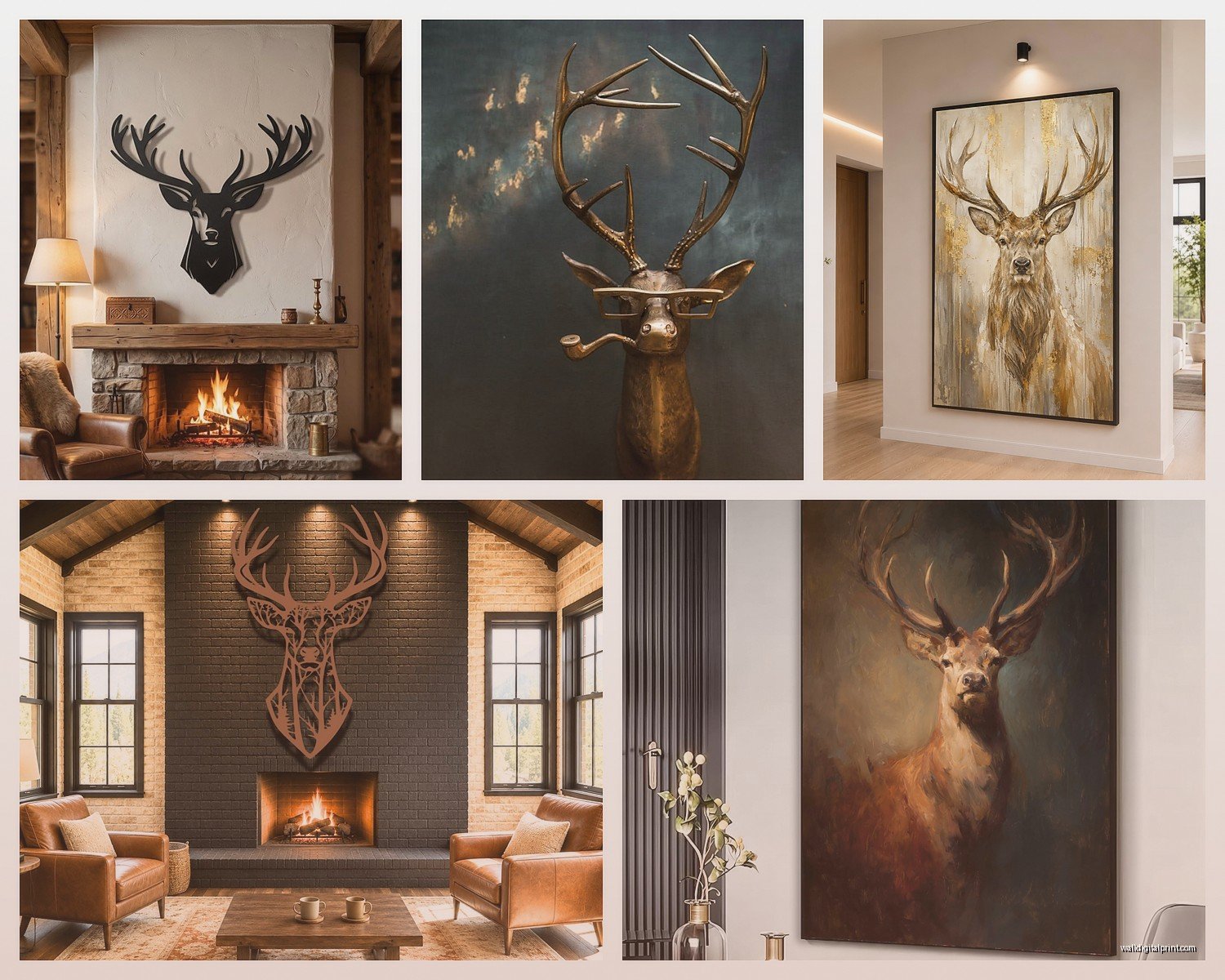
The realistic photography ones work amazing if you’re going for that full woodland cabin aesthetic. Like actual Highland stag photos with misty backgrounds and dramatic lighting. But here’s the thing I learned the hard way, they can read really dark on your wall if you don’t have enough natural light in the room. My client has this gorgeous print of a stag in the Scottish Highlands and it looks incredible in her sunroom but would’ve been totally lost in a darker hallway.
Geometric and line art versions are super versatile though. They work with modern spaces, Scandinavian design, even industrial lofts. I’ve used a simple black line drawing of antlers in a minimalist bedroom and it was perfect. The negative space actually matters more than the design itself sometimes.
Size Matters Way More Than You Think
This is gonna sound obvious but I see people mess this up constantly. That print that looks substantial online might show up and be like, disappointingly small on your actual wall. I always tell people to tape out the dimensions with painter’s tape before ordering anything.
For above a sofa, you want something that’s at least two-thirds the width of the furniture. So if your couch is 90 inches, you’re looking at 60 inches minimum for the art. But with stag designs, especially ones with antlers spreading wide, you can sometimes go a bit smaller because the antlers create visual width that extends beyond the frame.
Statement pieces over a fireplace or in an entryway, go big. Like 40×60 inches minimum. I hung a massive stag head silhouette in my own entryway and it’s 48×36 and honestly I wish I’d gone even bigger.
The Gallery Wall Approach
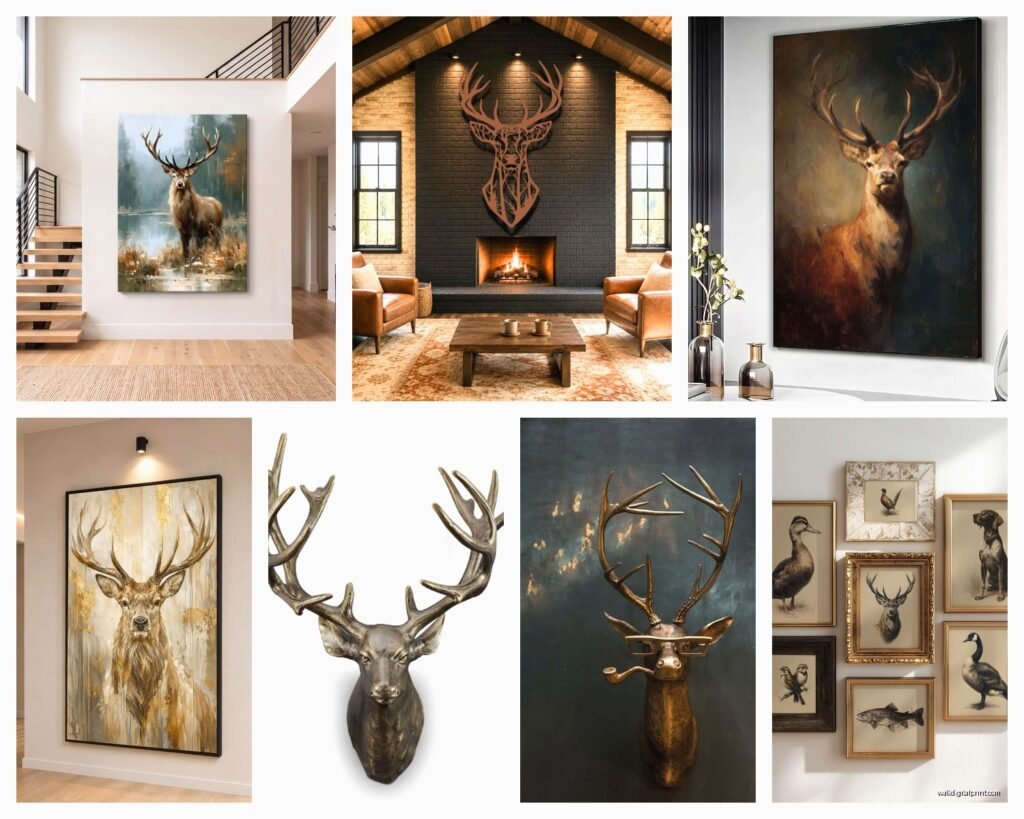
Wait I forgot to mention, if you’re not ready to commit to one large piece, doing a gallery wall with multiple smaller stag prints works really well. Mix different styles, like a photograph with a line drawing with maybe some antler shed illustrations. Keep them in the same color family though. I did one with all black and white prints in different frame styles and it looked way more curated than matchy-matchy frames would’ve.
Materials and Finishes You’ll Actually Encounter
Canvas prints are the most common and they’re fine, honestly. They’re lightweight, don’t need glass, and you can find them everywhere. But the quality varies wildly. Cheap canvas prints look flat and the colors fade fast. If you’re going canvas, make sure it’s at least 1.5 inches deep so it has some presence on the wall.
Framed prints under glass give you more protection and often look more polished. The glass adds depth and the frame can tie into your existing decor. Matte vs glossy glass is a whole thing, matte reduces glare but can slightly dull colors, glossy makes colors pop but you’ll see reflections. I usually go matte in rooms with lots of windows.
Metal prints are having a moment right now. They’re printed directly onto aluminum and have this cool modern look. Super durable, colors are vibrant, and they work great with industrial or contemporary spaces. I used a metal stag print in a client’s office and it’s still perfect three years later.
Wood and Mixed Media Options
Carved wood stag heads or antler designs are beautiful if you want texture. They add dimension that flat prints can’t match. But they’re heavier and more expensive. I’ve got a carved wooden stag silhouette that I picked up at a craft fair and it’s one of my favorite pieces.
There’s also these laser-cut wooden designs that are super popular right now. They’re like layered wood pieces that create a 3D effect. Really cool for modern spaces but they collect dust like crazy, just FYI.
Color Schemes That Actually Work
Most stag art skews neutral, which is actually great because it means it’ll work with whatever color scheme you’re running. Black and white is obviously the safest, works everywhere, never looks dated.
But don’t sleep on color options. Watercolor stag prints with blues and greens are gorgeous in bedrooms or bathrooms. I saw one with rust orange and deep teal that was stunning in a bohemian living room. Sepia-toned vintage hunting prints work amazing in traditional spaces or if you’re going for that English countryside manor vibe.
Oh and another thing, metallics. Gold or copper antler prints can add warmth to a space. Silver or pewter tones read more modern and cool. I’ve mixed gold-framed stag prints with warm wood tones and it totally elevated the whole room.
Where to Actually Hang This Stuff
Living rooms are the obvious choice, especially above the sofa or fireplace. But I’ve put stag art in so many unexpected places and it works great.
Bedrooms, particularly above the bed, especially if you’re going for that cozy cabin retreat feeling. Keep it calming though, not like an aggressive hunting scene unless that’s your thing.
Dining rooms can handle more dramatic pieces. A large stag portrait or antler design makes a statement without being too personal like family photos would be.
Home offices need art that feels sophisticated, and a well-chosen stag print hits that mark. It’s nature-inspired but still professional.
Even bathrooms, I’ve done small antler prints in powder rooms and they look surprisingly good. Just make sure they’re properly sealed if it’s a steamy bathroom.
The Hunting Lodge Aesthetic vs Modern Woodland
This is where people get confused because there’s two very different directions you can go.
Traditional hunting lodge style means vintage prints, maybe taxidermy-inspired pieces, rich wood frames, darker colors, that whole Scottish Highland manor thing. It pairs with leather furniture, plaid textiles, dark wood. It’s masculine and cozy and works great in dens or mountain homes.
Modern woodland is lighter, more Scandinavian-influenced. Think simple line drawings, neutral palettes, mixed with plants and natural textures. It’s the Pinterest version of cabin decor. Less about hunting and more about nature appreciation. This works in urban apartments and contemporary homes.
I personally lean more modern woodland because it’s more versatile, but I’ve got clients who go full traditional and it looks amazing in the right space.
Mixing with Other Decor Elements
Stag art works really well with certain other elements. Layer it with actual antler decor but don’t go overboard, like one set of real antlers on a shelf plus stag wall art is good, ten antler pieces is too much.
Pair with other woodland animals but keep it cohesive. Stag, bear, and owl prints together tell a story. Stag, tropical birds, and penguins… not so much.
Natural materials echo the theme. Wood furniture, stone accents, wool textiles, leather, all that stuff reinforces the woodland vibe without being too literal.
Quality Markers to Look For
Okay so when you’re actually shopping, here’s what separates good from meh.
Print quality matters hugely. Look for high-resolution images, at least 300 DPI if it’s mentioned. Colors should be rich and details should be sharp. If you can see pixelation in the product photos, it’s gonna look worse in person.
Canvas should be thick and taut. Cheap canvas sags and wrinkles. Gallery-wrapped edges (where the image wraps around the sides) look more finished than white edges.
Frames should be solid wood or quality metal, not flimsy plastic. Check corner construction, they should be tight and secure.
For metal or wood pieces, the finish should be even without rough patches or inconsistencies.
Where I Actually Shop for This Stuff
Etsy has tons of independent artists selling prints and you can find really unique pieces. Just read reviews carefully and check their return policy. I’ve found some amazing custom pieces there.
Society6 and Redbubble are good for modern designs from independent artists. Quality is generally decent and they have lots of size options.
West Elm and CB2 carry stag art sometimes, usually more modern styles. Pricier but good quality.
HomeGoods and TJMaxx if you wanna hunt for deals in person. It’s hit or miss but I’ve scored some great pieces for like $30.
Local art fairs and craft markets if you want something truly unique. I love supporting local artists and you can often commission custom sizes.
Amazon has everything but quality is all over the place. Read reviews obsessively and check return policies.
Installation Tips Nobody Tells You
Use the right hardware for your wall type. Drywall needs anchors for anything heavy. I learned this when a canvas print crashed down at 2am and scared me half to death.
Eye level is generally 57-60 inches from the floor to the center of the artwork. But adjust based on furniture and ceiling height.
For heavy pieces, use two hanging points instead of one for stability. D-rings on the back are more secure than wire for larger pieces.
Leave 6-8 inches between the top of furniture and the bottom of the art as a general rule, but with stag art that has tall antlers, you might need more visual breathing room.
Lighting Makes or Breaks It
This is gonna sound extra but proper lighting transforms stag art. Picture lights mounted above or track lighting aimed at the piece adds drama. Even just positioning a floor lamp to cast light on it helps.
Natural light is great but watch for direct sun which will fade prints over time. I use UV-protective glass on anything in direct sunlight.
Common Mistakes I See Constantly
Hanging art too high is the number one thing. People default to hanging stuff way above eye level and it looks awkward.
Choosing a style that clashes with the room’s overall aesthetic. Like ultra-traditional hunting prints in a minimalist modern space just doesn’t work.
Going too small. When in doubt, size up. I’ve never had someone complain that art was too big, but constantly hear that it’s too small.
Ignoring the frame. The frame matters as much as the print itself. A beautiful stag print in a cheap plastic frame looks cheap overall.
Not considering the room’s existing color palette. Even neutral stag art needs to work with your walls and furniture tones.
DIY and Budget Options
If you’re crafty or broke or both, there are options. Print your own from downloadable files on Etsy, usually like $5-10, then frame it yourself. Michaels and Hobby Lobby have good sales on frames.
Thrift store frames with new prints inside work great. I do this constantly, find vintage frames and put modern prints in them.
Paint your own if you’re feeling ambitious. Stag silhouettes are actually pretty forgiving for beginner painters. Use a projector to trace the outline then fill it in.
Temporary options like wall decals if you’re renting. They’ve gotten really sophisticated looking and some of the stag designs are actually beautiful.
Maintaining Your Stag Art
Dust regularly with a microfiber cloth. Sounds basic but dust buildup dulls everything.
Keep out of direct moisture. Bathrooms with lots of steam can warp frames and damage prints.
Check hanging hardware annually. Seriously, just make sure nothing’s loosening up.
For canvas, you can gently vacuum the back to remove dust that accumulates there.
Glass can be cleaned with regular glass cleaner but avoid spraying directly, spray the cloth instead so it doesn’t seep behind the glass.
Honestly I could keep going because there’s so much more about specific styles and regional differences and the whole vintage taxidermy market, but this covers the main stuff you actually need to know. The key is just choosing something that genuinely appeals to you and fits your space, not what’s trendy or what you think you should have. I’ve seen people nail it with a $20 print from HomeGoods and others spend $500 and it just doesn’t work because they didn’t consider their actual room and lifestyle.