
Wall Art Guide, Wall Art Tutoriels
Metal Wall Art for Bedroom: Sculptural Sleep Space Decor
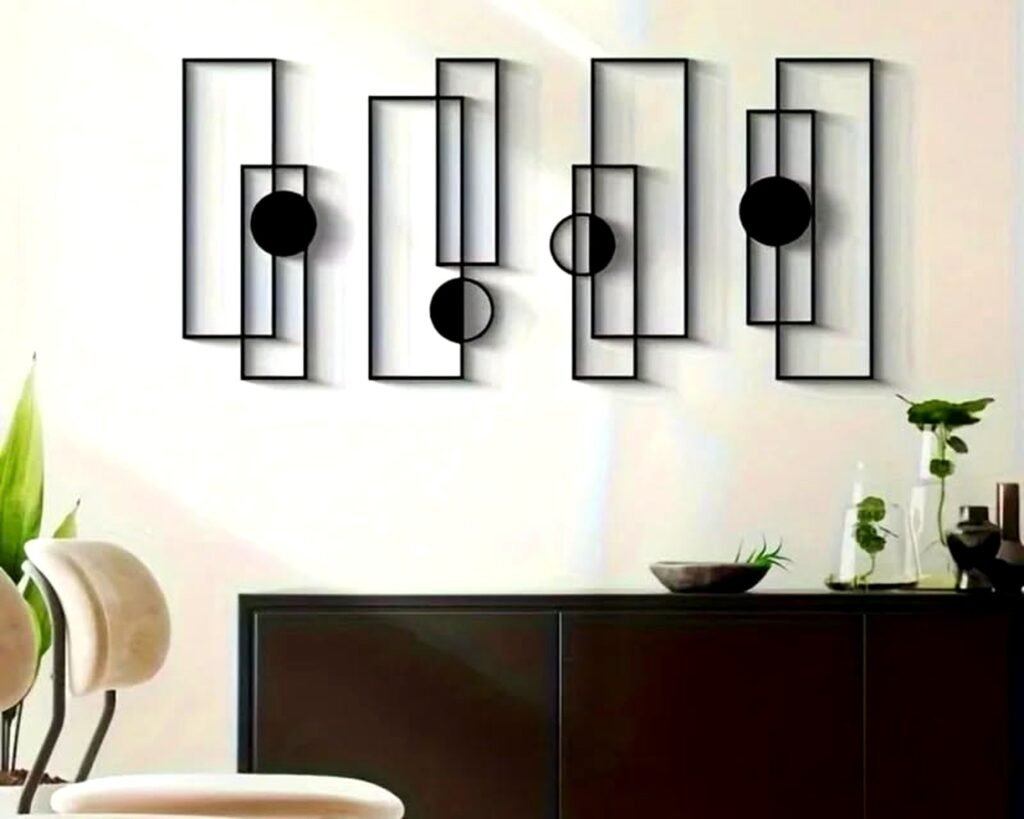
Aug
So I’ve been obsessing over metal wall art for bedrooms lately because honestly it’s one of those things that can either look incredibly sophisticated or like you raided a clearance section at a home goods store, and the difference comes down to knowing what you’re actually doing.
Why Metal Works Better Than You’d Think for Bedrooms
Okay so first thing, people get weird about metal in bedrooms because they think it’s too cold or industrial, but that’s only if you approach it wrong. I had this client last month who was convinced she needed fabric wall hangings for “warmth” and I showed her this brushed brass geometric piece and she literally texted me a week later saying her bedroom finally felt finished. Metal catches light differently throughout the day which is something most people don’t consider when they’re shopping online at 11pm.
The reflective quality actually makes smaller bedrooms feel bigger, and if you pick the right finish it reads as jewelry for your walls rather than like… a tin shed vibe.
Choosing the Right Metal Finish
This is where most people mess up right out the gate. Not all metal finishes work in sleep spaces and I learned this the hard way when I hung this super shiny chrome piece above my own bed and couldn’t sleep because every car headlight outside would bounce off it.
- Matte black – safest choice honestly, works with everything, doesn’t glare
- Brushed brass or gold – adds warmth, feels expensive without being shiny
- Copper or rose gold – trending right now but make sure your other metals match
- Oil-rubbed bronze – darker, more traditional, good if you’ve got wood furniture
- Raw steel or iron – industrial look, needs the right room to not feel harsh
Avoid super glossy chrome or polished nickel unless your bedroom gets zero external light. Trust me on this one.
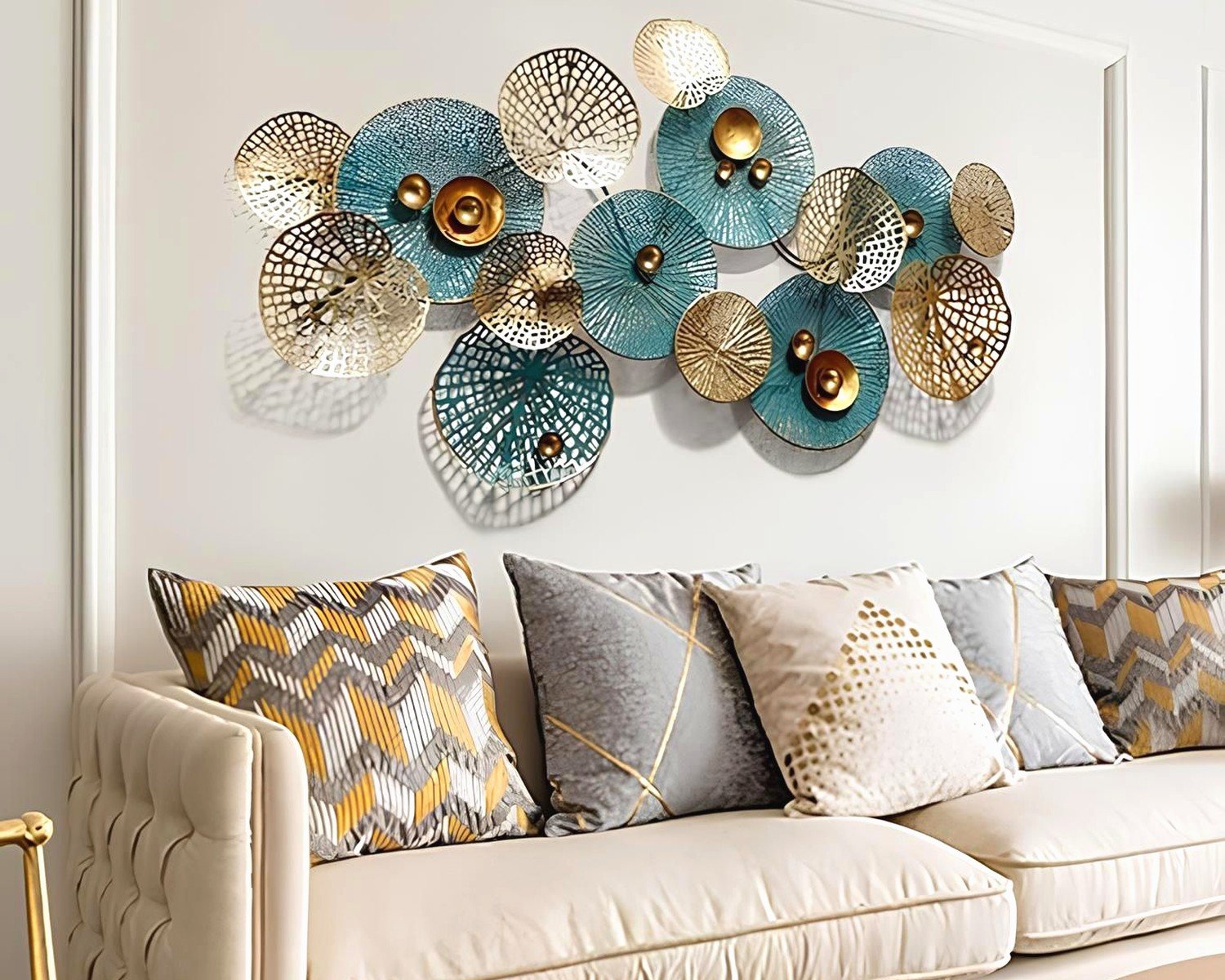
Size and Scale That Actually Works
So here’s where I see people panic and either go too small or like, mount something the size of a garage door. The general rule I use is that your metal art should take up about two-thirds to three-quarters the width of your bed or furniture piece below it. But also that’s just a starting point because sometimes breaking rules looks better.
For over the bed, I usually recommend pieces that are 36 to 48 inches wide for a queen bed, 48 to 60 inches for a king. But if you’re doing a gallery wall situation with multiple metal pieces, you can go smaller with each individual element.
Oh and another thing – consider the visual weight. A intricate mandala design in thin metal reads lighter than a solid geometric piece even if they’re the same dimensions. I hung a massive tree design that was mostly negative space and it didn’t overwhelm the room at all because your eye could rest in the gaps.
Measuring Before You Buy
Use painter’s tape to outline the dimensions on your wall before ordering anything. Sounds basic but I can’t tell you how many times I’ve had people tell me “I thought it would be bigger” because they didn’t visualize it first. Your phone camera lies about scale, your eyes don’t when there’s literal tape on the wall.
Styles That Work in Bedrooms
Not every metal art style belongs in a sleep space. Some designs are too energetic or busy and will literally keep you from relaxing. Here’s what I’ve seen work consistently:
Abstract geometric – clean lines, modern, doesn’t demand attention but adds interest. These are my go-to for minimalist bedrooms or when someone wants “something” but doesn’t want it to be a statement.
Nature-inspired – trees, leaves, branches, mountains. Okay this is gonna sound weird but these actually help people sleep better according to like three different clients who’ve mentioned it. Something about bringing organic shapes into the space.
Mandalas and circular designs – creates a focal point without being aggressive about it, the symmetry is calming
Minimalist line art – faces, bodies, single-line drawings translated to metal. Very trendy right now and works great over beds
Textured panels – not really “art” in the traditional sense but those dimensional metal panels with wave or geometric patterns add so much depth
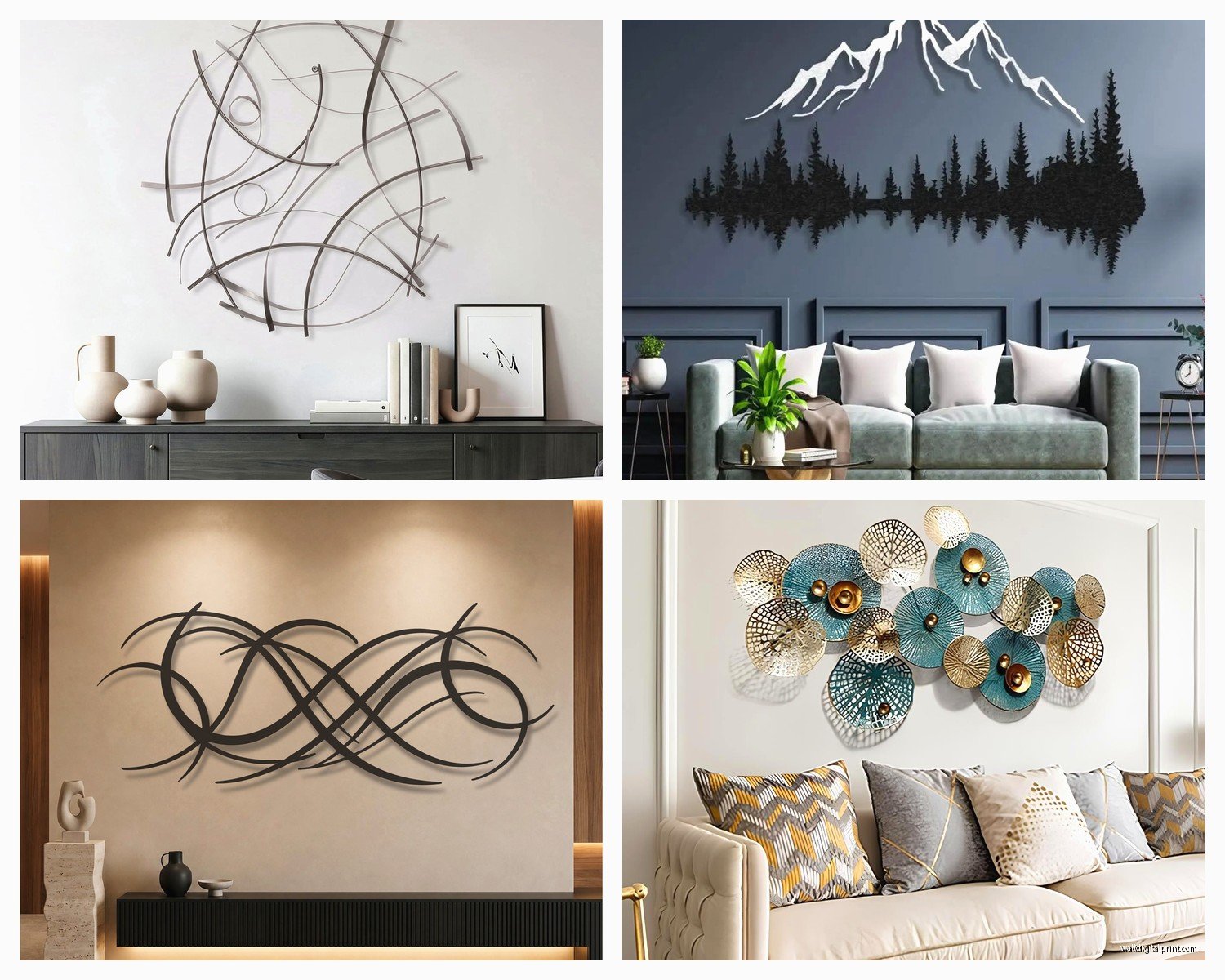
What I avoid: words and quotes (bedrooms aren’t Pinterest boards), anything too literal like metal guitars or motorcycles unless that’s genuinely your thing, super busy scenes with tons of elements.
Where to Actually Hang It
Obviously over the bed is the default but it’s not your only option and sometimes not even the best one.
Above the headboard – classic placement, center it and hang it about 6 to 8 inches above the headboard top. If you don’t have a headboard, position it so the bottom edge is roughly where a headboard would end, maybe 36 to 40 inches above your mattress.
On the wall opposite the bed – this is what you see when you’re lying down, so it’s actually prime real estate. I did this in my own bedroom with a large circular piece and it’s the first thing I look at in the morning.
Flanking the bed – two matching or complementary pieces on either side, works especially well with tall vertical pieces
Above a dresser or console – same rules as hanging above a sofa basically
Wait I forgot to mention – if you’re renting and can’t put a million holes in the wall, look for metal art that comes with a single center hanging point rather than those pieces that need four corner hooks. Makes your life so much easier.
Installation Without Destroying Your Walls
Metal wall art is usually lighter than you’d expect but you still gotta do this right. Most pieces under 20 pounds can hang on regular picture hanging hooks. Anything heavier needs actual wall anchors.
Here’s my installation kit that lives in my car because I’m always hanging stuff:
- Laser level (the cheap $15 ones work fine)
- Measuring tape
- Pencil
- Picture hanging hooks rated for different weights
- Drywall anchors for heavier pieces
- Hammer and drill
- Blue painter’s tape
Pro tip that’s gonna save you so much frustration – make a paper template of your piece first if it’s got multiple hanging points. Tape it to the wall, mark your holes through the paper, then remove the template and install your hooks. I learned this after hanging a four-point piece crooked and having to patch and repaint.
The Actual Hanging Process
Find your center point on the wall first. For over the bed, this should align with the center of your headboard. Mark it lightly with pencil. Measure your art piece to find its center, then measure from the center to where the hanging hardware sits on the back. That measurement tells you how far below your desired center point you need to install your hook.
I know this sounds complicated but once you do it once it makes total sense.
Mixing Metal with Other Materials
This is where bedroom metal art gets interesting. You don’t want a matchy-matchy situation but you also don’t want it to look random.
I mixed a matte black metal tree sculpture with my velvet headboard and linen bedding and the contrast between hard and soft materials is chef’s kiss. The metal adds edge to what could be an overly soft room.
Works well with wood – warm wood tones and metal is basically a design classic. Also plays nicely with concrete or plaster finishes if you’re going for that modern organic vibe. My cat knocked over a plant onto my nightstand while I was styling a photo last week and honestly the metal art was the only thing that survived without damage so there’s that practical consideration too.
What’s tricky is mixing metal wall art with metal furniture or fixtures. You don’t need everything to match exactly but try to stay in the same temperature family. Warm metals (brass, copper, gold) with warm metals, cool metals (chrome, nickel, steel) with cool metals. Or go intentionally eclectic if that’s your thing but make it look deliberate.
Lighting Considerations
Okay so funny story, I installed this gorgeous geometric brass piece in a bedroom and it looked amazing during the day but completely disappeared at night. Metal needs light to show its dimension and texture.
If you’ve got good natural light, position your metal art where it’ll catch morning or afternoon sun. The shadows and highlights change throughout the day and it’s genuinely beautiful to watch.
For artificial lighting, consider adding a picture light above your metal art or positioning a floor lamp so it washes across the surface. Those smart bulbs where you can adjust warmth are perfect because you can change the mood. Warm light on brass or copper makes it glow. Cooler light on black or steel emphasizes the sculptural quality.
Just don’t aim super bright light directly at shiny finishes or you’re back to the headlight problem I mentioned earlier.
Budget Options vs Investment Pieces
You can find metal wall art anywhere from $30 to $3000 and honestly sometimes the expensive stuff isn’t better, just bigger or from a “name” artist.
For budget-friendly options, check places like HomeGoods, Target’s Threshold line, and Amazon surprisingly has some decent pieces. I’ve found good stuff on Etsy from independent metal workers too. The trick with cheaper pieces is inspecting the edges – if they’re sharp or poorly finished, it’ll look cheap no matter what.
Mid-range ($150-$400) is where you get better craftsmanship and more interesting designs. West Elm, CB2, Anthropologie have solid options here.
Investment pieces ($500+) are usually hand-crafted, larger scale, or from known artists. Worth it if you’re gonna be in your space long-term and want something truly unique.
I always tell people to buy the best quality they can afford for their main statement piece, then fill in with less expensive supporting elements if you’re doing a gallery wall situation.
Maintenance and Cleaning
Metal art is pretty low maintenance but it’s not zero maintenance. Dust builds up in the crevices and details, especially on textured pieces.
For regular cleaning, just use a dry microfiber cloth or a soft brush attachment on your vacuum. Seriously, vacuuming metal art sounds weird but it works great for intricate designs.
If you need to actually clean it, use a barely damp cloth with mild soap. Dry immediately to prevent water spots. Don’t use harsh chemicals or abrasive cleaners because they’ll damage the finish.
Brass and copper will develop patina over time which some people love and some people hate. If you want to prevent it, there are clear sealants you can apply. If it’s already tarnished and you want it shiny again, metal polish works but test it on a hidden spot first.
Common Mistakes to Avoid
Hanging it too high – eye level means the center of the piece should be around 57-60 inches from the floor, adjust slightly higher when it’s over furniture
Choosing designs that are too busy for a sleep space – your bedroom should be calming, save the chaotic energy for living areas
Ignoring the rest of your room’s style – a ultra-modern metal sculpture looks weird with shabby chic furniture unless you’re deliberately mixing styles and know what you’re doing
Forgetting about safety – make sure heavy pieces are properly anchored, especially if you’re in an earthquake zone or have kids who might climb furniture
Not considering the view from the bed – you’re gonna be looking at this while lying down, so check that angle before committing
Creating a Gallery Wall with Metal
This is more advanced but looks incredible when done right. Mix different metal finishes, sizes, and styles but keep some unifying element – maybe they’re all geometric, or all nature-inspired, or all the same color family.
Lay everything out on the floor first and take a photo. Seriously, don’t skip this step. Move pieces around until the arrangement feels balanced. Generally you want your largest piece slightly off-center as an anchor, then build around it.
Keep spacing consistent between pieces – usually 2 to 3 inches works well. Use that paper template trick for each piece so you can see the whole arrangement on the wall before making any holes.
I’m currently watching this design show while writing this and they just hung a gallery wall with like zero planning and it looks terrible so yeah, definitely plan yours.
You can mix metal art with framed prints or photos too, just make sure the frame finishes complement your metal tones. Black frames with matte black metal, gold frames with brass metal, etc.
Seasonal Flexibility
One thing I love about metal wall art is you can easily swap pieces out seasonally without repainting or major changes. I have a client who rotates between a copper leaf design in fall, a silver snowflake pattern in winter, and a brass sun design in summer. Each piece has the same mounting system so it’s literally a five-minute swap.
If you’re someone who gets bored easily or likes refreshing your space, invest in a few different pieces with similar hanging requirements. Store the off-season ones wrapped in soft cloth to prevent scratching.
Anyway that’s basically everything I’ve learned from installing metal art in probably fifty bedrooms at this point, both professionally and just helping friends figure out their spaces. The main thing is don’t overthink it but also don’t just throw something up without considering scale, finish, and how it interacts with light. Metal art can totally transform a boring bedroom into something that feels curated and intentional without being fussy about it.
